
Luka Doncic’s Weight Loss Journey: Expert Review
Luka Doncic, the Dallas Mavericks’ superstar, has been a subject of considerable discussion regarding his physical conditioning and weight management throughout his NBA career. As one of basketball’s most talented players, his fitness trajectory offers valuable insights into how elite athletes approach body composition, performance optimization, and the challenges of maintaining peak physical condition during demanding professional seasons. Understanding his weight loss journey provides practical lessons applicable to anyone seeking sustainable health improvements.
The conversation around Doncic’s weight has evolved significantly since his early NBA years. In 2019-2020, various reports suggested he carried excess body weight that affected his agility and defensive capabilities. By the 2021-2022 season and beyond, noticeable physical transformation became evident, demonstrating his commitment to professional excellence. This journey illustrates that meaningful change requires sustained effort, proper nutrition strategies, and comprehensive conditioning programs—principles that translate directly to everyday health pursuits.

Early Career Conditioning Challenges
When Luka Doncic entered the NBA in 2018-2019, he was transitioning from European basketball where physical demands and conditioning standards differed from the American professional league. At approximately 230 pounds during his rookie season, many analysts noted that his weight distribution suggested he could benefit from body composition improvements. While his basketball skills were undeniable, concerns about lateral quickness, defensive intensity, and long-term durability circulated throughout the basketball community.
The challenge Doncic faced mirrors what many individuals experience during significant life transitions. Moving to a new environment with different expectations, higher intensity requirements, and increased pressure can make maintaining optimal health difficult. His early years demonstrated that talent alone doesn’t guarantee peak physical condition—intentional effort toward fitness and nutrition becomes essential for sustained success at elite levels.
Sports medicine professionals and strength coaches noted that his playing style, which relies on court vision, ball-handling, and perimeter shooting rather than explosive athleticism, initially seemed less dependent on lean muscle mass. However, NBA-level defense and the physical toll of 82-game seasons made conditioning improvements increasingly important for injury prevention and performance consistency.
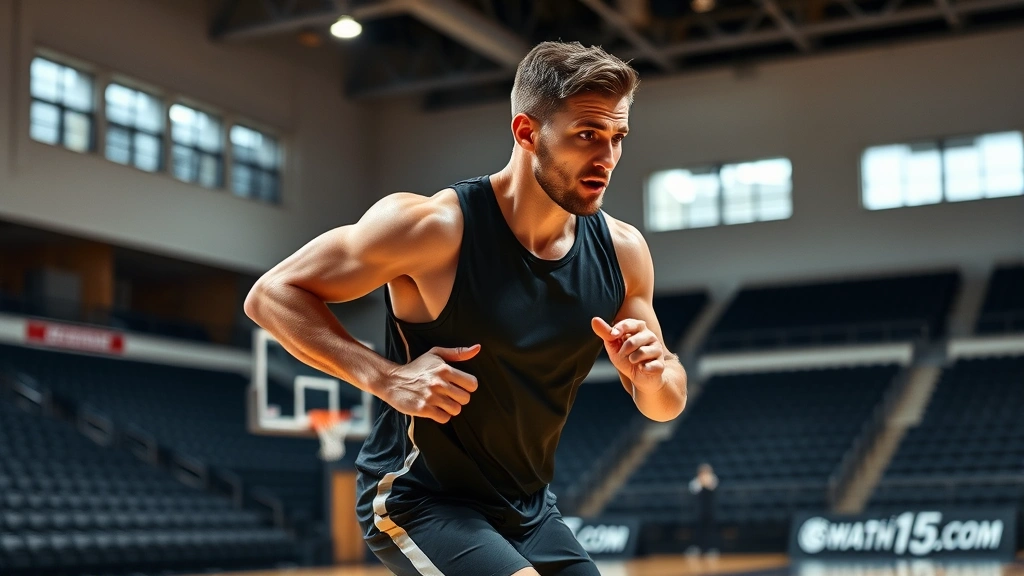
The Transformation Timeline
Doncic’s visible physical transformation occurred gradually between 2020 and 2022. By the 2021-2022 season, observers noted measurable improvements in his physique, with reports suggesting he had reduced his weight to approximately 220-225 pounds while maintaining or increasing muscle mass. This body recomposition—losing fat while preserving or building muscle—represents the gold standard for athletic transformation and general weight management.
The timeline of his changes coincided with increased playoff expectations for the Mavericks and his own professional maturation. Rather than dramatic crash dieting or extreme measures, Doncic’s approach appeared methodical and sustainable. This gradual progression aligns with evidence-based weight management research, which consistently shows that sustainable changes occur at 1-2 pounds per week rather than rapid fluctuations.
By the 2022-2023 season and continuing into recent years, Doncic has maintained improved conditioning levels while continuing to perform at an elite offensive level. His ability to sustain these improvements demonstrates that the changes were lifestyle-based rather than temporary, offering encouragement to anyone pursuing long-term health modifications.
Nutrition and Diet Strategies
While Doncic hasn’t publicly detailed every nutritional element of his regimen, NBA players at his level typically work with specialized sports nutritionists and team medical staff. His transformation likely involved strategic approaches to healthy meal plans for weight loss while maintaining the caloric intake necessary for professional basketball performance.
Key nutritional principles likely incorporated into his program include:
- Protein optimization: Weight loss and protein intake become crucial when preserving muscle during body recomposition. Athletes typically consume 0.7-1.0 grams of protein per pound of body weight to maintain lean mass while reducing overall calories.
- Carbohydrate timing: Rather than eliminating carbohydrates, strategic timing around training sessions ensures adequate energy for intense basketball activities while managing overall caloric balance.
- Micronutrient density: Professional athletes emphasize nutrient-dense whole foods—lean proteins, vegetables, fruits, and whole grains—rather than processed alternatives.
- Hydration management: Proper fluid intake supports metabolic function, recovery, and performance during demanding training and competition.
- Meal frequency and portion control: Multiple balanced meals throughout the day help maintain energy levels while preventing excessive caloric intake.
The nutritional approach likely avoided extreme restriction, which would compromise athletic performance and prove unsustainable. Instead, it probably emphasized making consistently better choices within a structured framework—a principle applicable whether you’re an NBA player or pursuing personal health goals.
Training Methodology and Fitness Regimen
Doncic’s conditioning improvements required comprehensive training that extended beyond standard NBA practice and games. Elite players typically engage in specialized strength and conditioning work designed specifically for their sport and body composition goals.
His regimen likely incorporated elements including:
- Strength training: Best strength training exercises for weight loss help preserve muscle during caloric reduction while improving power and injury resilience. For a basketball player, this typically includes lower body work (squats, lunges, deadlifts), upper body development, and core stabilization.
- Conditioning and cardiovascular work: High-intensity interval training (HIIT), court conditioning drills, and steady-state aerobic work improve cardiovascular capacity while supporting fat loss.
- Sport-specific skill work: Maintaining basketball abilities while improving conditioning requires integrating fitness training with skill development—shooting, ball-handling, and game situations.
- Flexibility and mobility: Professional athletes prioritize injury prevention through comprehensive stretching, foam rolling, and mobility work.
- Recovery optimization: Sleep, massage, ice baths, and other recovery modalities support the body’s adaptation to training stress.
The balance between performance demands and body composition goals requires careful programming. Too aggressive an approach compromises basketball ability; too conservative an approach fails to achieve meaningful change. Doncic’s coaches likely adjusted intensity and volume based on his response and the NBA schedule.
Impact on Basketball Performance
The most compelling evidence of Doncic’s successful transformation appears in his on-court performance metrics. Improved conditioning contributed to enhanced lateral quickness, better defensive positioning, and increased ability to maintain intensity throughout games and playoff series.
Observable improvements include:
- Defensive capability: While never elite defensively, his improved conditioning allowed for better effort and consistency on that end of the court.
- Injury resilience: Better conditioning and body composition support injury prevention and faster recovery from the physical demands of NBA play.
- Sustained performance: Late-game efficiency and fourth-quarter performance improved, suggesting better conditioning allowed him to maintain intensity when fatigue typically sets in.
- Playoff durability: Deep playoff runs require sustained performance across multiple games in compressed timeframes—his improved conditioning supported this demand.
Importantly, his offensive performance remained elite throughout the transformation, proving that weight loss and improved conditioning didn’t compromise his basketball abilities. This mirrors findings from general health research: appropriate exercise and nutrition improvements enhance rather than diminish functional capacity.
Key Lessons for Your Weight Loss
While Doncic’s circumstances as a professional athlete differ from typical situations, his journey offers transferable principles for sustainable personal weight management:
1. Patience and Consistency Matter More Than Intensity
Doncic’s transformation occurred gradually over years, not months. This approach proved sustainable and didn’t compromise his career performance. Whether pursuing athletic excellence or general health, consistency beats intensity. Small daily choices compound into meaningful results without the burnout and injury risk of extreme approaches.
2. Body Composition Matters More Than Scale Weight
Doncic’s weight reduction was modest (230 to 220-225 pounds), but the body composition change was significant due to concurrent muscle building. Weight loss and body measurements tracking reveals progress that scales alone miss. This principle applies universally: focus on how you feel, how clothes fit, and how you perform rather than fixating on absolute numbers.
3. Comprehensive Approaches Outperform Single-Strategy Focus
Doncic’s improvements required simultaneous attention to nutrition, strength training, conditioning, recovery, and skill maintenance. Similarly, sustainable personal weight loss involves addressing multiple factors: dietary quality, physical activity, sleep, stress management, and behavioral patterns. No single approach works in isolation.
4. Professional Support Accelerates Results
Access to specialized nutritionists, strength coaches, team physicians, and sports psychologists supported Doncic’s transformation. While not everyone has identical resources, seeking appropriate professional guidance—whether from registered dietitians, certified fitness professionals, or healthcare providers—significantly improves outcomes. Weight loss without exercise approaches still benefit from professional oversight.
5. Performance Goals Drive Sustainable Motivation
Doncic’s primary motivation was professional excellence and team success, not vanity or abstract health concepts. Identifying personally meaningful performance goals—whether athletic, professional, or functional—provides motivation that outlasts aesthetic objectives alone. What specific capabilities do you want to improve through better health?
6. Sustainability Requires Lifestyle Integration
Doncic’s improvements became permanent because they integrated into his lifestyle rather than representing temporary interventions. His nutrition and training became standard practice, not special efforts. For personal application, this means developing habits and systems that feel natural within your daily life, not fighting against your natural preferences and constraints.
7. Professional Standards Vary by Context
NBA conditioning expectations differ from general population health recommendations. This teaches an important lesson: define success relative to your actual circumstances and goals, not external standards. Your optimal weight and conditioning may differ significantly from celebrity examples.
FAQ
How much weight did Luka Doncic lose?
Doncic reduced his weight from approximately 230 pounds early in his NBA career to 220-225 pounds by 2021-2022. However, the important metric was body composition change—he lost fat while maintaining or building muscle, making the absolute weight reduction modest but the physical transformation significant.
What was Luka Doncic’s weight loss timeline?
His visible physical improvements occurred gradually between 2020 and 2022, with continued maintenance through recent seasons. This multi-year timeline demonstrates that sustainable changes develop progressively rather than through rapid transformations.
Did Luka Doncic’s weight loss improve his basketball performance?
Yes, improved conditioning enhanced his defensive capability, injury resilience, and late-game performance. However, his elite offensive abilities remained unchanged, proving that appropriate weight management improves rather than compromises athletic function.
Can I apply Luka Doncic’s weight loss approach to my own goals?
Many principles transfer directly: gradual progression, comprehensive approaches combining nutrition and exercise, professional support, focusing on performance rather than aesthetics, and lifestyle integration. However, adapt these principles to your specific circumstances, resources, and goals rather than attempting exact replication of an elite athlete’s program.
What’s the most important factor in sustainable weight loss?
Research consistently shows that adherence matters more than specific program details. Whether following low-carb, low-fat, or balanced approaches, success depends on consistently implementing your chosen strategy. Doncic’s success reflected sustained commitment to improved habits, not a revolutionary diet or training secret.
How does how to maintain weight loss relate to initial weight loss?
Doncic’s lasting results demonstrate that maintenance strategies matter as much as initial weight loss. Building sustainable habits, continuing strength training, maintaining nutritional awareness, and regularly assessing progress prevent regain. The transition from losing to maintaining requires intentional strategy adjustment rather than simply stopping structured efforts.


