
Maura West’s Weight Loss Secrets: Insider Scoop
Maura West, the acclaimed actress known for her roles on daytime television and primetime dramas, has been open about her personal health journey and fitness transformation. While celebrities often seem to have access to exclusive resources, the truth behind sustainable weight loss is rooted in science-based principles that anyone can implement. This comprehensive guide explores the strategies, habits, and lifestyle choices that have contributed to her wellness success, breaking down the myths and revealing practical approaches you can adopt today.
Weight loss success isn’t about quick fixes or extreme measures—it’s about understanding your body, making informed nutritional choices, and committing to consistent lifestyle habits. By examining the approaches that have worked for health-conscious individuals like Maura West, we can extract valuable insights that apply to real-world weight management. Whether you’re just beginning your journey or looking to refine your current approach, understanding these foundational principles will help you achieve sustainable results.
Understanding the Foundation of Weight Loss Success
The foundation of any successful weight loss journey begins with understanding that sustainable results require a multifaceted approach. Rather than focusing solely on the number on the scale, successful individuals like Maura West prioritize overall health markers including energy levels, strength, body composition, and how they feel day-to-day. Research from the Centers for Disease Control and Prevention confirms that gradual, steady weight loss of 1-2 pounds per week is most sustainable and healthiest long-term.
One critical insight from individuals who maintain healthy weights is that they don’t view weight loss as a temporary diet but as a lifestyle shift. This reframing changes everything about how you approach food choices, exercise, and daily habits. The psychological component cannot be overstated—believing you’re making changes for life rather than a short-term fix dramatically increases adherence and success rates.
Understanding your personal metabolism, food sensitivities, and eating patterns is equally important. What works for one person may not work for another, which is why cookie-cutter diet plans often fail. The most successful approach involves self-awareness, tracking, and willingness to adjust strategies based on results and how your body responds.

Nutrition Strategy: What Actually Works
Nutrition forms the cornerstone of any weight loss strategy, and the approach taken by health-conscious celebrities typically emphasizes whole foods over processed options. Rather than eliminating entire food groups, successful weight loss focuses on making better choices within each category. This balanced approach is more sustainable than extreme restriction and allows for long-term adherence.
The principle of caloric awareness without obsessive counting plays a key role. Understanding that weight loss fundamentally requires consuming fewer calories than you expend is essential, but modern approaches recognize that not all calories are equal in terms of satiety, nutritional value, and metabolic impact. Nutrient-dense foods that are high in fiber and protein keep you fuller longer, reducing overall caloric intake naturally.
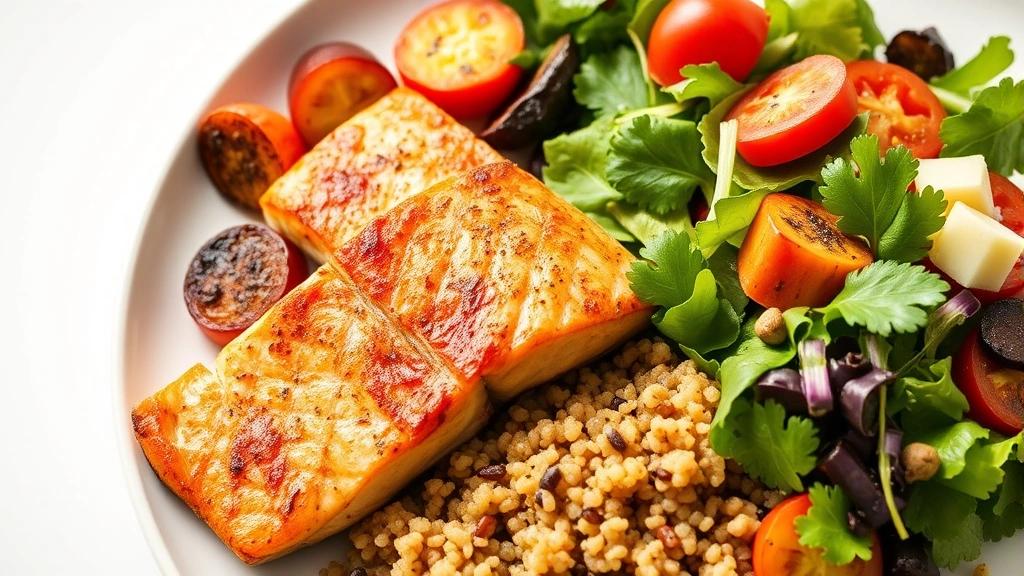
Whole grains, lean proteins, abundant vegetables, and healthy fats form the backbone of a sustainable eating plan. By prioritizing these foods, you naturally reduce space for high-calorie, low-nutrient options. The key is making this feel like abundance rather than deprivation—focusing on all the nutritious foods you’re adding rather than what you’re removing.
Protein-Powered Eating Plans
One of the most consistently successful strategies in modern weight loss is prioritizing adequate protein intake. Protein serves multiple critical functions in weight management: it has the highest thermic effect (your body burns calories digesting it), it promotes satiety and reduces hunger hormones, and it helps preserve muscle mass during weight loss. The Obesity Society emphasizes the role of protein in sustainable weight management strategies.
Successful individuals typically aim for protein at every meal and snack, which naturally crowds out less nutritious options. This could mean starting your day with eggs or Greek yogurt, enjoying high protein low carb recipes for weight loss, and ensuring your dinner plate contains a substantial protein source alongside vegetables and whole grains.
For those seeking convenient protein options, best weight loss shakes can serve as practical meal replacements or snacks, particularly on busy days. When choosing shakes, look for options with at least 20 grams of protein, minimal added sugars, and whole food ingredients where possible. These can be especially helpful for maintaining consistent nutrition during travel or hectic schedules.
Additionally, incorporating weight loss smoothies made with protein powder, Greek yogurt, berries, and leafy greens provides both nutrition and satisfaction. The fiber from whole fruits and vegetables combined with protein creates a meal that sustains energy and reduces cravings for hours.
Smart Beverage Choices and Hydration
Beverage choices dramatically impact weight loss success, yet this area is often overlooked. Sugary drinks, even those marketed as “healthy,” contribute significant calories without providing satiety. Successful weight loss strategies prioritize water as the primary beverage, with herbal tea and black coffee as excellent zero-calorie alternatives.
Proper hydration serves multiple purposes beyond thirst quenching: it supports metabolism, aids digestion, reduces hunger (thirst is often mistaken for hunger), and improves energy levels during workouts. Many individuals find that simply increasing water intake leads to noticeable weight loss without other changes, as it reduces overall caloric consumption and supports bodily functions.
For those seeking additional nutritional support, exploring options like how to use MCT oil for weight loss can provide strategic nutritional additions to beverages. MCT oil, derived from coconut oil, is rapidly absorbed and may support energy and satiety when used appropriately. However, it should complement—not replace—whole food nutrition and hydration.
The strategy is straightforward: replace calorie-containing beverages with water, unsweetened tea, or black coffee. This single change often produces measurable results within weeks, as it eliminates liquid calories that don’t promote satiety.
Fitness and Movement Philosophy
While nutrition drives weight loss, fitness and movement create the conditions for long-term success. A comprehensive approach combines cardiovascular exercise, strength training, and daily movement. Strength training deserves special emphasis because it preserves and builds muscle mass, which increases resting metabolic rate and creates the toned appearance many desire.
Successful individuals typically exercise 4-5 days weekly, combining moderate-intensity cardiovascular work with resistance training 2-3 times per week. This doesn’t require expensive gym memberships or complicated routines—bodyweight exercises, resistance bands, and outdoor activities work equally well when performed consistently.
Beyond structured exercise, increasing daily movement through walking, taking stairs, active hobbies, and reducing sedentary time significantly impacts results. Research shows that non-exercise activity thermogenesis (NEAT)—calories burned through daily movement—contributes substantially to overall energy expenditure. Using weight loss and fitness apps: your guide to smarter health choices can help track both structured exercise and daily movement, providing motivation and accountability.
The key is finding activities you genuinely enjoy so exercise becomes a sustainable part of life rather than punishment for eating. Whether that’s dancing, hiking, swimming, or team sports, consistency matters far more than specific modality.
Consistency Over Perfection
Perhaps the most valuable insight from individuals who successfully maintain weight loss is that consistency matters infinitely more than perfection. There will be days when you eat more than planned, miss workouts, or make less optimal choices. This is normal and doesn’t derail progress—it’s what happens on the other 300+ days that determines results.
Successful weight loss is built on the principle of the “80/20 rule”: if you make good choices 80% of the time, the remaining 20% doesn’t significantly impact overall results. This removes the perfectionism trap that causes many to abandon efforts after perceived failure. Instead of an all-or-nothing mentality, sustainable approaches embrace progress over perfection.
Tracking progress through methods beyond the scale—including measurements, how clothes fit, strength gains, energy levels, and progress photos—provides motivation when the scale stalls. Understanding that weight loss and metabolic syndrome: understanding the connection reveals how health improvements often precede visible weight changes helps maintain perspective during plateaus.
Building sustainable habits means starting small and progressively building. Rather than overhauling everything simultaneously, successful individuals make one or two changes, solidify them over weeks, then add additional improvements. This methodical approach prevents overwhelm and creates lasting change.
Mental and Emotional Wellness
Weight loss success is deeply intertwined with mental and emotional health. Stress, poor sleep, and emotional eating patterns significantly impact weight management. Successful individuals prioritize sleep (7-9 hours nightly), stress management through meditation or yoga, and address emotional eating patterns.
Understanding your personal eating triggers—whether they’re stress, boredom, fatigue, or social situations—allows you to develop alternative coping strategies. This might mean keeping a journal, practicing deep breathing, engaging in hobbies, or reaching out to support systems rather than turning to food.
The psychological aspect of sustainable weight loss cannot be understated. The American Society of Bone and Mineral Research emphasizes the importance of comprehensive health approaches that address psychological wellbeing alongside physical changes. Self-compassion, celebrating non-scale victories, and maintaining a positive relationship with food and your body are essential for long-term success.
Building a support system—whether through friends, family, online communities, or professional guidance—significantly increases success rates. Accountability and encouragement help sustain motivation during challenging periods.
FAQ
What is Maura West’s specific diet plan?
While Maura West hasn’t publicly detailed an exact diet plan, interviews and public statements suggest she follows balanced nutrition emphasizing whole foods, adequate protein, and portion awareness. She appears to prioritize sustainable lifestyle changes over restrictive dieting, which aligns with evidence-based weight loss approaches.
How much weight did Maura West lose?
Maura West has maintained a healthy weight throughout her career, suggesting she focuses on overall wellness rather than dramatic transformations. She’s been open about prioritizing health and fitness as ongoing lifestyle commitments rather than temporary goals.
Does Maura West exercise regularly?
Yes, fitness appears central to her wellness routine. While specific details aren’t extensively documented, her maintained health and energy suggest consistent exercise and movement practices aligned with standard health recommendations.
Can I follow the same approach without celebrity resources?
Absolutely. The principles underlying successful weight loss—balanced nutrition, consistent exercise, adequate sleep, stress management, and behavioral consistency—require no special resources. While personal trainers and nutritionists can help, the fundamentals are accessible to everyone.
How long does sustainable weight loss typically take?
Sustainable weight loss of 1-2 pounds per week is standard. Achieving significant results typically requires 6-12 months of consistent effort. However, health improvements often occur within weeks, even before substantial weight change is visible.
Should I consult a professional before starting?
Yes, consulting with your healthcare provider, a registered dietitian, or obesity medicine specialist ensures your approach is safe and tailored to your individual health needs. This is especially important if you have underlying health conditions or take medications affecting weight.


