MCT Foods for Weight Loss? Nutritionist Explains
Medium-chain triglycerides (MCTs) have become a popular buzzword in weight loss circles, but separating fact from marketing hype is essential. As a nutritionist, I’m often asked whether MCT foods truly accelerate fat loss or if they’re simply another trendy supplement. The answer is more nuanced than a simple yes or no.
MCTs are a type of fat with a unique metabolic pathway that differs from long-chain triglycerides found in most foods. This difference has sparked genuine scientific interest, but the reality of their weight loss benefits requires careful examination of the research and practical application.
In this comprehensive guide, I’ll break down what MCT foods actually are, how they work in your body, the scientific evidence behind their weight loss claims, and whether they deserve a place in your nutritional strategy.
What Are MCT Foods and How Do They Work?
Medium-chain triglycerides are fatty acids containing 6 to 12 carbon atoms, positioned between short-chain triglycerides (fewer than 6 carbons) and long-chain triglycerides (more than 12 carbons). Most dietary fats you consume are long-chain triglycerides, which is why MCTs represent a metabolic novelty for your body.
When you consume MCT foods, your digestive system processes them differently than conventional fats. Rather than requiring bile salts and pancreatic lipase for complete digestion, MCTs are more readily absorbed in the small intestine and transported directly to the liver via the portal blood system. This direct pathway is what makes MCTs theoretically interesting for weight management.
Your liver then has several options for MCTs: immediate energy conversion, ketone body production, or storage. This metabolic flexibility is central to MCT’s proposed weight loss benefits. Unlike long-chain triglycerides, which are more readily stored as body fat, MCTs favor oxidation—being burned for energy rather than stored.
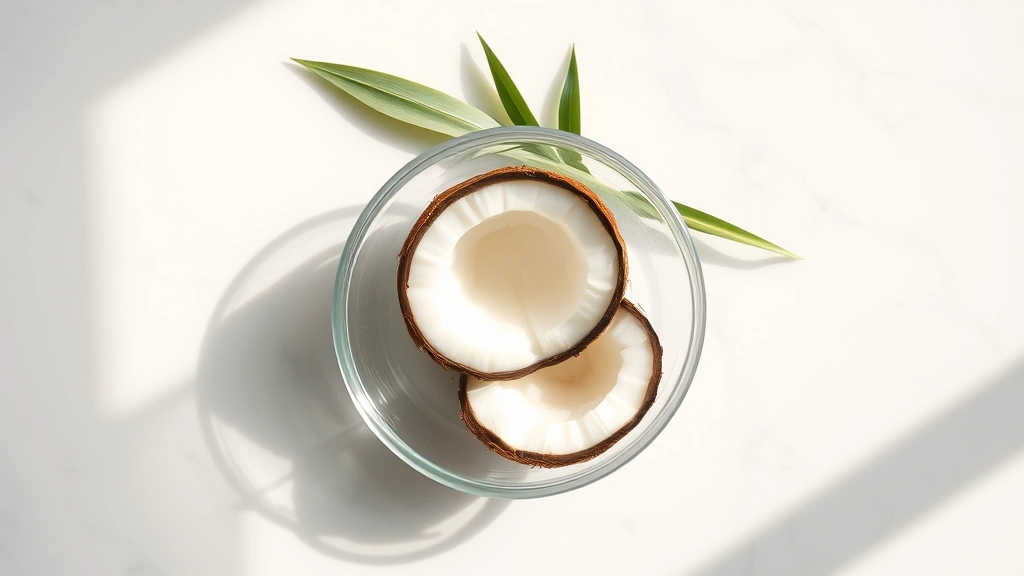
The most common MCT foods and supplements include coconut oil (approximately 62% MCT content), palm oil, MCT oil supplements, and certain dairy products like full-fat milk and cheese. However, the concentration of actual MCTs in whole food sources is often lower than in concentrated MCT oil products.
The Science Behind MCTs and Metabolism
Multiple studies have investigated whether MCTs genuinely impact weight loss and metabolic rate. Research published in peer-reviewed journals shows that MCTs do increase fat oxidation and thermogenesis—the energy your body expends digesting food—compared to long-chain triglycerides.
A study in the Journal of Nutrition found that participants consuming MCT oil showed a 5% increase in fat oxidation compared to those consuming olive oil. While this sounds promising, the practical significance requires context: this translates to approximately 10-15 additional calories burned per day in most individuals, which is modest.
Research from the National Center for Biotechnology Information suggests MCTs may enhance satiety—the feeling of fullness—which could indirectly support weight loss through reduced calorie intake. Some evidence indicates MCTs may increase cholecystokinin (CCK), a hormone that signals fullness to your brain.
However, it’s crucial to note that these metabolic advantages are relatively small. The difference between MCTs and other fats in terms of actual weight loss is measured in pounds per year, not dramatic transformations. Additionally, MCTs are still calorically dense at 9 calories per gram, identical to all dietary fats.
The most compelling research suggests MCTs may offer modest benefits when incorporated into an overall calorie-controlled diet, particularly when combined with other evidence-based strategies like weight loss with intermittent fasting or structured healthy meal plans for weight loss.
Best MCT Food Sources
If you’re interested in incorporating MCTs into your diet, understanding food sources versus supplements is important. Whole food sources provide additional nutrients, fiber, and satiety factors that isolated MCT oil doesn’t offer.
- Coconut Oil: Contains approximately 62% MCTs. Use sparingly due to high saturated fat content and caloric density.
- Palm Oil: About 50% MCTs, though environmental concerns make this a less sustainable choice.
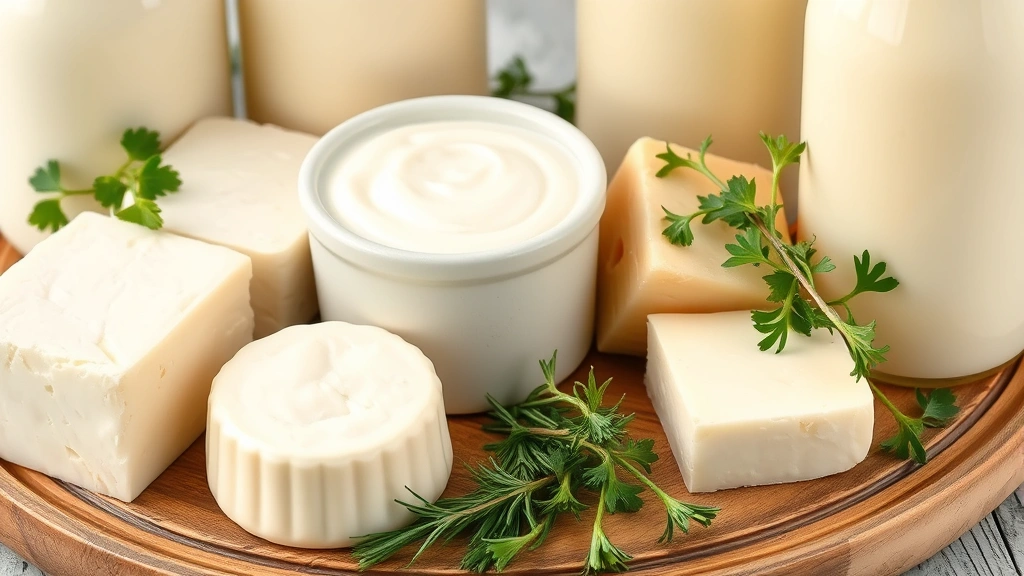
- Full-Fat Dairy: Milk, yogurt, and cheese contain small amounts of MCTs alongside beneficial probiotics and calcium.
- Butter: Approximately 5-12% MCTs, plus fat-soluble vitamins A, D, E, and K.
- Ghee: Clarified butter with concentrated fat content and trace MCTs.
- Cheese: Particularly hard cheeses contain small MCT amounts plus protein and calcium for satiety.
- Whole Milk: Natural MCT source with casein protein for sustained fullness.
Importantly, whole food MCT sources come packaged with other nutrients and fiber, making them preferable to isolated MCT oil supplements from a nutritional completeness perspective.

MCTs and Weight Loss: What Research Shows
The most honest assessment of MCT foods for weight loss is: they offer modest, incremental benefits that shouldn’t be overstated. Multiple meta-analyses examining MCT supplementation found weight loss differences of approximately 0.5 kg (1.1 lbs) compared to long-chain triglycerides over 12 weeks—hardly revolutionary.
A comprehensive review in Nutrients Journal concluded that while MCTs may support weight management, they’re not a magic solution. The researchers emphasized that any weight loss benefit is secondary to overall calorie balance and lifestyle factors.
Where MCTs show more promise is in specific contexts: weight loss on keto diet protocols, where they can support ketone production and reduce transition symptoms. Some individuals on ketogenic approaches report improved mental clarity and sustained energy when incorporating MCT oil, though this is individual-dependent.
The research also suggests MCTs may be particularly beneficial for individuals with weight loss and metabolic syndrome, as some studies show improvements in insulin sensitivity and triglyceride levels. However, these benefits are most pronounced when MCTs replace refined carbohydrates rather than simply being added to an existing diet.
It’s also worth noting that individual responses vary considerably. Some people experience improved satiety with MCTs; others notice no difference. Genetic factors, gut microbiome composition, and existing metabolic health all influence MCT efficacy.
How MCTs Fit Into Popular Diet Approaches
MCT foods and supplements have become particularly popular in specific dietary frameworks. Understanding how they fit into these approaches helps clarify their practical utility.
Ketogenic Diet: MCTs support ketone production more efficiently than long-chain fats, making them potentially useful for keto practitioners. However, they’re not essential—plenty of people lose weight on keto without MCT supplementation.
Intermittent Fasting: Some practitioners add MCT oil to coffee during fasting windows, believing it provides energy without breaking the fast. While technically MCTs contain calories, many intermittent fasting protocols allow small amounts of fat during fasting periods. For more comprehensive guidance, review our article on weight loss with intermittent fasting.
Low-Carb Approaches: MCTs may help with satiety and energy levels when carbohydrate intake is restricted, as your body adapts to fat-based fuel.
Calorie-Restricted Diets: MCTs might provide a marginal metabolic advantage, though this shouldn’t be overemphasized or used as justification for increased calorie intake.
Practical Tips for Adding MCT Foods
If you decide to incorporate MCT foods into your weight loss strategy, approach implementation thoughtfully:
- Start with whole foods: Prioritize natural MCT sources like coconut oil, full-fat dairy, and butter before considering supplements. They offer better nutritional density and satiety.
- Use appropriate portions: MCT oil is calorically dense. A tablespoon contains approximately 120 calories. Don’t add it to your diet assuming it won’t impact calorie balance—it will.
- Introduce gradually: Some people experience digestive discomfort when adding MCT oil suddenly. Start with small amounts (1 teaspoon) and increase gradually over several days.
- Combine with protein: Pair MCT foods with protein sources to maximize satiety. For example, MCT oil with Greek yogurt or butter with eggs.
- Consider timing: Some evidence suggests consuming MCTs with meals may optimize fat oxidation compared to isolated supplementation.
- Monitor your response: Track your hunger, energy levels, and weight loss progress to determine if MCTs genuinely benefit your specific situation.
- Maintain calorie awareness: Don’t assume MCT foods are calorie-free or warrant increased overall consumption. They still count toward daily energy intake.
Potential Risks and Considerations
While MCT foods are generally recognized as safe, certain considerations warrant attention:
Digestive Issues: Concentrated MCT oil can cause stomach discomfort, diarrhea, and nausea in some individuals, particularly with excessive consumption or on an empty stomach.
Caloric Density: It’s easy to overconsume MCT oil because it’s liquid and calorie-dense. A few tablespoons can quickly add 300+ calories to your day.
Saturated Fat Content: Coconut oil, the primary whole-food MCT source, is high in saturated fat. While research on saturated fat is evolving, individuals with certain cardiovascular risk factors should consume it moderately.
Sustainability: Palm oil production raises environmental concerns. If incorporating MCTs, consider sourcing from sustainable producers.
Individual Variation: MCT efficacy is highly individual. Genetic factors influence how your body processes and utilizes MCTs. What works for others might not work for you.
Not a Substitute for Basics: MCTs shouldn’t replace fundamental weight loss principles: calorie balance, whole foods, adequate protein, and regular physical activity. No food—including MCT foods—can override these fundamentals.
For comprehensive understanding of sustainable weight management, review our guide on how to maintain weight loss: effective strategies for long-term success.
The Bottom Line on MCT Foods and Weight Loss
MCT foods can play a supporting role in weight loss efforts, but they’re not transformative on their own. The research demonstrates modest metabolic advantages—approximately 10-15 additional calories burned daily and potentially enhanced satiety—but these small benefits only matter within the context of an overall calorie-controlled diet.
MCTs may be particularly useful for individuals following ketogenic or low-carb approaches, those seeking to optimize satiety, or people who simply enjoy the taste and effects of MCT-containing foods. However, they’re entirely optional for successful weight loss.
The most important factor in sustainable weight loss remains creating a consistent calorie deficit through a combination of healthy meal plans for weight loss, regular physical activity, adequate protein intake, and behavioral consistency. MCT foods can be a useful tool within this framework, but they’re not a shortcut or replacement for fundamental principles.
If you’re considering MCT supplementation or significantly increasing coconut oil consumption, consult with a registered dietitian to ensure it aligns with your individual health status, goals, and dietary needs. Weight loss success ultimately depends on sustainable habits, not individual food components.
FAQ
Do MCT foods directly cause weight loss?
No. MCT foods don’t directly cause weight loss, but they may support weight loss efforts by enhancing fat oxidation and potentially increasing satiety. Weight loss fundamentally requires calorie deficit, and MCTs can be a modest tool supporting this deficit.
Is MCT oil better than coconut oil for weight loss?
MCT oil contains higher concentrations of MCTs than coconut oil, but coconut oil provides additional nutrients and whole-food benefits. For weight loss purposes, the practical difference is minimal. Coconut oil is preferable for nutritional completeness; MCT oil is more convenient for specific applications like adding to beverages.
How much MCT should I consume daily?
There’s no established optimal MCT dosage. Research studies typically used 1-2 tablespoons of MCT oil daily. However, individual tolerance varies. Start with 1 teaspoon and increase gradually as tolerated. Remember that 1 tablespoon contains approximately 120 calories.
Can MCTs help me lose weight without changing my diet?
No. MCTs cannot override calorie surplus. If you’re consuming more calories than your body burns, adding MCT foods will only increase your calorie intake further. Weight loss requires calorie deficit as the foundation.
Are MCTs safe for everyone?
MCTs are generally safe for most healthy individuals, but they may cause digestive discomfort in some people. Those with specific medical conditions, compromised liver function, or gallbladder issues should consult healthcare providers before significantly increasing MCT intake. Pregnant and nursing women should also seek professional guidance.
Can I use MCT oil during intermittent fasting?
This depends on your specific fasting protocol. Some intermittent fasting approaches allow small amounts of fat during fasting windows, while others require complete abstinence. MCT oil technically breaks a strict fast but may be acceptable in modified protocols. Consult your fasting framework’s guidelines.
Do MCTs boost metabolism permanently?
No. MCTs provide a temporary metabolic boost during digestion and utilization, but there’s no evidence they permanently increase resting metabolic rate. The metabolic advantages are modest and only present when actively consuming MCTs.


