
Megan Thee Stallion’s Weight Loss Tips? Expert Insight
Megan Thee Stallion has been open about her fitness journey and commitment to maintaining a healthy lifestyle. The rapper and entrepreneur has inspired countless fans by sharing glimpses of her workout routines, dedication to physical wellness, and balanced approach to nutrition. While celebrity transformations often spark curiosity, understanding the science behind effective weight loss strategies can help anyone achieve sustainable results, regardless of their starting point.
Rather than focusing solely on celebrity status, this guide explores evidence-based weight loss principles that align with what fitness professionals recommend. Whether you’re interested in Megan’s approach or simply seeking reliable guidance for your own journey, the fundamentals remain consistent: strategic nutrition, regular physical activity, hydration, and long-term lifestyle changes. Let’s examine the expert-backed strategies that support successful, healthy weight management.
Understanding Sustainable Weight Loss Fundamentals
Effective weight loss isn’t about crash diets or extreme measures—it’s about creating a sustainable caloric deficit through balanced nutrition and consistent activity. The most successful weight loss journeys, including those of public figures, rely on fundamental principles supported by decades of research. A study published in the Journal of the American Medical Association found that individuals who combined dietary changes with regular exercise experienced the most significant and lasting results.
The concept of a caloric deficit is straightforward: consuming fewer calories than your body expends leads to weight loss. However, the quality of those calories matters tremendously. Nutrient-dense foods support energy levels, muscle preservation, and metabolic health during weight loss. This is why celebrity fitness coaches often emphasize whole foods over processed alternatives, and why weight loss and protein intake strategies have become central to modern fitness plans.
Understanding your personal baseline is crucial. Factors including age, metabolism, current fitness level, and lifestyle habits all influence how quickly and effectively you’ll lose weight. Rather than comparing your progress to others, focusing on your own metrics—energy levels, how clothes fit, strength gains—provides more meaningful feedback than scale weight alone.
The Role of Strength Training and Cardio
A comprehensive fitness approach combines both cardiovascular exercise and resistance training. Cardio burns calories during the activity, while strength training builds muscle tissue that increases resting metabolic rate. This means your body burns more calories even when you’re not exercising. The best aerobic exercises for fat loss include walking, running, cycling, and swimming—activities you can sustain consistently.
Strength training deserves equal emphasis. Resistance work—whether using weights, resistance bands, or bodyweight exercises—preserves muscle mass during weight loss. This is particularly important because muscle tissue is metabolically active. When you lose weight through diet alone, you risk losing muscle along with fat. A balanced program incorporating both modalities, typically 150 minutes of moderate cardio weekly plus 2-3 strength sessions, provides optimal results according to the American College of Sports Medicine.
Progressive overload—gradually increasing exercise difficulty—keeps your body challenged and prevents plateaus. This might mean adding more weight, increasing repetitions, or extending workout duration. Consistency matters more than intensity; a moderate workout you’ll actually do regularly beats an extreme routine you’ll abandon.
Nutrition Strategy: Protein and Balanced Eating
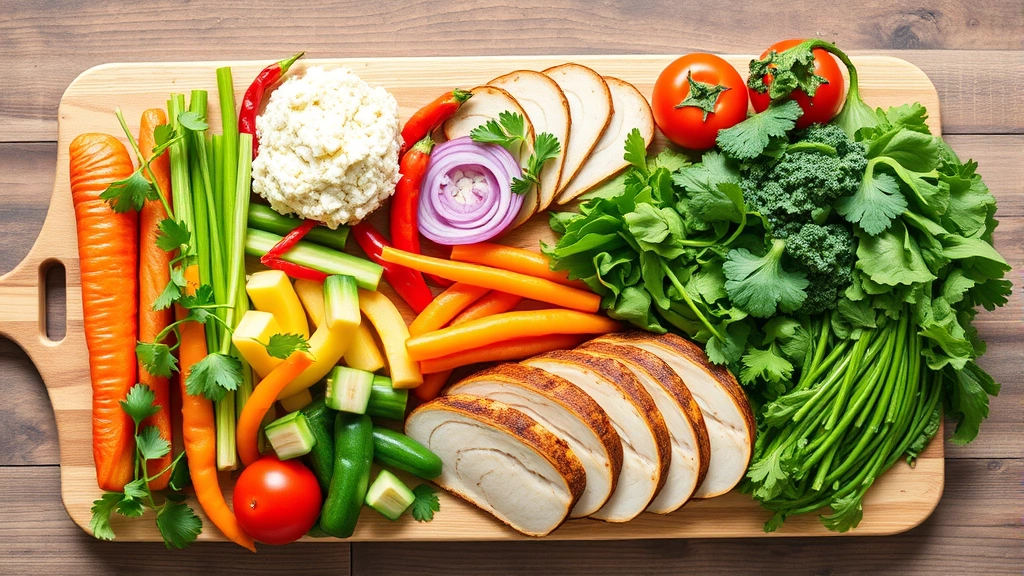
Protein plays a critical role in weight loss success. It has the highest thermic effect of any macronutrient, meaning your body burns calories digesting it. Additionally, protein promotes satiety—keeping you fuller longer—which naturally reduces overall calorie intake. The Academy of Nutrition and Dietetics recommends approximately 0.8-1.0 grams of protein per pound of body weight for individuals engaged in regular strength training.
Understanding protein intake recommendations for weight loss helps optimize your nutrition plan. Quality protein sources include lean meats, fish, eggs, Greek yogurt, legumes, and plant-based options. Rather than eliminating entire food groups, successful weight loss typically involves portion control and choosing nutrient-dense options.
Balanced nutrition includes adequate carbohydrates and healthy fats alongside protein. Carbohydrates fuel workouts and brain function, while healthy fats support hormone production and nutrient absorption. The Mediterranean diet and similar whole-food approaches have strong research support for sustainable weight management. Focus on vegetables, whole grains, lean proteins, and healthy fats rather than restrictive eating patterns.
Meal planning and preparation reduce impulsive food choices. Having healthy options readily available makes it easier to maintain your nutrition strategy consistently. This doesn’t require complicated meal prep—simple strategies like keeping cut vegetables, cooked grains, and protein sources on hand provide flexibility throughout your week.
Hydration and Metabolic Support
Water intake directly impacts weight loss success. Proper hydration supports metabolic function, reduces water retention, and helps distinguish thirst from hunger. Research shows that water intake and weight loss are closely connected, with adequate hydration supporting fat metabolism and appetite regulation.
General recommendations suggest half your body weight in ounces as a baseline, adjusted upward for exercise and climate. Drinking water before meals can reduce overall calorie intake by promoting fullness. Some evidence suggests that cold water may slightly increase metabolic rate as your body warms it, though this effect is modest.
Beyond water, limiting high-calorie beverages becomes important. Sugary drinks, alcohol, and specialty coffee beverages add significant calories without providing satiety. Replacing these with water, unsweetened tea, or black coffee preserves your caloric deficit while improving hydration status.
Consistency Over Quick Fixes
The most significant factor determining weight loss success is consistency. Sustainable approaches that you can maintain long-term outperform extreme measures that lead to burnout. Research from the CDC on healthy weight loss emphasizes that gradual weight loss of 1-2 pounds weekly is most sustainable and protects muscle mass.
Building habits gradually prevents overwhelm. Rather than overhauling your entire lifestyle immediately, implementing one or two changes—perhaps adding daily walks and increasing protein intake—allows these to become automatic before adding additional modifications. This approach has higher long-term success rates than attempting complete transformation overnight.
Learning how to maintain weight loss through effective long-term strategies ensures your efforts create lasting change. This involves transitioning from a weight loss mindset to a weight maintenance mindset, understanding that the habits supporting your progress must continue indefinitely.

Professional Guidance and Accountability
Working with qualified professionals—registered dietitian nutritionists, certified personal trainers, or physicians—provides personalized guidance based on your specific health status and goals. The Academy of Nutrition and Dietetics offers resources for finding credentialed nutrition professionals in your area.
Accountability systems significantly improve adherence. This might involve tracking progress with apps, regular check-ins with professionals, or sharing goals with supportive friends or family. Research in behavioral psychology shows that external accountability increases follow-through rates substantially. Some people benefit from fitness communities, whether in-person gym groups or online platforms.
Understanding how to lose fat without losing muscle requires knowledge that professionals can provide. They can assess your current body composition, adjust nutrition and training accordingly, and monitor progress beyond simple weight changes. This personalized approach prevents common mistakes like excessive calorie restriction or neglecting strength training.
Medical supervision becomes important if you have underlying health conditions, take medications that affect weight, or have significant weight to lose. Your healthcare provider can ensure your approach is safe and effective for your individual circumstances.
FAQ
What specific diet did Megan Thee Stallion follow for weight loss?
While Megan hasn’t publicly disclosed an exact diet plan, she’s mentioned focusing on clean eating, regular workouts, and balanced nutrition. Rather than following a celebrity’s specific diet, consulting with a registered dietitian to create a personalized plan based on your preferences and lifestyle yields better results. What works for one person may not work for another due to differences in metabolism, food preferences, and health status.
How long does it typically take to see weight loss results?
Most people notice changes within 2-4 weeks of consistent effort, though this varies based on starting point, caloric deficit size, and metabolism. Scale weight fluctuates daily due to water retention, hormones, and digestion, so tracking progress through measurements, how clothes fit, and energy levels provides more accurate feedback. Sustainable weight loss typically ranges from 1-2 pounds weekly.
Do I need to do intense workouts like celebrities to lose weight?
No. While intense training can be effective, moderate, consistent exercise produces excellent results for most people. Walking, swimming, cycling, and strength training at moderate intensity, performed regularly, create the caloric deficit necessary for weight loss. Sustainability matters more than intensity—a workout you’ll do consistently beats an extreme routine you’ll quit.
Can I lose weight without changing my diet?
While exercise contributes to weight loss, nutrition changes are typically necessary to create a meaningful caloric deficit. You’d need to exercise extensively to lose weight through activity alone. The most effective approach combines moderate caloric reduction through nutrition with regular physical activity, supporting both weight loss and overall health.
What if I hit a weight loss plateau?
Plateaus are normal as your body adapts. Strategies include varying your workout routine, slightly increasing caloric deficit, reassessing portion sizes, or increasing activity levels. Sometimes plateaus indicate you’re losing inches rather than pounds, particularly if building muscle. Consulting a professional helps determine whether adjustments are needed or if patience is appropriate.
Is intermittent fasting necessary for weight loss?
No. While some people find intermittent fasting helpful for weight loss, it’s one of many approaches. The best method is one you can sustain long-term while maintaining adequate nutrition. Traditional calorie reduction, meal timing adjustments, or intermittent fasting—all work if they help you maintain a caloric deficit consistently.


