
Melissa McCarthy’s Weight Loss Journey: Expert Insights and Evidence-Based Strategies
Melissa McCarthy’s transformation has become one of Hollywood’s most discussed weight loss stories, sparking conversations about sustainable health changes and realistic goal-setting. The acclaimed actress and comedian has been candid about her journey, emphasizing that her focus shifted from aesthetics to overall wellness and longevity. Her approach offers valuable lessons for anyone considering significant lifestyle modifications, particularly regarding the importance of professional guidance, mental health support, and evidence-based strategies.
What makes McCarthy’s journey noteworthy isn’t just the visible results, but her willingness to discuss the psychological and physical components of weight management. She’s highlighted how working with trainers, nutritionists, and medical professionals helped her develop sustainable habits rather than pursuing quick fixes. This comprehensive approach aligns with current scientific understanding of effective, long-term weight loss.
Understanding McCarthy’s Approach to Weight Loss
Melissa McCarthy has consistently stated that her weight loss wasn’t driven by external pressure or Hollywood standards, but rather by personal health goals and feeling better in her daily life. She’s discussed how her transformation became noticeable around 2017-2018, with reports suggesting she worked with personal trainers and made deliberate dietary changes. The actress emphasized that this wasn’t about achieving a specific number on the scale, but about building a healthier lifestyle she could maintain long-term.
McCarthy’s transparency about her journey is particularly valuable because she hasn’t promoted any specific diet program or supplement. Instead, she’s focused on fundamental principles: portion control, increased physical activity, and mental wellness. This approach reflects what CDC guidelines recommend for sustainable weight management—gradual changes that become permanent lifestyle shifts rather than temporary interventions.
The actress has mentioned working with trainers who emphasized functional fitness and strength building rather than just cardio. This aligns with research showing that resistance training boosts fat loss while preserving lean muscle mass. Her willingness to invest in professional support demonstrates how personalized guidance can accelerate results and prevent common pitfalls.

The Role of Professional Guidance and Medical Support
One of the most important aspects of McCarthy’s journey was her collaboration with qualified professionals. She worked with personal trainers, registered dietitians, and medical doctors who could assess her individual needs and create a customized plan. This professional approach is crucial because weight loss isn’t one-size-fits-all—factors like metabolism, underlying health conditions, medications, and personal preferences all influence what strategies will work.
Working with a registered dietitian is particularly valuable because these professionals can assess nutritional status, identify deficiencies, and ensure that weight loss doesn’t compromise health. They can also help identify patterns and triggers that influence eating behavior. The Academy of Nutrition and Dietetics maintains a database of credentialed professionals who specialize in weight management and can provide evidence-based guidance.
McCarthy’s experience also highlights the importance of medical oversight, especially for significant weight loss. Healthcare providers can monitor metabolic markers, check for nutritional deficiencies, and adjust strategies as needed. They can also assess whether underlying conditions like insulin resistance or metabolic syndrome need to be addressed as part of the weight loss plan.
Many people attempt weight loss without professional support and struggle because they lack personalized guidance. A doctor can determine your appropriate calorie deficit by calculating daily calorie needs based on your age, activity level, and metabolic rate—information that’s impossible to accurately estimate on your own.
Nutrition Strategy: Beyond Calorie Counting
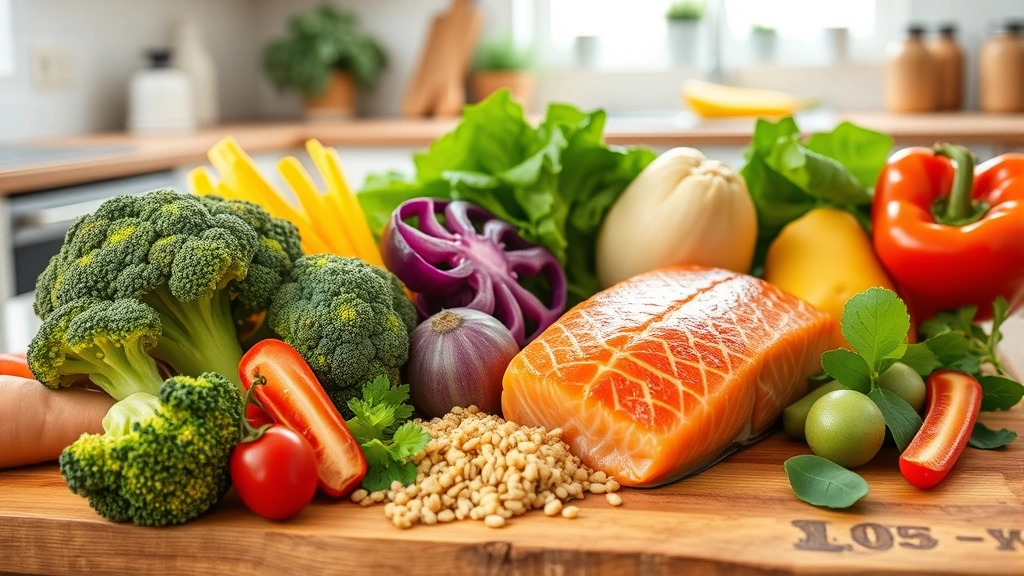
While weight loss fundamentally requires creating a calorie deficit, McCarthy’s approach suggests focusing on food quality rather than obsessive calorie tracking. She’s discussed incorporating more whole foods, reducing processed items, and being mindful of portion sizes. This strategy is supported by research showing that whole foods naturally promote satiety and provide more nutritional value per calorie.
Adequate protein intake appears to have been a component of McCarthy’s nutritional strategy. Protein is particularly important during weight loss because it helps preserve muscle mass, increases satiety, and has a higher thermic effect than carbohydrates or fats. This means your body burns more calories digesting protein, contributing to the overall deficit needed for weight loss.
Incorporating high-fiber foods is another evidence-based strategy that supports both weight loss and overall health. Fiber increases feelings of fullness, stabilizes blood sugar, and supports digestive health. Foods like vegetables, whole grains, legumes, and fruits should form the foundation of any sustainable eating plan.
McCarthy has also mentioned the importance of staying hydrated as part of weight loss efforts. Proper hydration supports metabolic function, can reduce false hunger signals, and is essential for overall health. Many people confuse thirst with hunger, leading to unnecessary calorie consumption.
The actress’s approach avoids extreme restriction, which is crucial for long-term success. Diets that eliminate entire food groups or require severe calorie restriction are difficult to maintain and often lead to rebound weight gain. Instead, sustainable approaches focus on balance, moderation, and developing healthier eating patterns that can last a lifetime.
Exercise and Physical Activity Components
McCarthy’s transformation involved consistent physical activity, with reports indicating she worked with trainers several times per week. Her exercise regimen reportedly emphasized functional strength training rather than just cardio, which is an important distinction. While both are valuable, strength training provides unique benefits for weight loss and body composition.
Resistance training builds and maintains lean muscle mass, which is metabolically active tissue. More muscle means a higher resting metabolic rate, meaning you burn more calories throughout the day even when not exercising. This is one reason why strength workouts boost fat loss more effectively than cardio alone.
The combination of strength training and cardiovascular exercise creates a comprehensive fitness approach. Cardio improves heart health, increases calorie burn during workouts, and supports overall endurance. The ideal approach combines both modalities with an emphasis on consistency and gradual progression.
McCarthy’s commitment to regular exercise demonstrates another key principle: weight loss requires ongoing physical activity, not just temporary workout spurts. People who successfully maintain weight loss typically exercise regularly for years, making it a permanent part of their lifestyle rather than a temporary intervention.
Starting an exercise program should be done gradually and with professional guidance, especially if you’re significantly overweight or have any health conditions. A trainer can teach proper form, prevent injuries, and help you progress safely. This personalized approach was clearly important to McCarthy’s success.
Mental Health and Sustainable Habits
One of the most underrated aspects of McCarthy’s weight loss journey is her emphasis on mental health and psychological wellbeing. She’s discussed how her transformation was about feeling better, having more energy, and improving her quality of life—not about meeting external standards or achieving a specific appearance.
This mindset is crucial because research shows that people who focus on health outcomes rather than appearance are more likely to maintain weight loss long-term. When your motivation is internal (feeling better, having more energy, improving health markers) rather than external (looking a certain way), you’re more resilient when progress slows or plateaus.
Sustainable weight loss also requires addressing emotional eating and developing healthier coping mechanisms. Many people use food to manage stress, boredom, or negative emotions. Breaking these patterns requires awareness, alternative coping strategies, and often professional support through counseling or therapy.
McCarthy’s journey suggests she developed sustainable habits gradually rather than making drastic overnight changes. This approach is more likely to succeed because habits built slowly tend to stick. When you change one thing at a time and let it become automatic before adding another change, you’re more likely to maintain the new behaviors permanently.
Self-compassion is another mental health component essential for weight loss success. People who are harsh with themselves when they have setbacks tend to abandon their efforts entirely. McCarthy has modeled acceptance and patience with the process, which is psychologically healthier and more conducive to long-term success.
Common Myths About Celebrity Weight Loss
Melissa McCarthy’s journey helps debunk several persistent myths about weight loss. First, there’s no magic pill or secret surgery that explains her transformation. While some celebrities have undergone weight loss surgery, McCarthy has never confirmed such procedures and her results are consistent with dedicated diet and exercise efforts.
Second, celebrity weight loss doesn’t happen quickly despite how media coverage makes it seem. Gradual weight loss—typically 1-2 pounds per week—is both healthier and more sustainable than rapid loss. McCarthy’s visible transformation likely took months or years of consistent effort, not weeks.
Third, celebrity weight loss requires the same fundamental principles as anyone else’s: creating a calorie deficit through diet and exercise. The difference is that celebrities have financial resources to hire professional trainers, nutritionists, and doctors. However, the basic science remains identical for everyone.
Another myth is that weight loss requires special programs or products. McCarthy didn’t promote any specific diet system, weight loss drug, or supplement. Her approach was straightforward: healthier eating, regular exercise, and professional guidance. This simplicity is actually more effective than complicated systems because it’s easier to maintain.
Finally, there’s a myth that weight loss is purely about willpower. In reality, successful weight loss involves changing your environment, habits, support systems, and mindset. Willpower is finite and unreliable, but systems and habits are sustainable. McCarthy’s success came from building new habits and systems, not from relying on willpower alone.
Applying These Principles to Your Own Journey
If you’re considering weight loss, McCarthy’s approach offers several actionable principles. Start by consulting with healthcare professionals—a doctor to rule out underlying conditions and a registered dietitian to develop a personalized nutrition plan. This professional foundation is invaluable.
Focus on sustainable changes rather than drastic restrictions. Identify one or two small changes you can make consistently: perhaps reducing liquid calories, adding more vegetables to meals, or starting a regular exercise routine. Let these changes become automatic before adding others.
Prioritize both nutrition and exercise. You can’t out-exercise a poor diet, but you also can’t achieve optimal results through diet alone. The combination of healthier eating and regular physical activity is most effective. Include both strength training and cardiovascular exercise in your routine.
Address the mental and emotional aspects of weight management. Identify triggers for unhealthy eating, develop alternative coping strategies, and work on self-compassion. If emotional eating is significant, consider working with a therapist or counselor specializing in eating behaviors.
Track progress through multiple metrics, not just the scale. Weight loss can be non-linear due to water retention, muscle gain, and hormonal fluctuations. Monitor how clothes fit, energy levels, strength improvements, and health markers like blood pressure and cholesterol. These often change before the scale moves significantly.
Find accountability and support. This might be a healthcare provider, trainer, friends, family, or online community. Having people invested in your success increases the likelihood of follow-through, as McCarthy clearly benefited from her professional team.
Be patient with the process. Sustainable weight loss typically occurs at 1-2 pounds per week. This seems slow, but it’s achievable and maintainable. Faster weight loss often leads to muscle loss, nutritional deficiencies, and rebound weight gain.
FAQ
How much weight did Melissa McCarthy lose?
While exact figures vary in reports, McCarthy is estimated to have lost approximately 75-80 pounds over several years. However, she hasn’t focused on publicizing specific numbers, emphasizing instead that the exact amount matters less than the health improvements and lifestyle changes achieved.
What diet did Melissa McCarthy follow?
McCarthy hasn’t promoted any specific commercial diet program. Her approach involved working with a registered dietitian to develop a personalized nutrition plan emphasizing whole foods, appropriate portions, and balanced macronutrients rather than restrictive dieting.
Did Melissa McCarthy have weight loss surgery?
McCarthy has never confirmed undergoing weight loss surgery. Her results are consistent with dedication to diet and exercise. While some individuals benefit from bariatric surgery, McCarthy’s approach appears to have been lifestyle-based.
How long did Melissa McCarthy’s weight loss take?
Her visible transformation became apparent over several years, beginning around 2015-2017 and becoming increasingly noticeable by 2018. This timeline reflects sustainable, gradual weight loss rather than rapid transformation.
Can I achieve similar results to Melissa McCarthy?
While individual results vary based on starting point, genetics, and other factors, the principles McCarthy employed—professional guidance, consistent exercise, balanced nutrition, and mental health focus—are effective for most people. Working with qualified professionals can help you achieve sustainable results.
What’s the most important lesson from McCarthy’s journey?
The most important lesson is that sustainable weight loss requires a comprehensive approach addressing nutrition, exercise, mental health, and professional support. It’s not about quick fixes or extreme measures, but about building healthy habits that last a lifetime.


