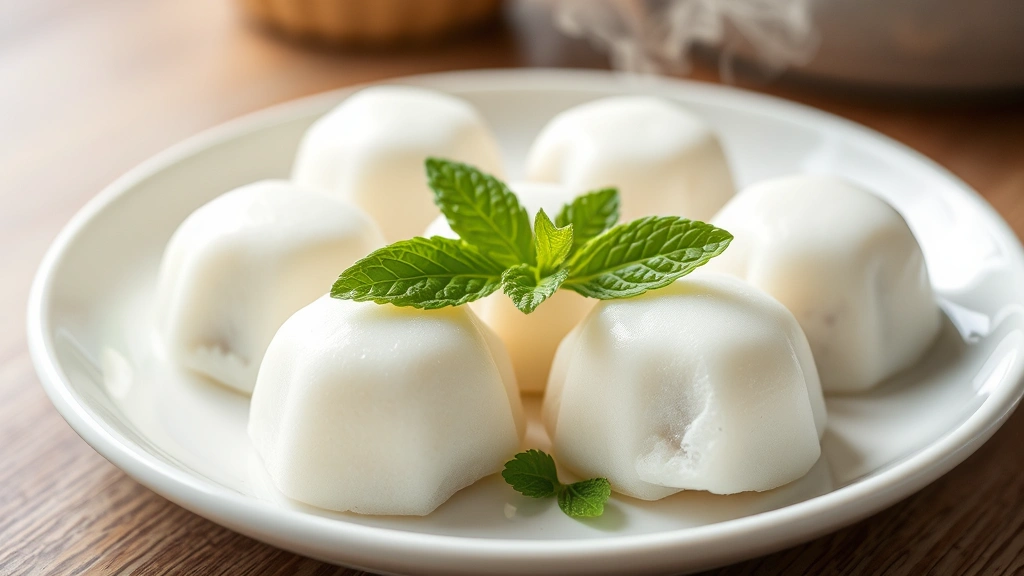
Mochi for Weight Loss? What Nutritionists Really Say
Mochi has become increasingly popular in Western diets, but can this chewy Japanese treat actually support weight loss goals? As a registered dietitian nutritionist, I’m often asked whether mochi fits into a healthy weight loss plan. The answer is nuanced—mochi can be part of a balanced approach, but understanding its nutritional profile is essential before making it a dietary staple.
This comprehensive review examines mochi’s caloric density, macronutrient composition, and how it compares to other snack options. We’ll also explore whether certain mochi varieties are better choices for weight management, and how to incorporate them strategically into your eating plan without derailing progress.
Mochi Nutritional Breakdown
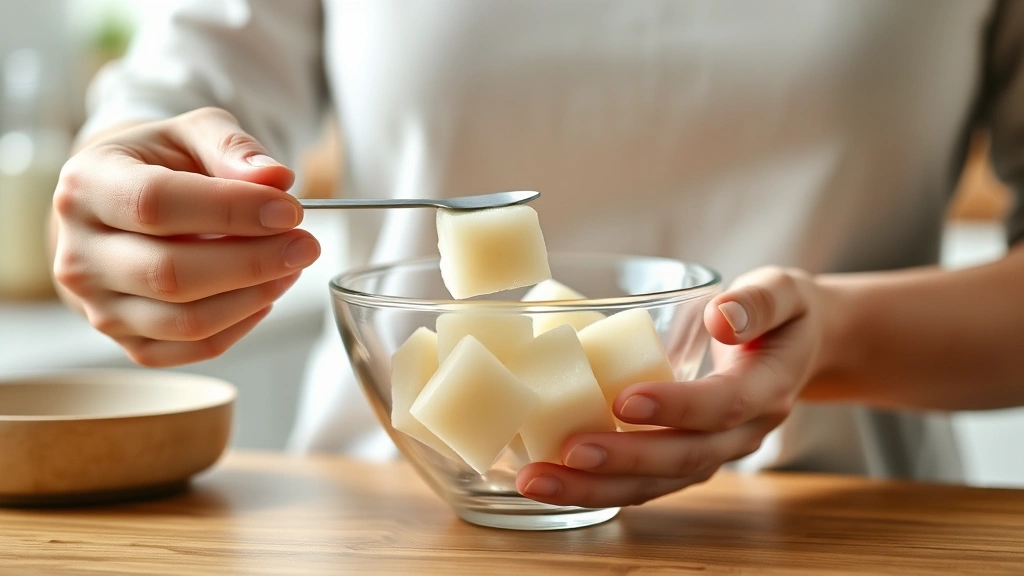
Traditional mochi is made from glutinous rice flour, water, and sometimes cornstarch. A typical serving of plain mochi (about 1 ounce or 28 grams) contains approximately 94 calories, 20 grams of carbohydrates, less than 1 gram of fat, and minimal protein. However, most commercially available mochi products are filled with ingredients that significantly alter these numbers.
Ice cream mochi—the most popular variety in Western markets—contains 100-120 calories per piece, with 15-18 grams of carbohydrates and 4-6 grams of fat from the ice cream filling. Fruit-flavored mochi varieties often include added sugars, pushing the carbohydrate content higher. Understanding what type of mochi you’re consuming is crucial for accurate calorie and nutrient tracking.
The macronutrient profile of mochi presents a challenge for weight loss: it’s predominantly carbohydrate-based with minimal protein and fiber. Protein is particularly important during weight loss because it promotes satiety, preserves lean muscle mass, and has a higher thermic effect than carbohydrates. When you’re restricting calories, getting enough protein becomes even more critical.
Calorie Density and Portion Control
One of the primary concerns nutritionists have about mochi relates to its calorie density relative to portion size. The chewy texture and small serving size can make it deceptively easy to consume multiple pieces without realizing the cumulative calorie intake. One mochi ball might seem insignificant, but eating three to four pieces quickly adds 300-400 calories—a substantial portion of many weight loss diet plans.
Research from the CDC on nutrition and healthy eating emphasizes the importance of portion awareness for weight management. Foods with high calorie density in small portions require conscious portion control strategies. Mochi definitely falls into this category.
The satisfaction factor is another consideration. Because mochi is primarily carbohydrate-based and lacks significant protein or fiber, it doesn’t trigger the same satiety signals as more nutrient-dense foods. You might eat several mochi pieces and still feel hungry shortly afterward, leading to additional calorie consumption. This is particularly problematic when trying to maintain a caloric deficit for weight loss.
How Mochi Impacts Weight Loss
Can mochi support weight loss? Technically, yes—if it’s incorporated into an overall caloric deficit. Weight loss fundamentally depends on consuming fewer calories than you expend. However, mochi makes this goal harder to achieve due to its nutrient composition and low satiety value.
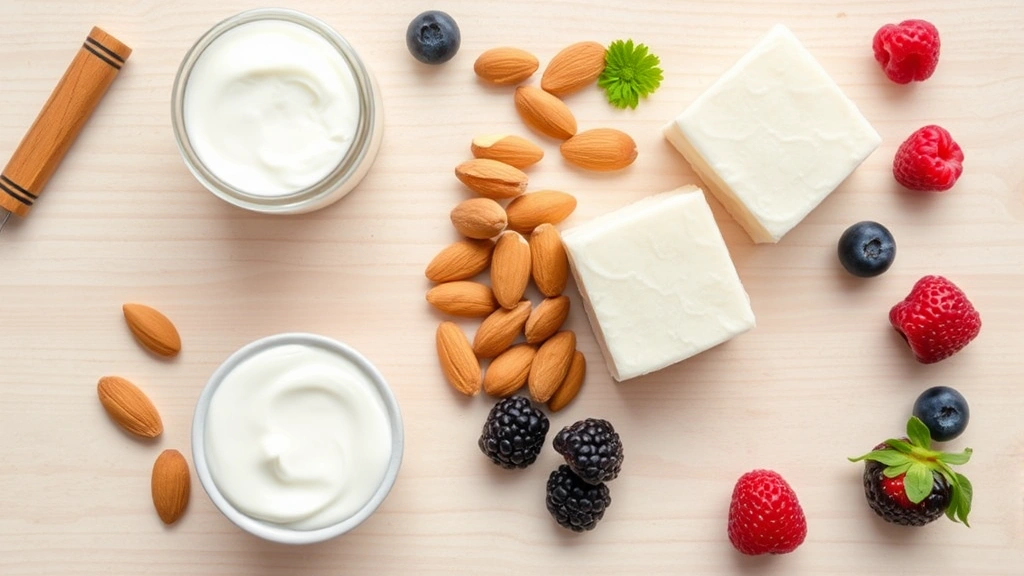
Studies on food satisfaction and weight loss show that foods high in protein and fiber promote greater feelings of fullness with fewer calories. Mochi offers neither advantage. A 100-calorie serving of mochi will leave you hungrier than a 100-calorie serving of Greek yogurt, almonds, or vegetables with hummus.
If you’re considering oral semaglutide for weight loss in non-diabetics or following any structured weight loss program, mochi should be approached cautiously. Medications that enhance satiety work best when paired with foods that naturally support fullness—which mochi does not.
The glycemic impact of mochi is also relevant. Regular mochi has a relatively high glycemic index, meaning it causes rapid blood sugar spikes. This can trigger insulin release and subsequent blood sugar crashes that increase hunger and cravings. For individuals with insulin sensitivity concerns or those managing blood sugar, mochi may interfere with weight loss efforts.
Mochi vs. Other Snacks
Let’s compare mochi to alternative snacks with similar calorie counts to illustrate why nutritionists often recommend other options:
- One ice cream mochi (110 calories): 27g carbs, 4g fat, 1g protein, minimal fiber. Leaves you hungry within 30 minutes.
- One medium apple with 1 tablespoon almond butter (110 calories): 15g carbs, 5g fat, 4g protein, 3g fiber. Provides sustained satiety for 1-2 hours.
- One cup plain Greek yogurt (100 calories): 7g carbs, 0g fat, 17g protein, 0g fiber. Excellent satiety and protein for muscle preservation.
- 1 ounce almonds (165 calories): 6g carbs, 14g fat, 6g protein, 3.5g fiber. High satiety despite higher calories.
When you’re trying to lose weight, choosing foods that maximize satiety per calorie is a fundamental strategy. While these alternatives might seem less exciting than mochi, they’re significantly more effective for supporting your weight loss goals.
For those interested in comprehensive beverage strategies, exploring best drinks for weight loss alongside snack choices creates a more complete approach. Similarly, considering weight loss protein shakes as meal components can help meet protein targets that mochi alone cannot provide.
Making Smarter Mochi Choices
If you genuinely enjoy mochi and want to include it in your weight loss journey, here are evidence-based strategies to minimize its impact:
Choose Plain Mochi Over Filled Varieties
Plain mochi contains fewer calories and less added sugar than ice cream mochi or fruit-filled versions. If you eat plain mochi, you have more control over what you pair it with. You might enjoy plain mochi with a small portion of fresh berries rather than pre-filled mochi that already contains sugar and fat.
Practice Portion Pre-Planning
Don’t eat mochi directly from the package. Instead, portion out a specific serving (typically one piece) into a small bowl. This prevents mindless overeating and helps you stay accountable to your calorie targets. The act of consciously plating your food also increases satisfaction.
Pair with Protein
If you include mochi in your diet, always pair it with a protein source. Eat one mochi piece with a handful of nuts, a string cheese, or some Greek yogurt. This combination improves satiety and slows carbohydrate absorption, moderating blood sugar impact.
Time Your Consumption
Enjoy mochi earlier in the day rather than late evening when hunger signals are less reliable. Eating mochi as part of a structured meal rather than as a standalone snack helps prevent overconsumption. The additional food volume and nutrients in a meal context provide better satiety than mochi alone.
Account for Total Carbohydrate Intake
If you’re following a moderate or lower-carbohydrate approach to weight loss, mochi’s 20+ grams of carbs per serving significantly impacts your daily totals. Ensure mochi fits within your macronutrient targets rather than pushing you over your carbohydrate goals.
Strategies for Including Mochi Without Derailing Progress
Weight loss success doesn’t require complete elimination of foods you enjoy. Instead, it requires strategic inclusion and honest assessment of whether those foods support your goals. Here’s how nutritionists approach mochi with weight-conscious clients:
The 80/20 Approach
Make approximately 80% of your food choices nutrient-dense, satiating foods that support weight loss. These include lean proteins, vegetables, whole grains, legumes, and healthy fats. The remaining 20% can include foods like mochi that you enjoy but that aren’t optimally designed for weight loss. This framework prevents feelings of deprivation while maintaining progress.
Weekly Budgeting
Rather than restricting mochi daily, consider a weekly approach. If you really want mochi, plan for it once or twice weekly as part of your overall calorie and macronutrient budget. This prevents daily temptation while allowing flexibility and enjoyment.
Substitution Strategy
When cravings for mochi strike, ask yourself: am I truly wanting mochi, or do I want something sweet, chewy, or comforting? Often, other foods can satisfy the underlying craving. Weight loss motivation quotes remind us that small choices accumulate, and choosing alternatives 90% of the time creates significant cumulative impact.
Activity-Based Inclusion
If you maintain a consistent exercise routine, particularly bike riding for weight loss or other cardio, you create additional calorie deficit that provides more flexibility for occasional mochi consumption. However, don’t use exercise as justification to regularly overconsume mochi—the math rarely works in your favor.
Behavioral Awareness
Observe your personal response to mochi. Some people can eat one piece and feel satisfied. Others find that eating mochi triggers cravings for additional sweets throughout the day. If you’re in the latter category, complete avoidance might be more effective than attempted moderation. This is individual and worth honest self-assessment.
For those pursuing significant weight loss milestones, like 30 pound weight loss, every food choice compounds over time. Choosing satisfying, nutrient-dense alternatives to mochi most of the time creates the consistency necessary for substantial results.
Nutritional Enhancement
If you include mochi in your diet, ensure the rest of your eating plan contains adequate protein. Consider incorporating weight loss protein shakes or other high-protein foods to compensate for mochi’s protein deficiency. This approach maintains muscle mass and supports satiety despite mochi’s limitations.
FAQ
Is mochi considered healthy for weight loss?
Mochi is not an ideal weight loss food due to its high calorie density, low protein content, low fiber, and minimal satiety value. However, it can be included occasionally within a structured calorie deficit. The key is understanding its limitations and accounting for it within your overall nutrition plan rather than viewing it as a health food.
How many calories are in different types of mochi?
Plain mochi (1 ounce): approximately 94 calories. Ice cream mochi: 100-120 calories per piece. Fruit-filled mochi: 90-130 calories depending on filling. Homemade mochi can vary significantly based on ingredients. Always check labels for specific products as formulations differ.
Can I eat mochi every day and still lose weight?
Technically, yes, if daily mochi consumption fits within your calorie deficit. However, nutritionists don’t recommend this approach because daily mochi makes meeting protein targets more difficult and can trigger cravings in many people. Reserve mochi for occasional consumption—perhaps once or twice weekly—rather than daily inclusion.
What’s the best time to eat mochi for weight loss?
Early to midday is preferable to late evening. Eating mochi as part of a balanced meal with protein and fiber is better than consuming it as a standalone snack. Avoid eating mochi when you’re already in a caloric surplus for the day, as it makes returning to deficit more difficult.
Are there weight loss-friendly alternatives to mochi?
Yes, many alternatives provide similar satisfaction with better nutritional profiles. Consider fresh fruit with nut butter, Greek yogurt with berries, protein-based desserts, or whole grain snacks paired with protein. These options provide greater satiety and nutrient density than mochi while supporting weight loss more effectively.
Does mochi affect blood sugar and weight loss?
Mochi has a relatively high glycemic index, causing blood sugar spikes followed by crashes that can increase hunger. This blood sugar dysregulation can interfere with weight loss by triggering cravings and overeating. For individuals sensitive to blood sugar fluctuations, avoiding mochi is often more effective than attempting portion control.
Should I avoid mochi completely for weight loss?
Complete avoidance isn’t necessary unless you find that eating mochi triggers excessive cravings or eating behaviors. For those who can enjoy mochi in moderation without derailing their plan, occasional consumption within a structured approach is acceptable. The most sustainable weight loss approach includes foods you enjoy, eaten strategically.


