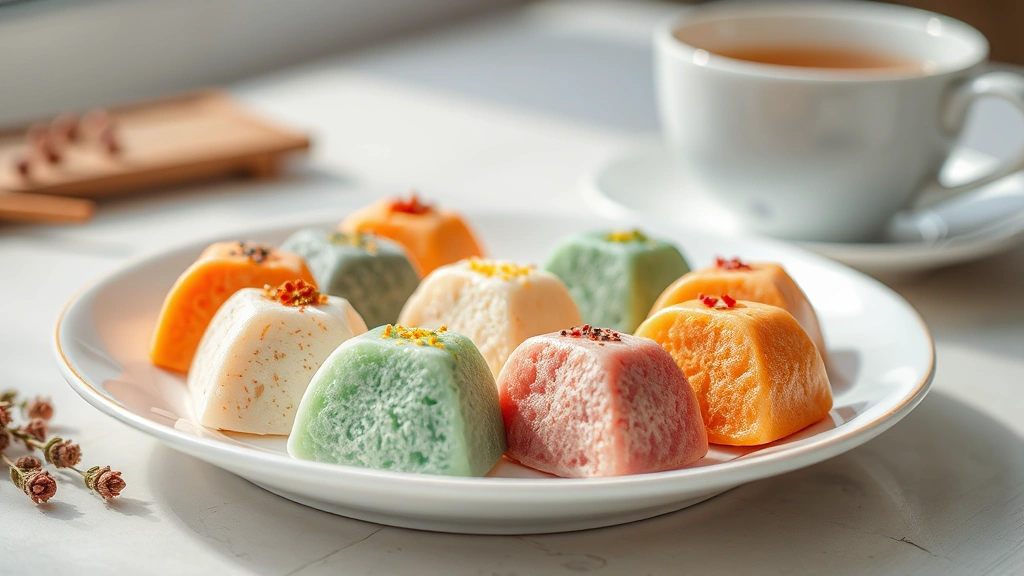
Mochi for Weight Loss? Expert Reviews & Insights
Mochi has become increasingly popular in Western diets, appearing in smoothie bowls, desserts, and even as a trendy snack option. But can this chewy Japanese treat actually support your weight loss goals, or is it just another calorie-dense indulgence? We’ve consulted nutrition science and expert opinions to give you the truth about mochi and whether it deserves a place in your weight management strategy.
Understanding mochi’s nutritional profile is essential before incorporating it into a calorie-controlled diet. Made from glutinous rice flour and water, mochi is traditionally a staple in Japanese cuisine, but modern variations—especially those sold in Western markets—often contain added sugars and fillings that dramatically increase their caloric content. This comprehensive guide breaks down what research says about mochi, how it compares to other snack options, and whether it can fit into an effective weight loss plan.
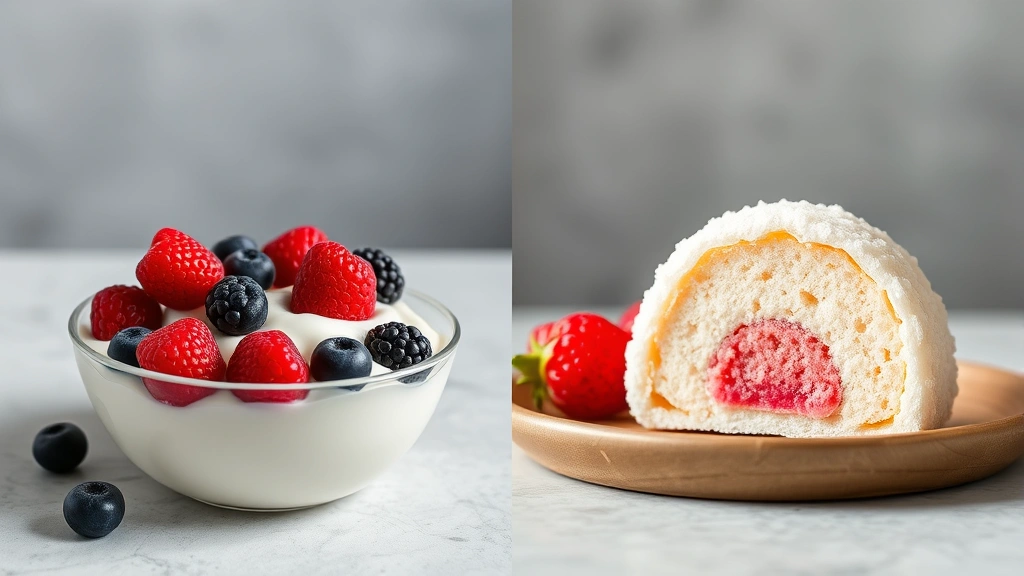
What Is Mochi and Its Basic Nutrition
Mochi is a traditional Japanese rice cake made from mochigome (glutinous rice), water, and sometimes cornstarch or potato starch. The rice is pounded into a smooth, sticky paste and shaped into small rounds or squares. In Japan, mochi has been consumed for centuries as a celebration food, particularly during New Year festivities. However, the modern mochi available in Western supermarkets often differs significantly from traditional versions.
A typical serving of plain mochi (about one piece, roughly 30-50 grams) contains approximately 90-130 calories, with most of those calories coming from carbohydrates. The macronutrient breakdown generally looks like this: 20-30 grams of carbohydrates, 0-2 grams of protein, and minimal fat. This composition is important when evaluating mochi’s role in weight loss, as it’s essentially a refined carbohydrate source with very little nutritional density or satiety factor.
The problem intensifies when you examine flavored or filled mochi varieties. Ice cream mochi, for instance, can contain 150-200 calories per piece due to the added ice cream center. Mochi with sweetened red bean filling, matcha-flavored mochi, or versions with chocolate coatings push calorie counts even higher. Reading labels carefully is crucial because marketing often emphasizes the “natural” or “traditional” aspects while downplaying added sugars and calories.

Calorie Content and Weight Loss Compatibility
Weight loss fundamentally requires a caloric deficit, meaning you consume fewer calories than you burn. This is supported by extensive research from obesity medicine organizations and clinical nutrition studies. When evaluating mochi through this lens, the verdict becomes clearer: plain mochi can technically fit into a weight loss diet, but it’s not an ideal choice for several reasons.
One piece of plain mochi contains roughly 100 calories but provides minimal satiety. This means you’re consuming calories without the fullness signal that helps prevent overeating. In contrast, best weight loss shakes are specifically formulated to provide satiety hormones and protein that keep you satisfied longer. With mochi, you can easily consume multiple pieces without feeling significantly fuller, leading to calorie overage.
Research from the Academy of Nutrition and Dietetics emphasizes that successful weight loss depends on choosing foods that maximize satiety per calorie. Mochi scores poorly on this metric. A weight loss smoothie with protein powder, for example, provides similar or fewer calories but with 20-30 grams of protein, which significantly increases satiety and helps preserve muscle mass during weight loss.
For individuals following specific dietary approaches, mochi presents challenges. If you’re pursuing a weight loss on keto diet approach, mochi is incompatible due to its high carbohydrate content. Even moderate-carbohydrate diets benefit from carbs that provide fiber and micronutrients, which mochi lacks.
Glycemic Index and Blood Sugar Impact
Mochi has a surprisingly high glycemic index (GI), typically ranging from 80-110 depending on the variety. This means it causes rapid spikes in blood glucose levels, similar to white bread or sugar. For weight loss, high-GI foods are problematic for several reasons:
- Rapid blood sugar spikes trigger large insulin responses, which can promote fat storage
- Quick energy crashes lead to increased hunger and cravings within hours
- Unstable blood sugar makes adherence to calorie restriction more difficult
- Increased appetite hormones like ghrelin are stimulated after the inevitable blood sugar drop
Clinical research from the American Diabetes Association demonstrates that low-GI foods support more stable energy levels and easier weight management. Mochi’s high GI means it doesn’t provide the sustained energy needed for consistent weight loss efforts. If you consume mochi, pair it with protein or healthy fat to slow carbohydrate absorption, though this adds calories.
The glycemic load of mochi is also relevant. While a single piece might have a moderate glycemic load, the ease of consuming multiple pieces means many people inadvertently consume large amounts, significantly impacting blood sugar throughout the day.
Mochi vs. Other Snack Alternatives
When evaluating mochi for weight loss, comparing it to alternative snacks provides helpful context. Here’s how mochi stacks up:
Mochi vs. Greek Yogurt: A 100-calorie serving of plain mochi contains virtually no protein and minimal satiety. The same calories from Greek yogurt provide 15-20 grams of protein, significantly greater fullness, and beneficial probiotics. Greek yogurt is objectively superior for weight loss goals.
Mochi vs. Nuts: While nuts are calorie-dense (about 160 calories per ounce), they provide healthy fats, protein, and fiber that create substantial satiety. A 100-calorie serving of almonds or walnuts keeps you satisfied far longer than mochi, making nuts a better choice despite similar calories.
Mochi vs. Fruit: An apple or orange provides 80-100 calories with fiber, water, vitamins, and minerals—all contributing to satiety and nutritional value. Mochi provides none of these benefits.
For those interested in meal replacement shakes for weight loss, these are substantially more beneficial than mochi as snacks or meal components because they’re engineered to provide complete nutrition, protein, and satiety factors.
Expert Opinions on Mochi for Weight Management
Registered dietitians and obesity medicine specialists generally agree on mochi’s role in weight loss: it’s not recommended as a primary snack choice. However, opinions vary slightly based on individual circumstances:
Registered Dietitian Consensus: The Academy of Nutrition and Dietetics advises that successful weight loss involves choosing nutrient-dense foods that support satiety. Mochi, being primarily refined carbohydrates, doesn’t meet these criteria. Most registered dietitians recommend plain mochi be limited to occasional treats rather than regular snacks.
Obesity Medicine Perspective: Specialists in obesity medicine, affiliated with organizations like the American Society of Bariatric Physicians, note that mochi’s lack of protein and high glycemic impact makes it counterproductive for weight loss. The rapid blood sugar spike followed by energy crash actively works against weight management by increasing hunger signals.
Nuanced Approaches: Some experts acknowledge that very small portions of mochi (one piece, roughly 100 calories) can fit into a balanced diet if the overall caloric intake remains in a deficit. However, they emphasize that mochi should never be considered a “weight loss food” and is best avoided by those struggling with portion control or food cravings.
The consensus is clear: if you’re serious about weight loss, resources like how long does it take to notice weight loss guides emphasize choosing foods that maximize your calorie deficit while maintaining satiety and nutrition—mochi doesn’t accomplish this.
How to Include Mochi in a Weight Loss Diet
If you enjoy mochi and want to include it in your weight loss journey, certain strategies can minimize its negative impact:
Choose Plain Over Filled: Opt for plain mochi rather than ice cream-filled or sweetened varieties. A plain mochi piece at 100 calories is preferable to filled versions at 150-250 calories.
Pair with Protein: If eating mochi, combine it with a protein source. For example, eat one mochi piece with a handful of nuts or Greek yogurt. The protein slows carbohydrate absorption, reduces the glycemic spike, and increases overall satiety.
Strict Portion Control: Limit yourself to one piece and remove the rest from your immediate environment. The ease of eating multiple pieces means portion control is essential.
Use as an Occasional Treat: Rather than a regular snack, treat mochi as an occasional indulgence. Save it for special occasions or weekly treats, not daily consumption.
Account for Calories: Always include mochi in your daily calorie count. Many people underestimate mochi calories because the pieces seem small, leading to unintentional overeating.
Avoid Trigger Situations: If mochi triggers cravings or overeating, avoid keeping it at home. Some people find that one piece leads to consuming an entire package, making avoidance the best strategy.
Real User Reviews and Experiences
Analyzing real user experiences provides practical insights beyond clinical recommendations. Reviews from weight loss communities and forums reveal diverse experiences with mochi:
Negative Experiences: Many users report that mochi doesn’t satisfy hunger despite its calories. Common feedback includes: “I ate three pieces and was still hungry,” “It caused sugar cravings later,” and “I didn’t realize how many calories I was consuming.” These experiences align with the scientific understanding of mochi’s low satiety index and high glycemic impact.
Portion Control Struggles: Numerous users mention difficulty stopping at one piece. The small size and pleasant taste make it easy to consume multiple pieces without noticing, leading to calorie overage. This is particularly problematic for individuals with a history of binge eating or food addiction.
Success Stories (With Caveats): Some users report successfully including mochi in weight loss by treating it strictly as an occasional treat and pairing it with protein. However, these successes typically come from individuals who have strong portion control and don’t experience cravings triggered by mochi.
Blood Sugar and Energy Impact: Numerous reviews mention energy crashes after eating mochi, leading to increased hunger and fatigue. Users report this makes subsequent calorie restriction more difficult, ultimately hindering weight loss progress.
Comparison to Other Snacks: Users who switched from mochi to alternatives like Greek yogurt, nuts, or protein bars report feeling fuller longer and finding weight loss easier. This real-world feedback supports the scientific literature.
FAQ
Is mochi actually good for weight loss?
No, mochi is not recommended for weight loss. While plain mochi at 100 calories per piece can technically fit in a calorie deficit, it lacks protein, fiber, and satiety factors that make weight loss sustainable. Its high glycemic index causes blood sugar spikes and subsequent energy crashes that increase hunger, making calorie restriction more difficult. There are far better snack options for weight loss goals.
How many calories are in mochi?
Plain mochi typically contains 90-130 calories per piece (30-50 grams). However, filled varieties are much higher: ice cream mochi contains 150-200 calories, and chocolate-covered or sweetened versions can exceed 250 calories per piece. Always check nutrition labels, as modern mochi varieties vary significantly.
Can I eat mochi on a diet?
Technically, small amounts of mochi can fit into a calorie-restricted diet if accounted for in your daily intake. However, it’s not ideal because it provides no satiety benefit. If you include mochi, limit it to one piece occasionally, pair it with protein to slow carbohydrate absorption, and ensure it fits within your calorie goals. Many people find avoiding mochi entirely makes weight loss easier.
Does mochi cause weight gain?
Mochi itself doesn’t cause weight gain, but overeating mochi contributes to weight gain like any calorie surplus. The problem is that mochi’s lack of satiety makes overeating easy. Many people consume multiple pieces without realizing the calorie total, leading to unintentional calorie excess. This makes mochi particularly problematic for weight gain risk.
What’s a better snack than mochi for weight loss?
Superior alternatives include: Greek yogurt (high protein, high satiety), nuts (healthy fats, protein, satiety), fruit (fiber, water, nutrients), cheese (protein, satiety), or hard-boiled eggs (complete protein). For more substantial options, best weight loss shakes provide engineered nutrition specifically designed to support weight loss with optimal satiety per calorie.
Is mochi gluten-free?
Most traditional mochi made from glutinous rice is naturally gluten-free, though some commercial varieties may contain gluten from added ingredients or cross-contamination during processing. Always check labels if you follow a gluten-free diet. However, being gluten-free doesn’t make mochi beneficial for weight loss.
How does mochi compare to other Asian snacks for weight loss?
Many traditional Asian snacks have similar issues to mochi—they’re often high in refined carbohydrates and added sugars with minimal protein or fiber. However, some options like edamame (protein-rich) or seaweed snacks (low-calorie, nutrient-dense) are superior choices for weight loss. When selecting any snack, prioritize protein, fiber, and satiety over tradition or novelty.


