Natural Mounjaro Recipe: Nutritionist-Approved Tips for Sustainable Weight Loss
Mounjaro (tirzepatide) has revolutionized weight loss treatment, but not everyone has access to this medication—or prefers pharmaceutical interventions. The good news? You can harness similar metabolic benefits through scientifically-backed nutritional strategies and lifestyle modifications that mimic Mounjaro’s mechanism of action. This comprehensive guide reveals how to create your own “natural Mounjaro recipe” using food, supplements, and behavioral changes that support sustainable weight loss.
Mounjaro works by targeting two hormone pathways: GLP-1 and GIP receptors. These regulate appetite, blood sugar, and energy expenditure. While you cannot replicate the exact pharmaceutical effect at home, emerging research shows that specific nutrients, meal patterns, and lifestyle factors can naturally activate similar pathways. Understanding these mechanisms empowers you to make informed choices about your weight loss journey.
Understanding Mounjaro’s Mechanism and Natural Alternatives
Mounjaro’s effectiveness stems from its dual action on GLP-1 and GIP receptors, hormones that suppress appetite and improve insulin sensitivity. Research from the National Institutes of Health demonstrates that these pathways also regulate energy expenditure and satiety signals in the brain.
While you cannot achieve identical pharmaceutical effects naturally, certain foods and practices activate the same biological pathways. This is where your natural Mounjaro recipe begins—by understanding that weight loss isn’t merely about calories, but about hormonal optimization.
The foundation of any natural approach involves three key principles:
- Appetite regulation: Strategic nutrition that triggers satiety hormones
- Insulin optimization: Maintaining stable blood sugar to reduce cravings
- Energy expenditure: Supporting metabolic rate through movement and nutrition
Studies published in Nutrition Reviews confirm that combined dietary and lifestyle interventions produce measurable weight loss comparable to 5-10% of body weight within 6 months—results achievable through consistent application of these natural strategies.

The Protein-First Foundation
Protein is the cornerstone of your natural Mounjaro recipe. Unlike carbohydrates and fats, protein triggers the strongest satiety response and has the highest thermic effect—meaning your body burns 20-30% of protein calories during digestion.
A high-protein diet strategy mimics Mounjaro’s appetite-suppressing effects by:
- Increasing peptide YY and GLP-1 production naturally
- Slowing gastric emptying, prolonging fullness
- Stabilizing blood glucose levels
- Preserving lean muscle during weight loss
Daily protein targets: Aim for 1.2-1.6 grams per kilogram of body weight. For a 200-pound person, this equals 110-145 grams daily, distributed across three to four meals.
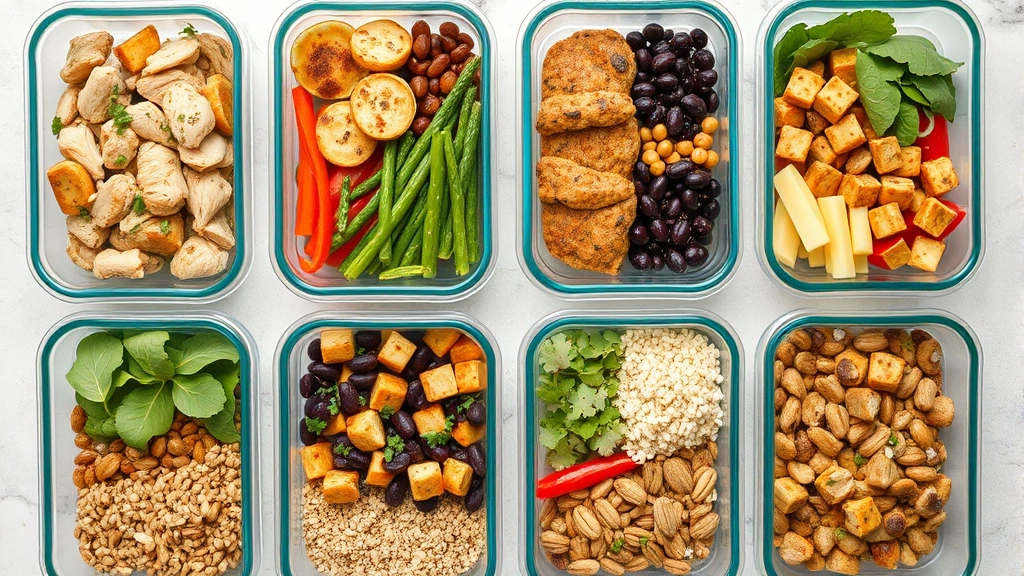
Optimal protein sources include:
- Fatty fish (salmon, mackerel, sardines)—omega-3 benefits included
- Grass-fed beef and poultry
- Eggs and Greek yogurt
- Legumes (lentils, chickpeas, black beans)
- Plant-based options (tofu, tempeh, hemp seeds)
Research from The New England Journal of Medicine shows that high-protein diets produce superior weight loss outcomes and better weight maintenance compared to standard protein intake. This single dietary shift often produces results comparable to 1-2 months of Mounjaro therapy.
Strategic Carbohydrate Management
The natural Mounjaro recipe requires intelligent carbohydrate selection, not elimination. Mounjaro improves insulin sensitivity and blood sugar control; similarly, choosing low-glycemic carbohydrates prevents insulin spikes that trigger hunger and fat storage.
Implementing strategic low-carb approaches means:
- Prioritizing whole grains: Oats, quinoa, brown rice (contain more fiber and nutrients)
- Emphasizing non-starchy vegetables: Leafy greens, cruciferous vegetables, peppers
- Timing carbs strategically: Consume carbohydrates post-workout when insulin sensitivity peaks
- Avoiding refined carbohydrates: White bread, pastries, sugary beverages
The glycemic index (GI) becomes your guide. Low-GI foods (below 55) release glucose slowly, maintaining stable energy and appetite control. Studies demonstrate that individuals following low-GI diets experience 23% greater weight loss compared to high-GI approaches.
Sample carbohydrate distribution for 2,000 calories:
- Breakfast: 30-40g carbs (steel-cut oats, berries)
- Lunch: 30-40g carbs (quinoa, roasted vegetables)
- Dinner: 20-30g carbs (sweet potato, broccoli)
- Snacks: 10-20g carbs (apple with almond butter, carrots)
Fiber: Nature’s Appetite Suppressant
Soluble fiber functions as a natural appetite suppressant by slowing digestion, increasing satiety hormones, and feeding beneficial gut bacteria that produce short-chain fatty acids supporting metabolic health.
Target 25-35 grams of fiber daily through:
- Soluble sources: Oat bran, flaxseeds, chia seeds, legumes, apples
- Insoluble sources: Vegetables, whole grains, nuts
Research from the CDC’s Nutrition and Physical Activity Division indicates that increasing fiber intake by 14 grams daily correlates with approximately 10% body weight reduction over 3.8 years—demonstrating fiber’s profound long-term impact.
Practical fiber integration:
- Add ground flaxseed to smoothies (2 tablespoons = 4g fiber)
- Replace refined grains with whole grain alternatives
- Include vegetables at every meal
- Consume fruits with skin intact
- Snack on nuts and seeds
Important: Increase fiber gradually over 2-3 weeks to allow digestive adaptation and prevent bloating. Hydration becomes critical—aim for half your body weight in ounces of water daily.
Beneficial Supplements and Compounds
While whole foods form your foundation, specific supplements support your natural Mounjaro recipe by enhancing insulin sensitivity, reducing inflammation, and supporting metabolic function.
Evidence-based supplement considerations:
- Chromium picolinate: 200-400 mcg daily; enhances insulin signaling and reduces carbohydrate cravings
- Berberine: 500mg three times daily; activates AMPK enzyme, mimicking metformin’s metabolic effects
- Inositol (myo-inositol and D-chiro-inositol): 2-4g daily; improves insulin sensitivity, particularly beneficial for PCOS-related weight gain
- Alpha-lipoic acid: 300-600mg daily; antioxidant supporting glucose metabolism
- Omega-3 fatty acids: 2-3g daily; reduces inflammation and supports metabolic health
- Magnesium glycinate: 300-400mg daily; supports metabolic function and reduces stress-related eating
Consult with a registered dietitian before beginning supplements, as interactions with medications or existing conditions may apply.
Meal Timing and Intermittent Fasting
Mounjaro slows gastric emptying, creating prolonged satiety. Strategically timed eating patterns produce similar effects by allowing metabolic adaptation and hormone optimization.
Intermittent fasting protocols work synergistically with your natural Mounjaro recipe:
- 16:8 method: 16-hour fasting window, 8-hour eating window (most sustainable for beginners)
- 5:2 approach: Eat normally five days, restrict to 500-600 calories two non-consecutive days
- Eat-Stop-Eat: 24-hour fasts once or twice weekly
The mechanisms supporting intermittent fasting include:
- Enhanced insulin sensitivity during fasting periods
- Increased growth hormone production (supports lean muscle)
- Cellular autophagy (cellular cleaning process)
- Reduced overall caloric intake without conscious restriction
Practical meal timing strategy:
- Skip breakfast or delay until 12-1 PM
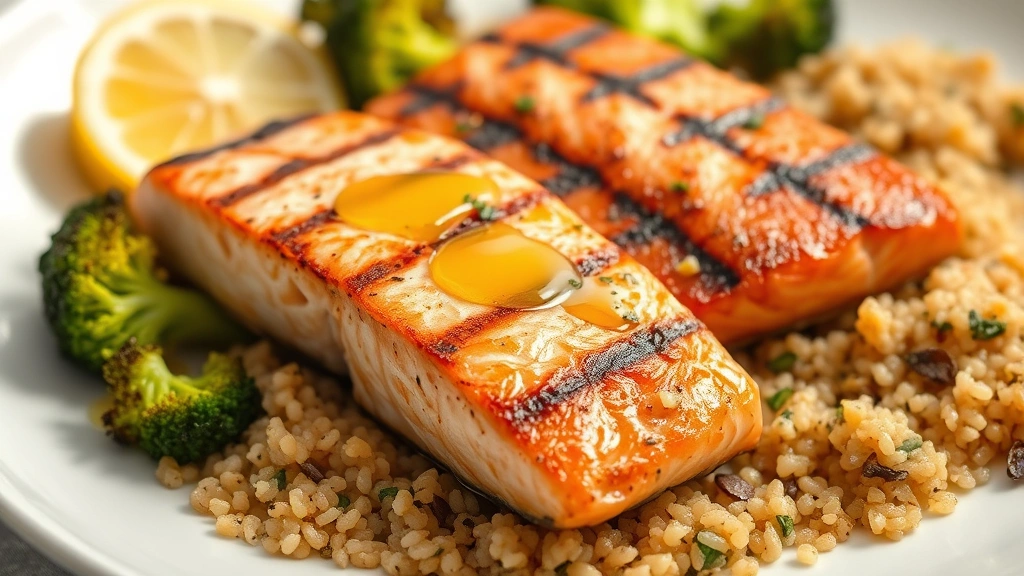
- Consume first meal: high-protein, moderate fiber (salmon with broccoli and quinoa)
- Second meal (4-5 PM): balanced macronutrients
- Dinner (6-7 PM): protein-focused with vegetables
- Complete eating by 8 PM, fast until next day’s first meal
This approach naturally reduces eating windows, decreasing total caloric intake while maintaining nutrient density and satiety.
Movement and Metabolic Activation
Your natural Mounjaro recipe requires the “exercise component.” Resistance training and strength workouts amplify metabolic benefits by:
- Increasing muscle mass (metabolically active tissue)
- Improving insulin sensitivity independent of weight loss
- Enhancing GLP-1 and GIP receptor sensitivity
- Promoting metabolic rate elevation for hours post-exercise
Optimal movement protocol:
- Resistance training: 3-4 sessions weekly, 30-45 minutes, targeting major muscle groups
- Cardiovascular activity: 150-300 minutes weekly moderate-intensity (brisk walking, cycling, swimming)
- Daily movement: 10,000 steps or equivalent low-intensity activity
Progressive overload—gradually increasing weight, volume, or intensity—proves essential for continued metabolic adaptation. This prevents plateaus common in weight loss journeys.
Building Your Daily Protocol
Integration is key. Your natural Mounjaro recipe combines all elements into a sustainable daily practice.
Sample day structure:
Morning (6-7 AM):
- Wake with 16-20 oz water and lemon
- Black coffee or green tea (caffeine enhances fat oxidation)
- 30-minute walk or light movement
Midday (12-1 PM) – First meal:
- 6 oz grilled salmon
- 2 cups steamed broccoli
- ½ cup quinoa
- 1 tablespoon olive oil
- Macros: 45g protein, 35g carbs, 15g fat, 8g fiber
Afternoon (3-4 PM) – Optional snack:
- 1 oz almonds or
- Greek yogurt with berries
Evening (6-7 PM) – Second meal:
- 5 oz grass-fed beef
- Large mixed green salad with olive oil dressing
- Roasted sweet potato
- Macros: 40g protein, 30g carbs, 12g fat, 7g fiber
Post-dinner (7 PM – bedtime):
- Herbal tea (chamomile supports sleep quality)
- No eating; maintain 14-16 hour overnight fast
Weekly integration checklist:
- ☐ Protein targets met daily (110-145g minimum)
- ☐ Fiber intake 25-35g daily
- ☐ Resistance training 3-4 sessions
- ☐ 10,000+ daily steps
- ☐ 3+ liters water daily
- ☐ 7-9 hours quality sleep nightly
- ☐ Stress management practice (meditation, journaling)
Tracking progress through body measurements and performance metrics—rather than scale weight alone—provides accurate feedback. Take measurements every 2-4 weeks and assess strength improvements in training.
Additionally, improving insulin resistance through these strategies creates a compounding effect, where each component enhances the others’ effectiveness.
FAQ
Can a natural Mounjaro recipe replace actual Mounjaro medication?
Natural strategies produce significant results—often 5-10% body weight loss over 6 months—but may not match pharmaceutical Mounjaro’s 15-22% average loss. Individual results vary. Discuss options with your healthcare provider; some individuals benefit from combining approaches.
How long until I see results from this protocol?
Initial water weight loss appears within 1-2 weeks. Measurable fat loss becomes apparent at 3-4 weeks. Significant transformation typically emerges by 8-12 weeks of consistent adherence. Patience and consistency outweigh perfection.
Is this approach safe for everyone?
Generally safe, but individuals with diabetes, eating disorders, or specific medical conditions should consult healthcare providers before implementing fasting protocols or supplements. Registered dietitians can personalize approaches for individual health profiles.
What if I plateau?
Plateaus occur as adaptation. Solutions include: increasing protein intake slightly, adding resistance training volume, extending fasting windows, or taking a planned diet break (eating at maintenance for 1-2 weeks). Metabolic adaptation is normal; adjust strategically rather than restricting excessively.
Can I combine this with Mounjaro if prescribed?
Yes. These strategies complement pharmaceutical treatment. Combining high-protein nutrition, intermittent fasting, and resistance training with Mounjaro often produces superior results. Your prescribing physician can guide integration.
Which element matters most?
Protein intake and consistency prove most impactful. If implementing one change, prioritize adequate protein consumption. Subsequent additions (fiber, fasting, training) amplify results progressively.


