Nova Weight Loss Tips: Expert-Recommended Strategies for Sustainable Success
Achieving meaningful weight loss requires more than quick fixes and fad diets. The NOVA classification system, which categorizes foods by how minimally processed they are, has emerged as a powerful framework that registered dietitians and obesity medicine specialists recommend for sustainable weight management. When you understand how to leverage NOVA weight loss principles alongside evidence-based lifestyle changes, you create a foundation for lasting results that goes far beyond temporary restrictions.
Whether you’re just beginning your weight loss journey or looking to optimize your current approach, expert-recommended NOVA weight loss tips focus on replacing ultra-processed foods with whole, nutrient-dense alternatives. This strategy naturally reduces calorie intake while improving satiety, nutrient absorption, and metabolic health. In this comprehensive guide, we’ll explore proven NOVA weight loss techniques that align with recommendations from leading health organizations and registered dietitians.
Understanding the NOVA Food Classification System
The NOVA food classification system, developed by researchers at the University of São Paulo, categorizes all foods into four distinct groups based on processing level. Understanding these categories is fundamental to implementing effective NOVA weight loss strategies. Each category has specific characteristics that influence how your body processes, digests, and responds to the foods you consume.
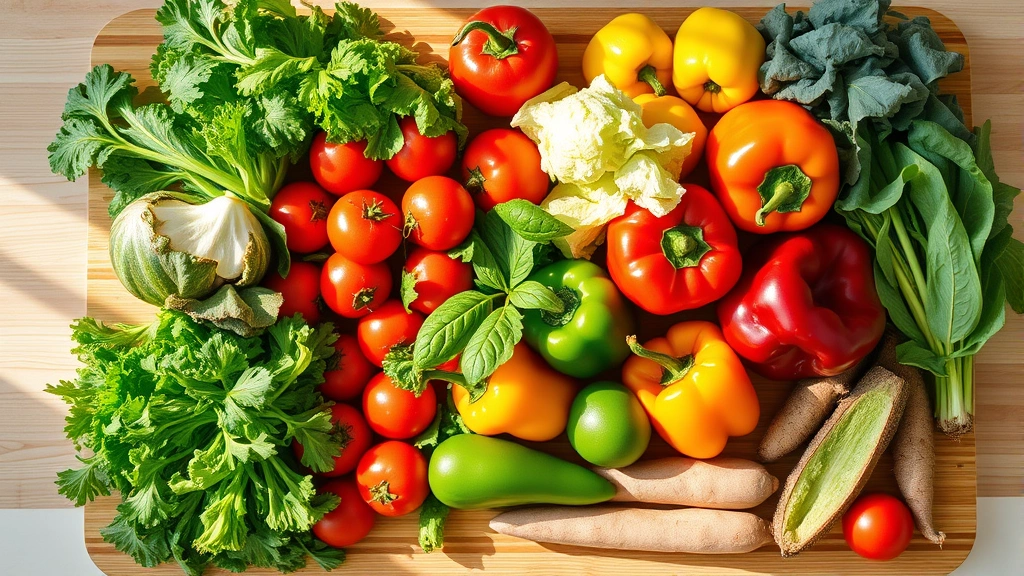
Group 1: Unprocessed and Minimally Processed Foods form the foundation of NOVA weight loss success. These include fruits, vegetables, grains, legumes, nuts, seeds, meat, fish, milk, and eggs in their natural state or minimally altered through drying, crushing, roasting, pasteurization, or freezing. These foods retain their nutritional integrity and contain no added substances. They’re rich in fiber, vitamins, minerals, and phytonutrients that support metabolic health and promote lasting satiety.
Group 2: Processed Culinary Ingredients are substances extracted from Group 1 foods or from nature through pressing, refining, grinding, pasteurizing, or drying. This category includes oils, butter, sugar, salt, honey, and vinegar. While these aren’t the focus of NOVA weight loss diets, they’re used in reasonable quantities to prepare and cook Group 1 foods. The key is moderation and awareness of added sugars and unhealthy fats.
Group 3: Processed Foods are relatively simple products made by adding Group 2 ingredients to Group 1 foods. Examples include canned vegetables with added salt, freshly made breads, and canned fish. These foods are typically nutritious when consumed occasionally, though they often contain added sodium or sugar that can contribute to overconsumption.
Group 4: Ultra-Processed Foods and Drinks (UPFs) are industrial formulations that typically contain five or more ingredients. These include soft drinks, packaged snacks, instant noodles, mass-produced baked goods, candy, and ready-to-eat meals. Ultra-processed foods are engineered to be hyper-palatable, calorie-dense, and nutrient-poor. Research from PubMed Central consistently shows that high consumption of ultra-processed foods is strongly associated with weight gain and metabolic dysfunction.
How NOVA Weight Loss Works: The Science Behind It
NOVA weight loss effectiveness is grounded in solid nutritional science and metabolic research. When you prioritize unprocessed and minimally processed foods, several physiological mechanisms work together to support weight loss without requiring extreme calorie restriction or hunger.
Improved Satiety and Appetite Regulation represents one of the primary mechanisms through which NOVA weight loss succeeds. Whole foods contain fiber, water, and protein that trigger fullness signals more effectively than processed alternatives. A single apple provides sustained satiety due to its fiber content and natural sugars, while an equivalent-calorie serving of applesauce or apple juice leaves you hungry shortly after. This natural appetite regulation means you eat fewer calories without conscious restriction, making NOVA weight loss sustainable long-term.
Enhanced Nutrient Density supports metabolic function and reduces cravings that drive overeating. Unprocessed foods deliver vitamins, minerals, and phytonutrients in their most bioavailable forms. Your body recognizes these complete nutrient profiles and signals satiety more efficiently. In contrast, ultra-processed foods deliver calories with minimal nutritional value, leaving your body nutritionally unsatisfied and driving continued hunger signals. This explains why people can consume enormous quantities of ultra-processed foods while remaining hungry.
Reduced Calorie Density is another crucial factor in NOVA weight loss success. Unprocessed foods naturally contain more water and fiber per calorie compared to ultra-processed alternatives. You can consume larger, more satisfying portions of whole foods while maintaining a calorie deficit necessary for weight loss. This addresses a fundamental challenge in weight management: achieving both satiety and calorie restriction simultaneously.
Improved Insulin Sensitivity and Blood Sugar Stability support metabolic health and reduce fat storage. Whole foods, particularly those rich in fiber and resistant starch, produce gentler blood sugar responses than refined carbohydrates found in ultra-processed foods. This stability reduces energy crashes that trigger cravings and overeating. The American Diabetes Association recommends whole food approaches for managing both weight and metabolic health.
Practical NOVA Weight Loss Strategies for Daily Success
Implementing NOVA weight loss principles requires practical strategies that fit into real life. These evidence-based approaches help you transition away from ultra-processed foods while building sustainable eating habits.
Start with Breakfast Transformation represents an excellent entry point for NOVA weight loss. Replace cereal, breakfast pastries, and instant oatmeal packets with steel-cut oats, Greek yogurt with berries, or vegetable-based egg dishes. Whole food breakfasts stabilize blood sugar throughout the morning, reduce mid-morning cravings, and set a positive tone for your entire day’s eating choices.
Master Simple Meal Preparation is essential for maintaining NOVA weight loss momentum. Spend a few hours weekly preparing components: roasted vegetables, cooked grains, seasoned legumes, and proteins. These building blocks combine into countless satisfying meals without relying on processed convenience foods. When wholesome options are readily available, you naturally gravitate toward them over ultra-processed alternatives.
Read Labels and Identify Hidden Ultra-Processed Foods that masquerade as healthy options. Many products marketed as natural or healthy contain multiple ultra-processed ingredients. Learn to recognize additives, emulsifiers, and artificial sweeteners that indicate Group 4 foods. This awareness prevents unconsciously consuming ultra-processed foods that undermine your NOVA weight loss efforts.
Build a Whole Foods Pantry stocked with unprocessed staples: dried beans and lentils, brown rice, quinoa, nuts, seeds, canned tomatoes without added sugar, and frozen vegetables. When your kitchen contains primarily Group 1 and Group 2 foods, your default eating pattern automatically aligns with NOVA weight loss principles. Remove or minimize ultra-processed snacks that create friction in your decision-making process.
Practice Mindful Eating Habits that allow you to recognize natural fullness cues. Ultra-processed foods are engineered to override satiety signals, creating a disconnect between eating and satisfaction. By consuming whole foods with intact fiber and nutrient profiles, you naturally eat more slowly and recognize fullness more accurately, supporting NOVA weight loss without conscious portion control.
Building a Sustainable NOVA-Based Eating Plan
Creating a personalized eating plan based on NOVA principles ensures long-term success with NOVA weight loss. Rather than following rigid meal plans, focus on understanding principles that guide flexible, sustainable choices.
Emphasize Plant-Based Whole Foods as your foundation. Vegetables, fruits, whole grains, legumes, nuts, and seeds should comprise the majority of your intake. These foods are nutrient-dense, calorie-light, and naturally support weight loss. Aim for variety across the color spectrum to maximize micronutrient intake and combat the palate fatigue that drives people back to ultra-processed foods.
Include Quality Proteins from both animal and plant sources. Lean meats, fish, eggs, Greek yogurt, legumes, and nuts provide satiety and support muscle preservation during weight loss. Protein’s thermic effect means your body burns calories during digestion, providing a modest metabolic advantage. Adequate protein also preserves lean mass, ensuring weight loss comes from fat rather than muscle.
Don’t Fear Healthy Fats when implementing NOVA weight loss strategies. Avocados, nuts, seeds, olive oil, and fatty fish provide essential nutrients and support nutrient absorption. Contrary to outdated low-fat diet myths, healthy fats promote satiety and don’t interfere with weight loss when total calories remain appropriate. The key is distinguishing healthy fats from the trans fats and excessive saturated fats found in ultra-processed foods.
Many people find success by working with a doctor for weight loss near me who can personalize NOVA principles to your specific health needs and goals. Professional guidance ensures your NOVA weight loss approach addresses any underlying metabolic conditions or nutritional concerns.
Combining NOVA Principles with Exercise for Maximum Results
While NOVA weight loss fundamentally involves dietary changes, combining these principles with regular physical activity amplifies results and supports overall health. Exercise complements NOVA weight loss in multiple ways.
Aerobic Exercise for Calorie Expenditure works synergistically with NOVA weight loss strategies. When you’ve optimized your nutrition through whole food choices, you have more energy for consistent cardiovascular activity. Explore best aerobic exercises for fat loss that match your fitness level and preferences. Consistency matters more than intensity, and whole food nutrition provides the sustained energy that enables regular exercise adherence.
Strength Training for Metabolic Health preserves and builds muscle during NOVA weight loss. Muscle tissue is metabolically active, meaning it burns calories at rest. Progressive strength training ensures your body composition improves beyond simple scale weight, creating visible transformation and supporting long-term weight maintenance. The improved insulin sensitivity from strength training also enhances your metabolic response to whole foods.
Physical Activity as Stress Management supports NOVA weight loss by reducing emotional eating triggers. Exercise releases endorphins, improves sleep quality, and reduces cortisol, all of which support weight management. When combined with whole food nutrition that stabilizes blood sugar and mood, regular activity creates a powerful synergistic effect that makes sustainable weight loss achievable.
For comprehensive support, consider exploring weight loss camp options that combine structured nutrition education, exercise programming, and behavioral coaching to accelerate your NOVA weight loss journey.
Common Challenges and How to Overcome Them
Social Situations and Dining Out present common obstacles to maintaining NOVA weight loss. When dining out, focus on restaurants offering customizable whole food options. Choose grilled proteins, vegetable sides, and request dressings and sauces on the side. At social gatherings, bring a whole food contribution you can eat confidently. Remember that occasional deviations don’t derail long-term progress; what matters is your overall pattern.
Cravings for Ultra-Processed Foods typically diminish as your palate adjusts to whole foods, usually within 2-4 weeks. When cravings arise, honor them with whole food alternatives: if you want sweet, enjoy fruit; if you crave salty crunch, try nuts or vegetable chips. Understanding that cravings are temporary signals rather than demands helps you navigate them without reverting to ultra-processed foods.
Time Constraints and Convenience often drive ultra-processed food consumption. Combat this by building a rotation of quick whole food meals: sheet pan dinners, grain bowls, vegetable stir-fries, and slow cooker preparations. Frozen vegetables and canned legumes reduce prep time while maintaining whole food status. Strategic meal prep transforms time limitations from obstacles into advantages for NOVA weight loss consistency.
Plateaus in Weight Loss Progress are normal and don’t indicate failure. Plateaus reflect your body’s adaptation to calorie deficit and often precede rapid progress. During plateaus, focus on non-scale victories: improved energy, better sleep, enhanced mood, and improved fitness capacity. Ensure you’re eating enough whole foods; under-eating triggers metabolic adaptation that stalls progress. Reassess portion sizes and ensure you’re maintaining appropriate calorie deficit without excessive restriction.
Understanding weight loss and metabolic syndrome: understanding the connection helps you recognize how NOVA principles address underlying metabolic dysfunction that may have contributed to weight gain.
Tracking Progress Beyond the Scale
Sustainable NOVA weight loss success extends far beyond scale numbers. Comprehensive progress tracking maintains motivation and reveals the full scope of positive changes.
Body Composition Changes matter more than scale weight. As you build muscle through exercise while losing fat through NOVA nutrition, your scale may plateau despite significant body transformation. Track progress through measurements, how clothes fit, and progress photos. Body composition changes create visible transformation that scale weight alone doesn’t capture.
Energy and Performance Improvements represent profound wins from NOVA weight loss. Most people report significantly improved energy, mental clarity, and exercise capacity within weeks of prioritizing whole foods. These functional improvements indicate your body is operating optimally, suggesting sustainable progress beyond temporary dietary restriction.
Health Markers and Metabolic Improvements validate NOVA weight loss effectiveness. Blood pressure, cholesterol, triglycerides, fasting glucose, and inflammatory markers often improve dramatically. Request comprehensive bloodwork annually to document these improvements. Many people find that metabolic improvements precede significant scale weight loss, indicating successful internal transformation.
Sleep Quality and Mood Stability typically improve substantially with NOVA weight loss. Whole food nutrition stabilizes blood sugar, reducing sleep disruptions and mood swings. Better sleep supports weight loss through improved appetite hormone regulation and stress management. The compound effect of improved sleep, stable energy, and stable mood creates a positive cycle supporting continued progress.

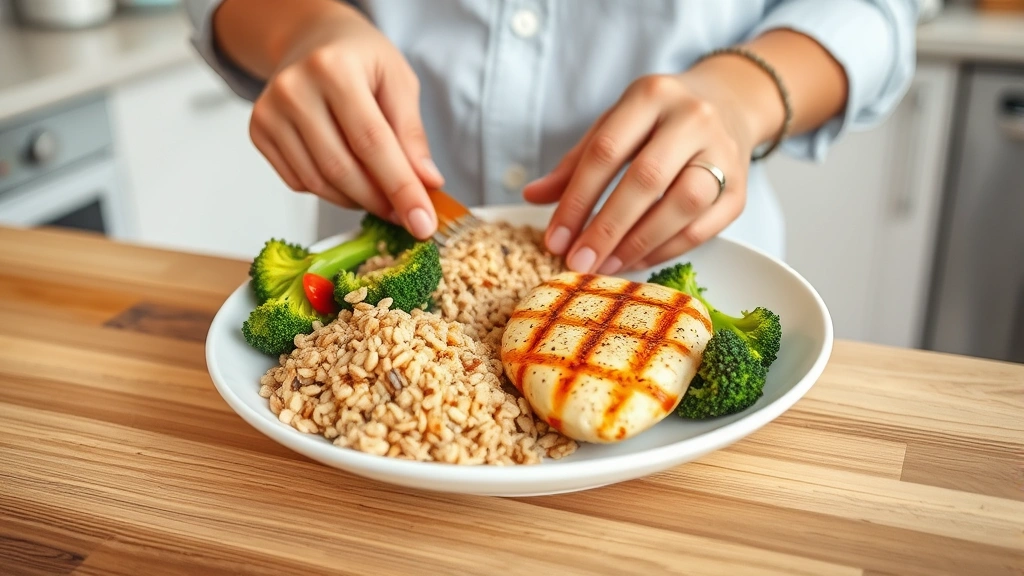
Behavioral Wins and Habit Formation represent the most important progress markers. Celebrate successfully navigating social situations, preparing whole food meals, declining ultra-processed foods, and maintaining consistency. These behavioral changes create the foundation for lifelong weight maintenance. Focus on becoming someone who naturally gravitates toward whole foods rather than someone restricting ultra-processed foods through willpower alone.
Connect with others on their NOVA weight loss journey through weight loss Reddit communities where you’ll find support, practical tips, and inspiration from people at various stages of their transformation.
FAQ
What exactly is NOVA weight loss and how does it differ from other diets?
NOVA weight loss is based on food processing level rather than calories, macronutrient ratios, or food groups. It differs from other diets because it doesn’t require counting calories or eliminating entire food categories. Instead, it focuses on replacing ultra-processed foods with whole alternatives, which naturally creates sustainable weight loss through improved satiety and nutrient density. This approach is less restrictive and more flexible than traditional diets, making it easier to maintain long-term.
Can I eat carbohydrates and still achieve NOVA weight loss?
Absolutely. NOVA weight loss embraces carbohydrates from whole food sources like vegetables, fruits, whole grains, and legumes. These foods are rich in fiber and nutrients that support satiety and metabolic health. The distinction is between whole food carbohydrates and refined carbohydrates found in ultra-processed foods. Whole grain bread, brown rice, and sweet potatoes are excellent NOVA weight loss staples.
How quickly can I expect to see results with NOVA weight loss?
Initial results often appear within 1-2 weeks as reduced water retention and improved digestion create noticeable changes. Meaningful fat loss typically becomes apparent within 4-6 weeks when combined with appropriate calorie deficit and exercise. Weight loss rate varies based on starting point, adherence, exercise level, and individual metabolism. Sustainable NOVA weight loss typically averages 1-2 pounds weekly, though initial weeks may show faster progress.
Is NOVA weight loss suitable for people with dietary restrictions or medical conditions?
NOVA weight loss principles are highly adaptable to various dietary restrictions and medical conditions. Whether you follow vegetarian, vegan, gluten-free, or low-sodium diets, NOVA principles apply by emphasizing unprocessed versions of foods you can eat. However, consult with a registered dietitian to ensure your personalized approach addresses specific medical needs or nutritional concerns.
What should I do if I experience intense cravings during NOVA weight loss?
Intense cravings typically indicate either physiological factors (blood sugar instability, nutrient deficiency) or psychological factors (stress, habit patterns). Address physiological factors by ensuring adequate protein, healthy fats, and whole food carbohydrates at each meal. For psychological cravings, identify triggers and develop alternative responses: if stress triggers cravings, try walking or breathing exercises; if boredom triggers eating, engage in hobbies. Cravings diminish significantly as your palate adapts to whole foods, usually within 2-4 weeks.
Can I maintain NOVA weight loss long-term, or is it just another temporary diet?
NOVA weight loss is fundamentally sustainable because it’s not a diet but rather a framework for understanding food choices. By teaching you to recognize and prioritize whole foods, NOVA principles become lifelong guidelines rather than temporary restrictions. Most people find that after initial transition, whole food eating becomes their default preference. The key to long-term success is viewing NOVA as a permanent shift toward better health rather than a temporary weight loss method.


