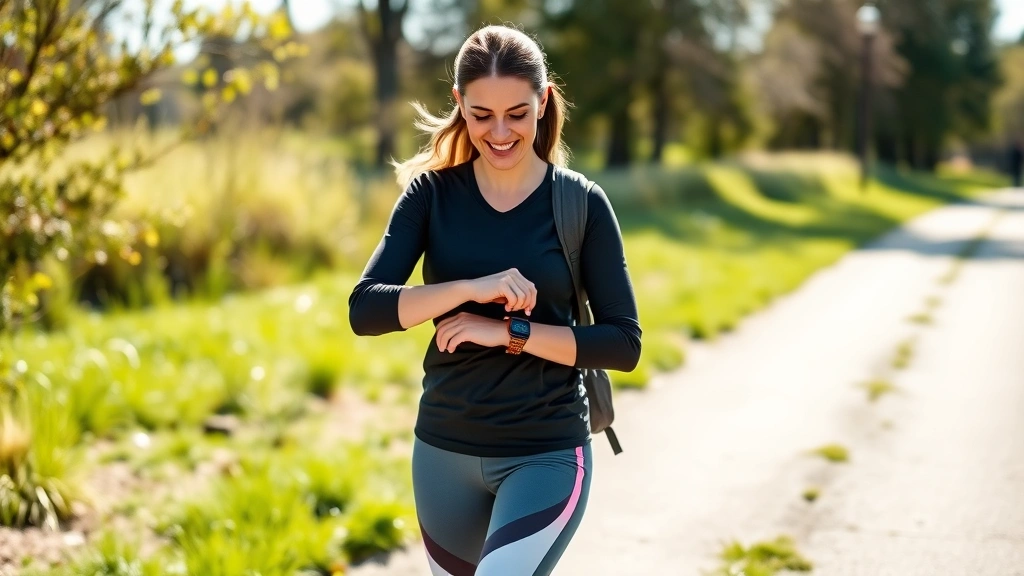
Boost Weight Loss with Pedometer? Expert Insights on Step Tracking and Fat Loss
Walking is one of the most underrated forms of physical activity, yet it remains one of the most accessible and sustainable approaches to weight management. A pedometer—a simple device that counts your daily steps—has emerged as a powerful tool for individuals seeking to lose weight and improve their overall health. But does stepping more actually translate to meaningful weight loss? The answer is nuanced, and understanding how pedometers fit into a comprehensive weight loss strategy is essential for success.
The beauty of pedometer-based weight loss lies in its simplicity and accessibility. Unlike complex fitness routines or restrictive diets, a pedometer encourages you to move more throughout your day without requiring a gym membership, special equipment, or significant time commitments. When combined with other evidence-based approaches like proper protein intake and adequate hydration, pedometer tracking becomes a cornerstone of sustainable fat loss.

How Pedometers Work and Track Activity
Pedometers function through accelerometer technology that detects body movement and converts it into step counts. Modern pedometers, including smartphone apps and wearable devices, use sophisticated sensors to distinguish between walking, running, and other movements. When you take a step, the device registers the vertical motion and acceleration pattern, translating this data into an accurate count of your daily steps.
Traditional mechanical pedometers rely on a simple pendulum mechanism, while digital and smartphone-based pedometers employ more advanced sensors. Regardless of the technology, the fundamental principle remains: tracking your movement provides tangible feedback about your daily activity levels. This feedback mechanism is crucial for behavior change, as research shows that self-monitoring significantly improves adherence to health goals.
The accuracy of pedometers varies depending on the device and your walking style. Higher-end fitness trackers and smartwatches typically offer greater accuracy than basic pedometers, especially during varied-pace walking or when carrying the device in different positions. Understanding your device’s capabilities helps you interpret your data more effectively and set realistic step goals.

The Science Behind Steps and Calorie Burn
Every step you take burns calories—the amount depends on your body weight, walking speed, terrain, and overall fitness level. A person weighing 180 pounds burns approximately 80-100 calories per mile walked at a moderate pace, while someone weighing 250 pounds might burn 110-130 calories over the same distance. This means that increasing your daily step count directly increases your energy expenditure, creating a caloric deficit necessary for weight loss.
The relationship between steps and calorie burn isn’t linear across all individuals. Factors influencing calorie expenditure during walking include:
- Body composition: Muscle tissue burns more calories than fat tissue, so individuals with higher muscle mass burn more calories per step
- Walking pace: Faster walking speeds significantly increase calorie burn compared to leisurely strolling
- Terrain: Walking uphill or on uneven surfaces requires more energy than walking on flat surfaces
- Age and metabolism: Younger individuals and those with faster metabolic rates burn more calories with the same activity
- Fitness level: Regular walkers may become more efficient, potentially burning fewer calories at the same pace over time
Research from the American Heart Association demonstrates that increasing daily step count contributes to improved cardiovascular health and weight management. The metabolic benefits extend beyond the actual walking time—regular movement throughout the day elevates your baseline metabolic rate and improves insulin sensitivity, both crucial for sustainable weight loss.
Pedometers and Weight Loss: What Research Shows
Scientific evidence strongly supports pedometer use as an effective weight loss tool. A meta-analysis published in JAMA examining 26 randomized controlled trials found that individuals using pedometers significantly increased their daily steps and experienced modest but meaningful weight loss. Participants who used pedometers lost an average of 0.5 kg (approximately 1.1 pounds) compared to control groups.
While 1-2 pounds might seem modest, this research demonstrates that pedometer use works through behavior change—people naturally increase their activity when they see their step count, creating a positive feedback loop. Over six months or a year, this consistent approach yields substantial results without requiring drastic dietary changes or intense exercise regimens.
A study from the Centers for Disease Control and Prevention found that individuals achieving 7,000-10,000 steps daily showed significant improvements in weight management, cardiovascular health markers, and metabolic function. Importantly, the research indicates that consistency matters more than perfection—individuals who maintained regular step counts showed better long-term weight loss results than those with sporadic high-activity days.
The psychological benefits of pedometer use deserve equal attention. Tracking steps provides concrete evidence of progress, which enhances motivation and self-efficacy. This sense of achievement encourages individuals to maintain their activity habits, supporting long-term weight management rather than temporary weight loss followed by regain.
Daily Step Goals for Effective Weight Loss
The popular 10,000-step goal originated from Japanese marketing in the 1960s, but research suggests the optimal step count varies based on individual factors. Current evidence supports a tiered approach to step goals:
- Starting point (3,000-5,000 steps): Ideal for sedentary individuals beginning their weight loss journey. This range represents a significant increase from typical sedentary behavior and builds the habit of regular movement
- Intermediate level (5,000-7,000 steps): Associated with meaningful health improvements and sustainable weight loss for most adults
- Optimal range (7,000-10,000 steps): Demonstrates strong associations with weight management, cardiovascular health, and metabolic benefits
- Advanced level (10,000+ steps): Provides additional health benefits for individuals who have established consistent activity habits
Rather than aiming immediately for 10,000 steps, successful weight loss typically follows a progressive approach. Increase your daily step goal by 1,000-2,000 steps every 1-2 weeks, allowing your body and habits to adapt. This gradual increase prevents injury, reduces burnout, and creates sustainable lifestyle changes.
Your ideal step goal should align with your current fitness level, schedule, and weight loss objectives. Someone working a desk job might realistically achieve 6,000-8,000 steps, while someone with an active job might naturally exceed 10,000 steps. The key is finding your personal sustainable range and maintaining consistency.
How to Maximize Weight Loss Results with Step Tracking
Simply increasing step count produces results, but strategic approaches amplify weight loss outcomes. Consider these evidence-based strategies:
Implement incline walking: Walking on hills or using a treadmill incline significantly increases calorie burn—up to 50% more than flat walking—while building leg muscle. Muscle tissue boosts your metabolic rate, creating ongoing calorie-burning benefits.
Vary your walking pace: Incorporate intervals of brisk walking (3.5-4 mph) alternated with moderate pace (2.5-3 mph). This variation, called interval training, increases calorie burn during and after exercise through the afterburn effect (EPOC—excess post-exercise oxygen consumption).
Add resistance: Carrying light weights or wearing a weighted vest while walking increases muscle engagement and calorie expenditure. Start with 2-5 pounds and gradually increase as your fitness improves.
Schedule walks strategically: Walking after meals, particularly after high-carbohydrate meals, helps regulate blood sugar levels and reduces insulin spikes. Even a 3-minute walk after eating improves glucose metabolism and supports weight loss.
Combine with strength training: While pedometers track walking, adding complementary aerobic exercises and resistance training accelerates weight loss. Muscle tissue burns more calories at rest, and combining cardio with strength training creates optimal fat loss conditions.
Track not just steps but also walking duration, pace, and terrain. This comprehensive tracking reveals patterns in your activity and helps identify opportunities for optimization.
Combining Pedometers with Other Weight Loss Strategies
While pedometer use supports weight loss, it’s most effective as part of a comprehensive approach. The weight loss equation fundamentally depends on creating a caloric deficit—burning more calories than you consume. Pedometers address the activity side of this equation, but nutrition remains equally crucial.
Combining step tracking with structured eating approaches amplifies results. For example, increasing daily steps while maintaining consistent protein intake preserves lean muscle during weight loss, maintaining your metabolic rate and enhancing body composition improvements.
Nutritional support for increased activity includes:
- Consuming adequate protein (0.7-1 gram per pound of body weight) to support muscle recovery and maintenance
- Maintaining proper hydration status to optimize exercise performance and metabolic function
- Including sufficient micronutrients to support energy production and recovery
- Managing overall caloric intake to create an appropriate deficit for your activity level
Sleep quality also significantly impacts weight loss success. Regular walking improves sleep quality, while adequate sleep supports hormonal balance, appetite regulation, and recovery from increased activity. Aim for 7-9 hours nightly to optimize your weight loss results.
Common Mistakes When Using Pedometers for Weight Loss
Understanding pitfalls helps you maximize your pedometer strategy:
Overestimating calorie burn: Pedometers and fitness trackers often overestimate calorie expenditure. Don’t use these estimates to justify excessive eating. Instead, create your caloric deficit through a combination of increased activity and moderate dietary adjustments.
Ignoring non-step movement: Pedometers count steps but miss other valuable activities like swimming, cycling, or strength training. These activities contribute significantly to weight loss but won’t register on your step counter. Track them separately or use a comprehensive fitness app.
Prioritizing steps over intensity: Slowly accumulating 10,000 steps burns fewer calories than 7,000 faster-paced steps. Focus on walking quality—including pace and terrain—not just quantity.
Becoming discouraged by plateaus: Weight loss naturally includes plateaus as your body adapts. Rather than abandoning your pedometer, use it to increase intensity or volume, signaling your body to continue adapting.
Neglecting nutrition: Increased activity without dietary adjustments rarely produces weight loss. Ensure your eating patterns support your activity increase and create the necessary caloric deficit.
Setting unrealistic initial goals: Jumping from 3,000 to 12,000 steps overnight leads to burnout and injury. Progressive increases of 1,000-2,000 steps weekly create sustainable habits.
Using pedometers as sole motivation: While step counts provide helpful feedback, they shouldn’t be your only motivator. Include other metrics like energy levels, fitness improvements, how clothes fit, and overall health markers.
FAQ
How many steps per day do I need to lose weight?
Research suggests that 7,000-10,000 steps daily supports meaningful weight loss for most adults. However, your starting point matters—if you’re currently sedentary, increasing to 5,000-6,000 steps daily will produce significant results. Aim for progressive increases of 1,000-2,000 steps every 1-2 weeks until you reach your goal.
Can I lose weight just by walking without changing my diet?
Walking alone can produce modest weight loss through increased calorie expenditure, but combining activity with nutritional improvements accelerates results substantially. The most effective approach pairs increased step count with balanced nutrition, adequate protein, and appropriate caloric intake for your goals.
What type of pedometer is best for weight loss tracking?
Modern smartwatches and fitness trackers offer superior accuracy compared to basic step counters. However, even basic pedometers work effectively for behavior change. Choose a device you’ll consistently use—whether that’s a smartphone app, dedicated pedometer, or wearable tracker. Consistency matters more than device sophistication.
How long does it take to see weight loss results from increased steps?
Most people notice meaningful changes within 4-6 weeks of consistent step tracking, though results vary based on starting point, diet, and other factors. Expect modest initial weight loss (0.5-1 pound weekly) that may accelerate as you build consistent habits and increase intensity.
Can pedometers help with weight maintenance after weight loss?
Absolutely. Pedometers are particularly valuable for weight maintenance because they encourage consistent daily activity without requiring structured exercise. Many individuals successfully maintain weight loss by maintaining 8,000-10,000 daily steps combined with consistent nutrition habits.
Should I wear my pedometer all day or just during exercise?
Wear your pedometer throughout the day to capture all movement—walking to your car, around the office, household chores, and recreational walking. This comprehensive tracking reveals your true activity level and identifies opportunities to increase movement throughout your day, which often proves more sustainable than dedicated exercise sessions.


