Pink Himalayan Salt: Weight Loss Myth or Miracle?
Pink Himalayan salt has become a wellness darling, appearing in everything from fancy restaurants to health supplement aisles. But does this mineral-rich salt actually help with weight loss, or is it just another trendy superfood that promises more than it delivers? The truth lies somewhere between myth and miracle—understanding the science behind this popular ingredient can help you make informed decisions about your diet and weight management goals.
As someone looking to shed pounds, you’ve probably encountered claims that pink Himalayan salt boosts metabolism, reduces bloating, or helps your body burn fat more efficiently. These assertions sound compelling, especially when paired with images of beautiful pink crystals and testimonials from wellness influencers. However, the reality is more nuanced. While pink Himalayan salt does contain trace minerals that regular table salt lacks, the amounts are often too small to create meaningful health impacts. This comprehensive guide will examine the science, separate fact from fiction, and help you understand whether pink Himalayan salt deserves a place in your weight loss strategy.
What Is Pink Himalayan Salt?
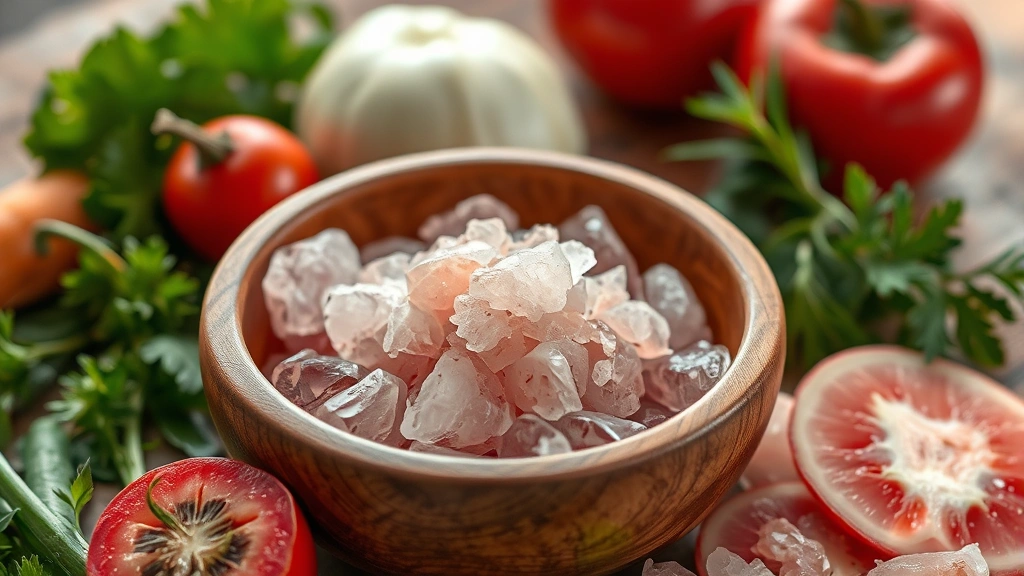
Pink Himalayan salt comes from ancient salt deposits in the Khewra Salt Mine in Pakistan, located near the Himalayan mountains. These deposits formed millions of years ago when ancient seas evaporated, leaving behind crystallized salt. The distinctive pink color comes from trace minerals including potassium, magnesium, and calcium, along with iron oxide that gives it the rosy hue.
Compared to table salt, which is typically 99.9% sodium chloride with added anti-caking agents and iodine, pink Himalayan salt contains approximately 98% sodium chloride and about 2% other minerals. While this sounds like a significant difference, the practical impact on your daily mineral intake is minimal. A single teaspoon of pink Himalayan salt provides only about 300-400 mg of potassium, while a medium banana contains roughly 400 mg—and you’d need to consume dangerous amounts of salt to match the potassium from whole foods.
The mining and processing of pink Himalayan salt is relatively unregulated compared to other food products, which means quality and mineral content can vary between brands. Some products marketed as “pure” pink Himalayan salt may contain additives or be less refined than others. Understanding what you’re actually buying is the first step toward making smart dietary choices for your weight loss journey.
Salt and Weight Loss: The Basic Science
To understand whether pink Himalayan salt affects weight loss, we need to examine how salt interacts with your body’s weight regulation mechanisms. Salt itself contains zero calories, so it doesn’t directly contribute to weight gain or loss. However, sodium intake influences water retention, appetite signaling, and overall metabolic function in ways that can indirectly affect your weight.
Research published by the Centers for Disease Control and Prevention shows that excessive sodium consumption can lead to increased water retention, which temporarily increases scale weight without adding body fat. This is why people often experience bloating after consuming high-sodium meals. Conversely, reducing sodium intake can lead to short-term water weight loss, but this effect is temporary and doesn’t reflect actual fat loss.
The color or source of your salt doesn’t change these fundamental physiological responses. Whether you use pink Himalayan salt, sea salt, or regular table salt, your body processes the sodium chloride component identically. The trace minerals in pink Himalayan salt are present in such small quantities that they don’t meaningfully alter this equation. What matters for weight loss is your total sodium consumption across all foods, not the specific type of salt you choose.
Trace Minerals and Metabolism Myths
One of the most persistent claims about pink Himalayan salt is that its trace minerals boost metabolism and accelerate fat burning. This claim typically highlights minerals like magnesium and potassium, which do play roles in metabolic function. However, the leap from “these minerals matter for metabolism” to “pink Himalayan salt will boost your metabolism” is not scientifically supported.
Magnesium, found in pink Himalayan salt in trace amounts, does participate in hundreds of enzymatic reactions including those involved in energy production. However, a teaspoon of pink Himalayan salt provides negligible amounts compared to what your body actually needs. The recommended daily magnesium intake for adults is 310-420 mg, and pink Himalayan salt might contribute 1-2 mg per teaspoon. You’d get far more magnesium from a handful of almonds, a cup of spinach, or a serving of whole grains.
Similarly, potassium supports proper muscle function and nerve signaling, but again, the amounts in pink Himalayan salt are trivial. If you’re genuinely concerned about mineral deficiencies affecting your metabolism, whole foods are infinitely more effective sources. A diet rich in vegetables, fruits, nuts, and legumes will provide all the minerals you need to support optimal metabolic function without relying on salt supplementation.
The metabolism-boosting claims often stem from marketing rather than science. Your metabolic rate is primarily determined by your age, sex, body composition, genetics, and activity level—not by the type of salt you consume. If you want to genuinely boost your metabolism, focus on increasing protein intake and building lean muscle through resistance training, both of which have strong scientific support.

Sodium Content and Water Retention
While pink Himalayan salt isn’t a weight loss miracle, understanding how salt affects water retention is important for managing your weight effectively. Sodium plays a critical role in fluid balance—when you consume excess sodium, your body retains water to maintain proper osmotic balance. This can cause temporary weight gain and bloating, which can be discouraging when you’re trying to lose weight.
Interestingly, the sodium content of pink Himalayan salt is actually slightly lower than table salt by weight. Pink Himalayan salt contains approximately 98% sodium chloride while table salt is about 99.9% sodium chloride. This means a teaspoon of pink Himalayan salt provides roughly 2,200 mg of sodium compared to 2,360 mg in table salt. While this difference is small, it’s one of the few legitimate advantages pink Himalayan salt holds over conventional salt.
For weight loss purposes, the key is managing total sodium intake, not choosing a specific salt type. The American Heart Association recommends limiting sodium to less than 2,300 mg daily, yet most Americans consume 3,400+ mg daily. This excessive intake contributes to water retention and can mask actual fat loss on the scale. By reducing overall sodium consumption—regardless of salt source—you may notice reduced bloating and more stable weight readings.
However, it’s important not to eliminate salt entirely. Sodium is an essential electrolyte that your body needs for proper nerve function, muscle contraction, and fluid balance. The goal is moderation, not elimination. For those engaging in regular exercise or cycling for weight loss, adequate sodium intake actually becomes more important to maintain electrolyte balance.
Electrolytes and Exercise Performance
If you’re incorporating exercise into your weight loss plan—which is highly recommended—electrolyte balance becomes relevant to your performance and recovery. Pink Himalayan salt contains trace amounts of potassium and magnesium, both electrolytes that support muscle function. However, this doesn’t make it superior to other salt sources for athletic purposes.
When you exercise, particularly during intense or prolonged activity, you lose electrolytes through sweat. Replacing these electrolytes helps maintain muscle function, prevents cramping, and supports recovery. While some athletes consume electrolyte-enhanced drinks or supplements, the evidence suggests that for most recreational exercisers, a balanced diet containing whole foods provides sufficient electrolyte replacement.
The claim that pink Himalayan salt offers superior electrolyte support compared to table salt is overstated. A sports drink formulated specifically for electrolyte replacement will be far more effective than any type of salt for optimizing exercise performance. If you’re looking to enhance your workout results and support timing your nutrition for weight loss, focus on evidence-based strategies like post-workout protein consumption rather than salt choice.
Real Weight Loss Strategies That Work
Rather than focusing on whether pink Himalayan salt aids weight loss, let’s discuss the proven strategies that actually deliver results. The foundation of sustainable weight loss remains unchanged: consuming fewer calories than you burn while maintaining nutritional adequacy and supporting your health.
Create a modest calorie deficit. You don’t need extreme restriction. A deficit of 300-500 calories daily typically results in 0.5-1 pound of weight loss per week—a sustainable pace that allows you to maintain muscle mass and avoid extreme hunger. Track your intake for a few weeks to understand your baseline consumption.
Prioritize protein. Protein increases satiety, supports muscle maintenance during weight loss, and has a higher thermic effect than other macronutrients. Studies show that optimizing your protein intake can significantly improve weight loss outcomes. Aim for 0.7-1 gram per pound of body weight daily.
Include whole foods. Base your diet on vegetables, fruits, whole grains, lean proteins, and healthy fats. These foods provide satiety without excessive calories. Selecting the best fruits for fat loss and incorporating vegetables at every meal naturally reduces calorie density while increasing nutrient intake.
Stay hydrated. Drinking adequate water supports metabolic function and helps distinguish true hunger from thirst. Some research suggests that drinking water before meals slightly increases satiety, though the effect is modest.
Incorporate resistance training. Building lean muscle mass increases your resting metabolic rate and improves body composition. Combined with cardiovascular exercise, this creates a powerful weight loss approach that extends beyond simple calorie counting.
Manage stress and sleep. Poor sleep and chronic stress elevate cortisol levels and increase hunger hormones, making weight loss more difficult. Prioritizing 7-9 hours of quality sleep and stress management techniques supports your weight loss efforts.
Consider professional support. Working with a weight loss coach or registered dietitian provides personalized guidance and accountability. These professionals can help you navigate challenges and adjust your approach based on your individual response.

Research from the American Society of Bariatric Physicians consistently shows that sustainable weight loss results from lifestyle changes in diet, exercise, and behavior—not from individual food choices or supplement strategies. While pink Himalayan salt may be a pleasant addition to your kitchen, it’s not a meaningful component of an effective weight loss plan.
FAQ
Does pink Himalayan salt burn fat?
No. Salt itself contains no calories and doesn’t directly burn fat. The trace minerals in pink Himalayan salt are present in quantities too small to meaningfully affect metabolism. Fat loss depends on creating a calorie deficit through diet and exercise, not on salt choice.
Can pink Himalayan salt reduce bloating?
Potentially, but only slightly. Since pink Himalayan salt contains marginally less sodium than table salt, it might cause marginally less water retention. However, the difference is minimal—roughly 160 mg less sodium per teaspoon. For meaningful bloating reduction, focus on overall sodium intake rather than salt type.
Is pink Himalayan salt healthier than table salt?
Not significantly. While pink Himalayan salt contains trace minerals, the quantities are negligible compared to whole food sources. Both contain similar sodium levels and both should be used moderately. The main advantage of pink Himalayan salt is slightly lower sodium content and the absence of anti-caking additives found in some table salts.
Should I avoid salt completely for weight loss?
No. Sodium is an essential nutrient your body needs for proper function. Complete salt avoidance would be counterproductive. Instead, aim for moderation—using salt to flavor foods without excessive consumption. The American Heart Association recommends less than 2,300 mg sodium daily.
What’s the best mineral source for weight loss?
Whole foods are always superior. Vegetables, fruits, nuts, seeds, legumes, and whole grains provide minerals in bioavailable forms along with fiber, vitamins, and phytonutrients that support overall health and weight management far better than salt supplements.
Can electrolytes from pink Himalayan salt improve workout performance?
The electrolyte content in pink Himalayan salt is too minimal to meaningfully impact exercise performance. If you’re concerned about electrolyte replacement during intense or prolonged exercise, sports drinks formulated specifically for this purpose are far more effective.


