Pink Salt for Weight Loss? Nutritionist Insights on the Himalayan Salt Trend
Pink salt has become a wellness darling, with enthusiasts claiming it can boost metabolism, balance electrolytes, and even accelerate weight loss. From TikTok trends to health blogs, the “pink salt trick” promises transformation in everything from water bottles to meal prep routines. But does this trendy mineral actually deliver on its weight loss claims, or is it simply clever marketing wrapped in attractive packaging?
As a nutritionist, I’ve encountered countless clients asking whether switching to pink Himalayan salt will finally unlock their weight loss goals. The short answer: pink salt alone won’t create the metabolic magic many hope for. However, understanding what pink salt actually contains—and how minerals influence your body’s function—reveals a more nuanced story about salt, hydration, and sustainable weight management. Let’s explore the science behind the hype and discover what actually matters for lasting results.

What Is Pink Himalayan Salt?
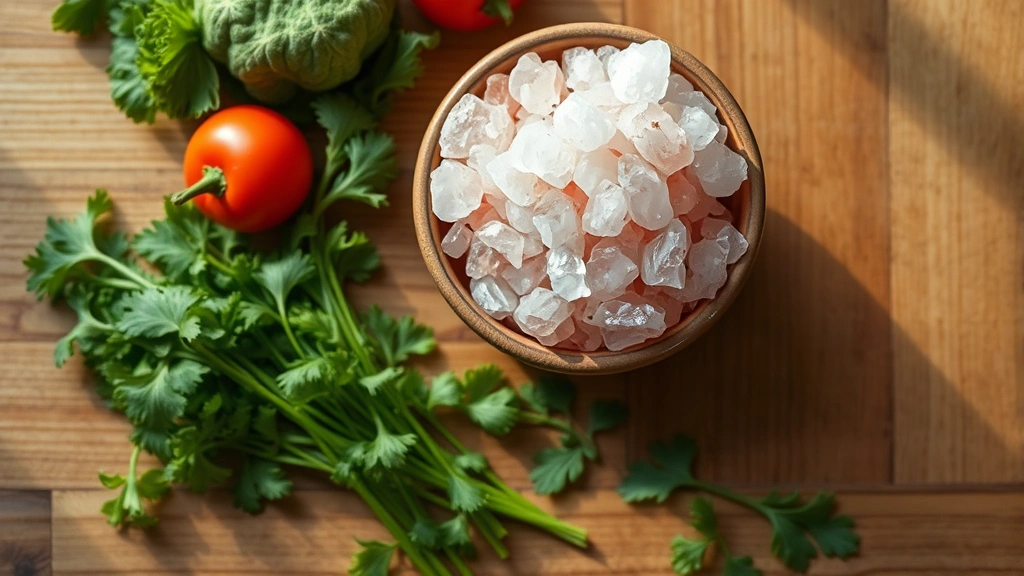
Pink Himalayan salt comes from ancient salt deposits in the Khewra Salt Mine in Pakistan, formed from evaporated seawater millions of years ago. Its distinctive pink hue comes from trace minerals including iron oxide, magnesium, potassium, and calcium—compounds that regular table salt typically lacks due to processing and refinement.
One teaspoon of pink salt contains approximately 2,300 milligrams of sodium chloride, making it chemically similar to table salt. The key difference isn’t the sodium content but rather the accompanying minerals and the absence of anti-caking agents like sodium aluminosilicate found in conventional salt. Many wellness advocates highlight these trace minerals as the secret ingredient for health transformation, but the quantities present are remarkably modest compared to what your body actually needs daily.
The mineral profile appeals to health-conscious consumers seeking “natural” alternatives to processed foods. However, you’d need to consume impractical amounts of pink salt to significantly impact your mineral intake through salt alone. A typical serving provides negligible amounts of magnesium, potassium, or calcium—nutrients better obtained through whole foods like leafy greens, nuts, and dairy products.
Pink Salt vs. Regular Salt: Nutritional Differences
When comparing pink salt to table salt side-by-side, the nutritional differences are surprisingly minimal. Both contain roughly 98% sodium chloride by weight. The remaining 2% is where the distinction emerges:
- Pink Himalayan salt: Contains trace amounts of 84 different minerals, including calcium, magnesium, potassium, and iron
- Table salt: Processed to remove minerals; often fortified with iodine for thyroid health
- Sea salt: Contains similar minerals to pink salt but with slightly higher iodine content
The mineral concentrations in pink salt are genuinely present but functionally irrelevant for nutrition. For example, pink salt contains approximately 2 mg of potassium per teaspoon, while your body requires 2,600-3,400 mg daily. You’d need to consume an entire pound of pink salt to match the potassium in a single medium banana—an impossible and dangerous feat.
One legitimate advantage of pink salt over table salt is the absence of anti-caking additives and processing chemicals. If you have sensitivities to these additives or prefer minimally processed foods, pink salt offers a cleaner option. However, iodine deficiency is a consideration: table salt’s iodine fortification prevents thyroid dysfunction, while pink salt doesn’t naturally contain sufficient iodine. If switching to pink salt, ensure adequate iodine intake from seaweed, dairy, or eggs.
Does Pink Salt Boost Metabolism?
This is where the “pink salt trick for weight loss” claims often collapse under scientific scrutiny. There’s no evidence that pink salt—or any salt variety—directly increases metabolic rate or calorie burning. Your metabolism is governed by factors like muscle mass, age, hormones, and physical activity. Salt consumption doesn’t meaningfully alter these variables.
The metabolism myth likely stems from confusion about sodium’s role in cellular function. Yes, sodium is essential for nerve impulses, muscle contractions, and maintaining fluid balance. Yes, your body expends energy (ATP) to regulate sodium levels. However, this thermic effect of sodium is negligible for weight loss—perhaps 5-10 calories per day maximum, regardless of whether the sodium comes from pink salt or table salt.
Some marketers claim pink salt’s trace minerals—particularly magnesium—enhance metabolism. While magnesium does participate in energy production and improving metabolic rate is achievable through exercise and nutrition, the 2 mg of magnesium in a teaspoon of pink salt won’t catalyze these processes. You need 310-420 mg daily; pink salt provides a fraction of a percentage.
The only metabolic advantage related to salt intake involves hydration status. When you’re properly hydrated with balanced electrolytes, your body’s metabolic functions—including digestion and energy utilization—operate optimally. But this benefit applies equally to regular salt, pink salt, and other mineral sources. The specific mineral composition of your salt isn’t the limiting factor.
The Electrolyte Connection to Weight Loss
Understanding electrolytes is crucial for evaluating pink salt’s weight loss potential. Electrolytes (sodium, potassium, magnesium, calcium) regulate hydration, nerve function, and muscle performance. During weight loss, especially when managing insulin resistance, electrolyte balance becomes important for energy levels and exercise capacity.
Here’s where pink salt’s trace minerals theoretically help: they support electrolyte balance better than pure sodium chloride. In practice, however, most people obtain sufficient electrolytes from whole foods. A diet rich in vegetables, fruits, dairy, and protein provides all necessary minerals without requiring specialty salt products.
The electrolyte benefit matters most for athletes or those following low-carb diets (which can cause electrolyte shifts). If you fall into these categories, pink salt offers marginal advantages over table salt. Adding a pinch to water or meals ensures you’re not solely relying on sodium chloride. But this is optimization, not transformation.
The weight loss connection is indirect: proper hydration and electrolyte balance support consistent exercise performance and recovery. When you can train effectively and sustain workouts, you create the calorie deficit necessary for fat loss. Pink salt supports this environment similarly to any balanced electrolyte source, but it’s not the cause of weight loss itself.
How Salt Affects Water Retention and Scale Weight
This is where many people experience confusion between water weight and fat loss. Salt directly influences fluid retention. Sodium draws water into your bloodstream and tissues, causing temporary weight gain on the scale. This is purely water weight, not fat, and it reverses when sodium intake normalizes.
The “pink salt trick” some promoters suggest involves consuming pink salt water to “flush toxins” and reduce bloating. This is misleading. Salt water doesn’t flush toxins (your kidneys and liver handle detoxification). Instead, excess sodium temporarily increases water retention, which can actually increase scale weight in the short term.
However, moderate salt intake—including from pink salt—is necessary for proper hydration and won’t cause problematic water retention in healthy individuals. The issue arises with excessive consumption. If you’re concerned about bloating or water retention, the solution isn’t switching salt brands; it’s managing total sodium intake, staying hydrated, and potentially increasing potassium intake through foods like sweet potatoes and spinach.
For sustainable weight loss, focus on fat loss rather than water weight fluctuations. Your scale weight naturally varies 2-5 pounds daily based on hydration, sodium intake, menstrual cycle, and digestion. Pink salt won’t prevent these normal fluctuations, nor will it accelerate fat loss compared to regular salt when total sodium intake remains equivalent.
The Real Weight Loss Factors That Matter
Rather than chasing pink salt trends, successful weight loss depends on evidence-based fundamentals that actually work:
- Calorie deficit: Consuming fewer calories than you burn remains the primary mechanism for fat loss. No salt variety changes this equation
- Protein intake: Adequate protein (0.7-1g per pound of body weight) preserves muscle mass during weight loss and increases satiety
- Whole food nutrition: Prioritizing vegetables, fruits, lean proteins, and whole grains creates nutritional density without excess calories
- Consistent exercise: Both resistance training and best time of day to exercise for weight loss matters for building muscle and burning calories
- Sleep quality: Poor sleep disrupts hunger hormones, increasing appetite and cravings
- Stress management: Chronic stress elevates cortisol, which promotes fat storage, particularly in the abdominal area
If you’re serious about weight loss, these factors deserve far more attention than salt selection. Creating a healthy meal plan for weight loss with appropriate portions and nutrient density will transform your results far more than any mineral supplement or specialty salt.
That said, pink salt can be part of a healthy eating strategy—not as a weight loss agent, but as a clean, minimally processed seasoning option. Using it to flavor whole foods without adding calories supports your overall nutrition goals. The benefit comes from the foods you’re seasoning, not the salt itself.
Safe Salt Intake for Weight Loss Goals
The American Heart Association recommends limiting sodium to less than 2,300 mg daily—roughly one teaspoon of salt. Most Americans exceed this, consuming 3,400+ mg daily, primarily from processed foods.
For weight loss, managing total sodium intake matters because:
- Excess sodium promotes water retention and bloating, making progress less visible
- High sodium intake is associated with increased appetite and cravings
- Reducing processed foods (major sodium sources) naturally decreases sodium while improving nutrition
- Lower sodium intake may support healthy blood pressure, benefiting overall cardiovascular health
Whether you use pink salt, table salt, or sea salt is less important than calculating your daily calorie needs and managing total sodium from all sources. If you switch to pink salt but continue eating processed foods, you won’t benefit from sodium reduction. The real progress comes from cooking at home with whole ingredients and controlling salt addition during cooking.
For those with hypertension or sodium sensitivity, pink salt offers no advantage—the sodium content is identical to table salt. Your doctor may recommend limiting all salt varieties, regardless of color or mineral content.
If you enjoy pink salt’s aesthetic appeal or prefer its lack of additives, use it freely within your total sodium budget. Season foods generously for flavor without exceeding 2,300 mg daily total sodium. This approach supports both weight loss and long-term maintaining weight loss.
Additionally, understanding how weight loss and insulin resistance connect helps you appreciate that mineral balance (including sodium and potassium) supports metabolic health, though pink salt alone cannot address insulin dysfunction. Comprehensive lifestyle changes matter most.
FAQ
Can I use pink salt for weight loss instead of regular salt?
Pink salt and regular salt are nutritionally equivalent for weight loss purposes—both are 98% sodium chloride. Use whichever you prefer for taste or aesthetic reasons, but neither will accelerate fat loss. What matters is total sodium intake and overall diet quality.
Does pink salt water help with weight loss?
Pink salt water won’t specifically promote weight loss. Proper hydration supports metabolism and exercise performance, but plain water accomplishes this equally well. The added minerals in pink salt water are negligible. Stay hydrated with water, and obtain minerals from whole foods.
Is pink salt better for bloating?
Not necessarily. Excess salt—regardless of type—increases water retention and bloating. If bloating is a concern, focus on reducing total sodium intake, increasing potassium-rich foods, and staying hydrated. Pink salt offers no anti-bloating advantage over table salt.
Can pink salt boost my metabolism?
No. Pink salt cannot meaningfully increase your metabolic rate. Metabolism is influenced by muscle mass, age, hormones, and activity level—not salt variety. If you’re seeking metabolic improvement, prioritize strength training and consistent exercise instead.
What’s the safest amount of pink salt daily?
The same as regular salt: less than 2,300 mg sodium daily (roughly one teaspoon). This limit applies whether you use pink salt, table salt, or sea salt. Most weight loss benefits come from reducing processed foods (which contain 75% of dietary sodium) rather than switching salt brands.


