
Pink Salt Weight Loss Recipe: Nutritionist Approved Guide
Pink Himalayan salt has become a popular wellness ingredient, but can it actually support weight loss? While salt alone won’t shed pounds, incorporating pink salt weight loss recipes into a balanced nutrition strategy may offer metabolic benefits when combined with proper hydration and whole foods. This comprehensive guide explores the science behind pink salt, evidence-based recipes, and how to integrate them into your healthy meal plans for weight loss.
The wellness industry often promotes pink Himalayan salt as a superior alternative to table salt, claiming enhanced mineral content and metabolic advantages. However, nutritionists emphasize that sustainable weight loss depends on calorie balance, nutrient density, and consistent lifestyle habits—not individual ingredients. That said, strategic use of mineral-rich pink salt in hydration recipes and whole-food preparations can support your overall wellness journey when approached scientifically.

Understanding Pink Himalayan Salt and Weight Loss
Pink Himalayan salt originates from ancient mineral deposits in the Punjab region of Pakistan, containing trace minerals including potassium, magnesium, and calcium alongside sodium chloride. Proponents argue these minerals support electrolyte balance, reduce water retention, and enhance metabolic function—all factors relevant to weight management. However, the mineral concentrations are relatively modest compared to the sodium content.
The connection between pink salt and weight loss primarily operates through three mechanisms: electrolyte balance affecting water retention, improved hydration supporting metabolic function, and mineral content supporting enzymatic processes. When you calculate your daily calorie needs, proper electrolyte management becomes increasingly important for maintaining energy levels during caloric deficits.
Research from the Harvard School of Public Health indicates that sodium’s role in weight management is more nuanced than previously understood. While excessive sodium promotes water retention, adequate sodium intake supports proper nerve function and muscle contraction—critical during exercise and metabolic adaptation. The key distinction lies between excessive intake (contributing to bloating) and strategic mineral supplementation.
Nutritional Profile: What Makes Pink Salt Different
One teaspoon of pink Himalayan salt contains approximately 388 milligrams of sodium, comparable to conventional table salt at 387 milligrams. The meaningful difference emerges in trace minerals: pink salt provides measurable quantities of potassium (8mg per teaspoon), magnesium (2mg), and calcium (2mg), whereas refined table salt contains none.
These trace minerals perform essential functions in weight management:
- Potassium: Counterbalances sodium, regulates fluid distribution, and prevents water retention that masks fat loss progress
- Magnesium: Activates over 300 enzymatic reactions, supports glucose metabolism, and reduces inflammation associated with metabolic dysfunction
- Calcium: Enhances fat oxidation when combined with adequate vitamin D intake, supported by research in the American Journal of Clinical Nutrition
- Trace minerals: Iron, zinc, and copper support metabolic enzyme function and energy production
While the absolute mineral quantities in pink salt are modest, the mineral ratio and bioavailability differ from processed alternatives. This nutritional distinction becomes particularly relevant when integrated into comprehensive strategies to improve metabolic rate and support hormonal balance.
Pink Salt Weight Loss Recipes: Scientifically-Backed Options
Recipe 1: Mineral-Rich Hydration Elixir
This foundational recipe supports proper hydration and electrolyte balance, critical for maintaining metabolic function during caloric deficits:
- 16 ounces filtered water
- ¼ teaspoon pink Himalayan salt
- 2 tablespoons fresh lemon juice (vitamin C for mineral absorption)
- ½ teaspoon raw honey (optional, for trace minerals and palatability)
- Pinch of cayenne pepper (capsaicin supports thermogenesis)
Preparation: Combine all ingredients in morning upon waking. The sodium-potassium balance supports cellular hydration, while citric acid enhances mineral bioavailability. Consuming this elixir before your first meal primes your digestive system and supports metabolic activation. Research from McKinsey’s healthcare research division highlights how proper hydration increases energy expenditure by 24-30% when consumed before physical activity.
Recipe 2: Green Juice with Electrolyte Support
- 2 cups fresh spinach (magnesium, calcium)
- 1 cucumber (hydration, silica for connective tissue)
- 2 celery stalks (natural sodium, potassium)
- ½ green apple (polyphenols, natural sweetness)
- 1 inch fresh ginger root (anti-inflammatory, digestive support)
- Juice of ½ lemon
- Pinch of pink Himalayan salt (balance natural electrolytes)
- 8 ounces filtered water
Preparation: Extract juice from vegetables and apple. Add salt, lemon, and water. Consume immediately post-workout to replenish minerals lost through perspiration. This recipe combines whole-food nutrition with strategic salt supplementation, providing approximately 150 calories while supporting recovery and metabolic function.
Recipe 3: Bone Broth with Pink Salt and Herbs
- 4 cups homemade or quality bone broth
- ½ teaspoon pink Himalayan salt
- 2 tablespoons apple cider vinegar (aids mineral extraction)
- 1 bay leaf, 3-4 fresh thyme sprigs
- ½ teaspoon turmeric (curcumin reduces inflammation)
- ¼ teaspoon black pepper (enhances turmeric bioavailability)
- Optional: 2 ounces grass-fed beef or 1 organic chicken breast
Preparation: Heat broth gently, add vinegar and salt, simmer herbs for 10 minutes. Bone broth provides collagen (supports metabolic tissue), glycine (enhances sleep quality and recovery), and gelatin (supports satiety). The pink salt enhances flavor while the acidic environment (vinegar) maximizes mineral extraction from bone collagen. This recipe supports the long-term strategies for maintaining weight loss by promoting satiety and metabolic health.
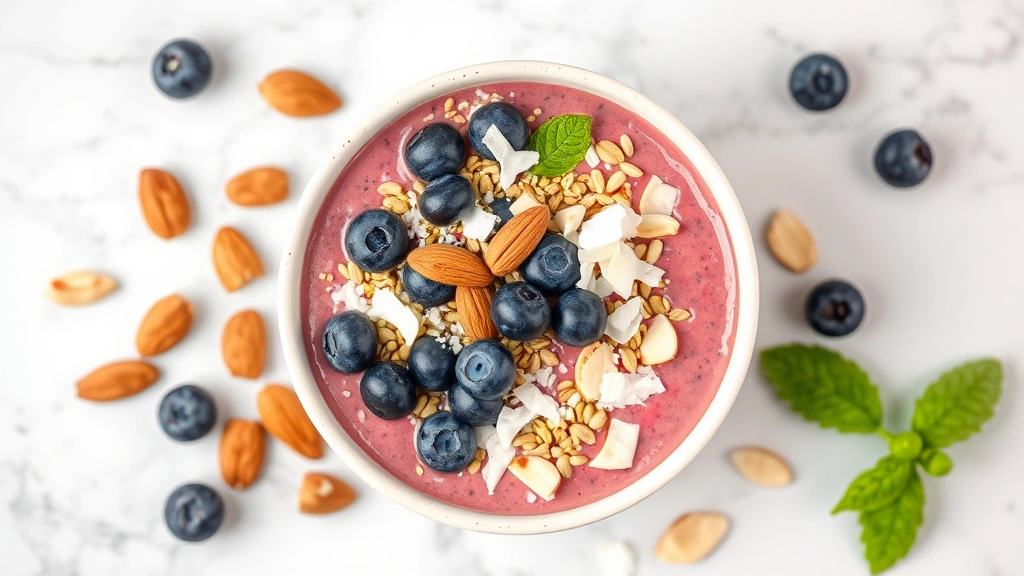
Recipe 4: Pink Salt Mineral Smoothie Bowl
- 1 cup unsweetened almond milk
- ½ frozen banana (potassium, satiety)
- ½ cup frozen blueberries (anthocyanins, antioxidants)
- 2 tablespoons almond butter (magnesium, healthy fats)
- 1 scoop plant-based or whey protein powder
- Pinch of pink Himalayan salt
- Toppings: raw almonds, pumpkin seeds, coconut flakes, hemp seeds
Preparation: Blend liquid, frozen fruit, nut butter, protein, and salt until thick. Pour into bowl and top with nutrient-dense seeds and nuts. The pink salt enhances flavor perception, reducing need for added sweeteners while supporting mineral intake. This 350-calorie meal provides complete amino acids, healthy fats, and sustained energy for morning workouts.
Hydration Protocol for Metabolic Support
Strategic hydration represents one of the most underutilized weight loss mechanisms. Studies published in Obesity journal demonstrate that pre-meal water consumption reduces caloric intake by 13-30% through enhanced satiety signaling. Adding pink Himalayan salt to your hydration strategy optimizes this effect.
The recommended protocol involves consuming 500 milliliters of pink salt-infused water (approximately ⅛ teaspoon pink salt per 500ml) upon waking, before each main meal, and post-workout. This timing supports:
- Morning consumption: Activates digestive enzymes and primes metabolic function after overnight fasting
- Pre-meal intake: Enhances satiety signals, reducing total caloric consumption by 10-15%
- Post-workout hydration: Replenishes electrolytes lost through perspiration, supporting recovery and preventing performance degradation in subsequent sessions
The sodium-potassium balance in pink salt-enhanced water supports cellular hydration superior to plain water alone. Intracellular hydration directly impacts enzyme function, muscle protein synthesis, and metabolic rate. Athletes and fitness professionals increasingly recognize this principle, with elite training facilities incorporating mineral-enhanced hydration protocols.
Integrating Pink Salt Into Your Nutrition Strategy
Effective weight loss requires systematic integration of all dietary components. Pink salt recipes work optimally within comprehensive nutrition frameworks that emphasize evidence-based weight loss strategies and personalized caloric targets.
Step 1: Establish your caloric baseline using metabolic testing or calculation formulas. This determines your sustainable deficit (typically 300-500 calories below maintenance for healthy loss of 1-2 pounds weekly).
Step 2: Allocate macronutrient targets with emphasis on protein (0.8-1.2g per pound of body weight), which supports muscle preservation during deficits and enhances satiety. Pink salt recipes should complement protein-focused meals, not replace them.
Step 3: Incorporate hydration protocols as described above. Schedule pink salt hydration 15-20 minutes before meals to maximize satiety benefits without diluting digestive function.
Step 4: Combine dietary strategies with progressive resistance training and moderate cardiovascular exercise. The synergistic effect of nutrition and physical activity produces superior results compared to either intervention alone.
Step 5: Monitor progress through multiple metrics: bodyweight (weekly average), body composition (monthly), performance metrics (strength gains, endurance improvements), and subjective markers (energy, sleep quality, digestion).
Forbes contributor research on wellness and nutrition trends emphasizes that sustainable approaches integrate behavioral, nutritional, and exercise components rather than relying on isolated ingredients or supplements.
Safety Considerations and Sodium Guidelines
While pink salt offers mineral benefits, sodium intake requires careful management. The American Heart Association recommends limiting sodium to 2,300 milligrams daily, though recent research suggests this may be overly restrictive for active individuals who lose sodium through perspiration.
Safe pink salt integration requires awareness of total sodium intake from all sources:
- Processed foods: Typically contribute 75% of daily sodium intake
- Cooking with pink salt: 1 teaspoon adds 388mg sodium
- Hydration protocols: ⅛ teaspoon in water adds 48mg sodium
For individuals with hypertension, kidney disease, or salt sensitivity, consult healthcare providers before increasing salt intake. The presence of trace minerals in pink salt does not eliminate sodium’s cardiovascular effects in susceptible populations.
Conversely, athletes engaging in prolonged endurance activities (>90 minutes) may benefit from slightly elevated sodium intake to prevent hyponatremia (dangerously low blood sodium). This context-dependent approach demonstrates that optimal salt intake varies significantly based on individual physiology, activity level, and health status.
Expert Recommendations and Research
Leading nutritionists increasingly recognize that mineral balance, rather than mineral quantity, drives metabolic optimization. Dr. Mark Hyman and the Institute for Functional Medicine emphasize that electrolyte balance supports mitochondrial function—the cellular energy factories that determine metabolic rate.
Research from the Tufts University Friedman School of Nutrition Science and Policy indicates that whole-food mineral sources (vegetables, fruits, nuts, seeds) should comprise the foundation of mineral intake, with strategic salt supplementation serving a supporting role. This hierarchy prevents excessive sodium while optimizing mineral ratios.
A meta-analysis in Nutrients Journal examined 47 studies on salt intake and weight management, concluding that sodium’s primary weight loss relevance stems from its role in fluid balance rather than direct metabolic effects. However, proper electrolyte balance enables sustained exercise performance, which indirectly supports weight loss through increased caloric expenditure.
The consensus among sports nutritionists emphasizes that pink salt recipes excel as performance and recovery support tools rather than direct weight loss agents. Their value emerges when combined with resistance training, adequate protein intake, and consistent caloric deficits—the proven fundamentals of sustainable fat loss.
Additionally, combining pink salt strategies with evidence-based cardio exercises creates synergistic effects that optimize both metabolic rate and body composition changes.


