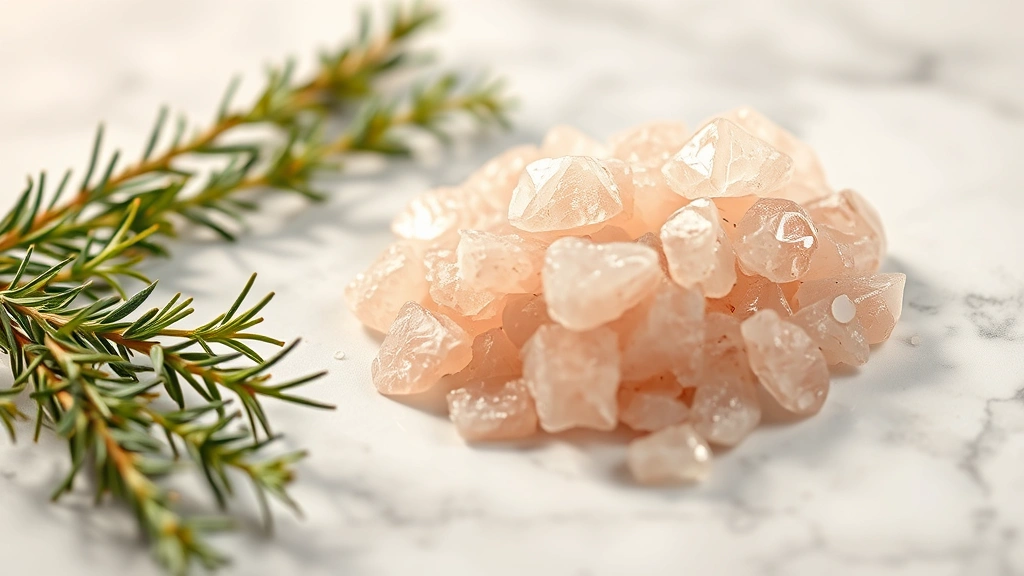
Pink Salt: Weight Loss Aid? Expert Insights on This Popular Trend
Pink Himalayan salt has become a wellness darling in recent years, with proponents claiming it supports weight loss, improves hydration, and offers superior nutritional benefits compared to regular table salt. But does this trendy mineral actually help you shed pounds, or is it simply another internet fad? As a weight loss expert, I’m here to break down the science behind pink salt and whether it deserves a place in your weight management strategy.
The truth is nuanced. While pink salt contains trace minerals that regular salt lacks, the evidence supporting its role as a weight loss aid remains limited. Understanding what pink salt actually does—and what it doesn’t—is essential for making informed dietary choices. This guide explores the claims, examines the science, and reveals how salt consumption genuinely impacts your weight loss journey.

What Is Pink Himalayan Salt?
Pink Himalayan salt originates from ancient salt deposits in the Khewra Salt Mine located in Pakistan’s Punjab region, near the Himalayan mountains. Formed over 250 million years ago from evaporated seawater, this mineral-rich salt has gained popularity as a gourmet and wellness product. Its distinctive pink hue comes from trace minerals including potassium, magnesium, and calcium.
The marketing narrative surrounding pink salt often emphasizes its “purity” and “natural” origins compared to refined table salt. However, it’s important to distinguish between marketing claims and scientific evidence. While pink salt does contain additional minerals, the concentrations are typically too small to significantly impact daily nutritional intake when used as a seasoning.
Many wellness enthusiasts believe that consuming pink salt in various forms—from sole water (salt dissolved in water) to pink salt lamps—can detoxify the body and support weight loss. These claims have proliferated on social media, creating widespread interest among people seeking natural weight management solutions.

Nutritional Composition and Mineral Content
Pink Himalayan salt’s composition differs slightly from standard table salt, which is primarily sodium chloride (NaCl) with added iodine and anti-caking agents. A typical analysis of pink salt reveals approximately 98% sodium chloride with 2% trace minerals, including:
- Potassium (essential for nerve function and muscle contractions)
- Magnesium (supports muscle relaxation and energy production)
- Calcium (critical for bone health)
- Iron (necessary for oxygen transport)
- Sulfate (supports joint and connective tissue health)
While these minerals are beneficial for health, the quantities present in pink salt are minimal. For example, one teaspoon of pink salt contains only trace amounts of potassium—far less than you’d obtain from a single banana. To significantly boost mineral intake through pink salt alone would require consuming dangerously high levels of sodium.
The FDA recommends limiting sodium intake to less than 2,300 mg daily (about one teaspoon of salt), making it impossible to substantially increase mineral intake through salt consumption without exceeding safe sodium levels.
Does Pink Salt Actually Aid Weight Loss?
The direct evidence supporting pink salt as a weight loss tool is virtually nonexistent. No peer-reviewed clinical studies specifically demonstrate that pink Himalayan salt promotes fat loss or weight reduction compared to other salt sources.
The weight loss claims surrounding pink salt typically stem from several unsubstantiated mechanisms:
- Metabolic Boost: Some claim pink salt increases metabolism through its mineral content. However, the trace mineral amounts don’t significantly influence metabolic rate.
- Appetite Suppression: Others suggest pink salt reduces hunger. This lacks clinical evidence and contradicts sodium’s typical effect of increasing thirst.
- Detoxification: Popular wellness narratives claim pink salt “detoxifies” the body. Your kidneys and liver handle detoxification; salt plays no special role in this process.
- Electrolyte Balance: While pink salt does contain electrolytes, regular salt provides sodium and chloride equally effectively for electrolyte balance.
The reality is that salt consumption—regardless of type—doesn’t directly cause weight loss. In fact, excessive sodium intake is associated with water retention and increased blood pressure, which can temporarily increase scale weight and complicate weight loss efforts.
If you’re interested in evidence-based weight loss strategies, consider exploring best protein bars for weight loss, which provide tangible nutritional benefits. Alternatively, weight loss smoothie recipes offer nutrient-dense options that support satiety and calorie control.
Salt and Water Retention: The Real Connection
Understanding how salt affects water retention is crucial for anyone pursuing weight loss. Sodium is an electrolyte that regulates fluid balance in your body. When sodium intake increases, your body retains more water to maintain proper osmotic balance. This is a normal physiological response, not a sign of fat gain.
This water retention effect explains why some people experience temporary weight fluctuations after consuming high-sodium foods. A single salty meal might show a 1-3 pound increase on the scale within hours, but this represents water, not body fat. Once sodium levels normalize and your kidneys excrete excess sodium, this water weight returns to baseline.
For weight loss purposes, managing sodium intake is actually more important than the salt’s color or mineral content. Excessive sodium consumption can:
- Increase thirst and encourage higher calorie beverage intake
- Trigger water retention that masks actual fat loss progress
- Elevate blood pressure and increase cardiovascular disease risk
- Potentially contribute to insulin resistance in some individuals
Rather than seeking special salts for weight loss, focus on controlling overall sodium intake while ensuring adequate mineral intake through whole foods like vegetables, legumes, and nuts.
Pink Salt vs. Regular Salt for Weight Loss
When comparing pink salt to regular table salt from a weight loss perspective, the differences are negligible. Both are primarily sodium chloride, and both affect your body similarly.
Pink Salt Advantages:
- Contains trace minerals (though in insufficient quantities for meaningful nutritional impact)
- No anti-caking additives like sodium aluminosilicate found in some table salts
- May taste slightly different to some palates, potentially reducing overall salt consumption
Pink Salt Disadvantages:
- Significantly more expensive than table salt
- May lack iodine, an essential mineral for thyroid function (table salt is typically iodized)
- No proven metabolic or weight loss benefits
- Same sodium content and water retention effects as regular salt
From a pure weight loss standpoint, neither salt type provides an advantage. What matters is total sodium consumption, not the salt’s source. Some people find that switching to pink salt helps them reduce overall salt intake due to its stronger flavor, which could indirectly support weight loss efforts through lower sodium consumption.
For more substantial weight loss support, explore best fruits for fat loss, which provide fiber, vitamins, and natural satiety without the sodium concerns associated with salt.
How Much Pink Salt Is Safe?
The American Heart Association recommends limiting sodium to less than 2,300 mg daily, with an ideal limit of 1,500 mg for optimal heart health. One teaspoon of salt (any type) contains approximately 2,300 mg of sodium, making it easy to exceed recommended limits.
For weight loss specifically, some research suggests that maintaining sodium intake toward the lower end of acceptable ranges may support better weight management by reducing water retention and promoting more stable blood sugar. However, completely eliminating salt is neither practical nor healthy—sodium is essential for nerve function, muscle contraction, and fluid balance.
A practical approach involves:
- Using salt sparingly in cooking and at the table
- Reading food labels to identify hidden sodium in processed foods
- Choosing whole, unprocessed foods when possible
- Using herbs and spices to flavor food instead of relying on salt
- Ensuring adequate potassium intake to balance sodium’s effects
If you choose pink salt, use it in the same modest quantities you’d use regular salt. The mineral content won’t justify consuming additional salt beyond recommended limits.
Incorporating Pink Salt Into a Weight Loss Plan
If you prefer pink salt for taste or philosophical reasons, it can certainly be incorporated into a healthy weight loss plan—as long as you maintain appropriate sodium limits. Here’s how to use it effectively:
Best Uses for Pink Salt:
- Finishing Salt: Sprinkle on dishes just before serving to maximize flavor impact while using less overall
- Cooking: Use in boiling water for pasta or vegetables, where a small amount goes a long way
- Seasoning Blends: Mix with dried herbs to create lower-sodium flavor combinations
- Fermented Foods: Use in small quantities when fermenting vegetables, which adds probiotics to support digestive health
Avoid These Practices:
- Drinking pink salt sole water as a weight loss cure
- Using pink salt lamps expecting metabolic benefits (they don’t affect salt intake meaningfully)
- Consuming excessive amounts based on mineral content claims
- Replacing other nutritional strategies with pink salt supplementation
Remember that sustainable weight loss depends on calorie balance, nutrient density, and consistent healthy habits—not on special salt varieties. If you’re looking for structured dietary approaches, weight loss on keto diet explores one popular framework, though success ultimately depends on adherence and individual metabolic factors.
Better Strategies for Sustainable Weight Loss
Rather than investing hope and money in pink salt, direct your energy toward evidence-based weight loss strategies that actually work:
Nutritional Foundation:
- Prioritize protein intake to support muscle preservation and satiety—explore best protein bars for weight loss for convenient options
- Consume adequate fiber through whole grains, vegetables, and legumes
- Include healthy fats from nuts, seeds, and olive oil for hormone support and satisfaction
- Incorporate best fruits for fat loss for nutrient density without excessive calories
Behavioral Strategies:
- Create a sustainable caloric deficit (500-750 calories below maintenance for 1-1.5 pounds weekly loss)
- Practice mindful eating to recognize hunger and fullness cues
- Track food intake to build awareness without obsession
- Prioritize sleep (7-9 hours nightly) to regulate hunger hormones
- Manage stress through meditation, exercise, or other techniques
Physical Activity:
- Combine resistance training to preserve muscle mass during weight loss
- Include cardiovascular activity for calorie expenditure and heart health
- Increase daily movement through walking, stairs, and non-exercise activity
Psychological Support:
- Seek motivational quotes for weight loss to maintain mental resilience
- Consider working with registered dietitians or weight loss counselors
- Join supportive communities focused on sustainable habits
- Review weight loss before and after men transformations and tips for realistic expectations and proven approaches
These strategies address the fundamental factors controlling weight: calorie balance, nutrient intake, hormonal health, and behavioral patterns. While less exciting than discovering a “secret” salt, they deliver consistent, sustainable results.
FAQ
Does pink salt boost metabolism?
No, pink salt does not boost metabolism. While it contains trace minerals, the quantities are insufficient to meaningfully affect metabolic rate. Metabolism is primarily influenced by muscle mass, age, genetics, and hormonal factors—not salt type or color.
Can pink salt sole water help with weight loss?
Pink salt sole water lacks scientific evidence supporting weight loss claims. Drinking excess salt water may actually increase sodium intake beyond healthy limits, leading to water retention rather than fat loss. Stick to plain water for hydration during weight loss efforts.
Is pink salt better than sea salt for weight loss?
From a weight loss perspective, pink salt and sea salt are essentially equivalent. Both are primarily sodium chloride with minimal trace minerals. Neither offers special weight loss benefits compared to regular table salt. Choose based on taste preference and budget rather than weight management potential.
Does pink salt contain iodine?
Pink salt typically contains little to no iodine, unlike iodized table salt. Iodine is essential for thyroid function, which affects metabolism and overall health. If you switch to pink salt, ensure adequate iodine intake through seaweed, dairy, or eggs.
How much pink salt can I safely consume daily?
The same recommendation applies to pink salt as regular salt: limit sodium to less than 2,300 mg daily (about one teaspoon of salt). Most people should aim for 1,500 mg for optimal health. This applies regardless of salt type.
Will pink salt help me lose water weight quickly?
Actually, excess pink salt may cause temporary water retention, potentially increasing scale weight. For weight loss, you want to manage sodium intake moderately—not increase it. Sustainable fat loss comes from calorie balance and consistent habits, not quick water weight tricks.
Can I use pink salt as a complete salt replacement?
You can use pink salt as a salt replacement if you prefer, but ensure you’re not exceeding sodium limits and consider iodine intake. However, there’s no nutritional advantage to replacing regular salt with pink salt for weight loss purposes.


