Pink Salt Weight Loss: Nutritionist Review
Pink Himalayan salt has become a trendy wellness ingredient, with claims that it can support weight loss and metabolic health. But does this picturesque mineral actually deliver results, or is it just another internet fad? As a nutritionist, I’m here to break down the science behind pink salt and explore whether it truly plays a role in sustainable healthy meal plans for weight loss.
The pink salt weight loss trick has gained significant traction on social media, with proponents claiming it boosts metabolism, reduces water retention, and suppresses appetite. While pink salt does contain trace minerals that white table salt lacks, the evidence supporting its direct weight loss effects remains limited. In this comprehensive review, we’ll examine what makes pink salt different, what the research actually says, and how it fits into an evidence-based approach to weight loss encouragement and sustainable health.
What Is Pink Himalayan Salt?
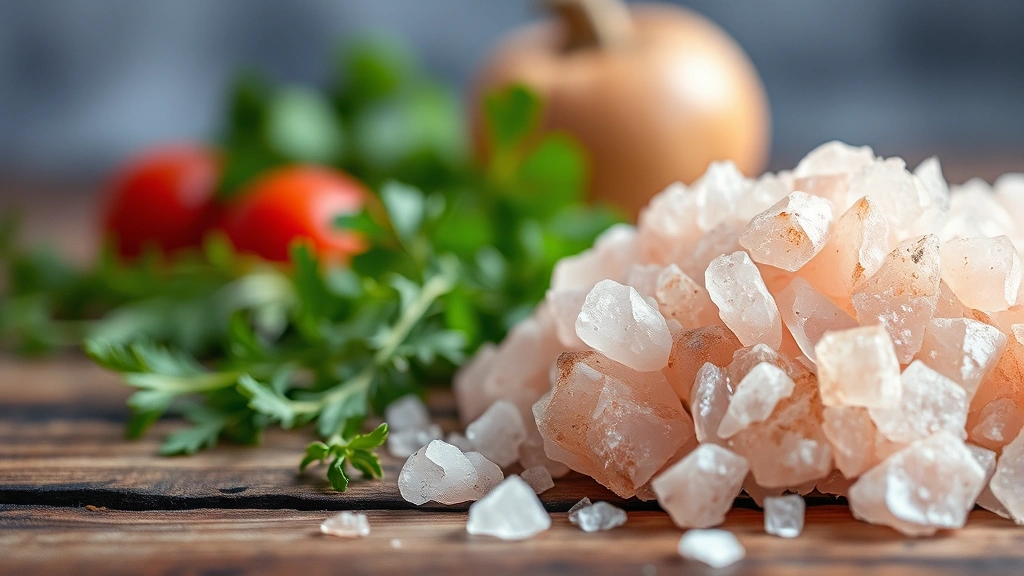
Pink Himalayan salt is mined from ancient salt deposits in the Khewra Salt Mine located in Pakistan’s Punjab region, near the Himalayan mountains. This salt crystallized millions of years ago from evaporated seawater and remained preserved underground, sheltered from modern pollution. The distinctive pink and reddish hues come from trace minerals and iron oxide present in the salt crystals.
Unlike refined table salt, which undergoes extensive processing that removes most minerals, pink Himalayan salt is minimally processed. It’s typically hand-mined and crushed into various grain sizes for culinary use. The salt contains approximately 98% sodium chloride (NaCl), with the remaining 2% composed of trace minerals including potassium, magnesium, calcium, and iron. These mineral constituents are what distinguish it from standard table salt and fuel many of the health claims surrounding it.
The mineral profile has made pink salt popular among wellness enthusiasts and alternative health practitioners. However, the concentration of these beneficial minerals is relatively low—so low that consuming realistic amounts of pink salt won’t meaningfully contribute to your daily mineral needs. Understanding this distinction is crucial when evaluating whether pink salt can truly support weight loss goals.
Pink Salt vs. Table Salt: Key Differences
The primary differences between pink Himalayan salt and conventional table salt relate to processing methods and mineral content. Table salt is heavily refined, bleached, and often contains anti-caking agents like sodium aluminosilicate. The refining process removes trace minerals, leaving behind primarily sodium chloride with added iodine for thyroid health.
Pink salt, by contrast, undergoes minimal processing. It retains its naturally occurring trace minerals without additives. Many people prefer pink salt for its perceived purity and mineral content. However, this doesn’t necessarily translate to superior health outcomes when consumed in typical dietary amounts.
Another notable difference is taste perception. Some individuals report that pink salt has a slightly different flavor profile than table salt, describing it as less harsh or more complex. This is subjective, but if a product encourages healthier eating patterns through improved taste satisfaction, it may indirectly support weight management.
The iodine content presents an important consideration. Table salt is fortified with iodine to prevent thyroid disease and support proper metabolism. Pink Himalayan salt contains minimal iodine naturally. If you switch entirely to pink salt without supplementing iodine elsewhere, you could develop a deficiency that actually slows metabolism and complicates weight loss efforts. This is a critical oversight in many pink salt weight loss claims.
The Weight Loss Claims Examined
The pink salt weight loss trick circulating online typically makes several specific claims. Let’s examine each one with scientific scrutiny:
- Claim: Pink salt boosts metabolism. The trace minerals in pink salt, particularly potassium and magnesium, do play roles in cellular energy production and metabolic function. However, the amounts present in realistic salt consumption are negligible. You’d receive far greater benefits from consuming mineral-rich foods like leafy greens, nuts, and legumes. No peer-reviewed studies demonstrate that pink salt consumption increases metabolic rate or energy expenditure.
- Claim: Pink salt suppresses appetite. Some proponents suggest that the mineral content in pink salt enhances satiety signals. Again, the mineral concentration is too low to produce measurable appetite-suppressing effects. Actual appetite suppression comes from adequate protein intake, fiber consumption, and proper hydration—not from salt choice.
- Claim: Pink salt reduces bloating and water retention. This claim contradicts basic physiology. Sodium, whether from pink or white salt, increases water retention when consumed in excess. While some people experience temporary weight reduction after restricting salt intake, this represents water loss, not fat loss. The effect is neither sustainable nor healthy.
- Claim: Pink salt improves digestion and nutrient absorption. While adequate salt is necessary for stomach acid production and digestive function, pink salt offers no advantage over regular salt in this regard. Both contain sodium chloride in similar proportions.
The reality is that no credible research from organizations like the Academy of Nutrition and Dietetics supports pink salt as a weight loss tool. Weight loss fundamentally depends on creating a caloric deficit through balanced nutrition and physical activity—not on mineral salt selection.
Sodium and Water Retention
Understanding sodium’s relationship with water retention is essential for evaluating pink salt weight loss claims. Sodium is an electrolyte that regulates fluid balance in your body. When sodium intake increases, your body retains more water to maintain proper osmotic balance. Conversely, restricting sodium can lead to temporary water weight loss.
This is why some people notice they feel less bloated after reducing salt intake. However, this effect is temporary and related to water, not fat. Once normal sodium consumption resumes, water weight returns. More importantly, severely restricting sodium is unhealthy and can impair muscle function, cardiovascular health, and electrolyte balance.
The sodium content in pink Himalayan salt is virtually identical to table salt—approximately 97-98% sodium chloride by weight. Switching to pink salt doesn’t reduce sodium intake unless you consciously use less salt overall, which you could do with any salt variety. The color and mineral trace elements don’t alter sodium’s effects on water retention.
For sustainable weight loss, the goal should be managing total sodium intake appropriately (generally 1,500-2,300 mg daily according to health guidelines), not switching salt types. Excessive sodium from processed foods, not from cooking salt, typically accounts for most dietary sodium intake in developed nations.
Mineral Content and Metabolism
The trace minerals in pink Himalayan salt do support metabolic function when consumed in adequate quantities. Potassium regulates muscle contractions and heart rhythm. Magnesium activates hundreds of enzymes involved in energy production. Calcium supports bone health and muscle function. Iron carries oxygen in blood.
However, the amounts present in pink salt are far too minimal to meaningfully contribute to daily mineral requirements. A typical serving of salt (one teaspoon) contains roughly 2,300 mg sodium but only trace amounts of other minerals—often less than 1-2% of daily recommended values.
To illustrate the inefficiency: you’d need to consume dangerous amounts of salt to obtain meaningful quantities of these minerals. A much more effective approach involves incorporating mineral-rich whole foods. Spinach provides abundant magnesium and potassium. Almonds offer magnesium and calcium. Beans supply iron and potassium. These foods deliver minerals alongside fiber, vitamins, and phytonutrients that actually support metabolic health and weight management.
If you’re concerned about mineral intake for metabolic health, focus on whole food sources rather than relying on salt. This approach aligns with evidence-based nutrition and supports overall wellness far more effectively than the pink salt weight loss trick.
The Real Role of Salt in Weight Loss
Salt itself doesn’t cause weight gain or weight loss. Your body requires sodium for proper nerve function, muscle contraction, and fluid balance. The relationship between salt and weight management is indirect and relates primarily to appetite, food choices, and water retention.
Excessive salt consumption can increase thirst and encourage drinking calorie-containing beverages, indirectly supporting weight gain. Additionally, salty processed foods are often calorie-dense and nutrient-poor, making overconsumption easy. By choosing less salty foods and preparing meals at home, you naturally reduce calories and improve nutritional quality—supporting weight loss through mechanism unrelated to salt type.
Some research suggests that salt taste preferences influence food choices. If you find pink salt more palatable for cooking vegetables and lean proteins, you might eat more of these foods, indirectly supporting weight loss. This represents a behavioral effect, not a physiological property of pink salt itself.
Proper hydration is genuinely important for weight loss, and salt plays a role in maintaining electrolyte balance during increased water intake and exercise. However, any salt variety accomplishes this equally. The pink salt weight loss trick conflates these legitimate salt functions with false claims about metabolic enhancement.
When incorporating salt into a weight loss plan, focus on total intake rather than type. Use salt to enhance the flavor of whole foods like vegetables, lean proteins, and whole grains. This supports adherence to healthy meal plans for weight loss by making nutritious foods more appealing.
How to Use Pink Salt Safely
If you choose to use pink Himalayan salt, do so safely and realistically. Pink salt is safe for most people when used in normal culinary quantities. The minimal trace minerals it contains won’t cause harm, but they also won’t provide the miraculous weight loss benefits claimed online.
Here are evidence-based guidelines for salt use:
- Monitor total sodium intake. Aim for 1,500-2,300 mg daily according to current health guidelines. This applies regardless of salt type. Use a food tracking app to monitor intake if you’re concerned about excessive sodium consumption.
- Choose iodized salt sometimes. If you use pink salt exclusively, ensure you obtain iodine from other sources—iodized table salt, seafood, dairy, or seaweed. Iodine deficiency impairs thyroid function and metabolism, potentially complicating weight loss efforts.
- Use salt to enhance whole foods. Season vegetables, lean proteins, and whole grains with salt to improve palatability and encourage consumption of nutritious foods. This indirect benefit supports weight management better than any direct metabolic effect.
- Don’t rely on salt for mineral supplementation. Obtain minerals from whole foods, not from salt. Eat diverse vegetables, fruits, nuts, seeds, and legumes to meet mineral needs comprehensively.
- Avoid excessive salt restriction. While reducing sodium from processed foods is wise, completely restricting salt is unhealthy. Your body needs sodium for proper function.
Pink salt is a fine choice if you prefer it aesthetically or taste-wise, but don’t expect weight loss miracles. Treat it as a neutral seasoning ingredient, not a weight loss supplement.
Better Strategies for Sustainable Weight Loss
Rather than chasing the pink salt weight loss trick, invest in evidence-based strategies that actually produce results. Sustainable weight loss depends on creating a caloric deficit, building healthy habits, and maintaining them long-term.
Prioritize protein intake. Protein increases satiety, boosts metabolic rate slightly, and preserves muscle during weight loss. Include protein at each meal through sources like poultry, fish, eggs, legumes, and dairy. If whole foods don’t meet your needs, best protein shakes for weight loss can supplement your diet effectively.
Emphasize whole foods and fiber. Vegetables, fruits, whole grains, and legumes provide fiber that promotes satiety and stable blood sugar. These foods naturally support weight management better than any single ingredient or mineral.
Plan meals strategically. Develop healthy meal plans for weight loss that balance macronutrients, include satisfying foods you enjoy, and fit your lifestyle. Planning prevents impulsive food choices that derail weight loss.
Stay hydrated. Drinking adequate water supports metabolism, promotes satiety, and improves overall health. Proper hydration is far more important than salt type.
Exercise regularly. Combine resistance training with cardiovascular activity. Exercise supports weight loss, builds muscle, improves metabolism, and enhances mental health—multiple benefits that salt cannot provide.
Consider professional guidance. Working with a registered dietitian or certified weight loss specialist provides personalized strategies based on your individual health, preferences, and goals. Professional support significantly improves weight loss success rates.
Explore evidence-based options. If lifestyle modifications alone aren’t producing results, discuss options like before and after tirzepatide weight loss results with your healthcare provider. Medications and supplements with clinical evidence may support your efforts when appropriate.
Maintain motivation and support. Seek weight loss encouragement from communities, professionals, or friends. Social support and accountability significantly improve adherence and outcomes.
Explore complementary approaches. Some people find that supplements like does ashwagandha help with weight loss support their efforts through stress reduction and sleep improvement, though direct weight loss effects are modest.
Optimize convenience strategically. When life gets busy, best frozen meals for weight loss can help maintain nutrition and portion control when whole food preparation isn’t feasible.
These evidence-based strategies work because they address the actual mechanisms of weight loss and health: caloric balance, nutrient density, physical activity, sleep, stress management, and behavioral consistency. The pink salt weight loss trick, by contrast, relies on wishful thinking rather than science.
FAQ
Does pink salt actually help with weight loss?
No. Pink Himalayan salt contains no compounds that directly promote weight loss. While it contains trace minerals, the amounts are negligible. Weight loss depends on creating a caloric deficit through balanced nutrition and physical activity—not on salt type. The pink salt weight loss trick is marketing rather than science.
Is pink salt healthier than table salt?
Pink salt and table salt are nutritionally similar, both containing approximately 98% sodium chloride. Table salt includes iodine, which pink salt lacks, making iodized table salt superior for thyroid health. Pink salt’s trace minerals are present in such small quantities that they don’t meaningfully contribute to daily mineral needs. Choose based on preference, but don’t expect superior health outcomes from switching.
Can salt cause water retention and bloating?
Yes. Excess sodium increases water retention as your body maintains osmotic balance. However, this represents temporary water weight, not fat gain. Reducing sodium can cause temporary water loss, but this effect is neither sustainable nor desirable long-term. Both pink and white salt affect water retention identically.
How much pink salt is safe to consume daily?
Health guidelines recommend 1,500-2,300 mg sodium daily for most adults. This applies regardless of salt type. One teaspoon of salt (pink or white) contains approximately 2,300 mg sodium, so limit intake accordingly. Excessive salt consumption increases blood pressure and cardiovascular disease risk.
Should I switch to pink salt if I’m trying to lose weight?
Switching salt types won’t meaningfully impact weight loss. If you prefer pink salt aesthetically or taste-wise, use it. But don’t expect weight loss benefits. Instead, focus on proven strategies: creating a caloric deficit, eating whole foods, including adequate protein and fiber, staying hydrated, exercising regularly, and seeking professional support if needed.
Does pink salt improve metabolism?
No. While the trace minerals in pink salt (potassium, magnesium, etc.) do support metabolic function when consumed in adequate quantities, the amounts in salt are far too small to impact metabolism measurably. Obtain these minerals from whole foods like vegetables, nuts, seeds, and legumes instead.
Can I replace iodized salt entirely with pink salt?
Not without ensuring adequate iodine from other sources. Pink Himalayan salt contains minimal iodine. Iodine deficiency impairs thyroid function and can slow metabolism, complicating weight loss efforts. If using pink salt exclusively, obtain iodine from iodized salt occasionally, seafood, dairy products, or seaweed.


