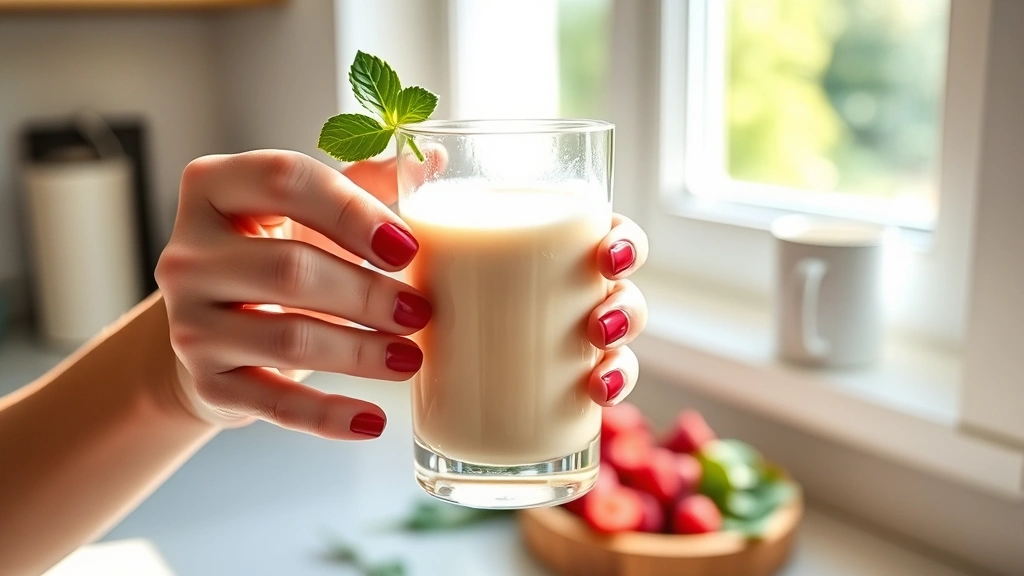
Protein Powder for Women: Nutritionist’s Weight Loss Tips
Protein powder has become a game-changer for women pursuing sustainable weight loss. Unlike restrictive diets that leave you feeling depleted, incorporating quality protein into your daily routine supports muscle preservation, boosts metabolism, and helps you feel satisfied between meals. Whether you’re new to fitness or refining your nutrition strategy, understanding how to leverage protein powder effectively can transform your weight loss journey.
Women often face unique nutritional challenges when losing weight. Hormonal fluctuations, lower baseline muscle mass compared to men, and social pressures around food create a complex landscape. Protein powder offers a convenient, scientifically-backed solution that addresses these challenges head-on. This guide will walk you through everything you need to know about selecting, using, and maximizing protein powder for sustainable weight loss results.
Why Protein Powder Works for Women’s Weight Loss
Protein is the most satiating macronutrient available. When you consume adequate protein, your body releases hormones that signal fullness to your brain, reducing overall calorie intake without requiring willpower or restriction. Research published in the American Journal of Clinical Nutrition demonstrates that women who increase protein intake experience greater appetite suppression and more stable blood sugar levels throughout the day.
Beyond appetite control, protein preserves lean muscle mass during weight loss. Women naturally have lower muscle density than men, making muscle preservation critical. When you lose weight without adequate protein, you risk losing muscle alongside fat—a scenario that slows metabolism and makes future weight loss harder. Protein powder ensures your body prioritizes fat loss while maintaining the metabolic machinery that keeps your weight stable long-term.
Thermogenesis represents another powerful benefit. Your body burns calories digesting protein—approximately 20-30% of protein calories are burned during digestion, compared to 5-10% for carbohydrates and 0-3% for fats. This metabolic boost is particularly valuable for women, whose resting metabolic rates tend to be lower than men’s. By incorporating protein powder strategically, you’re essentially creating a passive calorie deficit while supporting your body’s nutritional needs.
Hormonal balance matters tremendously for women’s weight loss success. Protein influences hormones like glucagon, peptide YY, and ghrelin—all involved in hunger regulation. Additionally, adequate protein supports healthy estrogen metabolism and helps stabilize cortisol levels, reducing stress-related weight gain. Understanding this hormonal component explains why protein powder works differently for women than restrictive calorie-cutting approaches.
When exploring weight loss and protein intake fundamentals, you’ll discover that consistency matters more than perfection. Protein powder provides that consistency by removing guesswork from your nutrition plan.
Types of Protein Powders: Finding Your Best Match
Whey Protein Isolate remains the gold standard for most women. It contains all nine essential amino acids, absorbs quickly, and provides approximately 25-30 grams of protein per serving. Whey isolate is particularly filtered to remove lactose and fat, making it ideal for women prioritizing lean gains and digestive comfort. The bioavailability is excellent, meaning your body efficiently utilizes the amino acids for muscle repair and recovery.
Plant-Based Protein Powders offer excellent options for vegan women or those with dairy sensitivities. Pea protein, hemp protein, and blended plant formulas provide complete amino acid profiles when properly combined. While plant proteins absorb slightly slower than whey, they offer additional benefits like fiber content and phytonutrients. Women choosing plant-based options should ensure they’re getting adequate leucine—the amino acid most critical for muscle protein synthesis—by selecting blended formulas or combining with leucine-rich foods.
Casein Protein digests slowly, making it perfect for evening consumption or meal replacement. The slower absorption creates sustained amino acid release, keeping you satisfied for hours. Many women find casein particularly useful before bed, as it supports overnight muscle recovery and prevents morning hunger pangs.
Collagen Protein deserves special mention for women concerned about skin elasticity during weight loss. While collagen doesn’t contain all essential amino acids, it provides glycine and proline—amino acids crucial for skin, hair, and joint health. Many women combine collagen with other protein sources to get both complete amino acid profiles and collagen’s beauty-supporting benefits.
Your choice depends on digestive tolerance, dietary preferences, taste preferences, and specific goals. Experiment with small quantities before committing to large containers. Many brands offer sample sizes or single-serving packets perfect for testing compatibility.
How Much Protein Do Women Actually Need?
The standard recommendation of 0.8 grams per kilogram of body weight applies to sedentary individuals. However, women pursuing weight loss benefit from higher intake: 1.2-1.6 grams per kilogram of body weight, or approximately 0.55-0.73 grams per pound of body weight.
For a 150-pound woman, this translates to 82-110 grams of protein daily. Rather than fixating on exact numbers, aim for 25-40 grams per meal across three meals, plus optional snacks. This distribution optimizes muscle protein synthesis and maintains steady satiety throughout the day.
Individual needs vary based on activity level, age, and metabolism. Women engaging in regular strength training benefit from the higher end of recommendations. Older women may require slightly more protein to counteract age-related muscle loss. Consulting with a registered dietitian personalizes recommendations for your unique situation.
Timing matters less than total daily intake, despite popular myths about “anabolic windows.” What matters most is consistent protein consumption throughout the day. Protein powder helps achieve this consistency by making high-protein meals quick and convenient.
Integrating Protein Powder Into Your Daily Routine
Breakfast Smoothies represent the most obvious application. Blend protein powder with frozen berries, spinach, Greek yogurt, and almond milk for a complete meal under 300 calories. This breakfast approach stabilizes blood sugar, prevents mid-morning energy crashes, and sets a positive tone for the day’s eating patterns.
Protein Pancakes and Oatmeal offer satisfying alternatives. Mix protein powder directly into pancake batter or stir into cooked oatmeal. These warm options feel more indulgent than smoothies, increasing adherence for women who struggle with liquid meals.
Greek Yogurt Parfaits layer protein powder mixed with plain yogurt, granola, and berries. This combination provides probiotics for gut health alongside muscle-building protein—a synergistic approach that addresses multiple health dimensions.
Protein Coffee blends protein powder into your morning coffee for a convenient caffeine-and-protein boost. Cold brew mixed with vanilla or mocha protein powder creates a coffee-shop quality beverage that feels like a treat rather than a diet tactic.
Baking Applications expand possibilities. Protein powder substitutes partially for flour in brownies, cookies, and muffins, increasing protein content while reducing refined carbohydrates. This approach satisfies sweet cravings while supporting your weight loss goals. You’ll find that structured protein diet plans often include creative recipes beyond basic shakes.
Protein Puddings mix protein powder with Greek yogurt, milk, and chia seeds for a dessert-like treat. Refrigerate overnight for convenient grab-and-go breakfasts or post-workout snacks.
Soup and Savory Applications work surprisingly well. Unflavored or vanilla protein powder thickens soups while adding protein. Creamy soups particularly benefit from this addition, becoming more satiating without extra calories.
Maximizing Results: Combining Protein With Smart Habits
Protein powder alone doesn’t create weight loss—it’s a tool within a comprehensive approach. The most successful women combine protein supplementation with consistent habits across multiple domains.
Strength Training Synergy: Protein powder’s benefits multiply when paired with resistance exercise. Muscles need both amino acids and mechanical stimulus to grow. Women who strength train 2-3 times weekly while consuming adequate protein experience faster metabolism, improved body composition, and greater overall weight loss compared to diet-only approaches. The protein supports the recovery and adaptation your muscles undergo during training.
Hydration Foundation: Adequate water intake optimizes protein metabolism and supports weight loss. Aim for half your body weight in ounces daily, increasing with exercise. Protein powder mixed into water counts toward hydration while delivering nutrition.
Sleep Quality: Growth hormone, which supports fat loss and muscle preservation, peaks during deep sleep. Casein protein consumed before bed supports both sleep quality and overnight recovery. Most women notice improved sleep and reduced morning hunger when establishing an evening protein routine.
Stress Management: Elevated cortisol undermines weight loss despite perfect nutrition. Combining protein intake with stress-reduction practices—meditation, yoga, adequate sleep, social connection—creates hormonal conditions where your body releases stored fat more readily. This holistic approach explains why some women lose weight effortlessly while others struggle despite identical diets.
Fiber Integration: Protein powder alone doesn’t provide fiber. Pair powder with whole fruits, vegetables, and whole grains to maintain digestive health and extend satiety. This combination creates meals that satisfy both physically and nutritionally.
For comprehensive strategies, explore weight loss approaches beyond exercise that complement your protein supplementation.
Common Mistakes Women Make With Protein Powder
Mistake #1: Replacing Whole Foods Entirely leads to nutrient deficiencies despite adequate protein intake. Protein powder supplements whole foods; it doesn’t replace them. Whole foods provide fiber, micronutrients, phytonutrients, and satisfaction that powder alone cannot deliver. Think of powder as insurance ensuring adequate protein, not as your primary nutrition source.
Mistake #2: Consuming Excessive Amounts wastes money and may stress kidneys in susceptible individuals. More protein doesn’t accelerate weight loss beyond the optimal range. Women consuming 200+ grams daily experience no additional benefits compared to 100-130 grams, despite the additional expense.
Mistake #3: Ignoring Total Calories represents the fundamental error. Protein powder contains calories—typically 100-130 per scoop. Women who add powder to existing diets without reducing other calories create unintended surplus, stalling weight loss. Track total intake for the first few weeks to understand how powder affects your calorie balance.
Mistake #4: Choosing Based on Taste Alone without considering ingredients. Some flavored powders contain artificial sweeteners, fillers, or excessive additives. Delicious doesn’t always mean nutritious. Prioritize clean ingredient lists alongside enjoyable taste.
Mistake #5: Inconsistent Usage undermines results. Protein powder works through consistency—daily intake that compounds over weeks and months. Women who use powder sporadically see minimal benefits. Establish a non-negotiable daily routine, even if it’s just one shake daily.
Mistake #6: Neglecting Hydration With Powder can cause digestive discomfort. Protein requires adequate water for optimal metabolism. Women experiencing bloating or digestive issues after adding powder often solve the problem by increasing water intake.
Choosing Quality: What to Look For on Labels
Protein Content: Aim for at least 20 grams per serving, preferably 25-30 grams. Higher protein content means fewer calories wasted on filler ingredients.
Complete Amino Acid Profile: Ensure the product contains all nine essential amino acids, particularly leucine (at least 2.5 grams per serving). Leucine is the amino acid most critical for triggering muscle protein synthesis.
Minimal Additives: Fewer ingredients generally means higher quality. Look for products with recognizable components. Avoid excessive artificial sweeteners, colors, and preservatives. Some women’s-specific formulas include added vitamins and minerals; evaluate whether these additions align with your needs and budget.
Third-Party Testing: Reputable brands undergo testing by organizations like NSF International or Informed Choice to verify label accuracy and ensure absence of banned substances. This certification provides confidence that you’re receiving what the label promises.
Digestibility: Isolate forms digest faster than concentrate forms. If you have lactose sensitivity, isolate is preferable. Hydrolyzed proteins digest fastest, beneficial for immediate post-workout recovery.
Sugar Content: Quality products contain minimal sugar (under 2 grams per serving). Flavoring comes from sweeteners, not added sugar. Stevia, erythritol, and monk fruit are preferable to artificial sweeteners for many women.
Price Per Serving: Calculate true cost by dividing total price by serving count. Premium brands costing $2-3 per serving offer better value than budget powders at $0.50 per serving if the latter contains inferior protein quality and excessive fillers.
Check the Obesity Medicine Association’s resources on nutrition and weight management for evidence-based guidance on supplementation choices.

Real-World Success: Protein Powder in Action
Women implementing protein powder strategically report consistent benefits. Many describe improved energy levels, reduced afternoon cravings, and faster progress toward goals. The psychological benefit of having a convenient, tasty nutrition solution shouldn’t be underestimated—adherence matters more than perfection in any weight loss program.
Success stories often share common elements: consistent daily intake (usually one protein shake daily plus whole food protein), pairing with strength training, maintaining adequate calories rather than extreme restriction, and patience through initial weeks before seeing scale changes. Most women report noticeable results within 4-6 weeks of consistent implementation.
Body composition changes matter more than scale weight. Women often experience simultaneous fat loss and muscle gain, making scale weight plateau despite dramatic body composition improvements. Tracking measurements, how clothes fit, and strength gains provides more accurate progress indicators than scale weight alone. Learn more about tracking progress through body measurements for comprehensive assessment.
Beyond Weight Loss: Additional Benefits for Women
While weight loss is the primary goal, protein powder delivers secondary benefits worth noting. Improved skin health results from adequate protein and amino acids supporting collagen synthesis. Women often notice skin clarity and elasticity improvements within weeks of increasing protein intake.
Hair and nail health benefit similarly. Protein provides building blocks for keratin production, resulting in stronger nails and thicker hair. These visible changes boost motivation and reinforce the internal benefits occurring simultaneously.
Energy and mood improvements frequently surprise women. Amino acids produce neurotransmitters—serotonin, dopamine, and GABA—that regulate mood and energy. Stable blood sugar from protein intake prevents the energy crashes that trigger cravings and poor food choices.
Hormonal balance improves with consistent adequate protein. Women report more regular menstrual cycles, reduced PMS symptoms, and better mood stability throughout their cycles. This hormonal support represents one of protein’s most underappreciated benefits for female physiology.
For those concerned about skin changes during weight loss, explore strategies for preventing loose skin after weight loss, where adequate protein plays a crucial supporting role.
FAQ
Can protein powder replace meals?
Protein powder works best as a supplement to whole foods rather than a complete meal replacement. While convenient for busy days, whole foods provide fiber, micronutrients, and satiety that powder alone cannot deliver. Use powder strategically for breakfast, post-workout nutrition, or snacks, but maintain whole food meals as your nutrition foundation.
Will protein powder make me bulky?
This common concern stems from misconceptions about female physiology. Women lack the testosterone levels required for significant muscle bulking. Adequate protein combined with strength training creates lean muscle definition and improved body composition—the toned appearance most women desire. You’ll look more sculpted and fit, not bulky.
How long before I see results?
Most women notice initial results within 2-3 weeks: reduced hunger, improved energy, and better mood. Scale weight changes typically appear within 4-6 weeks, though body composition improvements often precede scale changes. Patience and consistency matter more than dramatic quick results.
Can I use protein powder while pregnant or breastfeeding?
Consult your healthcare provider before adding supplements during pregnancy or breastfeeding. While adequate protein is essential during these periods, the source and type matter. Many healthcare providers approve whey protein isolate, but individual circumstances vary.
What about artificial sweeteners in protein powder?
Most quality protein powders use artificial sweeteners like sucralose or acesulfame potassium to remain low-calorie. Research suggests these sweeteners are safe in the quantities present in protein powder. If you prefer to avoid them, seek stevia or monk fruit sweetened options, though these typically cost more and may have different taste profiles.
Should I use protein powder on rest days?
Yes, absolutely. Protein needs remain consistent regardless of exercise schedule. Rest days support recovery just as much as training days. Maintain consistent daily protein intake throughout the week for optimal results.
Can protein powder help with muscle recovery?
Protein is essential for muscle recovery after exercise. The amino acids repair muscle damage incurred during training and support adaptation. Consuming protein within 1-2 hours post-workout optimizes this recovery process, though total daily intake matters more than precise timing.
Are women-specific protein powders necessary?
Women-specific formulas often include added vitamins, minerals, or collagen that general formulas lack. They’re not necessary—a quality standard protein powder works equally well. Women-specific versions appeal to those wanting convenient micronutrient additions or specific ingredient profiles, but regular protein powder achieves the same weight loss and fitness results.
How do I know if protein powder is causing digestive issues?
Bloating or discomfort often relates to insufficient water intake rather than the powder itself. Increase hydration first. If issues persist, try different protein types—whey isolate or plant-based options may tolerate better than concentrate forms. Digestive enzymes or gradual introduction (smaller amounts initially) sometimes helps adaptation.


