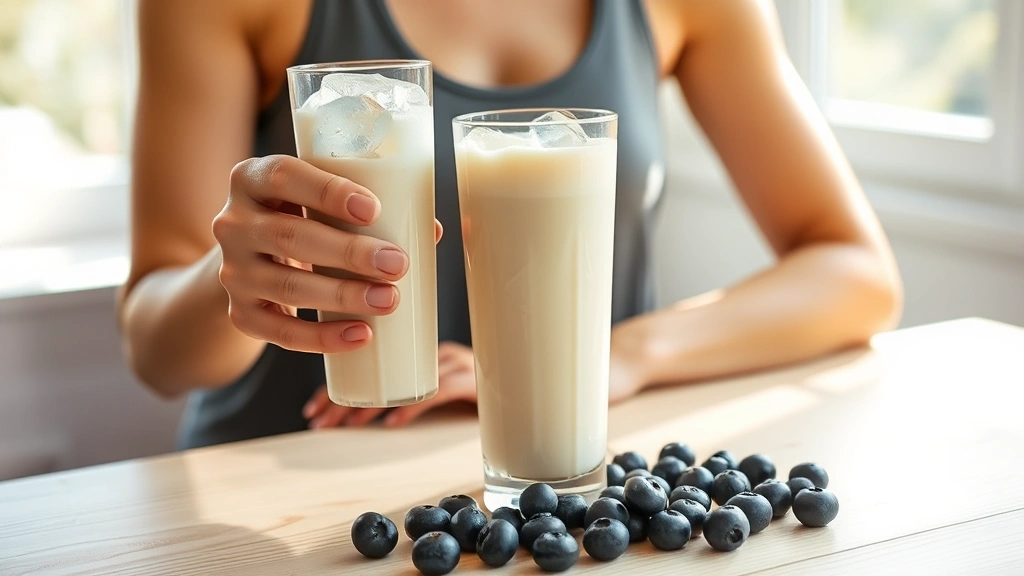
Do Protein Shakes Aid Weight Loss? Expert Insights
Protein shakes have become a staple in weight loss routines, but do they actually deliver results? The short answer is yes—when used strategically as part of a comprehensive approach. Protein shakes can be powerful tools for weight management, helping you feel fuller longer, preserve lean muscle mass during calorie restriction, and support your metabolism. However, they’re not magic solutions. Understanding how protein shakes work, choosing the right ones, and incorporating them effectively into your lifestyle is what separates success from disappointment.
In this comprehensive guide, we’ll explore the science behind protein shakes and weight loss, examine their specific benefits, reveal common pitfalls to avoid, and provide expert recommendations to help you determine whether protein shakes are right for your weight loss journey. Whether you’re a fitness enthusiast or just beginning your weight loss quest, this article will equip you with evidence-based insights to make informed decisions.
How Protein Supports Weight Loss
Protein is fundamental to weight loss success, and understanding why helps explain the role of protein shakes. When you consume protein, your body experiences a phenomenon called the thermic effect of food (TEF), meaning it burns calories simply digesting and processing the protein. In fact, protein requires approximately 20-30% of its calories to digest, compared to 5-10% for carbohydrates and 0-3% for fats. This metabolic boost is a genuine advantage in your weight loss equation.
Beyond thermogenesis, protein is crucial for satiety—that feeling of fullness that prevents overeating. protein intake plays a vital role in managing hunger hormones like ghrelin and peptide YY. When your body has adequate protein, these hormones signal satisfaction more effectively, reducing cravings and snacking impulses throughout the day. This is particularly valuable during calorie deficits when hunger can become overwhelming.
According to research published by the Centers for Disease Control and Prevention, adequate protein consumption is associated with better weight management outcomes and improved body composition. Protein preserves lean muscle mass during weight loss—a critical factor because muscle tissue burns more calories at rest than fat tissue. Without sufficient protein, your body may break down muscle for energy, slowing your metabolism and making future weight loss harder.
Key Benefits of Protein Shakes for Weight Loss
Convenience and Portion Control: One of protein shakes’ greatest advantages is convenience. A well-formulated shake provides precise macronutrient ratios without the preparation time of cooking a chicken breast or Greek yogurt bowl. This consistency makes it easier to track calories and maintain discipline, especially during busy workdays or travel. You know exactly what you’re consuming—no guesswork about portion sizes.
Appetite Suppression: Clinical studies demonstrate that whey protein, in particular, is exceptionally effective at reducing hunger. The amino acid composition of whey triggers faster satiety signals than many whole foods. Many people report that a protein shake consumed mid-morning or as an afternoon snack substantially reduces their appetite at subsequent meals, leading to natural calorie reduction without feeling deprived.
Muscle Preservation: When losing weight, your body needs sufficient protein to maintain muscle mass. preserving muscle while losing fat is essential for maintaining your metabolic rate. Protein shakes make it simple to consume the 0.7-1 gram of protein per pound of body weight that experts recommend during weight loss phases. This is particularly important if you’re also engaging in resistance training, which demands more protein for recovery and adaptation.
Blood Sugar Stability: High-quality protein shakes with minimal added sugars help stabilize blood glucose levels. This prevents energy crashes and cravings that typically follow blood sugar spikes. Stable blood sugar means more consistent energy, better focus, and fewer impulses to reach for sugary snacks—all critical for sustainable weight loss.
Metabolic Support: Regular protein intake supports healthy metabolism by preserving muscle mass and providing consistent nutrient availability. Protein shakes can help maintain metabolic rate during calorie restriction, preventing the metabolic adaptation (adaptive thermogenesis) that often occurs with aggressive dieting.
Types of Protein Shakes and Their Profiles
Whey Protein Isolate: The gold standard for weight loss, whey isolate is rapidly absorbed, extremely high in protein (90%+ per serving), and low in lactose. It’s ideal if you’re sensitive to dairy but still want whey’s benefits. Whey isolate typically contains 20-30 grams of protein with minimal carbohydrates and fat.
Whey Protein Concentrate: Slightly less processed than isolate, whey concentrate is more affordable while still delivering excellent results. It contains 70-80% protein by weight and is suitable for most people, though those with lactose sensitivity may experience digestive discomfort.
Casein Protein: A slower-digesting dairy protein ideal for nighttime consumption or when you need sustained amino acid release. Casein creates a thicker, more satisfying shake that some people prefer as a meal replacement. It’s excellent for preventing muscle breakdown during long fasting periods.
Plant-Based Proteins: Pea, rice, hemp, and soy proteins offer alternatives for vegans or those with dairy allergies. While plant proteins have different amino acid profiles, blended plant-based shakes can provide complete protein. They’re often higher in carbohydrates, so check labels carefully when selecting for weight loss.
Collagen Peptides: While lower in protein than traditional shakes, collagen supports joint health, skin elasticity, and gut health. Some people combine collagen with whey for a comprehensive supplement, though collagen alone isn’t ideal as a primary protein source for weight loss.
Choosing the Right Protein Shake for Your Goals
When selecting a protein shake for weight loss, several factors deserve careful attention. Protein content should be your first consideration—aim for at least 20-30 grams per serving. Sugar content is equally critical; avoid shakes with more than 5-7 grams of added sugar per serving. Many commercial shakes marketed for weight loss actually contain more sugar than a dessert, undermining your goals entirely.
Ingredient quality matters significantly. Check the ingredient list for artificial sweeteners you’re comfortable consuming. While sucralose and aspartame are FDA-approved and generally recognized as safe, some people prefer stevia or monk fruit. Avoid shakes with excessive fillers, gums, or thickeners that add calories without nutritional benefit.
Calorie density should align with your overall diet plan. Ready-to-drink shakes often contain 200-300 calories, while powder versions range from 100-200 calories per serving depending on formulation. Calculate whether this fits your daily calorie target. creating custom smoothies with protein powder gives you complete control over ingredients and calories.
Taste and mixability shouldn’t be underestimated—if your shake tastes unpleasant, you won’t stick with it. Many reputable brands offer sample sizes or money-back guarantees. Invest time in finding a flavor and brand you genuinely enjoy; this consistency dramatically improves long-term adherence.
Third-party testing provides assurance about what’s actually in your shake. Look for certifications from NSF International, Informed Choice, or USP, which verify that products contain what labels claim without harmful contaminants.
How to Use Protein Shakes Effectively for Weight Loss
Strategic Timing: While protein timing is less critical than total daily intake, consuming a shake mid-morning or mid-afternoon can prevent the energy crashes and cravings that often derail diets. Many people find that a protein shake at 3 PM dramatically reduces evening snacking impulses. Some prefer shakes as breakfast when they’re time-pressed, though this works best if paired with whole food elements like berries or oats.
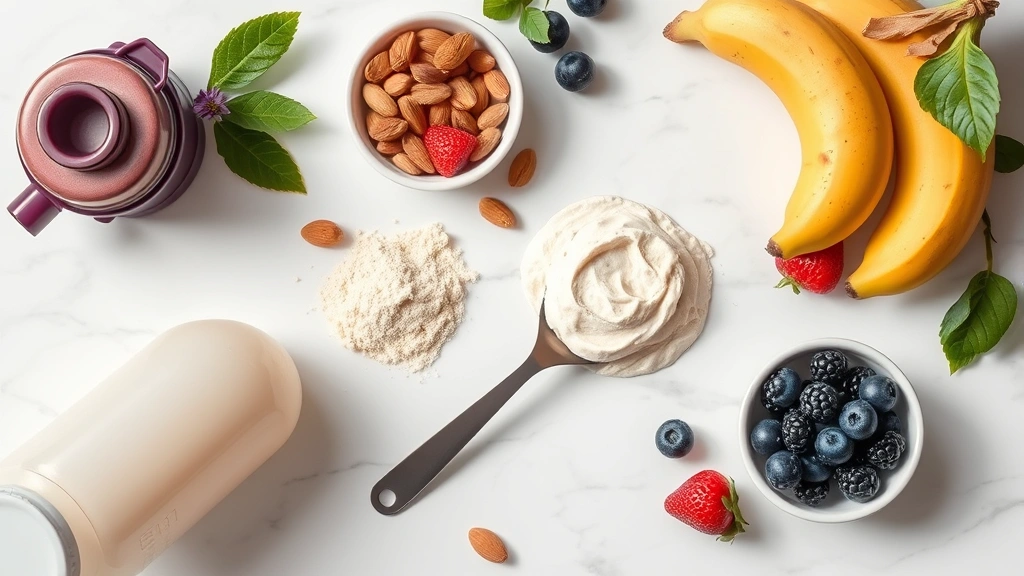
Complementary Ingredients: Transform your shake from a simple protein delivery system into a complete meal by adding complementary ingredients. Blend your whey protein with unsweetened almond milk (30 calories per cup), half a banana (50 calories), and a tablespoon of almond butter (95 calories) for a satisfying 250-calorie meal with 30+ grams of protein, healthy fats, and carbohydrates. high-protein recipes provide creative ways to incorporate protein shakes into balanced meals.
Meal Replacement Strategy: Using protein shakes as meal replacements can create the calorie deficit necessary for weight loss. A 200-calorie shake replacing a typical 600-calorie lunch creates a 400-calorie daily deficit without feeling like deprivation—assuming the shake is genuinely satiating. This approach works best when combined with balanced nutrition elsewhere in your diet.
Combination with Resistance Training: Protein shakes become even more valuable when paired with strength training. Post-workout protein consumption (within 2 hours of exercise) supports muscle protein synthesis, helping your body build or preserve muscle tissue. optimal exercise timing combined with proper nutrition maximizes weight loss results.
Consistency Over Perfection: The best protein shake for weight loss is one you’ll actually consume consistently. Whether you prefer shakes daily, three times weekly, or occasionally doesn’t matter as much as creating a sustainable pattern. Some people thrive with daily shakes; others find they work better as occasional meal replacements. Experiment to discover your optimal approach.
Hydration Awareness: Protein shakes should supplement, not replace, water intake. Aim for at least 3-4 liters of water daily while using protein shakes. Adequate hydration supports metabolism, appetite regulation, and overall weight loss success.

Common Mistakes That Undermine Results
Excessive Calorie Addition: The most common mistake is treating protein shakes as calorie-free when they’re not. A typical shake contains 150-300 calories—meaningful amounts that must fit within your daily calorie target. Many people inadvertently add 500+ extra calories daily by consuming shakes on top of their regular diet rather than as replacements for higher-calorie foods.
Sugar Overload: Choosing shakes loaded with added sugars defeats the weight loss purpose. These shakes spike blood glucose, trigger insulin release, and provide minimal satiety relative to their calories. Always prioritize protein content over taste when making compromises—a shake that tastes mediocre but contains 30 grams of protein with 2 grams of sugar is superior to one that tastes delicious but contains 15 grams of protein with 20 grams of sugar.
Neglecting Whole Foods: Protein shakes work best as supplements to a diet rich in whole foods, not replacements for them. Whole foods provide fiber, micronutrients, and phytonutrients that shakes cannot replicate. Someone consuming three shakes daily while ignoring vegetables and whole grains will struggle with weight loss and nutrient deficiencies.
Ignoring Calorie Deficits: Even the best protein shake won’t create weight loss without a calorie deficit. Protein shakes are tools that make deficits easier to achieve through improved satiety and convenience, but they don’t bypass fundamental weight loss physics. You must consume fewer calories than you burn.
Unrealistic Expectations: Protein shakes support weight loss; they don’t cause it independently. Expect steady, sustainable progress (0.5-2 pounds weekly) rather than dramatic transformations. Realistic expectations prevent discouragement and promote long-term adherence.
Poor Quality Choices: Selecting the cheapest protein powder often means inferior ingredients, poor mixability, and unsatisfying taste. Invest in quality products from reputable manufacturers. The cost difference between a $15 and $30 protein powder is minimal when spread across dozens of servings.
FAQ
Can protein shakes alone cause weight loss?
No, protein shakes are tools that support weight loss through improved satiety and muscle preservation, but they require a calorie deficit to be effective. Weight loss fundamentally requires consuming fewer calories than you burn. Protein shakes make achieving this deficit easier by reducing hunger and providing convenient nutrition, but they don’t independently create weight loss.
How many protein shakes per day is safe?
Most experts recommend 1-2 protein shakes daily as part of a balanced diet. Consuming more than 2 shakes daily means relying heavily on supplemented nutrition rather than whole foods, potentially creating micronutrient deficiencies. Individual tolerance varies; some people thrive with daily shakes while others prefer occasional use. Total daily protein intake should stay within 0.7-1 gram per pound of body weight.
Are plant-based protein shakes as effective as whey?
Plant-based proteins can be effective when properly formulated with complementary amino acid profiles. However, whey protein generally provides superior satiety and faster absorption. Plant-based options work well for vegans or those with dairy allergies but often require higher servings to match whey’s amino acid profile. Look for blended plant proteins combining pea, rice, and hemp for complete amino acid coverage.
Should I choose powder or ready-to-drink shakes?
Powder offers superior cost-effectiveness and customization—you control ingredients and portions. Ready-to-drink shakes provide ultimate convenience, making them ideal for busy professionals or travel. Neither is inherently superior; choose based on your lifestyle and preferences. Many people use both: powder at home for cost and customization, ready-to-drink on-the-go.
Can protein shakes help with muscle preservation during weight loss?
Absolutely. Adequate protein intake is essential for preserving muscle mass during calorie restriction. Combined with resistance training, protein shakes ensure your body has sufficient amino acids for muscle protein synthesis. This is why high-protein approaches to various diets support better body composition outcomes.
What’s the best time to drink a protein shake?
Timing is flexible and individual. Many people benefit from mid-afternoon shakes that prevent evening snacking. Others prefer breakfast shakes for convenience. Post-workout consumption (within 2 hours) is ideal if you’re strength training. Experiment to find when a shake best supports your appetite control and energy levels.
Do protein shakes cause bloating or digestive issues?
Some people experience bloating from lactose in whey concentrate, artificial sweeteners, or added fiber. Starting with smaller portions and gradually increasing helps your digestive system adapt. Switching to whey isolate or plant-based options often resolves lactose-related issues. If sweeteners cause problems, choose alternatives like stevia or monk fruit.
Can I drink protein shakes if I have kidney disease?
People with kidney disease should consult healthcare providers before consuming high-protein products, as excessive protein can stress compromised kidneys. Those with normal kidney function can safely consume standard protein amounts. Always discuss supplementation with your medical team if you have underlying health conditions.


