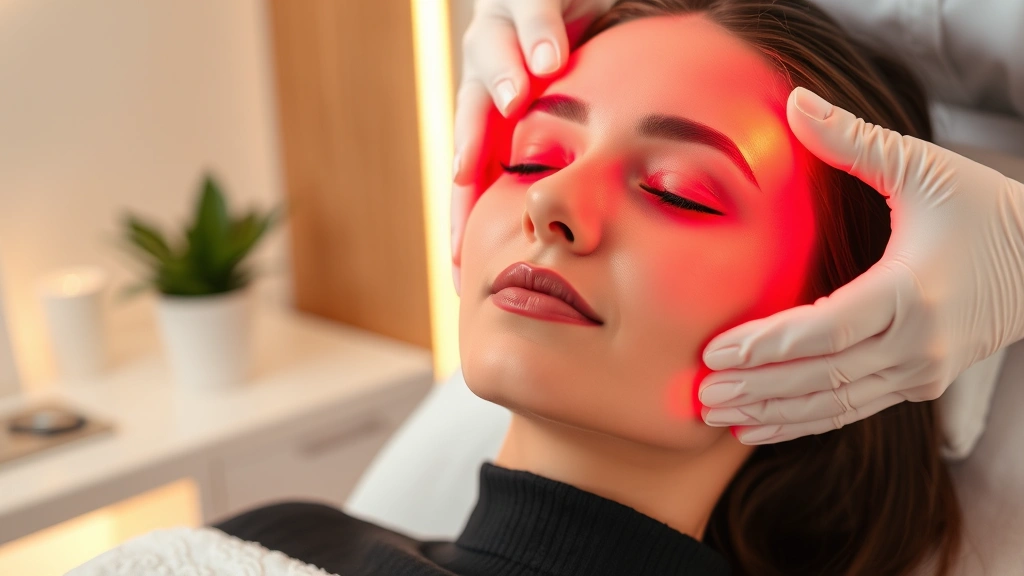
Red light therapy has emerged as a trendy wellness intervention, with proponents claiming it can enhance weight loss by boosting metabolism and reducing body fat. But does the science actually support these claims? This comprehensive guide examines what research reveals about red light therapy for weight loss, how it works at the cellular level, and whether it deserves a place in your weight management strategy alongside proven approaches like weight loss and protein intake and best aerobic exercises for weight loss.
The wellness industry continuously introduces new technologies promising rapid results, and red light therapy—also called photobiomodulation—has captured significant attention in recent years. Marketed devices range from handheld panels to full-body chambers, often with price tags from $100 to several thousand dollars. Understanding the actual evidence behind these claims is essential before investing time and money into this approach.
In this guide, we’ll explore the mechanisms of red light therapy, review clinical research findings, compare its effectiveness to established weight loss methods, and help you determine whether it’s a worthwhile addition to a comprehensive weight management plan.

What Is Red Light Therapy and How Does It Work?
Red light therapy, also known as photobiomodulation or low-level light therapy (LLLT), involves exposing skin to wavelengths of red and near-infrared light, typically between 600 and 1100 nanometers. These wavelengths penetrate the skin and underlying tissues more effectively than visible light, reaching into the mitochondria where energy is produced.
The therapy originated from research into how different light wavelengths affect cellular function. NASA initially developed the technology to promote wound healing in astronauts, and medical researchers later explored its applications for pain management, muscle recovery, and other health conditions. The weight loss claims emerged more recently as entrepreneurs and wellness advocates began applying red light therapy to metabolic and body composition goals.
Proponents suggest that red light therapy works through several mechanisms: stimulating mitochondrial function to increase ATP (adenosine triphosphate) production, enhancing blood circulation to promote fat metabolism, reducing inflammation that may hinder weight loss, and potentially triggering the breakdown of stored fat in adipose tissue. These claims sound compelling in theory, but clinical evidence requires careful examination.

The Science Behind Red Light and Cellular Energy
The fundamental mechanism behind red light therapy involves the interaction between photons and mitochondrial chromophores, particularly cytochrome c oxidase in the electron transport chain. When red and near-infrared light strikes these molecules, it theoretically increases ATP production, the energy currency of cells. More ATP could theoretically support various metabolic processes, including fat oxidation.
This mechanism is well-established in cellular biology literature, and numerous studies demonstrate that red light exposure does increase ATP production in isolated cells and tissue samples. However, translating laboratory findings to meaningful weight loss in living humans requires demonstrating that increased cellular ATP actually translates to measurable changes in body composition and metabolic rate.
Research has shown red light therapy’s effectiveness for specific applications: muscle recovery and athletic performance show promise in several meta-analyses, with improvements in muscle strength and reduced muscle soreness documented in trained athletes. Wound healing and skin health represent another area with stronger evidence, as red light therapy has demonstrated benefits for collagen production and tissue repair.
The challenge with weight loss applications is more complex. While cellular energy production is necessary for metabolism, simply increasing ATP availability doesn’t guarantee weight loss will occur. Weight loss fundamentally depends on creating a caloric deficit—consuming fewer calories than your body expends. Enhanced cellular energy might theoretically improve exercise performance or recovery, potentially supporting weight loss indirectly, but the direct effect on fat metabolism remains unclear.
Research on Red Light Therapy for Weight Loss
Clinical trials specifically examining red light therapy for weight loss are limited in number and often show modest results. A systematic review published in Photomedicine and Laser Surgery examined multiple studies on light-based therapies and weight loss, finding that while some studies reported reductions in waist circumference and body fat, the effects were generally small and inconsistent across studies.
One notable study involved participants receiving red light therapy while undergoing a structured diet and exercise program. Those receiving red light therapy showed slightly greater reductions in body fat compared to control groups, but the differences were marginal—typically 1-3% greater reduction. Importantly, the control groups still achieved significant weight loss through diet and exercise alone, suggesting that red light therapy provided minimal additional benefit beyond what caloric restriction and physical activity accomplished.
Another research area involves red light therapy’s potential effects on lipolysis (fat breakdown) in adipose tissue. Some in vitro studies suggest red light exposure may increase the release of fatty acids from fat cells, but human studies haven’t consistently demonstrated clinically significant effects on overall fat loss. The studies that do show positive results often involve small sample sizes, short duration, or lack proper control groups.
According to the CDC’s evidence-based weight loss guidance, the most effective approaches combine dietary modifications with regular physical activity. Red light therapy doesn’t appear in their primary recommendations, and major medical organizations haven’t endorsed it as a standalone weight loss treatment.
Red Light Therapy vs. Proven Weight Loss Methods
When evaluating any new weight loss intervention, comparing it to established, evidence-based approaches provides important context. The most effective weight loss methods are well-researched and consistently produce meaningful results.
Diet modifications, particularly those emphasizing whole foods and appropriate caloric intake, represent the cornerstone of weight loss. Weight loss and protein intake deserve special attention, as higher protein consumption supports satiety, preserves muscle mass during weight loss, and requires more energy for digestion. These effects are well-documented across hundreds of clinical trials.
Exercise provides complementary benefits. Best aerobic exercises for weight loss burn significant calories during activity and contribute to cardiovascular health. Weight loss and interval training offer time-efficient calorie burning and metabolic benefits that extend beyond the exercise session itself.
Behavioral interventions—including tracking food intake, setting realistic goals, managing stress, and improving sleep—produce substantial, sustainable weight loss when combined with dietary and exercise changes. These approaches have decades of research supporting their effectiveness and produce results that far exceed what current red light therapy evidence suggests.
Red light therapy’s role, if any, would be as a supplementary tool rather than a primary weight loss method. It might potentially enhance exercise performance or recovery, thereby supporting your ability to engage in more effective physical activity. However, the evidence for even this indirect benefit remains preliminary.
Safety and Side Effects
Red light therapy is generally considered safe for most people when used as directed. Unlike ultraviolet light exposure, red and near-infrared wavelengths don’t cause DNA damage or increase skin cancer risk. Reported side effects are minimal and typically mild.
Some users report temporary skin irritation, redness, or headaches, particularly with initial use or excessive exposure. Eyes may experience mild discomfort if exposed to bright red light, though most commercial devices are designed to be eye-safe. Individuals with photosensitivity or those taking photosensitizing medications should consult healthcare providers before use.
The primary safety concern isn’t physical harm but rather opportunity cost: time and money spent on red light therapy might be better invested in interventions with stronger evidence. If someone uses red light therapy instead of implementing proven weight loss strategies like caloric deficit creation and regular exercise, the lack of effectiveness becomes a practical safety issue for their health goals.
Pregnancy and certain medical conditions warrant caution. While red light therapy hasn’t been extensively studied in pregnant populations, consulting with obstetricians before use is advisable. Similarly, individuals with thyroid disorders, cancer history, or other serious conditions should discuss red light therapy with their healthcare team.
How to Use Red Light Therapy Effectively
If you decide to try red light therapy despite the limited weight loss evidence, understanding proper usage optimizes any potential benefits. Most commercial devices specify wavelength ranges (typically 600-1000 nm), power output (measured in milliwatts), and recommended treatment duration.
Standard protocols typically involve 10-20 minute sessions at distances specified by the device manufacturer, with sessions occurring 3-5 times weekly. Consistency matters more than intensity—regular, moderate exposure appears safer and more effective than occasional high-intensity sessions.
Device quality varies significantly. Clinical research typically uses devices meeting specific technical specifications, while many commercial devices lack standardized testing or validation. Choosing devices from reputable manufacturers that provide technical specifications and reference peer-reviewed research is important for safety and efficacy.
Red light therapy works best as part of a comprehensive approach. Combine it with the proven weight loss fundamentals: maintain a caloric deficit through balanced nutrition, engage in regular physical activity including both aerobic exercise and strength training, prioritize adequate sleep, manage stress effectively, and track progress. Healthy meal plans for weight loss provide structured guidance for dietary changes, while weight loss and fitness apps can help monitor your efforts and maintain accountability.
Red Light Therapy as Part of a Holistic Weight Loss Plan
Weight loss success requires addressing multiple factors: energy balance, nutrition quality, physical activity, sleep, stress management, and behavioral patterns. Red light therapy, if it provides any benefit, would be a minor component within this comprehensive framework rather than a primary strategy.
A realistic approach involves prioritizing interventions with the strongest evidence first. Create a caloric deficit through nutritional changes—this is non-negotiable and forms the foundation of weight loss. Establish regular exercise habits, both aerobic activity and resistance training, which support calorie expenditure and preserve lean mass. Optimize sleep duration and quality, as inadequate sleep undermines weight loss efforts through hormonal and behavioral mechanisms. Manage stress through meditation, exercise, social connection, or professional support, since chronic stress promotes weight gain.
Only after implementing these proven strategies consistently should you consider supplementary approaches like red light therapy. Even then, maintain realistic expectations: if research shows minimal additional benefit, the primary value might be in the ritual or placebo effect of taking action toward your goals, or potentially in improved exercise recovery that supports better workout performance.
How to maintain weight loss: effective strategies for long-term success emphasizes that sustainable weight management requires lifestyle changes, not quick fixes. Red light therapy, like any novel intervention, cannot replace the fundamental work of creating lasting behavioral changes and sustainable habits.
Consider consulting with registered dietitian nutritionists to develop personalized nutrition strategies. These professionals can assess your individual needs, identify barriers to weight loss, and create sustainable dietary approaches supported by evidence. Combining professional guidance with your own commitment to proven behaviors produces far more reliable results than adding unproven technologies.
If you’re interested in red light therapy for other potential benefits—muscle recovery, skin health, or general wellness—that’s a separate consideration from weight loss. The evidence for these applications is stronger, and you can pursue them without expecting meaningful weight loss effects. However, ensuring these interventions don’t distract from or replace the core weight loss strategies that actually work is essential.
FAQ
Does red light therapy increase metabolism?
Red light therapy may increase ATP production in cells, theoretically supporting metabolic processes. However, clinical evidence doesn’t demonstrate significant increases in resting metabolic rate or meaningful metabolic changes that would substantially support weight loss in humans. While cellular energy production is essential for metabolism, it’s not the limiting factor in weight loss—caloric intake and expenditure are.
How long does it take to see weight loss results from red light therapy?
Research studies examining red light therapy for weight loss typically run 8-12 weeks, with most showing minimal results during this timeframe. Even studies reporting positive findings show modest effects—usually 1-3% additional body fat reduction compared to control groups. If you decide to try red light therapy, give it at least 8-12 weeks of consistent use combined with proper diet and exercise before evaluating effectiveness.
Can red light therapy replace exercise for weight loss?
No. Red light therapy cannot replace exercise. Exercise burns calories during activity, improves cardiovascular health, builds muscle, and supports metabolic health through numerous mechanisms. Red light therapy, at best, might marginally enhance exercise recovery, but it cannot substitute for the calorie-burning and health benefits of regular physical activity.
Is red light therapy safe for daily use?
Red light therapy is generally safe for daily use when following manufacturer guidelines. Most people tolerate it well without significant side effects. However, daily use isn’t necessary based on current evidence, and 3-5 times weekly is typical in research protocols. Consistency matters more than frequency—regular moderate use is preferable to sporadic intense sessions.
What’s the difference between red light and infrared light therapy?
Red light (600-700 nm) and near-infrared light (700-1100 nm) both penetrate tissue and interact with mitochondria, but near-infrared penetrates deeper. Most commercial devices use combinations of both wavelengths. For weight loss purposes, the distinction is less important than the overall lack of substantial evidence for either wavelength producing meaningful weight loss effects.
Should I buy a red light therapy device for weight loss?
Before investing in a red light therapy device, consider the cost-benefit analysis. High-quality devices range from $300-$3000+. Given the limited evidence for weight loss benefits, you might achieve better results investing that money in nutrition counseling, gym membership, or fitness equipment that directly supports proven weight loss methods. If you’re interested in red light therapy for other potential benefits like muscle recovery or skin health, that’s a different decision than pursuing it for weight loss.


