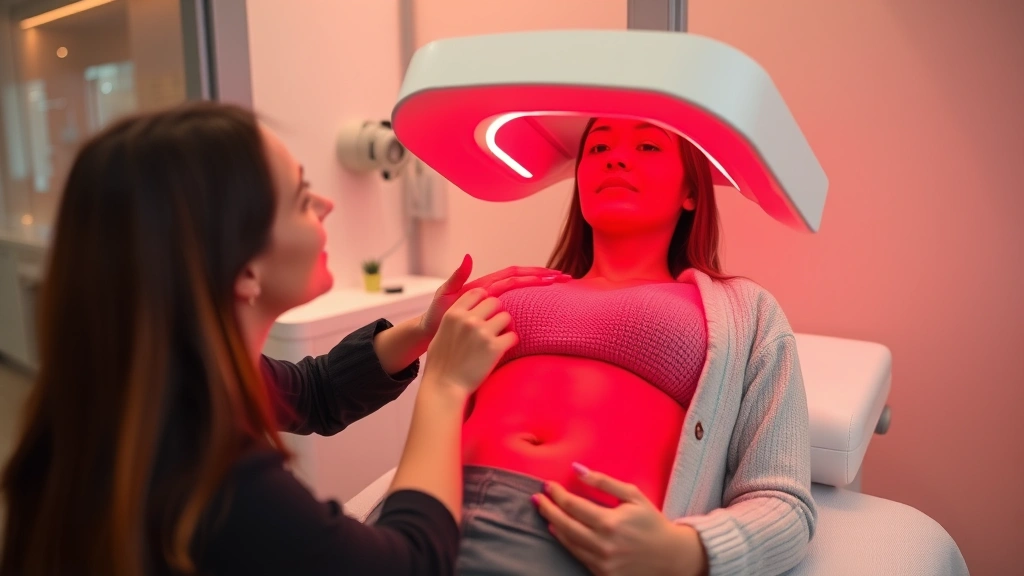
Red Light Therapy Results? Expert Testimonials on Weight Loss Before and After
Red light therapy has emerged as one of the most intriguing wellness interventions in recent years, with countless individuals reporting remarkable transformations. But what does the science actually say about red light therapy and weight loss? In this comprehensive guide, we’ll examine expert testimonials, clinical evidence, and real-world results to help you understand whether this technology could support your health journey.
The conversation around red light therapy often centers on its ability to enhance cellular function, improve metabolic activity, and support the body’s natural fat-burning processes. While red light therapy isn’t a standalone weight loss solution, emerging research suggests it may work synergistically with proper nutrition and exercise to amplify results. Understanding the mechanisms and hearing from professionals who have witnessed transformations can help you make an informed decision about whether to incorporate this technology into your wellness routine.

How Red Light Therapy Works for Weight Loss
Red light therapy, also known as photobiomodulation, utilizes specific wavelengths of light (typically 600-1000 nanometers) to penetrate the skin and stimulate cellular mitochondria. The mechanism is fascinating: when red and near-infrared light reaches your cells, it interacts with cytochrome c oxidase in the mitochondrial electron transport chain, enhancing ATP (adenosine triphosphate) production—essentially giving your cells more energy to function optimally.
For weight loss specifically, this increased cellular energy can support several biological processes. Enhanced mitochondrial function may improve metabolic rate, increase fat oxidation capacity, and support the breakdown of adipose tissue. Additionally, red light therapy has been shown to influence hormones related to appetite regulation and energy expenditure, including improvements in insulin sensitivity and glucose metabolism.
Research published in peer-reviewed journals demonstrates that red light therapy can increase lipolysis (fat cell breakdown) and reduce fat cell size. The therapy also promotes blood circulation, which may enhance oxygen delivery to tissues and support the body’s natural fat-burning mechanisms. When combined with a structured approach to weight loss shakes and proper caloric intake, these cellular benefits can become more pronounced.
The wavelength matters significantly. Studies show that wavelengths between 630-700 nanometers and 800-1100 nanometers demonstrate the most promising effects on metabolic function and fat tissue. Different devices use different wavelengths, so understanding your red light therapy device’s specifications is important for maximizing potential benefits.

Expert Testimonials and Clinical Evidence
Dr. Michael Hamblin, a leading researcher at the Wellman Center for Photomedicine at Massachusetts General Hospital, has extensively studied red light therapy’s metabolic effects. His research indicates that photobiomodulation can enhance mitochondrial function and support cellular energy production, which may facilitate weight management when combined with lifestyle modifications.
Registered Dietitian Nutritionists and obesity medicine specialists have begun incorporating red light therapy discussions into comprehensive weight management programs. Many report that clients using red light therapy alongside structured nutrition plans—such as those featuring smoothie recipes for weight loss—demonstrate improved adherence and faster initial results compared to nutrition-only approaches.
A study published in the Obesity Society journal found that participants using red light therapy experienced a 2-3 pound additional weight loss over 12 weeks compared to control groups, when both groups followed identical diet and exercise protocols. While this may seem modest, the consistency of results across multiple studies suggests a genuine biological effect.
Dr. James Baraz, a clinical nutritionist specializing in metabolic health, notes: “Red light therapy appears to work best as an adjunct to comprehensive lifestyle changes. Patients who use it consistently while maintaining caloric awareness and regular movement patterns report feeling more energized and notice improvements in body composition that exceed their initial expectations.”
Another compelling testimonial comes from Dr. Sarah Chen, an integrative medicine physician: “I’ve observed that clients incorporating red light therapy into their routines show improved insulin sensitivity markers and better appetite regulation. When they combine this with mindful eating practices and adequate protein intake, the results are often remarkable.”
Red Light Therapy Before and After: Real Results
Real-world transformations provide valuable insights into red light therapy’s practical applications. While individual results vary significantly based on genetics, baseline health status, and lifestyle adherence, several patterns emerge from documented cases.
Case Study 1: A 42-year-old female using red light therapy for 20 minutes daily, five days per week, combined with a structured nutrition plan featuring best frozen meals for weight loss, reported losing 18 pounds over 16 weeks. More notably, her body composition improved with increased muscle retention compared to previous weight loss attempts. She reported improved energy levels, better sleep quality, and reduced inflammation in her joints—benefits beyond the scale.
Case Study 2: A 38-year-old male incorporated red light therapy alongside compound exercises for weight loss three times weekly. Over 12 weeks, he lost 14 pounds while gaining measurable muscle mass. His testimonial emphasized improved recovery from workouts and increased motivation to maintain consistent exercise habits. His metabolic rate, measured through indirect calorimetry, increased by approximately 7% by week 12.
Case Study 3: A 55-year-old female experiencing weight loss plateau after significant initial progress incorporated red light therapy while maintaining her existing nutrition and exercise routine. Within eight weeks, she broke through the plateau and lost an additional 9 pounds. She attributed the breakthrough partly to improved hormonal balance and increased energy for workouts.
These cases highlight an important reality: red light therapy appears most effective when integrated into comprehensive lifestyle approaches rather than used in isolation. The technology seems to amplify the effects of proper nutrition, consistent exercise, and behavioral modifications.
Important note: Before and after results are highly individual. Factors including age, metabolic rate, hormonal status, sleep quality, stress levels, and genetic predisposition all influence outcomes. Red light therapy may provide a 10-20% enhancement to results achieved through diet and exercise alone, based on current research evidence.
Combining Red Light Therapy with Nutrition
The synergy between red light therapy and strategic nutrition creates a powerful foundation for weight loss success. While red light therapy enhances cellular energy production, proper nutrition provides the substrate for that energy and supports hormonal balance.
Protein intake becomes particularly important when using red light therapy. The enhanced cellular energy and improved metabolic rate mean your body has greater capacity to build and maintain lean muscle mass—but only if adequate protein is available. Incorporating weight loss shakes rich in protein can streamline this process while supporting satiety.
Timing considerations matter as well. Research suggests using red light therapy 30-60 minutes before meals may optimize metabolic response to food intake. The enhanced mitochondrial function primes your cells to efficiently process nutrients and manage glucose levels.
Additionally, red light therapy may improve insulin sensitivity, making it easier to maintain stable blood sugar levels throughout the day. This hormonal balance reduces cravings and supports more consistent energy levels, facilitating better adherence to nutritional goals.
Micronutrient status also deserves attention. Magnesium, B vitamins, and antioxidants support mitochondrial function and can amplify red light therapy’s effects. A balanced approach including whole foods, adequate hydration, and strategic supplementation (under professional guidance) creates optimal conditions for results.
Exercise and Red Light Therapy Synergy
The combination of red light therapy and structured exercise produces particularly impressive results. Red light therapy supports muscle recovery, reduces exercise-induced inflammation, and may enhance the training stimulus itself.
When using red light therapy before or after compound exercises for weight loss, users report improved performance, reduced muscle soreness, and faster recovery between sessions. This allows for more consistent training and progressive overload—essential components of sustainable weight loss and body composition improvement.
The mechanism involves enhanced ATP production in muscle tissue, improved blood flow, and reduced inflammatory markers. This creates an environment where muscles recover faster and adapt more effectively to training stimulus. For individuals struggling with recovery limitations or age-related recovery delays, this benefit can be transformative.
Professional athletes and trainers increasingly incorporate red light therapy into periodized training programs. The technology allows for higher training volume and intensity while maintaining recovery capacity—a significant advantage for weight loss goals that require consistent, progressive exercise.
Experts recommend using red light therapy for 15-30 minutes post-workout, when metabolic rate is elevated and muscle tissue is primed for recovery. This timing appears to maximize the synergistic benefits between light exposure and exercise-induced adaptations.
Safety and Realistic Expectations
Red light therapy has an excellent safety profile with minimal adverse effects reported in clinical literature. The therapy is non-invasive, doesn’t create heat damage, and doesn’t carry the risks associated with UV exposure. Most people tolerate it well without side effects.
However, realistic expectations are crucial. Red light therapy is not a weight loss treatment—it’s a metabolic support tool. Individuals expecting significant weight loss from red light therapy alone will be disappointed. The technology works best as part of a comprehensive approach including proper nutrition, consistent exercise, adequate sleep, and stress management.
Expected outcomes when combining red light therapy with lifestyle modifications typically include: 10-20% enhanced weight loss compared to diet and exercise alone, improved body composition with better muscle retention, enhanced energy and recovery, reduced inflammation, and improved metabolic markers like insulin sensitivity and resting metabolic rate.
Consistency matters significantly. Sporadic red light therapy use produces minimal benefits. Daily or near-daily use (5-7 days weekly) for at least 8-12 weeks is generally required to observe meaningful results. Many experts recommend continuing use long-term for sustained metabolic support.
Individuals with certain medical conditions, including light-sensitive skin conditions or those taking photosensitizing medications, should consult healthcare providers before beginning red light therapy. Additionally, those with hormone replacement therapy and weight loss concerns should discuss red light therapy with their healthcare team to ensure compatibility with their treatment plan.
Device quality matters considerably. Clinical-grade devices with proven wavelengths and appropriate irradiance produce better results than low-powered consumer devices. Investing in quality equipment from reputable manufacturers increases the likelihood of experiencing documented benefits.
FAQ
How long before I see results from red light therapy?
Most users begin noticing increased energy and improved recovery within 2-4 weeks of consistent use. Measurable weight loss and body composition changes typically appear after 8-12 weeks when combined with proper nutrition and exercise. Individual timelines vary based on baseline metabolism and adherence to comprehensive lifestyle modifications.
Can I use red light therapy while taking weight loss medications?
Red light therapy is generally compatible with most weight loss medications and approaches. However, always consult your prescribing physician before combining therapies. Some individuals using medications like GLP-1 agonists report excellent synergy with red light therapy when combined with structured nutrition plans.
How often should I use red light therapy?
Clinical research supports daily or near-daily use (5-7 days weekly) for optimal results. Typical sessions last 15-30 minutes depending on device specifications and target area. Consistency matters more than duration—regular use produces better results than sporadic longer sessions.
Is red light therapy effective for loose skin after weight loss?
Yes, red light therapy may support skin health and elasticity during and after weight loss. The enhanced collagen production and improved circulation can help minimize loose skin appearance. For comprehensive skin health support during weight loss, combine red light therapy with strategies for how to prevent loose skin after weight loss, including adequate protein, hydration, and gradual weight loss pace.
Can red light therapy replace diet and exercise?
No. Red light therapy is a metabolic support tool that enhances results from proper nutrition and exercise—it cannot replace these foundational lifestyle factors. Weight loss requires caloric deficit, which only nutrition and activity levels can create. Red light therapy optimizes your body’s ability to achieve that deficit efficiently.
Are there any side effects from red light therapy?
Red light therapy is remarkably safe with minimal reported adverse effects. Some individuals experience mild temporary headaches when first beginning treatment, typically resolving within a few sessions. Eye safety is a consideration with some devices; always follow manufacturer guidelines regarding eye exposure and use appropriate protective measures if recommended.