
Does Rice Water Aid Weight Loss? Nutritionist Insight
Rice water has gained significant attention in wellness circles as a potential aid for weight loss and digestive health. This simple beverage, made by boiling rice and straining the starchy liquid, has been used in traditional medicine for centuries, particularly across Asian cultures. But does science support the claims that rice water for weight loss actually works? As a nutritionist, I’ll break down the evidence, explain the mechanisms, and help you understand whether this humble drink deserves a place in your weight management strategy.
The appeal of rice water lies in its simplicity and accessibility. Unlike trendy supplements or restrictive diets, rice water is affordable, natural, and easy to prepare at home. However, the gap between traditional use and scientific validation is significant. Understanding the actual nutritional profile and how rice water interacts with your body’s metabolism is crucial before incorporating it into your weight loss plan.
What Is Rice Water and Its Nutritional Profile
Rice water is the starchy liquid left after boiling rice. The exact nutritional composition depends on the type of rice used and preparation method, but generally, one cup of plain rice water contains approximately 15 grams of carbohydrates, minimal protein (less than 1 gram), virtually no fat, and minimal calories—typically around 50-60 calories per cup.
The primary active components in rice water include:
- Resistant starch: A type of carbohydrate that resists digestion in the small intestine, potentially supporting metabolic health
- B vitamins: Including thiamine, niacin, and pantothenic acid, which support energy metabolism
- Minerals: Manganese, magnesium, and phosphorus in small quantities
- Antioxidants: Compounds that may help reduce inflammation
- Amino acids: Small amounts of the building blocks of protein
White rice water contains less resistant starch than brown rice water, as much of the beneficial fiber and nutrients are removed during processing. This distinction is important when considering rice water’s metabolic effects. When comparing dietary approaches, it’s worth noting how rice water fits into broader strategies like a high protein diet for weight loss or other evidence-based methods.
How Rice Water Works in Your Body
The proposed mechanisms by which rice water might support weight loss center on several physiological processes. Understanding these helps explain why some people report positive results while scientific evidence remains limited.
Digestive Health and Gut Function: Rice water has traditionally been used to soothe the digestive system and treat diarrhea. A healthy digestive system is foundational for weight management, as it affects nutrient absorption, energy levels, and hormonal balance. The resistant starch in rice water may act as a prebiotic, feeding beneficial bacteria in your gut. Research published in the Journal of Nutrition and Metabolism suggests that a balanced microbiome can influence weight regulation and metabolic rate.
Hydration and Satiety: Drinking rice water increases overall fluid intake, which can promote feelings of fullness and reduce overall calorie consumption. This effect isn’t unique to rice water—any beverage contributes to hydration. However, the slight carbohydrate content may provide modest satiety benefits compared to plain water.
Blood Sugar Regulation: Some evidence suggests resistant starch may help stabilize blood glucose levels, which can reduce energy crashes and cravings. When blood sugar remains stable, you’re less likely to reach for high-calorie snacks. This relates to why approaches like intermittent fasting for weight loss can be effective—they help regulate blood sugar patterns.
Metabolism and Energy: The B vitamins in rice water play roles in converting food into energy. However, the quantities are minimal, and you’d obtain far more of these nutrients from whole grains or supplements. The metabolic boost from rice water alone is negligible.
Rice Water and Metabolism: The Science
When evaluating whether rice water truly aids weight loss, we must examine the actual scientific evidence rather than relying solely on anecdotal reports. The honest truth is that research specifically studying rice water’s weight loss effects is limited.
A study from the International Journal of Food Sciences and Nutrition found that resistant starch consumption was associated with modest improvements in insulin sensitivity and reduced abdominal fat accumulation in some participants. However, these effects were observed with whole grain sources of resistant starch, not specifically rice water.
The CDC’s nutrition research emphasizes that sustainable weight loss depends on creating a calorie deficit, increasing physical activity, and making long-term lifestyle changes. No single food or beverage—including rice water—can replace these fundamental principles.
What rice water can do is serve as a low-calorie beverage alternative to sugary drinks. If you’re currently consuming regular soda, juice, or sweetened beverages, replacing them with rice water could contribute to a modest calorie reduction. However, plain water, unsweetened tea, and black coffee would provide identical weight loss benefits without the carbohydrates.
The weight loss mechanism, if any exists, appears to be indirect: rice water supports digestive health and provides hydration, which may help you feel fuller and make better food choices overall. It’s not a metabolic accelerator or fat burner.
Comparing Rice Water to Other Weight Loss Strategies
To properly evaluate rice water’s role in weight management, it’s helpful to compare it to evidence-based strategies with stronger scientific support.
Rice Water vs. High-Protein Approaches: A high protein diet strategy has robust scientific evidence showing it increases satiety, preserves muscle mass during weight loss, and boosts thermogenesis (calorie burn from digestion). Protein is far more satiating than the minimal protein in rice water.
Rice Water vs. Intermittent Fasting: Intermittent fasting approaches have demonstrated effectiveness in multiple clinical trials for weight loss and metabolic health. They work through calorie restriction and potential metabolic adaptations. Rice water isn’t a fasting strategy and doesn’t produce the same effects.
Rice Water vs. Meal Replacement Strategies: Meal replacement shakes provide structured nutrition with balanced macronutrients, proven to help people maintain calorie deficits. Rice water is a beverage supplement, not a complete nutritional intervention.
Rice Water vs. Physical Activity: Research consistently shows that walking or running for weight loss creates significant calorie deficits and builds metabolic muscle. Similarly, home workout routines provide measurable weight loss results. Rice water is passive; exercise is active.
Rice Water vs. Dietary Fiber: High fiber foods for weight loss have extensive research supporting their role in satiety, digestive health, and weight management. Whole grain rice contains more fiber than rice water, making the whole grain a better choice.
This comparison reveals that while rice water is harmless and may provide minor supportive benefits, it shouldn’t be viewed as a primary weight loss tool. It works best as part of a comprehensive approach.
How to Use Rice Water for Weight Loss
If you decide to incorporate rice water into your weight loss routine, here’s how to use it effectively:
- Preparation: Rinse rice thoroughly, add 1 part rice to 3 parts water, boil for 15-20 minutes, then strain. Brown rice water offers more resistant starch than white rice.
- Timing: Drink rice water 15-30 minutes before meals to potentially enhance satiety. Alternatively, consume it as a mid-morning or mid-afternoon beverage to reduce snacking.
- Portion: Limit to 1-2 cups daily, as excessive consumption adds unnecessary carbohydrates without significant nutritional benefit.
- Temperature: Both warm and cold rice water work. Some people find warm rice water more soothing for digestion.
- Flavor enhancement: Add a squeeze of lemon juice or a small amount of ginger for additional antioxidants and flavor without significant calories.
- Consistency: Use rice water consistently for at least 4 weeks to assess any effects on your digestion, energy, or appetite.
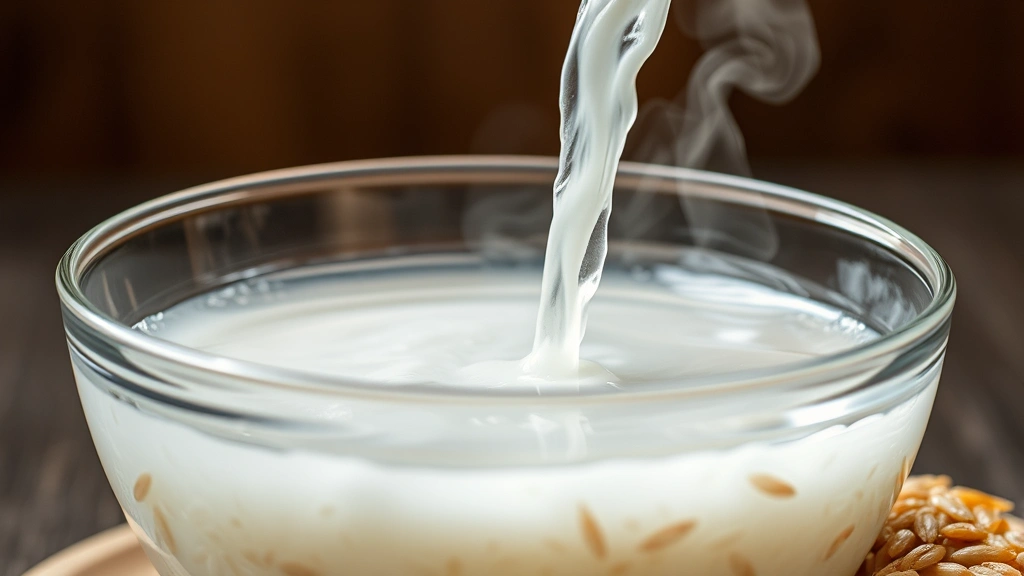
Remember that rice water works best when combined with other evidence-based strategies. It should complement, not replace, calorie deficit creation, regular physical activity, and balanced nutrition.
Potential Benefits Beyond Weight Loss
While weight loss benefits are modest, rice water offers other health advantages that support overall wellness:
Digestive Support: Rice water is commonly recommended for digestive upset, diarrhea, and stomach inflammation. The starch is gentle on the digestive system and may help restore electrolyte balance.
Hydration: The mineral content—particularly manganese and magnesium—makes rice water slightly more hydrating than plain water for some individuals, though this effect is minimal.
Anti-inflammatory Properties: Research from the National Institutes of Health indicates that compounds in rice water may have mild anti-inflammatory effects, potentially supporting recovery and overall health.
Skin Health: Traditional medicine uses rice water for skin health, and emerging research suggests potential benefits for skin hydration and reducing inflammation, though human studies remain limited.
Energy and Recovery: The carbohydrates in rice water provide quick energy, making it potentially useful as a post-workout beverage for recovery, though sports drinks with added electrolytes would be more effective.

Risks and Considerations
While rice water is generally safe for most people, several considerations apply:
Caloric Content: Although rice water is low in calories, consuming multiple cups daily adds carbohydrates that count toward your total intake. Track it in your calorie budget.
Blood Sugar Impact: Individuals with diabetes or blood sugar sensitivity should monitor how rice water affects their glucose levels, particularly if consuming large quantities.
Nutrient Absorption: Excessive rice water consumption might interfere with nutrient absorption due to its phytic acid content, though this is only a concern with very high intake.
Arsenic Content: Rice naturally contains small amounts of arsenic. While rice water contains less than cooked rice grains, consuming exclusively from one rice source may concentrate exposure. Vary your grain sources.
Not a Substitute for Medical Treatment: If you have digestive issues or are managing weight-related health conditions, consult a healthcare provider. Rice water is a supplement, not a treatment.
Individual Variation: People respond differently to rice water. Some report improved digestion and energy; others notice no difference. Your experience may vary.
FAQ
Can I lose weight drinking only rice water?
No. Rice water alone cannot produce weight loss. Weight loss requires a calorie deficit, physical activity, and balanced nutrition. Rice water can support these efforts as a low-calorie beverage, but it’s not sufficient independently.
How much rice water should I drink daily for weight loss?
Limit rice water to 1-2 cups daily. This provides potential digestive benefits without excessive carbohydrate consumption. More isn’t better and may interfere with other nutritional goals.
Is brown rice water better than white rice water for weight loss?
Brown rice water contains more resistant starch and fiber, making it theoretically superior for weight loss support. However, the difference is modest, and both are acceptable options.
When should I drink rice water for best results?
Drink rice water 15-30 minutes before meals to potentially enhance satiety, or use it as a between-meal beverage to reduce snacking. Consistency matters more than timing.
Can rice water replace other beverages in my weight loss plan?
Rice water can replace sugary drinks, which would reduce calorie intake. However, plain water, unsweetened tea, and black coffee provide identical weight loss benefits without carbohydrates.
Does rice water boost metabolism?
No significant evidence supports that rice water boosts metabolism. The B vitamins present are minimal and wouldn’t noticeably increase calorie burn. Weight loss from rice water, if any, comes from its role in satiety and digestive health.
Is rice water safe for everyone?
Rice water is safe for most people, but those with diabetes, arsenic sensitivity concerns, or digestive conditions should consult healthcare providers. Pregnant and nursing individuals should also seek professional guidance.
How long before I see weight loss results from rice water?
If rice water contributes to weight loss, results would take 4-8 weeks to become apparent, and only when combined with calorie deficit and exercise. Don’t expect rapid results.
Can I add sweeteners to rice water?
While you technically can, adding sugars or caloric sweeteners defeats the purpose of using rice water as a low-calorie beverage. If you need flavor, use lemon, ginger, or unsweetened herbs instead.
Does homemade rice water differ from commercial rice water products?
Homemade rice water is fresher and free from additives, making it preferable. Commercial products may contain added sugars or preservatives. Always check labels if purchasing prepared rice water.


