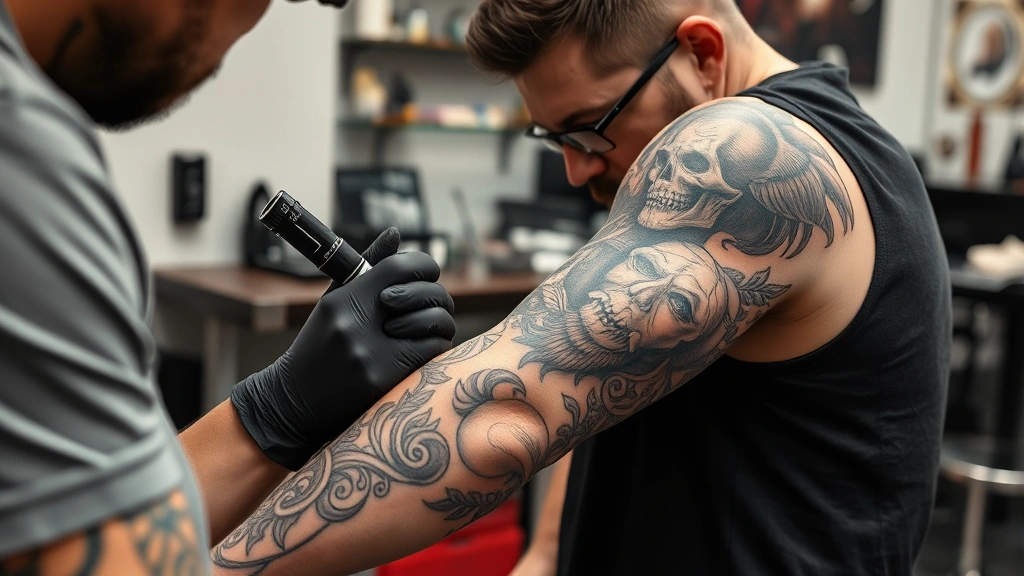
Can Tattoos Hide Loose Skin? Expert Tips Inside
Achieving significant weight loss is a remarkable accomplishment that deserves celebration. However, many people who’ve lost substantial amounts of weight face an unexpected challenge: loose, sagging skin. This excess skin can feel frustrating after all the hard work invested in your transformation. One creative solution gaining popularity is strategically placed tattoos designed to camouflage or minimize the appearance of loose skin. But can tattoos truly hide loose skin, and what should you know before making this decision?
The short answer is yes—tattoos can be an effective tool for concealing loose skin in certain areas of the body. Strategic tattoo placement, design choices, and professional artistry can visually minimize the appearance of sagging skin, stretch marks, and skin texture irregularities. However, understanding the limitations, working with experienced artists, and considering all your options is essential before committing to this permanent solution.
If you’re considering tattoos after weight loss, this comprehensive guide will help you understand how they work, what to expect, and how to make the best decision for your unique situation.
How Tattoos Can Hide Loose Skin
Tattoos work as visual camouflage by strategically drawing the eye and breaking up the appearance of loose or sagging skin. The principle is similar to how certain clothing patterns and colors can be more flattering than others. Here’s the science behind how tattoos accomplish this:
Visual Distraction and Pattern Interruption: Large, bold designs create focal points that redirect attention away from skin texture irregularities. Rather than the eye landing on loose skin, it focuses on the tattoo’s artistic elements. Intricate patterns, vibrant colors, and detailed imagery are particularly effective at this visual redirection.
Contrast and Depth: Darker ink creates contrast against skin, which can make loose areas appear less pronounced. Shading techniques used in professional tattoos add depth and dimension, which can visually minimize the appearance of sagging skin. Three-dimensional designs are especially effective because they create optical illusions that obscure the underlying skin’s actual texture.
Coverage and Continuity: Larger tattoos that cover significant skin surface area simply obscure the loose skin beneath the design. By covering the problematic areas entirely, tattoos eliminate the visual problem altogether. This approach is particularly effective for people with loose skin on arms, legs, chest, or back.
Research on body image and weight loss published by the American College of Sports Medicine notes that post-weight-loss body satisfaction is significantly influenced by visual perception and self-image strategies. Tattoos represent one creative approach to improving psychological well-being following major body transformations.
It’s important to note that while tattoos can effectively minimize the visual appearance of loose skin, they don’t actually tighten or eliminate the skin itself. They’re a cosmetic solution, not a medical treatment. If you’re considering weight loss and resistance training as part of your overall transformation, building muscle beneath the skin can also help fill out loose areas and improve overall appearance.
Best Body Areas for Camouflage Tattoos
Not all body areas are equally suitable for tattoos designed to hide loose skin. The best candidates share certain characteristics that make them ideal for this purpose:
- Arms and Forearms: These areas are excellent candidates because loose skin here is highly visible and easily concealed with full-sleeve designs. Sleeves can extend from shoulder to wrist, providing complete coverage. Many people find that full or half-sleeve tattoos dramatically improve their confidence when wearing short-sleeved clothing.
- Legs and Thighs: Similar to arms, legs offer large surface areas that can accommodate substantial tattoo designs. Full-leg pieces or thigh tattoos can effectively camouflage loose skin while remaining concealable with clothing when desired.
- Chest and Torso: Large chest pieces and back tattoos work well for hiding loose skin in these areas. The flat, expansive surface provides an ideal canvas for elaborate designs that create visual distraction.
- Abdomen: This area can be challenging because loose skin here often has pronounced texture variation. However, skilled artists can create designs that incorporate shading and patterns to minimize these differences.
- Neck and Face: These visible areas require careful consideration. While tattoos here can hide skin imperfections, placement should be thoughtful given the social implications of facial and neck tattoos in professional settings.
Areas with significant skin texture variation, deep wrinkles, or extensive stretch marks present greater challenges. A consultation with an experienced tattoo artist can help determine whether your specific areas are suitable candidates for effective camouflage work.

Design Strategies That Work Best
Not all tattoo designs are equally effective at hiding loose skin. Strategic design choices make a significant difference in the outcome. Here are the most effective approaches:
Bold, Intricate Patterns: Designs featuring complex geometric patterns, mandalas, or detailed artwork are particularly effective. The intricacy keeps the eye engaged and moving across the design rather than focusing on skin texture beneath. These designs work especially well on larger areas where loose skin is most noticeable.
Dark, Solid Designs: Heavily shaded or solid black tattoos create strong contrast with skin, which minimizes the appearance of loose areas. The darkness essentially creates visual weight that can make sagging areas appear less pronounced. Traditional black work and blackout tattoos excel at this.
Three-Dimensional and Realistic Art: Hyper-realistic tattoos with depth and shadow create optical illusions that can obscure skin irregularities. Portrait work, wildlife, or detailed nature scenes with professional shading are excellent choices. The realistic rendering tricks the eye into perceiving the design as having physical depth, which distracts from actual skin texture.
Full Coverage Pieces: Rather than attempting to hide loose skin with a small tattoo, larger pieces that cover the entire problematic area are more effective. Full sleeves, large back pieces, or comprehensive leg designs eliminate the visual problem through complete coverage.
Color Saturation: While black work is effective, vibrant, well-saturated colors can also be excellent choices. Colorful designs with strong contrast naturally draw attention and redirect focus from skin imperfections. Rainbow designs, colorful animals, or artistic compositions work well.
Directional Flow: Designs with strong directional elements—such as flowing water, wind-swept designs, or linear patterns—can visually guide the eye in specific directions, away from the loosest areas. Skilled artists use these directional elements strategically to minimize problem areas.
It’s worth noting that while you focus on your tattoo design, maintaining overall health through proper nutrition is important. Understanding your daily calorie needs helps maintain your weight loss and supports skin health through adequate nutrient intake.
Finding the Right Tattoo Artist
Choosing an experienced, skilled tattoo artist is absolutely critical when using tattoos for loose skin camouflage. This isn’t the time to go with the cheapest option or an artist without proven experience in this specific application.
Look for Specific Experience: Seek artists who specifically mention experience with post-weight-loss tattoos, scar coverage, or medical tattoos. These artists understand the unique challenges of working with loose or textured skin and know how to design accordingly.
Review Portfolios Carefully: Examine before-and-after photos of the artist’s work, specifically looking for examples of large pieces on loose or textured skin. Pay attention to how well their designs incorporate shading and dimension to create visual illusions.
Schedule Consultations: Meet with multiple artists to discuss your specific situation. A good artist will ask detailed questions about your skin condition, your goals, and your lifestyle. They should be honest about what’s realistically achievable with tattoo camouflage.
Verify Credentials and Safety: Ensure the artist works in a clean, professional environment with proper sterilization protocols. Check for relevant certifications and ask about their safety practices. Your health is paramount.
Assess Communication Skills: You need an artist who listens carefully to your concerns and can clearly explain their design approach. They should be willing to discuss modifications and ensure you’re completely comfortable before proceeding.
Consider Specialization: Some artists specialize in specific styles—realism, black work, color, geometric patterns. Choose someone whose specialty aligns with the design approach you’ve decided works best for your situation.
Important Considerations Before Getting Inked
Before committing to tattoos for loose skin camouflage, carefully consider several important factors:
Permanence: Tattoos are permanent. While removal is possible, it’s expensive, time-consuming, and may not be completely effective. Ensure you’re genuinely committed to the design and placement for the long term. Take time with your decision—don’t rush into something you might regret.
Cost: Quality tattoo work is expensive. Large pieces designed for camouflage purposes can cost hundreds to thousands of dollars depending on size, complexity, and artist reputation. Budget accordingly and don’t compromise on quality to save money.
Skin Health: Ensure your skin is healthy before getting tattooed. If you have active skin conditions, infections, or are taking medications affecting healing, consult with a dermatologist first. Maintaining good overall health through proper nutrition—including adequate weight loss shakes and weight loss smoothie recipes for sustained nutrition—supports skin health and healing.
Professional and Social Implications: Consider your workplace environment and social circles. While tattoo acceptance has increased significantly, some professional environments remain conservative. Ensure your tattoo placement won’t negatively impact your career or social relationships.
Future Weight Changes: If you anticipate future weight loss or gain, consider how that might affect your tattoo. Significant additional weight loss could change skin texture further, while weight gain might stretch the tattoo. Discuss this with your artist.
Medical Procedures: Some medical procedures, including certain dermatological treatments, may be complicated by tattoos. If you’re considering cosmetic procedures to address loose skin, discuss potential tattoo interactions with your medical provider.
Healing and Aftercare: Tattoos require careful aftercare for proper healing. You’ll need to follow specific cleaning and moisturizing protocols, avoid swimming and sun exposure, and watch for signs of infection. Commit to proper aftercare before getting tattooed.
According to the American Academy of Dermatology, proper tattoo aftercare is essential to prevent infection and ensure optimal healing and appearance.
Alternative Solutions to Loose Skin
While tattoos can be an excellent solution, they’re not the only option for addressing loose skin after weight loss. Consider these alternatives:
Surgical Options: Procedures like body contouring, tummy tucks, and arm lifts surgically remove excess skin. These are permanent solutions but involve recovery time and significant cost. Consult with a board-certified plastic surgeon to discuss candidacy and realistic expectations.
Non-Surgical Treatments: Treatments like radiofrequency skin tightening, microneedling, and laser therapy can improve skin texture and tightness without surgery. Multiple sessions are typically required, and results are gradual but progressive.
Skincare and Nutrition: High-quality skincare products, particularly those containing retinoids and hyaluronic acid, can improve skin appearance. Maintaining adequate protein intake supports collagen production. Ensure you’re meeting your nutritional needs—resources like information on tuna for weight loss can help you maintain protein intake while supporting skin health.
Clothing Strategies: Strategic clothing choices can minimize the appearance of loose skin without permanent solutions. Layering, structured fabrics, and well-fitting garments can be surprisingly effective.
Building Muscle: Engaging in weight loss and resistance training helps build muscle beneath loose skin, which can fill out the area and improve overall appearance. This is an ongoing process but offers significant benefits beyond skin appearance.
Combination Approaches: Many people find that combining approaches works best. For example, you might use skincare and muscle building as your primary approach while strategically placing a tattoo in the area where loose skin is most visible. Understanding weight loss and metabolic syndrome can also help you maintain your results long-term.
The best solution depends on your personal preferences, budget, skin condition severity, and long-term goals. Many people find that a combination of approaches works better than relying on any single solution.

FAQ
Do tattoos really hide loose skin effectively?
Yes, when strategically designed and placed by an experienced artist, tattoos can effectively minimize the appearance of loose skin. They work through visual distraction, contrast, and coverage. However, they don’t tighten skin—they provide a cosmetic solution to improve appearance.
How long do I need to wait after weight loss before getting a tattoo?
Most experts recommend waiting at least 6-12 months after major weight loss before getting tattoos designed for loose skin camouflage. This allows your skin to fully adjust and stabilize. Discuss timing with your tattoo artist and healthcare provider.
Can I get a tattoo removed if I change my mind?
Tattoo removal is possible through laser treatments, but it’s expensive, time-consuming, and may not completely remove all ink. It’s also painful and requires multiple sessions. Only commit to a tattoo if you’re confident about your decision.
Will a tattoo stretch if my skin stretches further?
Significant weight gain or loss after getting a tattoo can distort the design. This is why it’s important to stabilize your weight before getting a camouflage tattoo and to maintain your weight afterward.
How much does a tattoo for loose skin camouflage cost?
Costs vary widely depending on size, complexity, and artist reputation. Large pieces designed for camouflage can range from $500 to $5,000 or more. Get quotes from multiple artists and don’t choose based on price alone.
Can I combine tattoos with other loose skin treatments?
Yes, many people combine tattoos with surgical procedures, non-surgical treatments, or skincare approaches. Discuss any planned medical procedures with your tattoo artist and healthcare provider to ensure compatibility.
What if I’m self-conscious about my loose skin right now?
If you’re struggling emotionally with loose skin, speaking with a therapist or counselor can help. Many people find that the accomplishment of weight loss itself deserves celebration, regardless of loose skin. Take time to decide whether a tattoo is right for you rather than making a rushed decision.


