
Unsweetened Almond Milk: Nutritionist’s Weight Loss Tip
When it comes to weight loss, every beverage choice matters. Unsweetened almond milk has emerged as one of the most practical and effective dairy alternatives for people serious about shedding pounds. Unlike its sweetened counterparts or traditional whole milk, unsweetened almond milk delivers a low-calorie, nutrient-dense option that nutritionists consistently recommend as part of a sustainable weight loss strategy.
The shift toward plant-based beverages has revolutionized how we approach daily nutrition. Many people unknowingly consume hundreds of hidden calories through their drink choices alone. Switching to unsweetened almond milk can eliminate unnecessary sugar intake while maintaining the creaminess and satisfaction that makes beverages enjoyable. This simple swap has become a cornerstone recommendation in evidence-based weight loss programs worldwide.
Understanding why unsweetened almond milk works so effectively for weight loss requires examining its nutritional profile, how it supports metabolic health, and practical ways to incorporate it into your daily routine. Whether you’re just beginning your weight loss journey or looking to optimize an existing program, this comprehensive guide will show you exactly how this humble beverage can become your secret weapon.
Why Unsweetened Almond Milk Supports Weight Loss
The primary reason nutritionists recommend unsweetened almond milk for weight loss centers on its exceptional calorie efficiency. A single cup of unsweetened almond milk contains merely 30-40 calories, compared to 150 calories in whole milk or 180 calories in 2% milk. This dramatic difference means you can enjoy a satisfying beverage without derailing your calorie deficit—the fundamental requirement for weight loss.
Beyond raw calories, unsweetened almond milk offers metabolic advantages that extend deeper into your body’s chemistry. The beverage contains virtually no sugar, eliminating the blood sugar spikes that trigger insulin responses and promote fat storage. When your insulin levels remain stable throughout the day, your body becomes more efficient at accessing stored fat for energy, a process called lipolysis.
The protein content in unsweetened almond milk, though modest at approximately 1 gram per cup, contributes to satiety. Research published in nutrition journals demonstrates that even small amounts of protein enhance feelings of fullness and reduce subsequent calorie consumption. When you feel satisfied, you naturally eat less without experiencing the deprivation that derails most weight loss attempts.
Another crucial factor involves the beverage’s role in reducing overall sugar consumption. The average American consumes excessive added sugars daily, primarily through beverages. By eliminating sweetened milk drinks, flavored creamers, and sugary coffee beverages, switching to unsweetened almond milk can reduce your daily sugar intake by 20-40 grams—equivalent to losing approximately 1-2 pounds monthly without any other dietary changes.
Nutritional Profile Breakdown
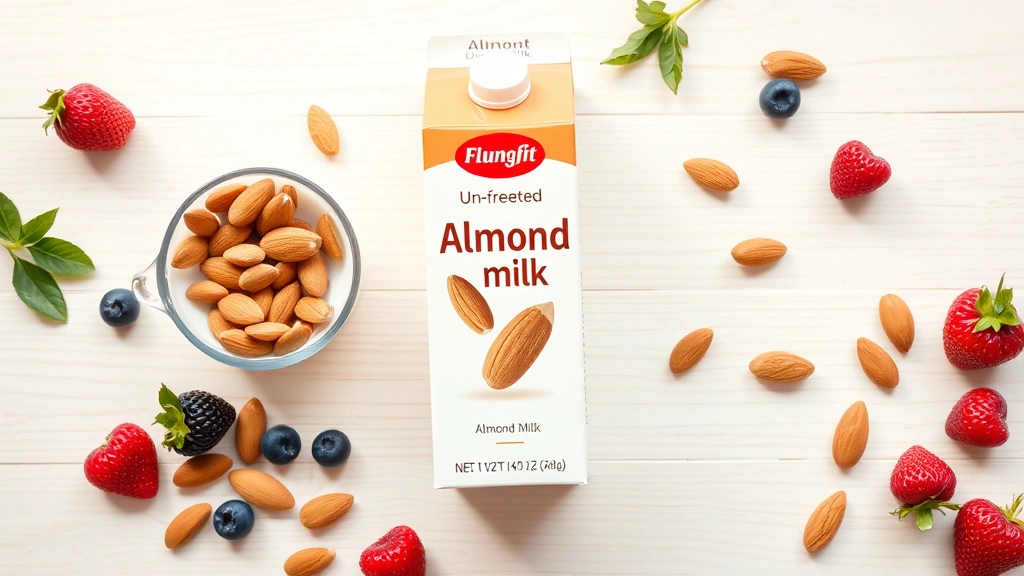
Understanding exactly what you’re consuming helps explain why unsweetened almond milk delivers such impressive weight loss results. A standard one-cup serving of unsweetened almond milk contains:
- Calories: 30-40 (varies slightly by brand)
- Total Fat: 2.5-3 grams, mostly heart-healthy unsaturated fats
- Saturated Fat: Less than 0.5 grams
- Carbohydrates: 1-1.5 grams
- Dietary Fiber: 0-1 gram
- Protein: 0.5-1 gram
- Sugar: 0 grams (or less than 0.5g in some brands)
- Sodium: 170 mg (unsalted versions contain less)
The fat content deserves special attention because many people mistakenly believe dietary fat causes weight gain. The fats in almond milk are primarily monounsaturated and polyunsaturated varieties that support cardiovascular health and hormone production. These healthy fats also enhance nutrient absorption and promote satiety, making them valuable allies in weight loss efforts.
Most commercial unsweetened almond milk brands are fortified with essential nutrients including calcium, vitamin D, and vitamin E. Calcium plays a particularly important role in weight management, as research indicates adequate calcium intake correlates with lower body weight and reduced fat accumulation. The vitamin D fortification supports immune function and mood regulation—both crucial for maintaining motivation during weight loss.
The minimal carbohydrate content (typically 1-2 grams per cup) makes unsweetened almond milk compatible with various dietary approaches, including low-carb and ketogenic diets. This flexibility allows people following different eating patterns to benefit from the beverage’s weight loss advantages.
How It Compares to Other Milk Alternatives
The plant-based milk market has exploded in recent years, offering numerous options beyond almond milk. However, unsweetened almond milk stands out as the most weight-loss-friendly choice when compared to alternatives.
Unsweetened almond milk vs. sweetened almond milk: Sweetened versions contain 15-20 grams of added sugar per cup—nearly equivalent to a can of soda. This single change eliminates the weight loss benefits entirely, making unsweetened the only viable option for serious weight loss.
Unsweetened almond milk vs. oat milk: While trendy oat milk contains beneficial fiber, a typical serving provides 100-150 calories and 10-20 grams of carbohydrates. For weight loss, unsweetened almond milk’s lower carbohydrate content makes it superior, though oat milk works well for those prioritizing whole grain intake.
Unsweetened almond milk vs. coconut milk: Full-fat coconut milk contains 450 calories and 48 grams of fat per cup, making it impractical for weight loss despite containing medium-chain triglycerides. Light coconut milk is more viable but still delivers 80-100 calories per cup.
Unsweetened almond milk vs. soy milk: Unsweetened soy milk provides similar calories (30-40 per cup) and slightly higher protein (3-4 grams), making it equally suitable for weight loss. However, almond milk often costs less and appeals to those avoiding soy products.
Unsweetened almond milk vs. dairy milk: Whole milk contains 150 calories and 8 grams of fat per cup, while skim milk still provides 80 calories despite removing fat. Unsweetened almond milk’s 30-40 calorie content makes it the clear winner for weight loss, though some people benefit from dairy’s higher protein content when paired with other strategies.
Impact on Blood Sugar and Appetite Control
One of the most powerful mechanisms through which unsweetened almond milk supports weight loss involves stabilizing blood sugar levels. When you consume sugary beverages, your blood glucose spikes rapidly, triggering a strong insulin response. Your pancreas floods your bloodstream with insulin to manage the glucose surge, which prompts your liver and muscles to store excess energy as fat.
More problematically, this insulin spike is often followed by a blood sugar crash—a rapid decline that leaves you feeling fatigued, irritable, and intensely hungry. This rollercoaster effect drives people to consume additional calories just hours after their previous meal or drink. Understanding weight loss and blood sugar levels reveals why stable glucose is essential for sustainable weight management.
Unsweetened almond milk contains virtually no sugar, meaning it produces virtually no blood sugar spike. Your glucose remains stable, your insulin response stays minimal, and your hunger hormones remain balanced. This stability translates directly into reduced cravings and more consistent energy throughout the day.
The satiety effect of unsweetened almond milk extends beyond simple calorie reduction. The beverage’s composition—particularly its combination of water, healthy fats, and minimal carbohydrates—triggers satiety signals in your brain. When you drink unsweetened almond milk, you activate stretch receptors in your stomach and release cholecystokinin (CCK), a hormone that signals fullness. This physiological response helps you eat less at subsequent meals without conscious restriction.
Research on appetite hormones demonstrates that stable blood sugar supports balanced leptin and ghrelin levels. Leptin signals fullness while ghrelin triggers hunger. When blood sugar crashes from consuming sweetened beverages, ghrelin spikes and leptin drops, creating intense hunger that overcomes willpower. Unsweetened almond milk prevents this hormonal chaos, making weight loss feel easier and more sustainable.
Practical Ways to Use Unsweetened Almond Milk Daily
The versatility of unsweetened almond milk makes it remarkably easy to incorporate into your daily routine. Unlike restrictive diet approaches, adding unsweetened almond milk requires minimal lifestyle disruption while delivering consistent weight loss benefits.
Morning beverages: Replace your regular milk with unsweetened almond milk in coffee, tea, or smoothies. This single swap eliminates 100-120 calories before breakfast. Adding a tablespoon of almond butter to an almond milk smoothie creates a satisfying breakfast that supports metabolic health and how to improve metabolic rate throughout the day.
Cereal and oatmeal: Use unsweetened almond milk as the liquid base for your morning cereal or oatmeal. The neutral flavor won’t interfere with your meal’s taste, while the low calorie content preserves your daily calorie budget.
Cooking and baking: Unsweetened almond milk works excellently in recipes calling for milk. Use it in soups, curries, scrambled eggs, or baked goods. Most recipes require no adjustment, and the calorie savings compound when you use this substitution regularly.
Protein shakes: Mix unsweetened almond milk with protein powder for a quick, filling meal replacement. A typical shake contains only 80-150 calories while delivering 20-30 grams of protein—ideal for weight loss.
Creamy sauces: Create lighter versions of cream-based sauces using unsweetened almond milk. You’ll achieve the desired texture with a fraction of the calories from traditional heavy cream.
Standalone beverage: Some people find unsweetened almond milk refreshing as a standalone drink. While it won’t appeal to everyone, those who enjoy it benefit from a satisfying low-calorie beverage option.
Iced coffee preparation: Pre-make your iced coffee with unsweetened almond milk and store it in the refrigerator. This convenient option prevents you from purchasing high-calorie coffee shop drinks that frequently derail weight loss efforts.
Combining Almond Milk With Other Weight Loss Strategies
While unsweetened almond milk delivers impressive benefits independently, its power multiplies when combined with complementary weight loss strategies. Think of it as one component of a comprehensive approach rather than a standalone solution.
Pairing unsweetened almond milk with adequate protein intake creates a particularly powerful combination. While almond milk itself provides minimal protein, using it in protein shakes or with protein-rich foods enhances satiety and supports muscle preservation during weight loss. Best peptides for weight loss represent an advanced strategy that combines synergistically with almond milk-based nutrition.
Combining unsweetened almond milk with whole food choices amplifies weight loss results. When you use almond milk in smoothies with leafy greens, berries, and chia seeds, you create nutrient-dense meals that support your body’s metabolic function. Alternatively, pairing almond milk with whole grains like potatoes for weight loss creates satisfying meals that maintain energy and prevent muscle loss.
The beverage also complements structured eating patterns effectively. Those following intermittent fasting appreciate that unsweetened almond milk contains negligible calories—some practitioners consume it during fasting windows without breaking their fast. Others use it strategically to enhance satiety during eating windows.
For individuals tracking macronutrients, unsweetened almond milk’s minimal impact on daily totals makes it a transparent choice. You can easily account for its 30-40 calories and 1-2 grams of carbohydrates, allowing precise nutritional planning.
Consider pairing unsweetened almond milk consumption with other dietary improvements. Try making a homemade weight loss cabbage soup recipe and using almond milk in the broth for enhanced creaminess without added calories. These small modifications compound into significant results over time.
Monitoring your progress becomes easier when using unsweetened almond milk consistently. Since it provides a stable, predictable calorie source, you can identify how other dietary changes affect your weight loss. Learn to measure body fat percentage to ensure you’re losing fat rather than muscle—unsweetened almond milk supports this goal when combined with resistance training.
FAQ
Does unsweetened almond milk really help with weight loss?
Yes, when used consistently as a replacement for higher-calorie beverages and milk products. The primary mechanism involves eliminating unnecessary calories and sugar from your diet. A single daily substitution saves 100-150 calories—equivalent to approximately 1 pound of fat loss monthly without any other changes. However, weight loss ultimately depends on maintaining a calorie deficit, and unsweetened almond milk simply makes this easier by reducing calorie intake.
Can I drink unlimited unsweetened almond milk?
While unsweetened almond milk is low in calories, consuming excessive amounts displaces other nutrient-dense foods. Additionally, many commercial brands contain added oils and additives that some people prefer to limit. Most nutritionists recommend 1-3 cups daily as part of a balanced diet. Listen to your body’s satiety signals rather than consuming unlimited quantities.
Is unsweetened almond milk better than water for weight loss?
Water remains the optimal beverage for weight loss because it contains zero calories and supports hydration without any additives. However, unsweetened almond milk is vastly superior to sugary beverages, flavored drinks, or full-fat milk. Think of it as a better alternative to high-calorie options rather than a replacement for water.
Does the brand of unsweetened almond milk matter?
Brands vary slightly in calorie content, additives, and fortification levels. Comparing nutrition labels helps you choose the option best suited to your goals. Some people prefer brands with minimal ingredients, while others prioritize fortification with calcium and vitamin D. Taste preferences also vary—sampling different brands helps identify your favorite.
Can I use unsweetened almond milk if I’m lactose intolerant?
Absolutely. Unsweetened almond milk contains zero lactose, making it perfect for people with lactose intolerance. It delivers similar versatility to dairy milk without digestive discomfort. This makes it an excellent choice for the millions of people who experience lactose sensitivity.
Will unsweetened almond milk affect my muscle mass during weight loss?
Unsweetened almond milk alone won’t preserve muscle mass—that requires adequate total protein intake and resistance training. However, using unsweetened almond milk in protein shakes enhances muscle preservation by reducing overall calorie deficit severity. Pair it with sufficient protein from other sources and consistent strength training for optimal results.
How long before I see weight loss results from switching to unsweetened almond milk?
Most people notice changes within 2-4 weeks when using unsweetened almond milk as part of a consistent weight loss approach. The timeline depends on your starting point, overall calorie deficit, exercise habits, and individual metabolism. Consistent application over months produces the most dramatic transformations.


