
Vitamins for PCOS Weight Loss? Expert Insights
Polycystic ovary syndrome (PCOS) affects millions of women worldwide, and managing weight with this condition presents unique challenges. While hormonal imbalances and insulin resistance are at the core of PCOS, many women discover that strategic vitamin and micronutrient supplementation can support their weight loss journey alongside proper nutrition and exercise. The relationship between specific vitamins and PCOS weight management is backed by emerging research, though it’s essential to understand which nutrients matter most and why.
If you’re navigating PCOS and struggling with weight, you’re not alone. The condition disrupts metabolic processes, increases inflammation, and makes fat loss significantly harder than for women without PCOS. However, targeted nutritional support—particularly through vitamin supplementation—can help address underlying deficiencies that worsen symptoms and hinder progress. This comprehensive guide explores the science-backed vitamins that support PCOS weight loss, how they work, and how to incorporate them effectively into your wellness strategy.
Understanding PCOS and Weight Management
PCOS is an endocrine disorder characterized by elevated androgens, insulin resistance, and ovulatory dysfunction. Women with PCOS often experience metabolic challenges that make weight loss feel impossible despite strict dieting. The condition creates a vicious cycle: insulin resistance leads to increased fat storage, inflammation promotes further insulin resistance, and hormonal imbalances suppress satiety signals while increasing hunger and cravings.
Traditional weight loss approaches frequently fail for PCOS patients because they don’t address the underlying metabolic dysfunction. This is where nutritional support becomes critical. Specific vitamins and minerals can improve insulin sensitivity, reduce inflammation, support hormonal balance, and enhance energy production—all factors that directly impact weight loss success. Research from the American College of Obstetricians and Gynecologists emphasizes that comprehensive PCOS management requires a multi-faceted approach, with nutrition playing a central role.
Before starting any supplementation regimen, it’s important to pair vitamin therapy with foundational strategies. Following the best diet for PCOS weight loss creates the nutritional foundation upon which supplementation builds. Additionally, combining micronutrient support with weight loss and weight training creates synergistic effects that amplify results.
Inositol: The Most Researched PCOS Vitamin
Inositol stands out as the most extensively studied supplement for PCOS management. This vitamin-like compound exists in two primary forms: myo-inositol and D-chiro-inositol. Both forms play crucial roles in insulin signaling and cellular communication, making them particularly valuable for women with insulin-resistant PCOS.
How Inositol Improves Weight Loss: Inositol enhances insulin sensitivity by improving how cells respond to insulin signals. When insulin sensitivity improves, several positive cascades occur: blood sugar stabilizes, cravings diminish, energy levels increase, and the body stops storing excess fat. Studies published in peer-reviewed journals show that women supplementing with inositol experience significant improvements in metabolic markers and body composition.
A landmark study found that myo-inositol supplementation (2-4 grams daily) reduced body weight, BMI, and waist circumference in PCOS patients over 12 weeks. The mechanism works because better insulin signaling reduces the hormonal drive to store fat and decreases the inflammatory state that characterizes PCOS. Many women report that inositol supplementation finally allows them to experience hunger and satiety signals that feel normal.
Dosing and Forms: The typical effective dose ranges from 2-4 grams of myo-inositol daily, often combined with D-chiro-inositol in a 40:1 ratio. Some women benefit from higher doses, while others see results at lower amounts. Inositol is generally well-tolerated, though some experience mild gastrointestinal adjustments during the first week. Consistency matters—most women need 8-12 weeks to notice significant changes.
Vitamin D and Its Critical Role
Vitamin D deficiency is extraordinarily common in women with PCOS, with studies showing that 67-85% of PCOS patients have insufficient vitamin D levels. This isn’t coincidental—vitamin D directly influences insulin production, immune function, and inflammatory pathways that go haywire in PCOS.
The Vitamin D-PCOS Connection: Vitamin D receptors exist throughout the body, including on insulin-producing beta cells and immune cells. When vitamin D levels are low, insulin secretion becomes dysregulated, inflammation increases, and hormonal imbalances worsen. Research from the Endocrine Society demonstrates that optimizing vitamin D status improves insulin sensitivity, reduces androgens, and supports weight loss in PCOS patients.
Studies show that women with PCOS who maintain optimal vitamin D levels (30-50 ng/mL) experience better menstrual regularity, reduced inflammation markers, and improved weight loss outcomes compared to those with deficiency. The weight loss benefit appears mediated through improved insulin sensitivity and reduced systemic inflammation. Additionally, adequate vitamin D supports mood and energy, both critical for maintaining consistent exercise and healthy eating habits.
Supplementation Guidelines: Most experts recommend PCOS patients maintain vitamin D levels between 30-50 ng/mL. This typically requires 2,000-4,000 IU daily supplementation, though some women need higher doses. Testing current levels through a simple blood test (25-hydroxyvitamin D) helps determine your specific needs. Winter supplementation is particularly important for those in northern climates with limited sun exposure.
B Vitamins for Metabolism and Energy
The B-vitamin complex plays essential roles in energy metabolism, hormone regulation, and stress management—all areas where PCOS patients struggle. While B vitamins don’t directly cause weight loss, they enable the metabolic machinery necessary for effective fat loss and provide the energy required for consistent exercise.
B12 and Energy Production: Vitamin B12 is critical for mitochondrial function and energy production. PCOS patients often experience fatigue due to poor insulin signaling and chronic inflammation. B12 supplementation (especially important for those following plant-based diets) improves energy levels, making it easier to maintain exercise routines. Some women find that B12 injections or sublingual supplements provide more dramatic energy improvements than oral forms, particularly if they have absorption issues.
Folate and Methylation: Folate (vitamin B9) supports methylation pathways that regulate hormone metabolism and detoxification. PCOS involves dysregulated estrogen and androgen metabolism, processes that depend on adequate folate. Additionally, women with PCOS planning pregnancy benefit enormously from folate supplementation (methylfolate is the active form), which supports both metabolic health and reproductive outcomes. Using methylfolate rather than synthetic folic acid provides superior results for many women with genetic variations affecting folate metabolism.
B6 and Hormone Balance: Vitamin B6 (pyridoxal-5-phosphate) supports neurotransmitter synthesis and hormone metabolism. It plays roles in serotonin production (mood regulation) and progesterone metabolism. Women with PCOS often have relative progesterone deficiency, and adequate B6 supports the body’s ability to produce and utilize this hormone effectively. The combination of improved mood and hormone balance often translates to reduced emotional eating and better adherence to healthy habits.
A comprehensive B-complex supplement containing all B vitamins in their active forms provides synergistic benefits. Look for formulations containing methylcobalamin (B12), methylfolate (B9), and pyridoxal-5-phosphate (B6) rather than synthetic forms.
Other Essential Micronutrients
Beyond the major players, several other vitamins and minerals support PCOS weight loss through various mechanisms.
Chromium: This trace mineral improves insulin signaling and reduces carbohydrate cravings. Studies show that chromium supplementation (200 mcg daily) helps stabilize blood sugar and reduces the intense carb cravings many PCOS women experience. The mechanism involves improved glucose uptake by cells and enhanced insulin sensitivity. Women often report that chromium helps them feel satisfied with appropriate portion sizes rather than constantly fighting overwhelming hunger.
Zinc: PCOS patients frequently have zinc deficiency, which worsens inflammation and insulin resistance. Zinc supports immune function, reduces inflammatory markers, and plays roles in hormone metabolism. Supplementing 15-30 mg daily can improve metabolic markers and support weight loss efforts. Zinc also supports skin health, which matters for women dealing with PCOS-related acne.
Magnesium: This mineral is involved in over 300 enzymatic reactions and is frequently deficient in PCOS patients. Magnesium improves insulin sensitivity, reduces inflammation, supports energy production, and helps regulate stress hormones. Many women find that magnesium supplementation (300-400 mg daily) improves sleep quality, which indirectly supports weight loss through better recovery and reduced stress-induced cortisol elevation. Magnesium glycinate is the most absorbable and gentle form for those with sensitive digestion.
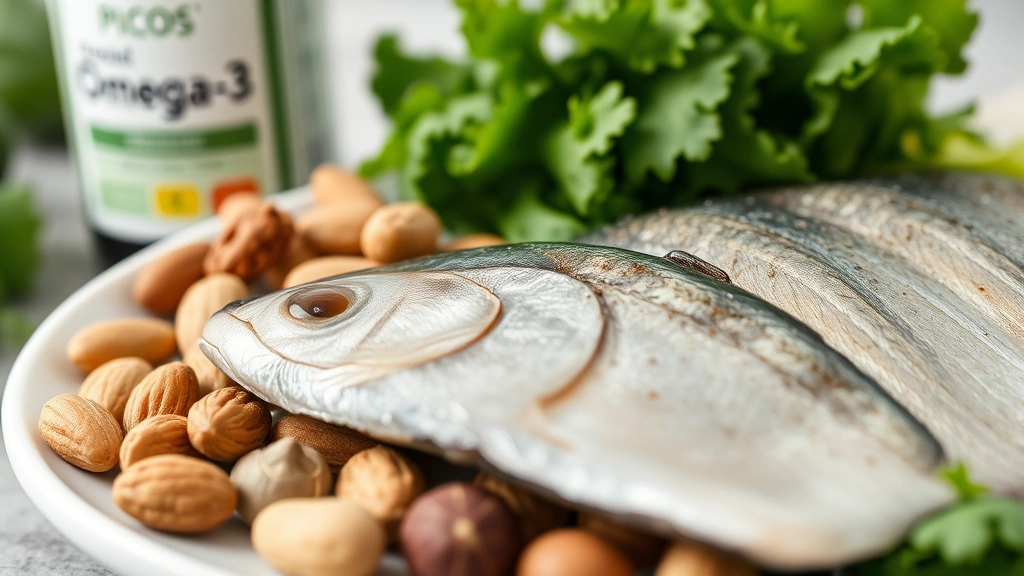
Omega-3 Fatty Acids: While technically not vitamins, omega-3 supplementation (1,000-2,000 mg EPA/DHA daily) reduces inflammation, improves insulin sensitivity, and supports cardiovascular health in PCOS patients. The anti-inflammatory effects particularly benefit women struggling with systemic inflammation that drives metabolic dysfunction.
Combining these micronutrients strategically creates a comprehensive supplementation approach that addresses multiple PCOS dysfunction pathways simultaneously.
Combining Vitamins with Lifestyle Changes
Vitamin supplementation works best within a comprehensive PCOS management framework. The synergy between nutritional support, dietary changes, and exercise creates far superior results than any single intervention alone.
Nutrition Integration: Vitamins optimize the benefits of a properly structured PCOS diet. The best diet for PCOS weight loss typically emphasizes protein, healthy fats, and low-glycemic carbohydrates—a foundation that vitamin supplementation enhances. For example, inositol supplementation combined with a low-glycemic diet produces dramatically better insulin sensitivity improvements than either intervention alone. Similarly, high protein meal prep for weight loss becomes more effective when B vitamins and magnesium support optimal energy metabolism.
Exercise Optimization: B vitamins and magnesium directly support exercise performance and recovery. When women supplement these nutrients, they often notice improved energy during workouts and faster recovery afterward. This allows for more consistent, intense training—critical for weight loss and metabolic improvement. Weight loss and weight training becomes significantly more sustainable when micronutrient status is optimized.
Inflammation Management: PCOS involves chronic low-grade inflammation that impedes weight loss. Vitamins like D, omega-3s, and chromium reduce inflammatory markers while inositol improves insulin sensitivity—together creating an anti-inflammatory effect that accelerates metabolic improvement. This is why women often notice faster weight loss after 6-8 weeks of consistent supplementation combined with dietary changes and exercise.
Consistency and Patience: Vitamin supplementation requires consistency and patience. Most women need 8-12 weeks to notice significant metabolic improvements and weight loss acceleration. This is because vitamins work by correcting underlying deficiencies and optimizing cellular function—processes that take time. However, many women report feeling better (more energy, clearer thinking, improved mood) within 2-3 weeks, which motivates continued adherence to healthy habits.
Safety and Medical Consultation
While vitamins and supplements are generally safe, PCOS patients should approach supplementation thoughtfully and in consultation with healthcare providers.
Testing Before Supplementing: Rather than taking supplements blindly, consider baseline testing for vitamin D, B12, folate, and mineral status. This allows you to supplement strategically based on actual deficiencies rather than assuming you need everything. Testing also helps determine appropriate dosing and prevents unnecessary supplementation.
Quality and Sourcing: Not all supplements are created equal. Choose brands that third-party testing (USP, NSF, or ConsumerLab verified) and provide transparency about sourcing and manufacturing. Poor-quality supplements may contain contaminants, incorrect dosages, or inactive ingredients.
Medication Interactions: Some vitamins and supplements interact with medications. For example, high-dose inositol may affect insulin medication requirements, requiring dose adjustments. Vitamin D affects calcium metabolism. Always inform your healthcare provider about all supplements you’re taking.
Working with Specialists: Ideally, consult with a registered dietitian specializing in PCOS or an obesity medicine physician familiar with micronutrient therapy. These professionals can recommend personalized supplementation protocols based on your specific situation, test results, and goals. The Academy of Nutrition and Dietetics maintains a referral directory for finding qualified nutrition professionals.
Additionally, research from institutions studying PCOS management, such as those published in PubMed Central, provides evidence-based guidance for supplementation protocols.

FAQ
How long does it take for vitamins to help with PCOS weight loss?
Most women notice metabolic improvements and weight loss acceleration within 8-12 weeks of consistent vitamin supplementation combined with dietary changes and exercise. Some experience energy improvements and mood changes within 2-3 weeks. Individual timelines vary based on severity of deficiencies, baseline metabolic health, and adherence to comprehensive lifestyle changes.
Can I take all these vitamins together?
Yes, most of the vitamins discussed can be taken together safely. In fact, synergistic combinations often work better than individual supplements. However, specific timing and formulation matter. For example, inositol is often taken with meals, vitamin D with a fat-containing meal for absorption, and magnesium before bed for sleep benefits. Consult your healthcare provider about the optimal timing for your specific supplement regimen.
Do I need to take vitamins forever?
This depends on your individual situation. If you have documented deficiencies, supplementation until levels normalize is appropriate. Some women benefit from ongoing maintenance supplementation (particularly vitamin D and inositol) because PCOS creates ongoing nutrient demands. Others find that after correcting deficiencies and optimizing their diet and exercise, they need minimal supplementation. Work with your healthcare provider to determine your long-term supplementation needs.
Can vitamins replace medication for PCOS?
Vitamins complement but don’t replace PCOS medications. If you’re taking metformin or hormonal contraceptives, vitamins enhance their effects but shouldn’t be used instead of prescribed medications. The most effective PCOS management combines medications (when appropriate), vitamins, dietary changes, and exercise. Discuss any changes to your medication regimen with your doctor.
Are there vitamins I should avoid with PCOS?
Generally, the vitamins discussed are safe for PCOS management. However, avoid excessive iron supplementation unless you have documented iron deficiency anemia, as excess iron increases inflammation. Additionally, be cautious with high-dose vitamin A supplementation, as excessive vitamin A can affect hormone metabolism adversely. Stick to recommended daily allowances for nutrients you’re not specifically deficient in.
What if I don’t see weight loss results from vitamins?
Vitamins work best within a comprehensive approach. If you’re supplementing but not seeing results, evaluate your overall strategy: Are you following a PCOS-appropriate diet? Are you exercising consistently? Are you getting adequate sleep and managing stress? Are you taking vitamins long enough for effects to manifest? If you’ve been consistent for 12+ weeks without progress, consult a PCOS specialist to assess whether your supplementation protocol needs adjustment or whether other factors require attention.


