
Table of Contents
Introduction
Here’s something that might surprise you: losing weight doesn’t just change how you look—it can completely transform how your body handles blood sugar. The relationship between weight loss and insulin resistance? It’s more powerful than most people realize, and it could be the missing piece in your health puzzle.
So what exactly is insulin resistance? Think of it this way—your body’s cells start ignoring insulin’s signals, like a teenager tuning out their parents. Blood sugar levels climb, and suddenly you’re staring down the barrel of type 2 diabetes. The frustrating part? Extra weight (especially that stubborn belly fat) makes everything worse. But here’s the good news: when you focus on a high protein diet for weight loss, you’re not just shedding pounds—you’re boosting your metabolism and keeping muscle while burning fat. And get this—even losing a modest amount of weight can dramatically improve how your body responds to insulin.
Now, let’s talk about what actually works. Smart nutrition isn’t just about eating less—it’s about eating right. Low glycemic index foods become your best friend because they keep your blood sugar steady instead of sending it on a roller coaster ride. Exercise? It’s like giving your muscles a direct hotline to glucose—they start gobbling it up more efficiently. Speaking of exercise, the right fitness routines for weight loss can work wonders for insulin sensitivity. Don’t forget the basics either: managing stress and getting quality sleep aren’t just nice-to-haves—they’re essential for keeping your metabolism humming.
Here’s where it gets tricky, though. Most people feel overwhelmed trying to figure out which diet changes actually matter and which lifestyle tweaks will move the needle. That’s exactly why understanding weight loss and metabolic syndrome is so valuable—it shows you the bigger picture of how weight affects your entire metabolic system. When you really grasp these connections, you can make choices that actually stick and create lasting change.
What You’ll Learn in This Guide
We’re going to break down everything you need to know about weight loss and insulin resistance—no medical jargon, just practical insights you can actually use.
- Understanding Insulin Resistance: We’ll explain what’s really happening in your body when insulin resistance develops, and why your weight plays such a crucial role. Think of this as your crash course in metabolic health.
- The Role of Weight in Metabolic Health: Not all body fat is created equal—you’ll learn why where you carry weight matters just as much as how much you weigh, and why that belly fat is particularly problematic.
- Effective Weight Loss Strategies: This is where the rubber meets the road. We’ll cover the dietary changes that actually work, why protein and fiber are game-changers, which types of exercise give you the biggest bang for your buck, and the lifestyle factors that tie it all together.
- When to Seek Professional Help: Sometimes you need backup, and that’s okay. We’ll help you recognize the warning signs that mean it’s time to call in the professionals, plus the tests that can help you track your progress.
Throughout this guide, we’ll connect the dots between different strategies—like how healthy meal plans for weight loss can accelerate your progress when you understand the insulin connection.
The best part? Everything we’ll cover is backed by solid research, but explained in a way that actually makes sense. You’ll walk away with concrete action steps, not just theory.
Ready to see how weight loss can be your secret weapon against insulin resistance? Let’s dive in and explore the strategies that can genuinely transform your metabolic health and overall well-being.
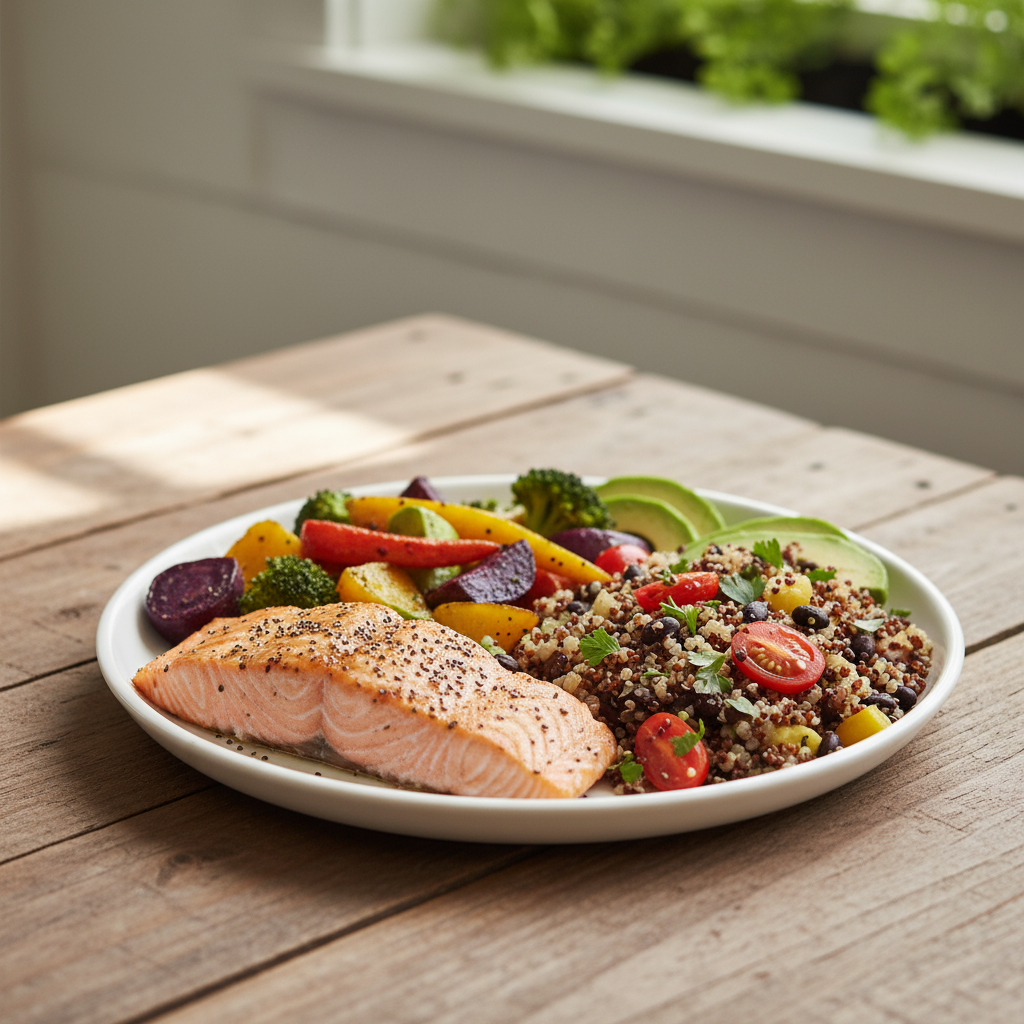
Here’s something that might surprise you: losing weight isn’t just about looking good in your favorite jeans. There’s this fascinating connection between your weight and how well your body handles sugar—and it could be the key to avoiding some pretty serious health problems down the road. When your cells stop listening to insulin (the hormone that’s supposed to keep your blood sugar in check), you’ve got what doctors call insulin resistance. And here’s the thing—your weight plays a huge role in whether this happens to you. The good news? Dropping those extra pounds, especially the stubborn belly fat, can actually help your body get back on track. Your cells start responding to insulin again, your energy levels improve, and you’re setting yourself up for much better health. Let’s dive into how your weight affects insulin resistance and what you can actually do about it.
The Impact of Weight on Insulin Resistance
Not all fat is your enemy, but some types definitely aren’t doing you any favors. Where you carry extra weight matters way more than you might think. That belly fat? It’s not just sitting there looking unsightly—it’s actually working against you. Visceral fat (the stuff that wraps around your internal organs) is like having a troublemaker in your system. It releases inflammatory substances that basically tell your cells to ignore insulin’s messages. Picture insulin knocking on your cell’s door, but the cell has headphones on and can’t hear it. Meanwhile, the fat under your skin isn’t nearly as problematic.
When you gain weight—especially around your midsection—things get worse fast. Your body starts pumping out more inflammatory chemicals and free fatty acids. Think of it as adding fuel to a fire that’s already burning. This doesn’t just mess with your blood sugar; it sets you up for metabolic syndrome and heart problems too. What’s really eye-opening is that even small amounts of weight gain can make your insulin less effective. That’s why catching this early matters so much.
Key Aspects of How Weight Influences Insulin Resistance
Here’s what you need to know about the weight-insulin resistance connection:
- Visceral Fat vs. Subcutaneous Fat: The fat around your organs is the real troublemaker here—it creates inflammation that messes with insulin’s ability to do its job. The fat just under your skin? Not nearly as harmful. Focus your efforts on losing that belly fat, and you’ll see the biggest improvements in how your body handles insulin.
- Weight Gain and Insulin Sensitivity: Extra weight, particularly around your waist, makes your body fight against insulin harder. This ups your risk for diabetes and heart disease significantly. But here’s the encouraging part—managing your weight can actually reverse this process.
- Inflammatory Response: More fat tissue means more inflammation throughout your body. This chronic, low-level inflammation interferes with insulin’s signals and makes it harder for your body to process sugar properly.
- Hormonal Imbalance: Excess fat doesn’t just sit there—it actively messes with your hormones. It throws off the signals that control your appetite, metabolism, and how well insulin works, creating a cycle that keeps getting worse if you don’t address it.
Now that you understand how weight affects insulin resistance, let’s talk about the really exciting part: how losing weight can turn this whole situation around. Weight loss doesn’t just make you look better—it literally helps your body function better.
How Weight Loss Can Improve Insulin Resistance
Here’s where things get really encouraging. When you lose weight, especially that stubborn belly fat, your body starts working with you instead of against you. Your cells begin listening to insulin again, which means better blood sugar control and more stable energy throughout the day. Some people even find they need less medication (though definitely talk to your doctor about that). The secret sauce? It’s not just about the number on the scale—it’s about changing how you eat and move.
What you eat makes a massive difference. Swap out processed foods and sugary stuff for real, whole foods, and you’ll notice your blood sugar stops going on those crazy roller coaster rides. Your body will thank you for it. And movement? It’s like giving your muscles a direct line to use up glucose, even when insulin isn’t working perfectly. But don’t forget about the other stuff that matters—getting enough sleep and managing stress aren’t just nice-to-haves. They’re actually crucial for keeping your hormones balanced and your appetite under control.
Key Aspects of Weight Loss Strategies to Improve Insulin Resistance
Here’s your game plan for using weight loss to improve insulin sensitivity:
- Dietary Changes: Cut back on the processed stuff and load up on foods that actually nourish you—vegetables, fruits, lean proteins, and healthy fats. These foods help keep your blood sugar steady instead of sending it on a wild ride. The fiber in whole foods is particularly amazing for this. Want to learn more about how fiber works its magic? Check out the importance of dietary fiber.
- Physical Activity: You don’t need to become a gym rat, but moving your body regularly is huge. Walking, swimming, cycling—whatever gets you moving—plus some strength training will help your muscles become insulin-sensitive again. The best part? Your muscles will start using glucose more efficiently. For practical tips on getting started, take a look at these fitness tips for weight loss.
- Sleep Quality: This one’s often overlooked, but it’s absolutely critical. When you don’t get enough quality sleep, your hormones go haywire—including insulin and the ones that control hunger. Poor sleep literally makes insulin resistance worse and can sabotage your weight loss efforts.
- Stress Management: Chronic stress pumps up your cortisol levels, which promotes fat storage (especially around your belly) and makes insulin resistance worse. Finding ways to chill out—whether that’s meditation, yoga, or just taking regular breaks—can actually help your metabolism. Need some ideas? These stress management strategies might help.

Here’s the bottom line: weight loss and insulin resistance are connected in ways that can completely change your health trajectory. When your body stops responding properly to insulin, your blood sugar spikes—and that’s when things get complicated. The real culprit? Often it’s that stubborn belly fat that seems impossible to lose. (You know the one I’m talking about.) This visceral fat doesn’t just sit there looking annoying—it actively triggers inflammation and throws your hormones out of whack. But here’s the good news: tackle your weight early, and you can turn this whole situation around.
Losing weight, especially around your midsection, helps your body remember how to use insulin properly again. Think of it like rebooting your computer when it’s running slow. But weight loss alone isn’t the whole story. You’ll want to focus on what you’re eating too—more fiber, lean protein, and whole foods that won’t send your blood sugar on a rollercoaster ride. And yes, you need to move your body. Both cardio and strength training work together to help your muscles gobble up glucose more efficiently. Don’t forget about the basics either: managing stress and getting quality sleep. (Trust me, your body notices when you skimp on either.)
Ready to take action? Start with meal planning that actually makes sense for your life. Our healthy meal plans for weight loss focus on real foods that support your metabolism and help you lose fat sustainably. Next up: strength training. It’s not just about looking good—it’s about making your body work better. Check out our guide on weight loss and resistance training for routines that actually deliver results. Want to stay on track? Technology can be your friend here. Our breakdown of weight loss and fitness apps will help you find tools that work for your lifestyle. For a deeper dive into how excess weight affects your entire metabolic system, explore our guide on weight loss and metabolic syndrome. And if you want evidence-based strategies for boosting insulin sensitivity, this external resource on how to improve insulin sensitivity is packed with actionable insights.
Look, improving insulin resistance through weight loss isn’t going to happen overnight. But it will happen if you stay consistent and make smart choices. You’ve got the knowledge now—use it. Focus on small, sustainable changes that you can actually stick with. Celebrate the wins, even the tiny ones. Be patient with yourself because this is a marathon, not a sprint. Every healthy meal, every workout, every good night’s sleep is moving you closer to better energy, improved health, and feeling like yourself again. You’ve got this. With the right approach and a bit of persistence, you can take back control of your metabolic health and build the vibrant life you deserve.
Frequently Asked Questions
-
Can weight loss reverse insulin resistance?
- Yes, moderate weight loss can significantly improve insulin sensitivity and in some cases may reverse insulin resistance by reducing harmful fat deposits and inflammation.
-
What foods help reduce insulin resistance?
- Foods rich in fiber, whole grains, lean proteins, and healthy fats like avocados and nuts support better insulin sensitivity and stable blood sugar levels.
-
How much weight do I need to lose to improve insulin resistance?
- Losing even 5-10% of your body weight can positively impact insulin resistance and help improve metabolic health.
-
Is exercise necessary for improving insulin resistance?
- Yes, regular physical activity, especially a combination of aerobic and resistance training, is vital for enhancing insulin sensitivity and supporting weight loss.
-
When should I see a doctor about insulin resistance?
- If you experience symptoms such as persistent fatigue, increased thirst, frequent urination, or unexplained weight changes, it’s important to consult a healthcare professional for evaluation and testing.