
Table of Contents
Introduction
Here’s something that might surprise you: protein isn’t just about building muscle. It’s actually one of your strongest allies when it comes to losing weight—and most people have no clue just how powerful it really is. Ever notice how some diets make a huge deal about protein while others barely mention it? There’s a reason for that, and once you understand it, your whole approach to weight loss might change.
Weight loss isn’t just about eating less (though that definitely matters). It’s about eating smart. Think of protein as your metabolism’s best friend—it keeps your muscle intact even when you’re cutting calories, and here’s the kicker: muscle burns more calories just sitting there doing nothing. So the more muscle you keep, the more calories your body torches throughout the day. Pretty neat, right? That’s why successful weight loss programs put so much emphasis on getting your protein right, like you’ll see in this detailed high protein diet for weight loss guide.
But wait—there’s more. Protein is like that friend who helps you make better decisions. It keeps you feeling satisfied longer, which means you’re way less likely to raid the pantry at 9 PM. (We’ve all been there.) Your hunger hormones actually respond differently to protein, making it easier to stick to your eating plan without feeling like you’re constantly fighting cravings. When you balance your meals with the right protein sources, suddenly weight loss doesn’t feel like such an uphill battle. And speaking of keeping muscle while you lose weight, you’ll want to check out these tips on how to maintain muscle mass for that lean, strong look you’re after.
Now, here’s where meal planning becomes your secret weapon. Spreading protein throughout your day isn’t just some nutrition guru’s fancy idea—it actually works. Your muscles get a steady supply of what they need, and your metabolism stays revved up. If you’re wondering how to put this into practice, these healthy meal plans for weight loss will show you exactly how to create meals that taste great and support your goals. And if you’re interested in mixing things up with plant-based options (which, by the way, can be just as effective), this guide to plant-based protein sources will open up a whole new world of delicious possibilities.
What You’ll Learn in This Guide
This guide is going to break down everything you need to know about protein and weight loss—no confusing science jargon, just practical stuff you can actually use. Here’s what we’re covering:
- The Science Behind Protein and Weight Loss: We’ll explain how protein boosts your metabolism, protects your muscle when you’re eating less, and why it’s so good at keeping hunger in check (without getting too deep into the weeds).
- Recommended Protein Intake: How much protein do you actually need? We’ll help you figure out your personal sweet spot based on your weight, how active you are, and what you’re trying to achieve.
- Protein Sources and Meal Planning: The best protein foods (both meat and plant-based), plus real-world tips for working them into meals you’ll actually enjoy eating.
- Practical Strategies and Tools: When to eat protein, how to boost your intake without getting bored, exercise tips that work with your diet, and some handy apps to keep you on track.
After this introduction, we’ll dive into the nitty-gritty of how protein works its magic, which foods pack the biggest punch, and how to customize everything to fit your lifestyle. We’ll also talk about how exercise fits into the picture—because let’s be honest, combining good nutrition with smart workouts is where the real magic happens. You’ll find some great fitness tips for weight loss that complement everything we’re discussing here.
By the time you’re done with this guide, you’ll have a clear game plan for using protein to reach your goals. Whether you want to lose fat, build some lean muscle, or just eat better overall, you’ll know exactly what to do. No more guessing, no more conflicting advice from random internet sources. Just straightforward, science-backed strategies that actually work in real life.
Ready to discover why protein might be the missing piece in your weight loss puzzle? Let’s explore how this one nutrient can transform not just how you look, but how you feel every single day. Trust me—once you see what protein can do for your energy, your appetite, and your results, you’ll wonder why you didn’t start paying attention to it sooner.
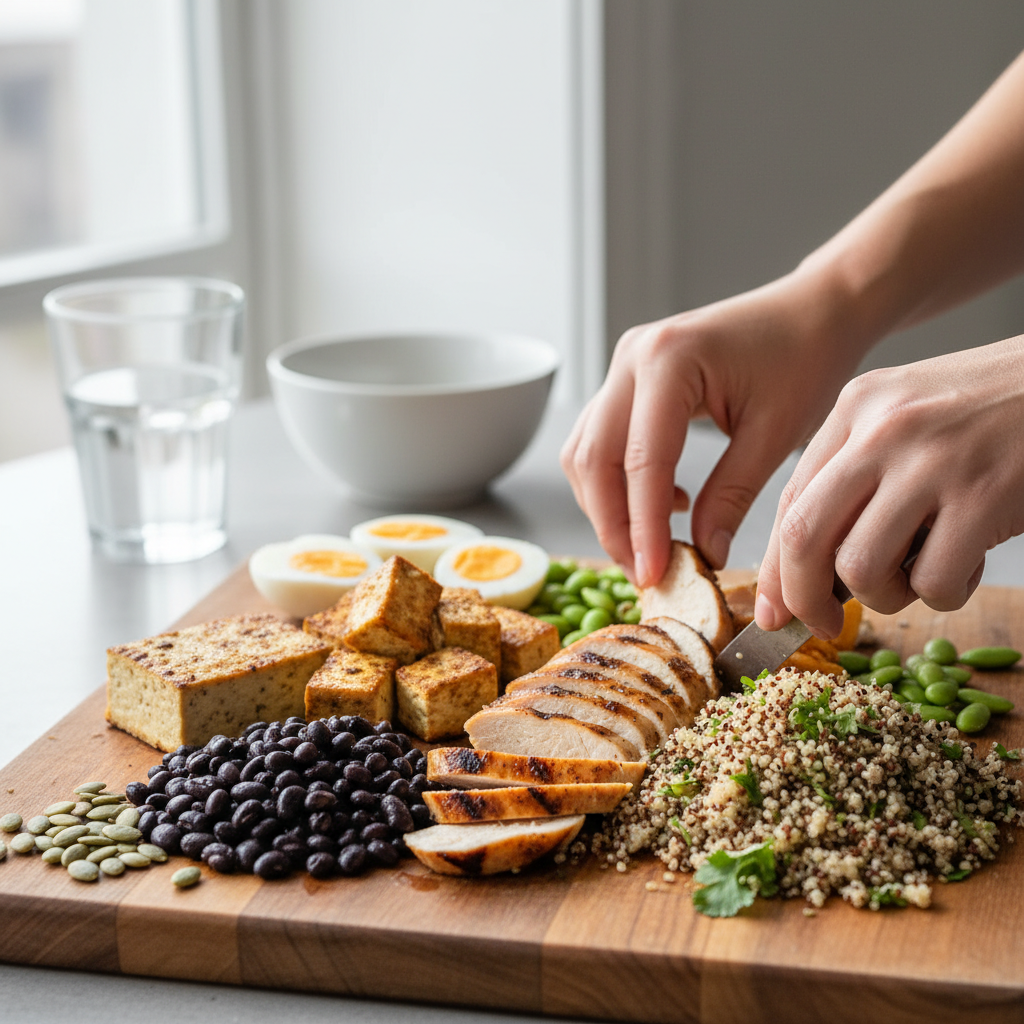
Here’s something most people don’t realize about weight loss: protein isn’t just important—it’s a complete game-changer. While everyone’s obsessing over cutting calories (and trust me, I get it), there’s this incredible macronutrient sitting right there that can transform your entire approach to losing weight. We’re talking about protein, and it does way more than just build muscle. It revs up your metabolism, keeps you satisfied longer, and actually helps your body burn more calories just by eating it. Pretty amazing, right?
Why Protein is Important for Weight Loss
Think of protein as your weight loss secret weapon. When you’re trying to shed pounds, your body has this annoying habit of burning both fat AND muscle for energy. Not ideal. But here’s where protein steps in like a bodyguard for your muscles—it helps preserve that precious lean muscle mass even when you’re eating fewer calories.
And here’s the kicker: muscle tissue is metabolically active. What does that mean? Even when you’re binge-watching Netflix, your muscles are burning calories. The more muscle you keep, the higher your resting metabolic rate stays. It’s like having a calorie-burning furnace that never turns off.
But wait, there’s more. (I know, I sound like an infomercial, but stick with me.) Protein has this incredible ability to make you feel full and satisfied. Ever notice how a protein-rich breakfast keeps you going until lunch, while a bagel leaves you hungry an hour later? That’s protein doing its satiety magic. Plus, your body actually burns more calories digesting protein compared to carbs or fats—scientists call this the thermic effect, and it’s basically free bonus calorie burning.
When you combine adequate protein with regular exercise (especially resistance training), something beautiful happens. Your body becomes a fat-burning machine while simultaneously protecting and even building muscle. This isn’t just about the number on the scale dropping—it’s about transforming your body composition. You end up leaner, stronger, and with a metabolism that actually works for you instead of against you.
Key Aspects of Protein in Weight Loss
Let’s break down exactly why protein deserves a starring role in your weight loss journey:
- Supports Muscle Maintenance: Protein helps preserve lean muscle mass when you are in a calorie deficit, preventing muscle loss which can slow metabolism.
- Increases Satiety and Reduces Appetite: Eating protein-rich foods can keep you fuller for longer, helping curb overeating and snacking between meals.
- Boosts Metabolic Rate: Protein has a higher thermic effect, which means your body burns more calories during digestion compared to other macronutrients.
- Promotes Fat Burning: By supporting muscle mass and metabolic functions, protein intake aids in more effective fat loss rather than just weight loss.
Now that you know why protein is such a powerhouse, the next logical question is: how much do you actually need? Because here’s the thing—getting the amount right can make or break your results. Too little, and you miss out on all these benefits. Too much? Well, let’s just say your wallet might feel it more than your waistline. The sweet spot depends on several factors, and we’re about to dive into exactly how to find yours.
Recommended Protein Intake for Weight Loss
Okay, let’s talk numbers. But don’t worry—this isn’t going to turn into a complicated math lesson. Most nutrition experts suggest aiming for about 1.2 to 2.0 grams of protein per kilogram of your body weight when you’re trying to lose fat while keeping your muscle. If you’re super active or hitting the gym regularly, you’ll want to lean toward the higher end of that range.
Here’s what many people get wrong: they save all their protein for dinner. Big mistake. Your body can only use so much protein at once for muscle building, so spreading it throughout the day is way smarter. Think of it like feeding a campfire—you want to keep adding logs consistently rather than dumping them all on at once.
Try to include some quality protein at every meal. Breakfast, lunch, dinner, and even snacks. This keeps your muscle protein synthesis humming along all day and helps maintain those stable energy levels that make sticking to your plan so much easier. And if you’re working out? Having some protein within a couple hours of your workout can really boost your recovery and results.
Key Factors for Protein Intake
Here’s your practical guide to nailing your protein needs:
- Protein Intake per Kilogram of Body Weight: Use your current body weight to estimate protein needs, generally aiming for 1.2 to 2.0 grams per kilogram depending on your activity level and goals.
- Adjustments for Activity Level and Age: More active individuals, older adults, or those with higher muscle mass may require increased protein intake to maintain and build muscle.
- Timing of Protein Consumption: Distribute protein evenly across meals and include protein post-workout to maximize muscle recovery and metabolic effects.
- Balanced Meal Planning: Incorporating protein with healthy fats and complex carbohydrates supports balanced nutrition and sustained energy.
The beauty of focusing on protein is that it naturally leads you toward better food choices overall. You start prioritizing nutrient-dense options and planning meals that actually satisfy you. But here’s the million-dollar question: what are the best sources to choose from? Whether you’re team carnivore, plant-based, or somewhere in between, there are fantastic options that’ll help you hit your goals while keeping your taste buds happy. Let’s explore those next.

Here’s the thing about protein and weight loss—it’s not just another diet trend. Protein really does work magic for your body in ways that go far beyond simple calorie counting. Think about it: when you’re cutting calories to lose weight, your body wants to burn muscle along with fat. Not ideal, right? But protein steps in like a bodyguard for your muscles, helping you keep that lean tissue that actually burns calories even when you’re binge-watching Netflix.
And there’s more. Your metabolism gets a nice little boost every time you eat protein because your body has to work harder to digest it (that’s called the thermic effect, if you want to get technical). Plus—and this is huge—protein keeps you feeling full way longer than carbs or fats. You know that “hangry” feeling that hits when you’re dieting? Protein helps keep that monster at bay.
Now, figuring out how much protein you actually need? That’s where it gets personal. Your body weight matters, sure, but so does how active you are, your age, and what you’re trying to achieve. A couch potato needs different amounts than someone hitting the gym five days a week. The sweet spot for most people trying to lose weight falls somewhere between 1.2 to 2.0 grams per kilogram of body weight—but don’t stress about being perfect with the math. Spread your protein throughout the day, time some around your workouts if you exercise, and mix up your sources. Chicken gets boring fast, so throw in some fish, beans, Greek yogurt, or whatever makes your taste buds happy.
Ready to put this knowledge to work? Start building your plate around healthy meal plans for weight loss that put protein front and center while keeping things balanced and sustainable. Pair that solid nutrition foundation with smart movement—check out proven fitness tips for weight loss that blend cardio with strength training. Want to really dial in your results? Dive into weight loss and resistance training for workouts that’ll help you build muscle while torching fat. And if you’re serious about optimizing everything (maybe you’re an athlete or just love geeking out on nutrition), explore nutrition for athletes for next-level dietary strategies.
Look, sustainable weight loss isn’t about perfection—it’s about consistency and finding what works for your life. You’ve got the protein knowledge now, so start making small changes that add up over time. Maybe that’s swapping your afternoon crackers for Greek yogurt, or adding a scoop of protein powder to your morning smoothie. Whatever you do, be patient with yourself and don’t hesitate to get professional help if you have health conditions or just want personalized guidance. Your stronger, healthier self is already within reach—you just need to take that first step.
Frequently Asked Questions
-
How much protein should I eat to lose weight?
- Protein needs generally range from 1.2 to 2.0 grams per kilogram of body weight, adjusted based on your activity level and weight loss goals.
-
Can I get enough protein on a vegetarian or vegan diet?
- Yes, plant-based proteins like beans, lentils, tofu, quinoa, and nuts can provide sufficient protein when consumed in varied and balanced amounts.
-
Does eating more protein help burn fat?
- Higher protein intake boosts metabolism through the thermic effect of food and helps preserve muscle, supporting more effective fat loss.
-
Are protein supplements necessary for weight loss?
- Protein supplements are optional conveniences. They can help meet daily needs if dietary intake is insufficient but are not mandatory if your meals provide enough protein.
-
When should I talk to a doctor or dietitian about protein and weight loss?
- Consult a healthcare professional if you have medical conditions, dietary restrictions, or experience unexplained weight changes to ensure safe and effective weight loss strategies.