
Table of Contents
Introduction
Weight loss journeys? They’re tough. Really tough. You’ve probably tried a dozen different diets, each one promising you’ll finally crack the code this time. But here’s something interesting—what if the answer isn’t in some trendy new approach, but in eating the way humans did for thousands of years? That’s exactly what the Paleo diet is all about.
Think of the Paleo diet as a back-to-basics approach that’s surprisingly modern in its results. You’re basically eating like your hunter-gatherer ancestors did—lean meats, fresh fruits, vegetables, nuts, and seeds. No processed junk. No mystery ingredients you can’t pronounce. Just real food. And here’s what’s fascinating: people who make this switch often see changes that go way beyond the scale. Better energy, less inflammation, improved metabolism. Speaking of nutrition fundamentals, you might want to check out this guide on the importance of dietary fiber—it plays perfectly into the Paleo approach and explains why you’ll feel so much more satisfied.
Now, let’s get real about weight loss for a minute. It’s not just about calories in, calories out (though that matters). Your body responds differently to different types of food. When you cut out processed foods loaded with refined sugars and grains, something interesting happens. Your blood sugar stabilizes. Your insulin levels calm down. And your body gets better at burning fat for fuel instead of constantly storing it. The high-protein, nutrient-dense foods you’ll be eating? They help you hold onto muscle while you’re losing fat—which is exactly what you want. If you’re serious about results, you’ll also want to pair this with smart movement. This article on practical fitness tips designed for weight loss shows you how to make exercise work with your new eating style.
Here’s something most people don’t think about: how do you actually know if it’s working? Sure, the scale gives you one number, but your body’s changing in ways that number won’t capture. That’s where proper measurement techniques come in handy—and this piece on weight loss and body measurements will show you exactly how to track what matters. But the benefits don’t stop at looking better in your jeans. Losing weight—especially when you do it the right way—can have a huge impact on your overall health. Your blood pressure, for instance. There’s a fascinating connection there that’s explained really well in this article about weight loss and blood pressure.
What You’ll Learn in This Guide
We’re going to walk through everything you need to know about using the Paleo diet for weight loss. No fluff, no confusing science-speak—just practical information you can actually use.
- The Paleo Diet Fundamentals: What you can eat, what you can’t, and why these choices matter for your weight loss goals. We’ll break down how focusing on whole, natural foods changes the game for your metabolism and overall health.
- Weight Loss Mechanisms: The science behind why Paleo works for fat loss—from how cutting carbs affects your insulin to why protein and fiber become your best friends in this process.
- Challenges and Adjustments: Let’s be honest—this isn’t always easy. We’ll tackle the real obstacles you’ll face (hello, social situations and cravings) and give you strategies that actually work.
- Tips for Success: Practical stuff that makes the difference between giving up after two weeks and making this a sustainable lifestyle. Meal prep, progress tracking, staying motivated—we’ve got you covered.
Technology can be your ally in this journey too. These days, there are some incredibly helpful tools that can keep you motivated and on track. Check out this guide to weight loss and fitness apps to see how your smartphone can become your personal wellness coach.
But here’s what might surprise you most about the Paleo approach—the weight loss is just the beginning. People report sleeping better, having more stable energy throughout the day, and feeling less bloated and uncomfortable after meals. Your skin might clear up. Your mood might improve. (When you’re not on a blood sugar roller coaster all day, you tend to feel more balanced.) And if you’re interested in maximizing these benefits, learning about foods rich in antioxidants can show you how certain Paleo-friendly foods pack an extra punch for your overall health.
Ready to see what happens when you stop fighting your body and start working with it instead? The Paleo diet isn’t just about looking back to move forward—it’s about discovering what your body can do when you give it the fuel it was designed to run on. Let’s dive in.
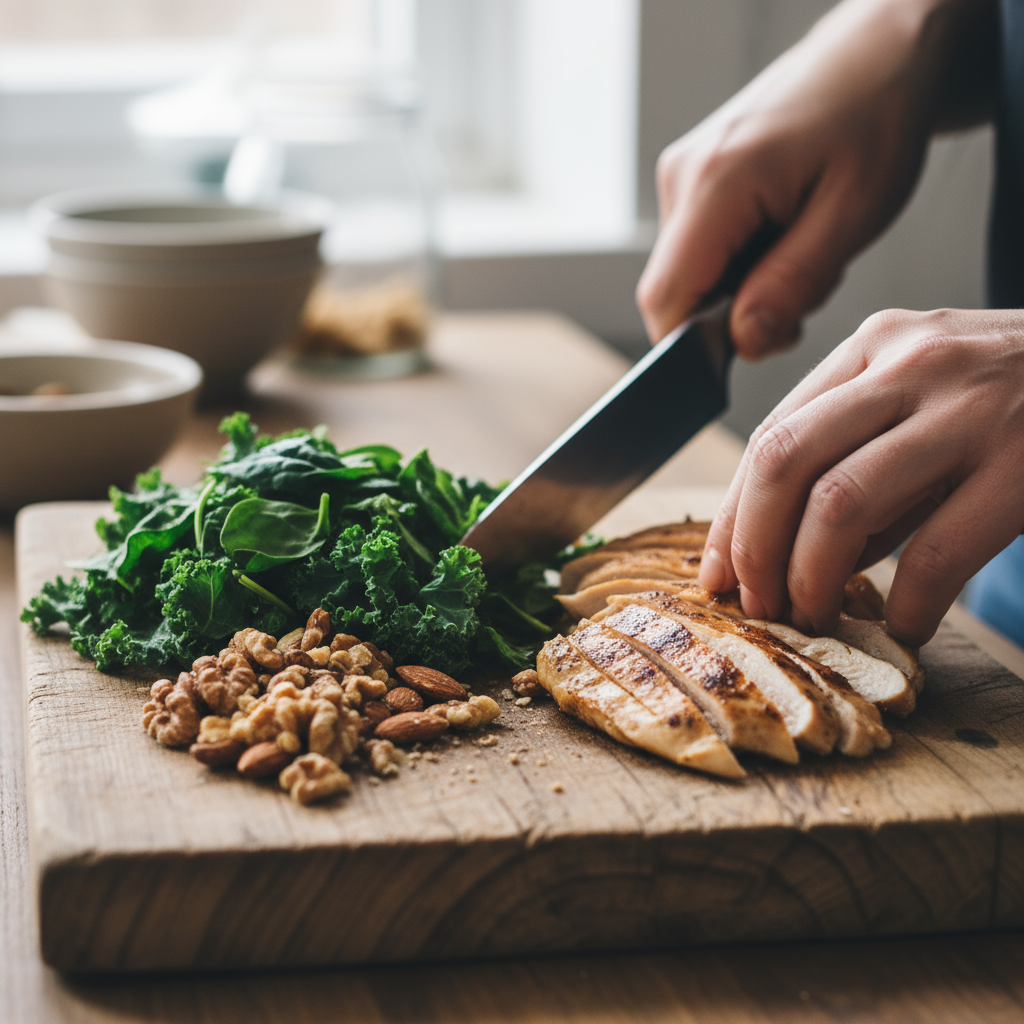
The Paleo diet has been making waves as a natural way to shed pounds and boost your overall health. And honestly? There’s good reason for all the buzz. When you focus on whole, unprocessed foods while cutting out grains, dairy, and processed sugars, something interesting happens—your eating habits shift in ways that can seriously impact your metabolism and body composition. So let’s dig into how this ancient approach to eating actually helps with weight loss, and (just as importantly) how to tackle the real-world challenges that come with sticking to it long-term.
How the Paleo Diet Promotes Weight Loss Effectively
Here’s what makes the Paleo diet such a game-changer for weight loss: it gets back to basics. When you eliminate processed foods and refined sugars, you’re automatically cutting out tons of empty calories that don’t do your body any favors. But that’s just the beginning. The magic really happens when you reduce your carb intake—this helps keep your insulin levels steady and prevents your body from storing fat like it’s preparing for hibernation.
Now, here’s where it gets really interesting. With higher protein and fiber intake from lean meats, fish, fruits, and vegetables, you’ll actually feel satisfied after meals (imagine that!). This isn’t just about willpower—protein helps preserve your lean muscle mass while you’re losing weight, which is crucial for maintaining a healthy body composition. If you’re curious about how protein works its magic, our comprehensive guide to a high protein diet breaks down exactly how protein boosts your metabolism and keeps those pesky cravings at bay.
But wait—there’s more to love about this approach. The Paleo diet naturally steers you toward nutrient-dense foods that actually give you energy (not the crash-and-burn kind you get from processed junk). This sustained energy is what you need to stay active and keep burning calories. When you balance lean protein, fiber-rich vegetables, and healthy fats, your blood sugar stays stable and your body becomes a more efficient fat-burning machine. Speaking of fiber, if you want to understand just how important it is for appetite control and digestive health, check out this guide on the importance of dietary fiber—it’s an eye-opener.
Key Aspects of Weight Loss on the Paleo Diet
Let’s break down what makes this diet so effective for dropping pounds:
- Reduced Carbohydrate Consumption: By saying goodbye to grains and processed sugars, you’re dramatically lowering your carb intake. This means fewer insulin spikes and less fat storage—think of insulin as your body’s “store this as fat” signal. When you keep it steady, your body can focus on burning what you’ve already got stored.
- High Protein Intake: Loading up on lean meats and fish doesn’t just build muscle—it actually makes your metabolism work harder. Protein has what’s called a thermogenic effect, meaning your body burns more calories just digesting it. Plus, it keeps you feeling full longer, so you’re less likely to raid the pantry at 9 PM.
- Increased Fiber from Fruits and Vegetables: Here’s something cool: fiber-rich foods don’t just help with digestion—they’re like nature’s appetite suppressant. They help regulate your blood sugar and feed the good bacteria in your gut. (And yes, gut health is becoming a big deal in weight management research.)
- Elimination of Processed Foods: When you cut out processed foods, you’re not just reducing calories—you’re eliminating inflammatory triggers and chemical additives that can mess with your hormones. This makes it much easier to create the calorie deficit you need for weight loss without feeling like you’re constantly fighting your own body.
With these pieces in place, most people don’t just see the number on the scale drop—they notice their clothes fitting better and their energy levels improving. But let’s be real: adopting any new eating style comes with its challenges, and the Paleo diet is no exception.
Potential Challenges and Practical Tips for Success on the Paleo Diet
Let’s talk about the elephant in the room—actually sticking to the Paleo diet in real life. It sounds great in theory, but then you’re invited to your friend’s pizza party or you’re standing in the grocery store wondering what the heck you’re supposed to eat for breakfast without cereal. These are real challenges that real people face, and pretending they don’t exist won’t help anyone succeed.
Some of the biggest hurdles? Social situations (eating out becomes an adventure), missing your favorite comfort foods, and making sure you’re still getting all the nutrients your body needs when you’ve cut out entire food groups. The key is planning ahead and having strategies ready. If you’re the type who loves using technology to stay on track, our guide to weight loss and fitness apps has some fantastic tools to keep you motivated and accountable.
Here’s something important: when you eliminate grains and dairy, you need to be smart about getting nutrients like calcium and vitamin D. This doesn’t mean the diet is flawed—it just means you need to be intentional about including diverse Paleo-approved foods. (And yes, talking to a nutrition professional is never a bad idea.) The beauty of the Paleo approach is that it encourages mindful eating and lifestyle changes that go way beyond quick fixes. With some flexible strategies, you can make the social and lifestyle adjustments feel less like sacrifices and more like positive changes.
Key Considerations for Long-Term Paleo Diet Success
Want to make this work for the long haul? Focus on these areas:
- Social and Lifestyle Adjustments: Planning is your best friend here. Look up restaurant menus ahead of time, and don’t be shy about asking for modifications. For cravings, have healthy substitutes ready—and remember, you don’t have to go from zero to perfect overnight. Gradual transitions often work better than dramatic overhauls.
- Ensuring Nutritional Adequacy: Variety is key when you’re working with a more limited food list. Focus on eating the rainbow with fruits and vegetables, and pay special attention to calcium-rich foods like leafy greens and canned fish with bones. You might need to supplement vitamin D, especially if you live somewhere that doesn’t see much sun.
- Meal Preparation and Planning: This is where the magic happens. When you prep meals at home, you control the ingredients and avoid the temptation of grabbing something convenient but off-plan. Batch cooking on weekends can be a lifesaver, and simple recipes are your friend—don’t overcomplicate things.
- Tracking Progress and Staying Motivated: Numbers on a scale can be deceiving, so track multiple metrics—how your clothes fit, your energy levels, sleep quality, and measurements. Celebrate the small wins along the way, and don’t be afraid to adjust your approach based on what’s working and what isn’t. Flexibility is what separates short-term diets from lasting lifestyle changes.

Here’s the thing about going Paleo—it really can change how you feel and look. When you cut out all that processed junk and refined sugar (you know, the stuff that’s basically everywhere), something amazing happens. Your body starts working with you instead of against you. We’re talking lean meats, fresh fruits, and vegetables that actually taste good. And here’s what’s cool: by naturally cutting back on carbs, your insulin levels stabilize. Translation? Your body gets way better at burning that stubborn stored fat.
But wait—there’s more. All that protein and fiber you’re eating? It keeps you full longer, helps you hang onto your muscle while you’re losing weight, and honestly makes your digestive system happy. It’s not just about dropping pounds (though that’s nice). You’ll probably notice your energy is more consistent, inflammation goes down, and you just feel… better.
Now, let’s be real—the Paleo lifestyle does more than help you lose weight. It actually teaches you to eat mindfully, and those whole foods keep your energy steady all day long. No more 3 PM crashes! That said, it’s not always easy. Social situations can get tricky (hello, pizza parties), and you need to make sure you’re getting all your nutrients. The secret? Good meal planning, mixing up your foods, and keeping track of how you’re doing.
Speaking of tracking—don’t just rely on your scale. Trust me on this. Your measurements tell a much better story of what’s really happening to your body. Want some practical help? Check out our guide on tracking your weight loss progress effectively. And if you’re a tech person, you’ll love learning about weight loss and fitness apps that can keep you motivated and on track. Since protein is such a big part of Paleo success, you might want to dive deeper into our comprehensive guide on high protein diets. And here’s something people don’t always think about—your blood pressure might improve too, so take a look at what we’ve learned about weight loss and blood pressure.
Look, I get it—starting something new feels overwhelming. But here’s what I want you to remember: consistency beats perfection every single time. The Paleo way of eating isn’t just about what the scale says. You’re investing in better energy, happier digestion, and feeling genuinely good in your own skin. Be patient with yourself. Use the tools and resources available to make this work for your life, not someone else’s. Your future self will thank you for making this change today.
Frequently Asked Questions
-
Can you lose weight quickly on the Paleo diet?
- Weight loss speed varies by individual, but many people experience an initial rapid loss followed by steady, sustainable progress when following the Paleo diet.
-
Is the Paleo diet suitable for everyone?
- While generally safe for most, individuals with specific health conditions should consult healthcare professionals before starting the Paleo diet to ensure it’s appropriate for them.
-
What are common mistakes on the Paleo diet?
- Common pitfalls include not balancing nutrients properly, relying too heavily on certain food groups, and underestimating the importance of variety and micronutrients.