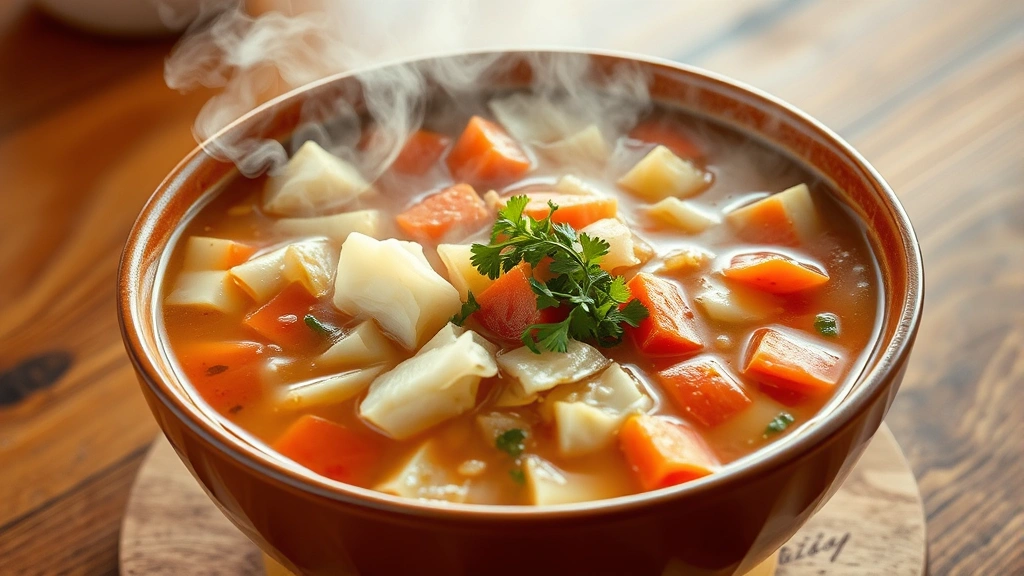
Cabbage Soup Diet Recipe: Nutritionist Approved for Sustainable Weight Loss
The cabbage soup diet has gained popularity as an accessible, budget-friendly approach to jumpstart weight loss. Unlike restrictive fad diets, this nutrient-dense option focuses on whole foods and can be seamlessly integrated into a sustainable eating plan. Whether you’re looking to shed pounds quickly or maintain consistent progress, understanding how cabbage soup fits into your broader weight loss and high protein diet strategy is essential for long-term success.
Cabbage is a nutritional powerhouse—low in calories, high in fiber, and packed with vitamins C and K. This cruciferous vegetable supports digestive health, reduces inflammation, and promotes satiety, making it an ideal foundation for a weight loss recipe. The beauty of cabbage soup lies in its versatility: you can customize it with lean proteins, additional vegetables, and flavorful seasonings to create meals that feel indulgent while supporting your health goals.
Why Cabbage Soup Works for Weight Loss
Cabbage soup has become a favorite among nutrition professionals because it addresses multiple weight loss challenges simultaneously. The high water and fiber content creates volume without excessive calories—you can enjoy large, satisfying portions while maintaining a caloric deficit. This is particularly important because hunger and food satisfaction are psychological factors that determine whether someone can stick to a weight loss plan long-term.
The soup’s effectiveness stems from several biological mechanisms. Fiber slows gastric emptying, keeping you fuller longer and stabilizing blood sugar levels. This prevents the energy crashes and cravings that often derail weight loss efforts. Additionally, cabbage contains compounds like sulforaphane that may enhance metabolic function and support the body’s natural detoxification processes.
When combined with other evidence-based approaches like best cardio exercises for weight loss and proper hydration, cabbage soup becomes part of a comprehensive strategy. Research from registered dietitians consistently shows that soups increase satiety compared to the same ingredients consumed separately, meaning you naturally eat fewer calories without feeling deprived.

Nutritionist-Approved Basic Cabbage Soup Recipe
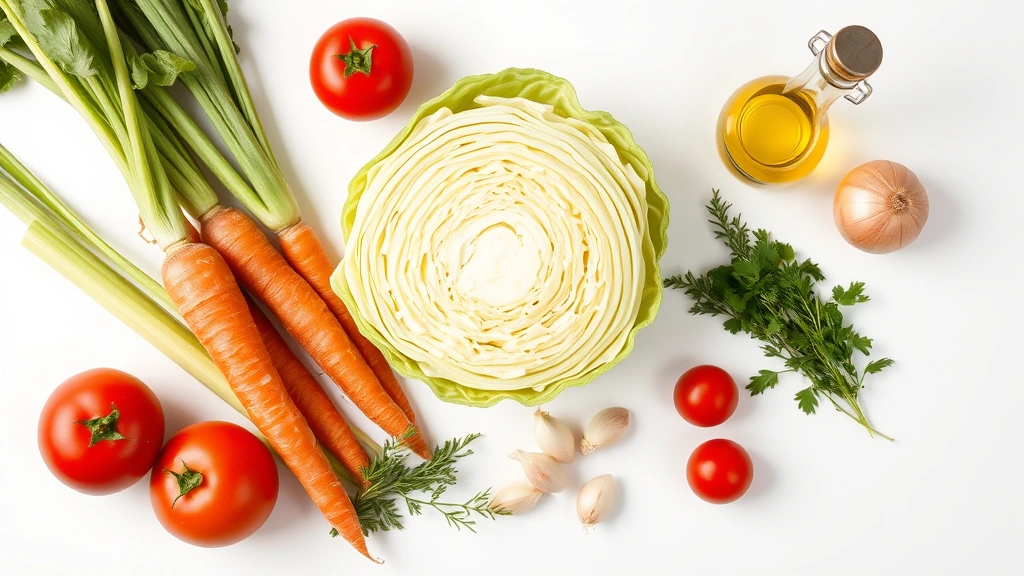
Ingredients (makes 8-10 servings):
- 1 large head of green cabbage (about 2 pounds), chopped
- 4 medium carrots, diced
- 3 celery stalks, chopped
- 1 large onion, diced
- 4 cloves garlic, minced
- 2 cans (14.5 oz each) diced tomatoes, no sugar added
- 6 cups low-sodium vegetable or chicken broth
- 2 tablespoons tomato paste
- 1 tablespoon olive oil
- 2 teaspoons dried Italian herbs
- 1 teaspoon paprika
- Salt and black pepper to taste
- Optional: red pepper flakes for heat, fresh parsley for garnish
Instructions:
- Heat olive oil in a large pot over medium-high heat. Add diced onion and cook for 3-4 minutes until softened.
- Add minced garlic and cook for 30 seconds until fragrant.
- Stir in tomato paste and cook for 1-2 minutes, allowing it to caramelize slightly.
- Add chopped cabbage, carrots, and celery. Stir well to coat with the oil mixture.
- Pour in broth and add diced tomatoes with their juice.
- Add Italian herbs, paprika, salt, and pepper.
- Bring to a boil, then reduce heat and simmer for 25-30 minutes until vegetables are tender.
- Taste and adjust seasonings as needed.
- Serve hot and store leftovers in glass containers for up to 5 days.
Nutritional Information (per serving): Approximately 85-95 calories, 3g protein, 18g carbohydrates, 4g fiber, 1g fat. This makes it an excellent low-calorie option that fits into various eating frameworks.
Delicious Variations and Modifications
The basic cabbage soup recipe serves as a foundation, but nutritionists recommend variations to prevent monotony and ensure you receive diverse nutrients. Here are evidence-based modifications:
Protein-Enhanced Version: Add 1 pound of lean ground turkey or beef, cooked separately and drained, or include 2 cans of white beans. This transforms the soup into a more complete meal and supports muscle maintenance during weight loss. Learn more about optimizing this approach with our guide on weight loss and high protein diet strategies.
Asian-Inspired Variation: Replace Italian herbs with 2 tablespoons low-sodium soy sauce, 1 tablespoon ginger, and 1 teaspoon sesame oil. Add shiitake mushrooms and bok choy in the last 5 minutes of cooking. This variation provides umami flavors that increase satisfaction.
Spicy Metabolism Boost: Include 2-3 jalapeños (seeded for less heat), 1 teaspoon cumin, and 1 teaspoon chili powder. Capsaicin in hot peppers may temporarily increase metabolic rate and support thermogenesis.
Creamy Cauliflower Version: Blend 1 cup cooked cauliflower with ½ cup low-fat Greek yogurt and add to the soup for creaminess without excess calories. This adds protein while maintaining the low-calorie profile.
Detox Green Variation: Add 2 cups spinach or kale, 1 cup broccoli florets, and juice of 1 lemon in the final minutes. The added greens increase micronutrient density without significantly raising calorie content.
The Science Behind Cabbage Soup Benefits
Understanding why cabbage soup works helps you implement it confidently into your weight loss journey. According to research published by the Academy of Nutrition and Dietetics, cruciferous vegetables like cabbage contain glucosinolates—compounds that convert to isothiocyanates during digestion. These molecules support liver function and may enhance the body’s natural detoxification processes.
The fiber content deserves special attention. One cup of raw cabbage provides about 2 grams of dietary fiber, and when prepared as soup with other vegetables, you’re consuming 4-6 grams per serving. Adequate fiber intake is associated with improved weight management outcomes because it:
- Increases satiety and reduces overall calorie intake
- Stabilizes blood glucose levels, preventing energy crashes
- Supports healthy gut microbiota, which influences metabolism and weight
- Reduces inflammation markers associated with obesity
- Improves digestive regularity and reduces bloating
A study from the CDC’s Nutrition and Physical Activity division found that individuals consuming adequate fiber lost more weight and maintained losses longer than those on fiber-restricted diets. Cabbage soup provides this benefit in a delicious, affordable format.
The low glycemic index of cabbage soup means it doesn’t cause rapid blood sugar spikes. This is crucial because blood sugar stability directly impacts hunger hormones, energy levels, and fat storage. When blood sugar remains steady, your body is less likely to store excess calories as fat and more likely to tap into existing reserves.
Additionally, the high water content (cabbage is approximately 92% water) creates volume without calories. This phenomenon, called energy density reduction, is one of the most effective strategies for sustainable weight loss. You feel full from eating more food while consuming fewer calories.
Incorporating Cabbage Soup Into Your Weight Loss Plan
Cabbage soup works best as part of a comprehensive approach rather than as a standalone solution. Consider how it fits with other evidence-based methods like weight loss with intermittent fasting or low carb diets for weight loss.
Sample Daily Meal Plan:
Breakfast: 1 cup cabbage soup with 2 soft-boiled eggs and 1 slice whole grain toast
Mid-Morning Snack: 1 apple with 1 tablespoon almond butter
Lunch: 2 cups cabbage soup with grilled chicken breast (4 oz) and a side salad
Afternoon Snack: Greek yogurt (non-fat, 6 oz) with berries
Dinner: 2 cups cabbage soup with baked salmon (5 oz) and steamed broccoli
This plan provides approximately 1,400-1,600 calories with adequate protein distribution throughout the day. To calculate your daily calorie needs, consult with a registered dietitian who can personalize recommendations based on your activity level, metabolism, and weight loss goals.
The soup’s versatility makes meal prep effortless. Prepare a large batch on Sunday and portion it into glass containers. You can reheat portions for lunch, dinner, or even breakfast (yes, soup for breakfast is increasingly popular among nutrition professionals for its satiating benefits).
Tips for Maximum Weight Loss Results
1. Prioritize Hydration: While cabbage soup contains water, supplemental hydration is crucial. Learn more about weight loss and water intake benefits. Aim for 8-10 glasses of water daily, as proper hydration supports metabolic function and reduces false hunger signals.
2. Combine with Physical Activity: Cabbage soup is most effective when paired with regular exercise. Combine your dietary changes with best cardio exercises for weight loss for optimal results. Aim for 150 minutes of moderate-intensity cardio weekly plus strength training 2-3 times per week.
3. Add Lean Proteins: While cabbage soup is nutritious, it’s relatively low in protein. Adding lean proteins like chicken, fish, beans, or Greek yogurt ensures adequate intake for muscle preservation and satiety. Protein should comprise 25-30% of your total calories.
4. Use Low-Sodium Broth: Commercial broths can contain excessive sodium, which contributes to water retention and may increase hunger. Choose low-sodium options or make homemade broth for complete control.
5. Avoid Adding Excessive Fats: While healthy fats are important, the soup’s benefit partly comes from its low calorie density. Use minimal oil (1 tablespoon per large batch) and avoid cream-based additions unless you’re increasing protein with Greek yogurt.
6. Practice Portion Awareness: Although cabbage soup is low-calorie, consuming unlimited quantities can still contribute excess calories. A reasonable portion is 1.5-2 cups per meal, which provides approximately 150-200 calories depending on your recipe modifications.
7. Monitor Your Progress Objectively: Weight fluctuates daily based on water retention, hormonal cycles, and digestive content. Weigh yourself weekly on the same day and time, and focus on trends rather than daily changes. Take progress photos and measurements, as these often show results before the scale does.
8. Ensure Nutrient Completeness: Cabbage soup alone cannot provide all essential nutrients. Include varied vegetables, quality proteins, healthy fats, and whole grains throughout your day. Consider a multivitamin if you’re in a significant caloric deficit.
Frequently Asked Questions
How long can I follow the cabbage soup diet?
The basic cabbage soup diet (consuming soup as the primary meal) is designed as a short-term strategy, typically 7-10 days. However, incorporating cabbage soup as part of a balanced eating plan is sustainable indefinitely. For long-term weight loss, aim to include cabbage soup 3-4 times weekly as part of varied meals rather than relying on it exclusively.
Will I lose weight quickly on this diet?
Initial weight loss may be rapid (3-7 pounds in the first week), but much of this is water loss, not fat loss. Sustainable fat loss occurs at approximately 1-2 pounds per week. The cabbage soup diet can jumpstart weight loss and provide motivation, but combining it with behavioral changes, consistent exercise, and long-term dietary modifications ensures lasting results.
Can I add other vegetables to cabbage soup?
Absolutely. Nutritionists encourage variety. Add bell peppers, zucchini, mushrooms, green beans, spinach, kale, or any vegetables you enjoy. The key is maintaining the soup’s low-calorie profile and high nutrient density. Avoid starchy vegetables like potatoes in large quantities if weight loss is your primary goal.
Is cabbage soup safe for everyone?
Cabbage soup is generally safe for most people. However, those with thyroid conditions should be aware that cruciferous vegetables contain goitrogens, compounds that may interfere with iodine absorption. Cooking reduces these compounds significantly. Individuals on blood-thinning medications should consult healthcare providers about high vitamin K intake. Pregnant and nursing women should prioritize variety rather than relying heavily on any single food.
Can I freeze cabbage soup?
Yes, cabbage soup freezes well for up to 3 months. Freeze in individual portions in airtight containers or freezer bags for convenient meal prep. Thaw overnight in the refrigerator and reheat gently on the stovetop or microwave. Freezing may slightly soften vegetables but doesn’t significantly impact nutritional value.
What if I get tired of cabbage soup?
Rotation and variation are essential for dietary adherence. Prepare the basic recipe one week, then try an Asian-inspired variation the next week. Alternate with other healthy soups like minestrone, lentil, or butternut squash. The goal is creating sustainable eating patterns, not forcing yourself to eat foods you dislike.
Should I take supplements while on a weight loss plan?
A registered dietitian should assess your individual needs. If you’re consuming fewer than 1,500 calories daily, supplementation may be necessary for micronutrients like B vitamins, iron, and calcium. However, whole foods should always be the foundation, with supplements filling genuine gaps.
How does cabbage soup compare to other weight loss approaches?
Cabbage soup is one tool among many. It’s particularly effective for creating a caloric deficit through high satiety without requiring complex meal planning. Compared to intermittent fasting or low-carb approaches, cabbage soup is less restrictive and emphasizes whole foods, making it sustainable for many people.