
Can NAFLD Be Reversed? Doctor-Approved Tips for Weight Loss and Liver Health
Non-alcoholic fatty liver disease (NAFLD) affects millions worldwide, yet many people don’t realize they have it until complications arise. The encouraging news? Yes, NAFLD can be reversed, and weight loss is the most powerful tool in your arsenal. Unlike many chronic conditions, NAFLD responds remarkably well to lifestyle interventions, particularly when you lose just 5-10% of your body weight.
If you’ve been diagnosed with NAFLD or suspect you might have it, understanding the connection between weight loss and liver health is crucial. This comprehensive guide explores evidence-based strategies that doctors recommend to reverse fatty liver disease, improve your metabolic health, and reclaim your vitality.
Understanding NAFLD and Its Reversal Potential
Non-alcoholic fatty liver disease occurs when fat accumulates in liver cells, comprising more than 5% of liver weight, without significant alcohol consumption. Your liver is your body’s metabolic powerhouse—it processes nutrients, detoxifies harmful substances, and produces essential proteins. When fat infiltrates this vital organ, its function deteriorates, potentially progressing to inflammation (NASH), fibrosis, and cirrhosis.
The remarkable truth about NAFLD is its reversibility. Research published in hepatology journals demonstrates that aggressive weight loss for NAFLD can eliminate hepatic steatosis entirely. Studies show that patients achieving 7-10% weight reduction experience significant improvements in liver fat content and inflammation markers. Some individuals see complete resolution of their fatty liver within months of implementing comprehensive lifestyle changes.
The progression timeline matters significantly. NAFLD exists on a spectrum—simple steatosis (fat accumulation) is more reversible than advanced fibrosis. This is why early intervention through weight loss and lifestyle modification is so critical. Catching the disease before it progresses to NASH gives you the best opportunity for complete reversal.

The Critical Role of Weight Loss in NAFLD Recovery
Weight loss remains the gold standard treatment for NAFLD, supported by every major hepatology and obesity medicine organization. The American Gastroenterological Association emphasizes that even modest weight reduction produces measurable improvements in liver health. Here’s what the research tells us:
- 5% weight loss: Improves hepatic steatosis and metabolic parameters
- 7-10% weight loss: Significantly reduces liver fat and inflammation
- 15% or greater weight loss: Can resolve NASH and improve fibrosis
The mechanism is straightforward: excess body weight, particularly visceral fat around your abdomen, drives insulin resistance. Your cells don’t respond properly to insulin, causing glucose and fat to accumulate. This metabolic dysfunction directly feeds hepatic steatosis. When you lose weight, insulin sensitivity improves dramatically, reducing the fatty acid influx to your liver and allowing it to heal.
Your approach to weight loss matters enormously. Crash diets or extreme caloric restriction can actually worsen liver function temporarily by mobilizing fat stores too rapidly. Instead, doctors recommend gradual, sustainable weight loss of 1-2 pounds weekly through a combination of dietary changes and increased physical activity. This methodical approach allows your liver to process and eliminate fat safely while preserving lean muscle mass.
Consider exploring weight loss with intermittent fasting under medical supervision, as some research suggests this approach may benefit metabolic health. However, always consult your hepatologist before starting any fasting protocol, as individual circumstances vary significantly.
Dietary Strategies Doctors Recommend
Your diet is your primary medicine when reversing NAFLD. The foods you choose directly influence liver fat accumulation, inflammation, and metabolic health. Research consistently shows that certain dietary patterns outperform others for liver recovery.
The Mediterranean Diet Advantage
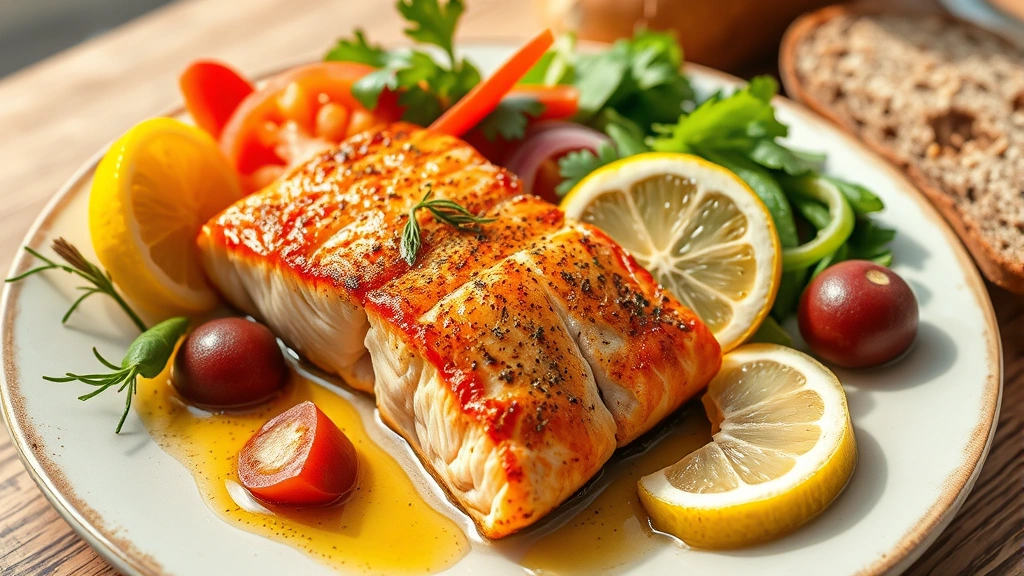
The Mediterranean diet stands as the most evidence-supported eating pattern for NAFLD reversal. This approach emphasizes olive oil, fish, whole grains, legumes, vegetables, and moderate fruit consumption while limiting processed foods, refined carbohydrates, and added sugars. Studies demonstrate that Mediterranean-style eating reduces hepatic steatosis, improves liver enzymes, and enhances insulin sensitivity—all critical for NAFLD recovery.
Eliminate Refined Carbohydrates and Added Sugars
Refined carbohydrates and added sugars are your liver’s enemies. These foods spike blood glucose rapidly, forcing your pancreas to release excessive insulin. Over time, this damages insulin sensitivity and drives fat accumulation in liver cells. Remove white bread, pastries, sugary beverages, candy, and most processed snacks from your environment. Replace them with whole grains, legumes, and vegetables that provide sustained energy without metabolic disruption.
Increase Fiber Intake
Dietary fiber, particularly soluble fiber, improves metabolic health and supports weight loss. Fiber slows glucose absorption, promotes satiety, and feeds beneficial gut bacteria that influence liver health. Aim for 25-35 grams daily from vegetables, whole grains, legumes, and berries. Best fruits for fat loss like raspberries, blueberries, and pears provide exceptional fiber content alongside liver-protective antioxidants.
Embrace Plant-Based Proteins
Plant-based proteins offer multiple advantages for NAFLD recovery. Legumes, nuts, seeds, and whole grains provide protein alongside fiber and phytonutrients that reduce liver inflammation. Research suggests that weight loss with plant-based diet approaches particularly benefit liver health, though you needn’t be entirely vegan—simply emphasizing plant proteins alongside moderate fish consumption creates powerful synergy.
Limit Saturated Fat and Eliminate Trans Fat
Saturated fats contribute to liver fat accumulation, while trans fats actively damage liver cells and promote inflammation. Minimize butter, fatty meats, and full-fat dairy products. Eliminate all trans fats (check ingredient lists for partially hydrogenated oils). Instead, use olive oil, avocado oil, and consume omega-3 rich fish like salmon, sardines, and mackerel 2-3 times weekly.
Control Portion Sizes
Even healthy foods in excessive quantities contribute to weight gain and metabolic dysfunction. Use smaller plates, eat slowly, and practice mindful eating. Many people find that eating smaller, more frequent meals maintains stable blood sugar and energy levels better than three large meals.
Exercise and Physical Activity Guidelines
Physical activity complements dietary changes by improving insulin sensitivity, promoting weight loss, and reducing liver inflammation independently of weight reduction. You don’t need extreme exercise—consistent, moderate activity produces remarkable results.
Aerobic Exercise
Aim for 150 minutes of moderate-intensity aerobic activity weekly—that’s just 30 minutes, five days per week. Brisk walking, cycling, swimming, or jogging all qualify. This level of activity significantly improves liver enzyme markers and reduces hepatic steatosis, even without dramatic weight loss. The key is consistency; regular activity matters far more than occasional intense workouts.
Resistance Training
Strength training 2-3 times weekly builds muscle mass, which enhances insulin sensitivity and metabolic rate. Greater muscle mass means your body burns more calories at rest and handles glucose more efficiently. You needn’t lift heavy weights—bodyweight exercises, resistance bands, or light weights all provide benefits.
Reduce Sedentary Time
Beyond structured exercise, breaking up sitting time dramatically improves metabolic health. Stand for phone calls, take the stairs, park farther away, or do light stretching during work breaks. Studies show that accumulating movement throughout the day—even light activity—significantly impacts liver health and weight management.
Behavioral Changes for Sustainable Success
Technical knowledge about diet and exercise matters little without behavioral strategies that enable consistency. Sustainable NAFLD reversal requires addressing the habits and thought patterns that created the condition initially.
Stress Management and Sleep
Chronic stress elevates cortisol, which drives abdominal fat accumulation and insulin resistance. Poor sleep similarly disrupts metabolic hormones and increases hunger signals. Prioritize 7-9 hours of quality sleep nightly and implement stress-reduction practices like meditation, deep breathing, yoga, or time in nature. These practices directly support weight loss and metabolic recovery.
Build Your Support System
Sustainable behavioral change rarely happens in isolation. Consider working with a weight loss coach who understands metabolic health and liver disease. A qualified professional provides accountability, personalized guidance, and psychological support that dramatically increases success rates. Support groups, whether in-person or online, connect you with others facing similar challenges.
Track Progress Beyond the Scale
Use a percent weight loss calculator to monitor your progress objectively, but don’t fixate exclusively on scale weight. Track energy levels, clothing fit, blood work improvements, and how you feel. Many people experience dramatic improvements in liver enzymes and imaging before significant scale weight changes. These victories deserve recognition and provide motivation during plateaus.
Plan for Long-Term Success
Once you achieve your weight loss goals, the work continues. Learn strategies for how to maintain weight loss to prevent NAFLD recurrence. Weight regain typically reactivates fatty liver disease, so maintenance is as critical as initial weight loss. Develop sustainable eating patterns and exercise habits you can maintain for life, not temporary interventions.
Monitoring Your Progress and Working with Specialists
Regular medical monitoring ensures your NAFLD reversal strategy is working and allows your healthcare team to adjust interventions as needed. Establish baseline measurements and schedule follow-up assessments at appropriate intervals.
Key Monitoring Parameters
Your doctor will likely track liver enzyme levels (ALT, AST), platelet count, and potentially perform ultrasound or elastography to assess liver fat and fibrosis. Some specialists use advanced imaging like MRI-PDFF for precise hepatic fat quantification. These objective measures demonstrate whether your efforts are producing the desired liver improvements.
Working with Your Healthcare Team
Coordinate care among your primary care physician, hepatologist, and potentially a registered dietitian specializing in liver disease. A hepatology specialist from the American Association for the Study of Liver Diseases can provide specialized guidance based on your disease stage and individual circumstances. The Obesity Medicine Association also offers resources and can connect you with board-certified obesity medicine specialists.
Your registered dietitian should understand NAFLD-specific nutrition science. The Academy of Nutrition and Dietetics can help you locate credentialed professionals in your area. Evidence-based dietary counseling significantly improves outcomes compared to generic weight loss advice.
Medication Considerations
While lifestyle modification remains first-line treatment, some patients benefit from medications that improve insulin sensitivity (like pioglitazone) or reduce liver inflammation. Vitamin E supplementation shows benefit in some NASH cases. Your hepatologist will determine whether pharmacotherapy is appropriate for your situation. Never start supplements without consulting your doctor, as some can stress the liver.
The CDC and National Institute of Diabetes and Digestive and Kidney Diseases provide excellent evidence-based resources about NAFLD management and the importance of early intervention.
FAQ
How long does it take to reverse NAFLD?
Timeline varies based on disease severity and weight loss speed. Simple steatosis can improve within weeks to months of lifestyle changes. Advanced fibrosis requires longer—typically 6-12 months of sustained effort. Consistency matters more than speed; gradual weight loss of 1-2 pounds weekly produces more sustainable liver recovery than rapid weight loss.
Can I reverse NAFLD without weight loss?
Weight loss is the most effective intervention, but some improvement occurs through dietary changes and exercise even without significant weight reduction. However, patients who achieve 7-10% weight loss experience substantially greater improvements in liver fat, inflammation, and fibrosis progression. The combination is most powerful.
Is NAFLD reversible if I have cirrhosis?
Advanced cirrhosis is largely irreversible, though weight loss and lifestyle modifications can slow progression and improve quality of life. This underscores the critical importance of early intervention. If you have any liver disease risk factors, discuss screening with your physician.
What foods should I absolutely avoid with NAFLD?
Eliminate refined carbohydrates, added sugars, trans fats, and excessive alcohol (even small amounts can worsen NAFLD). Minimize saturated fats and highly processed foods. Focus instead on vegetables, whole grains, lean proteins, legumes, and healthy fats from olive oil and fish.
Can exercise alone reverse NAFLD?
Exercise significantly improves liver health and metabolic function, but combined with dietary changes, weight loss is most effective. Exercise without dietary modification produces modest improvements; the combination produces transformative results.
Do I need medications to reverse NAFLD?
Most patients achieve NAFLD reversal through lifestyle modification alone. Medications are reserved for specific situations or when lifestyle changes prove insufficient. Your hepatologist will determine if pharmacotherapy is appropriate for your case.


