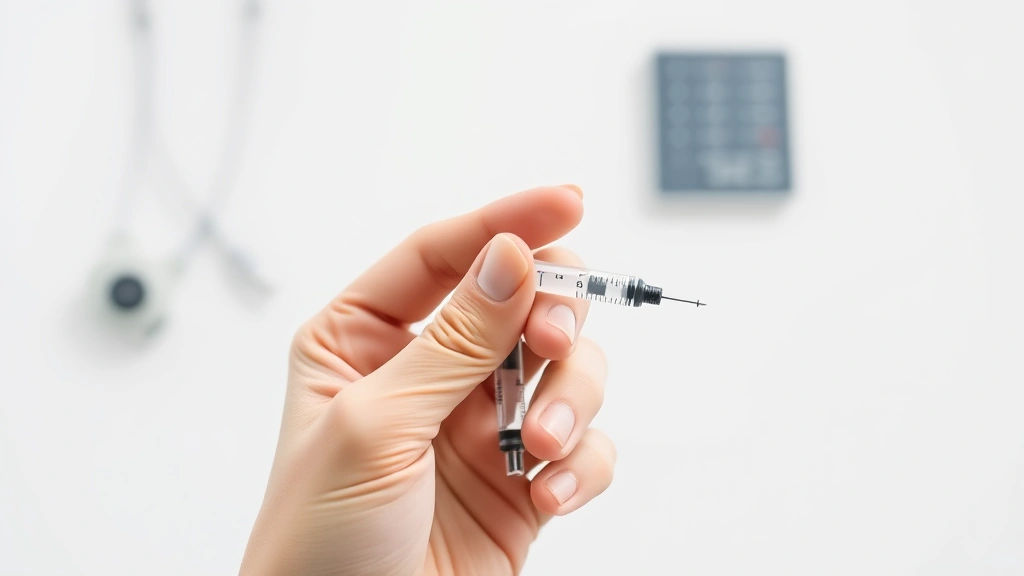
Are Weight Loss Injections Effective? UKMeds Insights
Weight loss injections have emerged as a transformative option for individuals struggling with obesity and weight management. These pharmaceutical interventions, including GLP-1 receptor agonists like semaglutide and tirzepatide, have demonstrated remarkable efficacy in clinical trials and real-world settings. If you’re considering whether weight loss injections might be right for you, understanding their effectiveness, mechanisms, and realistic outcomes is essential for making an informed decision about your health journey.
The landscape of weight loss treatments has evolved significantly over the past decade. Where once diet and exercise were the only mainstream options, we now have access to evidence-based medical interventions that can substantially support weight reduction efforts. UKMeds and similar licensed online pharmacies have made these treatments more accessible to UK residents, though understanding their true effectiveness requires looking beyond marketing claims to examine clinical evidence and individual health contexts.
How Weight Loss Injections Work
Weight loss injections function through multiple physiological pathways that address the root causes of weight gain. The most prominent category—GLP-1 receptor agonists—mimics glucagon-like peptide-1, a hormone your body naturally produces to regulate appetite and blood sugar levels. When you inject these medications, they activate receptors in your brain that signal fullness, effectively reducing hunger and food cravings.
The mechanism operates on several levels simultaneously. First, these injections slow gastric emptying, meaning food stays in your stomach longer, creating prolonged satiety. Second, they directly suppress appetite centers in the hypothalamus, reducing the psychological drive to eat. Third, they improve insulin sensitivity and blood sugar control, which helps stabilize energy levels and reduce cravings for high-calorie foods. This multi-pronged approach explains why many people experience significant behavioral changes around food without requiring willpower-based restriction.
Understanding how these injections work is crucial because it highlights why they’re not simply “magic bullets.” They work with your body’s natural systems rather than forcing weight loss through dangerous mechanisms. This is why high protein low carb recipes often work synergistically with these medications—when appetite is naturally suppressed, choosing nutrient-dense foods becomes easier.
Clinical Effectiveness Data
The clinical evidence supporting weight loss injections is robust and compelling. Studies published in major medical journals demonstrate that GLP-1 receptor agonists produce weight loss of 15-22% of body weight over 68 weeks of treatment, compared to 2-3% with lifestyle modifications alone. The STEP trials, which evaluated semaglutide specifically, showed that 86% of participants achieved at least 5% weight loss, while 69% achieved 15% weight loss or greater.
Tirzepatide, a dual GIP/GLP-1 receptor agonist, has shown even more impressive results in the SURMOUNT trials. Participants using tirzepatide 15mg achieved average weight loss of 22.2% of body weight, while the highest dose (22.5mg) produced 24% weight loss. These aren’t marginal improvements—they represent clinically significant changes that reduce risk factors for serious health conditions including type 2 diabetes, cardiovascular disease, and certain cancers.
Research from The Obesity Society and publications in journals like The Lancet consistently demonstrate that these injections work across diverse populations. Effectiveness isn’t limited to people with specific body types or metabolic profiles—benefits appear across age groups, ethnic backgrounds, and baseline weight categories. Importantly, weight loss is typically sustained as long as treatment continues, with studies showing maintained results at 2-year follow-up points.
Types of Weight Loss Injections Available
Several weight loss injection options are available through licensed UK providers like UKMeds, each with slightly different mechanisms and efficacy profiles. Semaglutide (marketed as Wegovy for weight loss) was the first GLP-1 agonist specifically approved for chronic weight management. It’s administered weekly and has an excellent safety profile established through decades of use for diabetes management.
Tirzepatide represents the newer generation of weight loss medications. As a GIP/GLP-1 receptor agonist, it activates two hormonal pathways simultaneously, which appears to produce superior weight loss compared to GLP-1-only medications. It’s also administered weekly and offers a potentially more potent option for those seeking maximum results.
Liraglutide (Saxenda) is another GLP-1 agonist option, though it requires daily injections rather than weekly dosing. While effective, most people prefer the convenience of weekly injections. Each medication has FDA and UK regulatory approval for weight management, meaning they’ve undergone rigorous safety and efficacy testing.
The choice between these options often depends on individual factors including injection frequency preference, response to treatment, and cost considerations. Your healthcare provider can help determine which medication aligns best with your health profile and goals.

Realistic Weight Loss Expectations
While the clinical data is impressive, it’s crucial to maintain realistic expectations about what weight loss injections can achieve. These medications are powerful tools, but they’re not replacements for fundamental health principles. Most people using weight loss injections still need to make conscious choices about nutrition and physical activity to optimize results.
Typical weight loss trajectories show initial results within 2-4 weeks, with accelerating weight loss over the first 3-6 months. By 6 months of consistent use, most people experience their most significant weight loss. After this point, weight loss typically continues but at a slower rate, eventually plateauing as your body adapts to the new weight. This is normal and expected—it’s your body finding a new equilibrium.
Individual results vary considerably. Some people achieve 30%+ weight loss, while others experience 10-15% loss. Factors influencing outcomes include baseline weight, age, metabolism, adherence to treatment, and lifestyle choices. Someone combining injections with smoothies for weight loss and regular exercise typically achieves better results than someone relying solely on medication.
It’s also important to understand that weight loss injections work best for people with a BMI over 27 with weight-related health conditions, or BMI over 30 regardless of health status. They’re not appropriate for everyone, and a consultation with a healthcare professional is essential before starting treatment.
Side Effects and Safety Considerations
Weight loss injections are generally well-tolerated, but like all medications, they can cause side effects. The most common are gastrointestinal-related, including nausea, vomiting, diarrhea, and constipation. These effects are typically mild to moderate and often diminish as your body adjusts to the medication. Starting with lower doses and gradually increasing helps minimize these effects.
Some people experience reduced appetite for foods they previously enjoyed, which most consider a benefit rather than a side effect. Others report changes in how certain foods taste or smell. These sensory changes are temporary and reverse after discontinuing treatment.
More serious side effects are rare but possible. Pancreatitis, thyroid concerns, and gallbladder issues have been reported in clinical trials at low rates. People with personal or family history of medullary thyroid cancer or multiple endocrine neoplasia type 2 should avoid these medications. Pregnant or breastfeeding individuals should not use weight loss injections.
The safety profile of these medications has been established through extensive clinical research and real-world use spanning decades in diabetes treatment. The European Medicines Agency and UK regulatory bodies continuously monitor safety data, and serious adverse events are exceptionally rare when used as directed.
Cost and Accessibility in the UK
Weight loss injections in the UK are available through several pathways. The NHS generally doesn’t cover these medications for weight loss alone, typically reserving them for patients with type 2 diabetes. However, licensed online pharmacies like UKMeds offer access to these treatments through private consultations with registered healthcare professionals.
Private treatment costs typically range from £150-£300 per month for semaglutide and similar amounts for tirzepatide, depending on dosage and provider. While this represents a significant investment, many people view it as worthwhile given the substantial health improvements and reduced risk of serious diseases. When compared to potential costs of managing obesity-related conditions like diabetes, heart disease, and joint problems, the investment often proves economical.
Accessing weight loss injections through UKMeds or similar providers requires completing a health questionnaire and receiving approval from a registered healthcare professional. This ensures the medication is appropriate for your individual health profile. The convenience of online access has made these treatments available to people across the UK who might not have local access to specialized weight loss clinics.
Some private health insurance plans cover weight loss injections, particularly for individuals with obesity-related health conditions. It’s worth checking with your insurance provider about coverage options before starting treatment.
Combining Injections with Lifestyle Changes
The most successful weight loss journeys combine injections with deliberate lifestyle modifications. While injections suppress appetite and improve satiety, they work best alongside consistent healthy eating patterns and regular physical activity. This combination approach addresses both the physiological and behavioral aspects of weight management.
Nutrition becomes particularly important when using weight loss injections. With reduced appetite, you have a smaller window of opportunity to consume adequate protein, vitamins, and minerals. Focusing on nutrient-dense whole foods rather than processed options ensures your body receives essential nutrients despite lower overall calorie intake. Many people find success by incorporating guidance from weight loss specialists who can help optimize nutritional intake.
Exercise complements injections by preserving muscle mass during weight loss, improving cardiovascular health, and enhancing mental wellbeing. Studies show that people combining medications with exercise maintain weight loss better long-term than those relying on injections alone. Even moderate activity—30 minutes of walking most days—produces meaningful benefits.
Behavioral support is equally valuable. Weight loss injections reduce the biological drive to overeat, but psychological relationships with food often require separate attention. Many people benefit from working with therapists or joining support groups to address emotional eating patterns, stress management, and developing sustainable habits.
Combining injections with evidence-based approaches like hormone optimization and complementary therapies creates a comprehensive approach. While injections provide the biological foundation, these additional interventions address other factors that influence weight management.

Long-Term Considerations and Sustainability
An important question many people ask is whether weight loss injections are a permanent solution. The answer is nuanced: as long as you continue treatment, weight loss is typically maintained. However, discontinuing injections often results in weight regain, though usually not to baseline levels if lifestyle habits have been established.
This doesn’t mean injections are failures—it reflects how they work. They’re tools that help you achieve and maintain weight loss, similar to how eyeglasses help you see. Just as removing glasses doesn’t mean the glasses failed, stopping injections doesn’t negate their benefit. Many people successfully maintain weight loss after discontinuing treatment because they’ve developed new eating habits and exercise routines during the treatment period.
Research suggests that some people can eventually reduce injection frequency or discontinue treatment while maintaining most weight loss achieved. Others find that continuing treatment indefinitely provides the most stable results. This is a conversation to have with your healthcare provider as you progress through treatment.
The long-term health benefits of sustained weight loss are substantial. Reducing obesity-related disease risk, improving cardiovascular health, reducing joint stress, and enhancing quality of life make weight loss injections a worthwhile investment for many people. When combined with lasting lifestyle changes, they can represent a turning point in your health journey.
FAQ
How quickly do weight loss injections start working?
Most people notice reduced appetite within 2-4 weeks of starting treatment. Measurable weight loss typically becomes apparent within 4-8 weeks, with acceleration over the first 3 months. Individual timelines vary based on starting weight, metabolism, and lifestyle factors.
Are weight loss injections safe for long-term use?
Clinical trials have demonstrated safety for up to 2-3 years of continuous use. The medications have been used for diabetes management for decades, providing extensive safety data. However, long-term use beyond 3 years requires ongoing medical supervision and monitoring. Always work with a healthcare professional to assess safety for your individual situation.
Can I use weight loss injections if I have diabetes?
Yes, and in fact, people with type 2 diabetes often benefit significantly from these medications. They improve both weight loss and blood sugar control. If you have diabetes, your healthcare provider may adjust your other medications when starting weight loss injections, as improved insulin sensitivity may require dose adjustments.
What happens if I miss a dose?
If you miss a weekly injection by a few days, simply take it as soon as you remember and resume your regular schedule the following week. Missing doses may slow weight loss progress. Consistency is important for optimal results, so setting reminders helps ensure you don’t miss injections.
Do weight loss injections work without diet changes?
Weight loss injections can produce weight loss without intentional dieting, as they reduce appetite and calorie intake naturally. However, results are typically better when combined with conscious food choices. Focusing on nutrient-dense foods maximizes health benefits and helps you feel better while losing weight.
Can I use weight loss injections while pregnant or breastfeeding?
No, these medications are not approved for use during pregnancy or breastfeeding. If you’re planning pregnancy, discuss timing of treatment discontinuation with your healthcare provider. You can typically restart treatment after breastfeeding is complete.
How do I access weight loss injections through UKMeds?
Visit the UKMeds website, complete a health questionnaire, and have a consultation with a registered healthcare professional. If approved, medication is delivered discreetly to your address. The process typically takes 2-5 business days from approval to delivery.
Are there any foods I should avoid while using weight loss injections?
No specific foods are forbidden, but many people find that high-fat, high-sugar foods cause nausea or gastrointestinal discomfort when using injections. Most people naturally gravitate toward lighter, healthier foods because they feel better. Listen to your body and choose foods that feel comfortable to eat.
Can weight loss injections treat eating disorders?
Weight loss injections are not appropriate for people with active eating disorders. These conditions require specialized mental health treatment. If you have a history of eating disorders, discuss this with your healthcare provider before considering weight loss injections.
How often do I need to see a healthcare provider while using injections?
Initial check-ins should occur 2-4 weeks after starting treatment, then monthly for the first 3 months. After that, quarterly check-ups are typically appropriate. Your provider monitors weight loss progress, side effects, and overall health. More frequent visits may be needed if you have other health conditions or experience complications.


