
Do Protein Shakes Aid Weight Loss? Expert Insights
Protein shakes have become a staple in weight loss strategies, but do they actually deliver results? The answer is more nuanced than a simple yes or no. While protein shakes can be a helpful tool in your weight loss journey, their effectiveness depends on how you use them, the quality of the product, and whether they fit into a comprehensive lifestyle plan. This guide explores the science behind protein shakes and weight loss, helping you determine if they’re the right choice for your goals.
Whether you’re considering replacing meals with shakes or using them as supplements, understanding their role in weight management is crucial. We’ll examine the research, discuss potential benefits and drawbacks, and provide practical guidance to help you make informed decisions about incorporating protein shakes into your weight loss program.
How Protein Supports Weight Loss
Protein is one of the three macronutrients your body needs, and it plays a fundamental role in weight management. When you consume protein, your body requires more energy to digest it compared to carbohydrates or fats—a process called the thermic effect of food (TEF). This means protein literally burns more calories during digestion, contributing to a higher overall metabolic expenditure.
Beyond thermogenesis, protein is essential for maintaining lean muscle mass during weight loss. When you’re in a caloric deficit, your body can break down muscle tissue for energy if you don’t consume adequate protein. By maintaining muscle mass, you preserve your metabolic rate, which remains elevated even at rest. This is why protein intake is considered critical in any sustainable weight loss program.
Additionally, protein promotes satiety—the feeling of fullness that lasts longer after eating. Studies show that protein-rich meals and snacks reduce hunger hormones like ghrelin while increasing satiety hormones like peptide YY. This means you’re likely to consume fewer calories overall when protein intake is adequate, making weight loss more manageable without constant hunger.
Research published in the American Journal of Clinical Nutrition demonstrates that individuals consuming higher protein diets lose more fat while preserving muscle mass compared to those on lower protein intakes. Protein shakes offer a convenient way to reach these protein targets, especially for people with busy lifestyles.
Types of Weight Loss Protein Shakes
Not all protein shakes are created equal. Understanding the different types helps you select one that aligns with your weight loss goals and dietary preferences.
Meal Replacement Shakes: These are formulated to replace an entire meal, containing balanced macronutrients, vitamins, and minerals. They typically contain 200-400 calories and are designed to provide sustained nutrition. Many commercial programs use meal replacement shakes as part of structured weight loss plans, similar to medical weight loss approaches.
Protein Supplement Shakes: These focus primarily on protein content (20-40g per serving) with fewer calories (100-200) and are meant to supplement your diet rather than replace meals. They work well as post-workout recovery drinks or between-meal snacks.
High-Protein, Low-Calorie Shakes: Specifically designed for weight loss, these contain 25-40g of protein with minimal sugar and 150-250 calories. They’re engineered to maximize satiety while minimizing caloric intake.
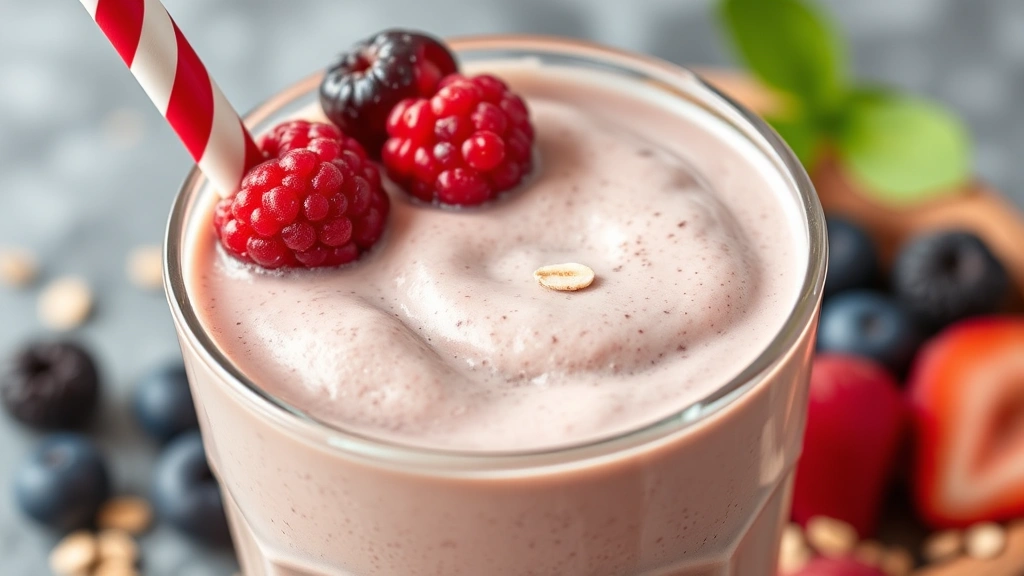
Protein Powder-Based Shakes: Made by mixing protein powder with liquids like milk or water, these offer customization and often cost less than pre-made shakes. You control the ingredients and can add nutrient-dense additions like berries or spinach.
The protein source matters too. Whey protein is rapidly absorbed and contains all essential amino acids. Casein protein digests slowly, providing sustained satiety. Plant-based proteins like pea, hemp, and soy offer alternatives for those avoiding animal products, though some require blending multiple sources to achieve complete amino acid profiles.
Key Benefits for Weight Loss
When used strategically, protein shakes offer several advantages for weight loss success:
- Convenience: Shakes require minimal preparation, making them ideal for busy schedules. You can consume a nutritious, portion-controlled meal in minutes, reducing the temptation to grab less healthy options.
- Portion Control: Pre-packaged shakes remove guesswork about calorie and macronutrient content. This precision helps maintain a consistent caloric deficit necessary for weight loss.
- Appetite Suppression: The protein and often-added fiber in quality shakes increase satiety, helping you feel fuller longer and reducing overall calorie consumption throughout the day.
- Muscle Preservation: During weight loss, adequate protein prevents muscle breakdown. Shakes make reaching protein targets easier, supporting body composition goals and maintaining your metabolic rate.
- Metabolic Boost: Protein’s thermic effect means your body burns additional calories processing shake-based meals compared to carbohydrate or fat-based alternatives.
- Consistency: Reliable nutrition helps stabilize blood sugar levels and energy, reducing cravings and emotional eating patterns.
- Flexibility: Shakes fit various dietary preferences—vegetarian, vegan, dairy-free, or gluten-free options are readily available.
Research from The Obesity Society indicates that structured meal replacement programs using protein shakes can lead to significant weight loss, particularly in the short to medium term. Participants often lose 5-10% of body weight within 12-16 weeks when combining shakes with behavioral support.
Potential Drawbacks and Considerations
While protein shakes can be valuable tools, they’re not without limitations:
Nutritional Gaps: Some commercial shakes contain excessive added sugars, artificial sweeteners, or lack essential micronutrients. Always examine ingredient lists and nutrition labels carefully. Quality matters significantly in determining whether a shake truly supports your goals.
Sustainability Concerns: Relying heavily on shakes without developing healthy eating habits can lead to weight regain once you stop using them. Weight loss is most sustainable when built on lasting lifestyle changes, not temporary replacements.
Cost Considerations: Quality protein shakes can be expensive, especially premium brands. Budget constraints might make long-term reliance on commercial shakes impractical for some individuals.
Digestive Issues: Some people experience bloating, gas, or digestive discomfort from certain protein sources or artificial ingredients. Individual tolerance varies significantly.
Satiety Variation: Liquid calories may not provide the same satiety as solid foods for some individuals. You might feel hungry despite consuming adequate calories in shake form.
Missing Whole Foods: Shakes lack the chewing satisfaction and diverse micronutrient profiles of whole foods. A balanced approach combining shakes with whole foods is typically superior to shake-only approaches.
Psychological Factors: Over-reliance on shakes might prevent development of healthy cooking skills and food relationships necessary for long-term success. Sustainable weight loss involves learning to prepare and enjoy nutritious whole foods.
How to Choose the Right Protein Shake
Selecting an appropriate protein shake requires attention to several factors:
Protein Quality and Quantity: Look for shakes containing 20-40g of protein depending on whether it’s a meal replacement or supplement. Choose complete proteins containing all nine essential amino acids. Whey protein isolate offers high protein with minimal lactose, while casein provides sustained release.
Sugar Content: Limit added sugars to under 5-10g per serving. High-sugar shakes spike blood glucose and undermine weight loss efforts. Check ingredient lists for added sugars under various names like maltodextrin, dextrose, or cane juice.
Calorie Targets: Determine whether you need meal replacement (300-400 calories) or supplement shakes (100-200 calories). Align shake calories with your overall weight loss plan and daily targets.
Ingredient Transparency: Choose brands listing recognizable ingredients. Avoid excessive artificial additives, colors, or flavors. Third-party testing certifications (NSF, Informed Choice) verify quality and purity.
Fiber Content: Shakes with 3-5g of fiber enhance satiety and digestive health. Fiber also helps stabilize blood sugar, reducing energy crashes.
Micronutrient Profile: Quality meal replacement shakes should contain essential vitamins and minerals. Check for adequate B vitamins, iron, calcium, and other micronutrients if using shakes as primary meals.
Taste and Mixability: You’re more likely to stick with shakes you enjoy. Many brands offer samples or have liberal return policies. Good mixing properties prevent clumping and ensure pleasant consumption.
Incorporating Shakes Into Your Routine
Strategic incorporation of protein shakes maximizes their weight loss benefits:
Meal Replacement Strategy: Replace one or two meals daily with shakes rather than attempting all-shake diets. This approach maintains whole food consumption while reducing calories. Many find replacing breakfast or lunch works best for their lifestyle.
Snack Alternative: Use shakes to replace high-calorie snacks. A protein shake provides satiety with fewer calories than typical snack foods, helping maintain your caloric deficit throughout the day.
Post-Workout Nutrition: Consume a protein shake within 30-60 minutes after resistance training to support muscle recovery and adaptation. This timing optimizes protein synthesis and supports metabolic health.
Combination Approach: Mix protein powder with whole foods like oats, berries, or nut butter to create nutrient-dense shakes. This combines convenience with whole food benefits and improved satiety.
Behavioral Support: Combine shakes with proven weight loss strategies like behavioral tracking and lifestyle modification. Shakes work best as part of comprehensive programs addressing eating patterns and activity levels.
Transition Planning: Use shakes as transitional tools while developing sustainable eating habits. Gradually replace shakes with whole foods as you build confidence in food choices and meal preparation.
Consider consulting with healthcare providers or registered dietitians when using shakes for significant weight loss. Professionals can ensure your approach is safe, appropriate for your health status, and aligned with your specific goals. Options like medical weight loss programs provide professional guidance alongside shake-based interventions.
For those exploring pharmaceutical options, understanding how different approaches compare—such as reviewing medications used in weight management—helps create comprehensive strategies. Protein shakes often complement medical interventions effectively.
Motivation and Accountability: Finding weight loss motivation helps sustain commitment to shake-based programs. Track progress through measurements, how clothes fit, or energy levels rather than scale weight alone.
For additional practical guidance, explore options like convenient meal options that complement protein shakes in a balanced weight loss approach.

FAQ
Can protein shakes alone cause weight loss?
Protein shakes alone don’t cause weight loss—a caloric deficit does. However, shakes can facilitate creating and maintaining a deficit by providing convenient, portion-controlled nutrition that promotes satiety. They’re most effective when part of a comprehensive approach including physical activity and behavioral changes.
How many protein shakes per day is safe?
Most people can safely consume 1-2 protein shakes daily as part of a balanced diet. Consuming more than 2-3 shakes daily risks missing whole food nutrients and developing an unhealthy relationship with food. Balance shakes with whole foods for optimal nutrition and sustainability.
Will protein shakes build muscle while losing weight?
Protein shakes support muscle preservation and growth during weight loss when combined with resistance training. Adequate protein (0.7-1g per pound of body weight) preserves lean mass during caloric deficits. However, significant muscle gain typically requires a caloric surplus, which conflicts with weight loss goals.
Are meal replacement shakes better than regular protein shakes for weight loss?
Meal replacement shakes work well for structured weight loss through caloric reduction. Regular protein shakes offer more flexibility and may better support sustainable lifestyle changes. The “better” option depends on your preferences, lifestyle, and ability to stick with each approach long-term.
What’s the best time to drink a protein shake for weight loss?
Timing depends on your goals. For meal replacement, consume shakes when they replace your typical meals. For appetite control, drink shakes when you typically feel hungry. Post-workout shakes support recovery and muscle preservation. Consistency matters more than specific timing.
Can protein shakes cause weight gain?
Protein shakes cause weight gain only if they exceed your daily caloric needs. High-calorie shakes with added sugars are easier to overconsume in calories. Choose shakes aligned with your caloric targets and track them within your daily intake to prevent unintended weight gain.
Are there side effects from drinking protein shakes daily?
For most people, daily protein shakes are safe. Potential side effects include digestive discomfort, bloating, or headaches—usually related to specific ingredients or excessive consumption. Ensure adequate hydration and introduce shakes gradually. Those with kidney disease should consult healthcare providers about protein intake.
How do protein shakes compare to eating whole foods for weight loss?
Whole foods offer superior micronutrient diversity, satiety through chewing, and psychological satisfaction. Protein shakes offer convenience and portion control. Optimal approaches combine both: use shakes for convenience while maintaining whole foods as dietary foundations.


