
Top Protein Shakes for Weight Loss? Nutritionist Picks
Finding the right protein shake for weight loss can feel overwhelming with countless options flooding the market. Many people turn to protein shakes hoping they’ll be a magic solution, but the truth is more nuanced. A quality protein shake can absolutely support your weight loss journey when paired with proper nutrition and lifestyle habits. The key is understanding what makes certain shakes more effective than others and how to incorporate them strategically into your routine.
Protein shakes work best for weight loss because they help increase satiety, preserve lean muscle mass during calorie restriction, and support metabolic function. However, not all shakes are created equal. Some contain excessive added sugars, artificial ingredients, and unhealthy fats that can actually sabotage your progress. This guide breaks down the top protein shake options that nutritionists recommend, what to look for when selecting one, and how to use them effectively as part of a comprehensive weight loss strategy.
Why Protein Matters for Weight Loss
Understanding the role of protein in weight loss is essential before selecting a shake. Weight loss and protein intake work together to create sustainable fat loss without excessive muscle breakdown. Protein has a higher thermic effect than carbohydrates and fats, meaning your body burns more calories digesting it. This metabolic boost, though modest, contributes to your overall calorie deficit.
Protein also increases feelings of fullness and satiety, which helps reduce overall calorie intake. When you feel satisfied after a meal or shake, you’re less likely to reach for additional snacks or overeat at your next meal. This is particularly valuable for people struggling with hunger during their weight loss journey. Additionally, adequate protein intake helps preserve lean muscle mass while you’re in a calorie deficit, which is crucial for maintaining a healthy metabolism.
Research from the National Institutes of Health shows that high-protein diets consistently outperform low-protein diets for weight loss outcomes. Most nutrition experts recommend consuming 0.7 to 1.0 grams of protein per pound of body weight during weight loss phases, making protein shakes a convenient way to meet these targets.
Top Protein Shake Picks by Nutritionists
Isopure Zero Carb stands out as a top choice among registered dietitians. This shake provides 25 grams of protein with virtually no carbohydrates, making it ideal for those following low-carb approaches. It mixes cleanly, has minimal artificial aftertaste, and comes in various flavors. The price point is reasonable for the quality, and it contains no added sugar.
Orgain Organic Protein appeals to those seeking clean, plant-based options. Made with organic ingredients and containing 20 grams of protein per serving, this shake uses a blend of pea and rice protein. It’s free from artificial sweeteners and has a relatively short ingredient list. The organic certification matters to many people prioritizing whole-food approaches.
MuscleTech Nitro-Tech Ripped combines protein with metabolism-supporting ingredients like caffeine and conjugated linoleic acid (CLA). With 30 grams of protein and only 1 gram of sugar, it’s formulated specifically for weight loss goals. This option works well for those who want an extra metabolic boost alongside their protein intake.
Garden of Life Raw Organic Protein offers a comprehensive nutritional profile with probiotics, enzymes, and 22 grams of plant-based protein. It’s certified organic and non-GMO, appealing to health-conscious consumers. While slightly pricier, the added digestive support makes it valuable for those with sensitive stomachs.
Optimum Nutrition Gold Standard Whey remains a classic choice for good reason. With 24 grams of protein per serving, minimal sugar, and excellent mixability, it’s a reliable option for consistent results. The brand’s quality control and third-party testing provide confidence in what you’re consuming.

What to Look for in a Weight Loss Protein Shake
Not all protein shakes support weight loss equally. When evaluating options, prioritize protein content first. Look for shakes containing at least 20-30 grams of protein per serving. This amount provides meaningful satiety without requiring excessive portions.
Sugar content deserves critical attention. Many commercial protein shakes contain 10-20 grams of added sugar, which adds empty calories and causes blood sugar spikes. Opt for shakes with less than 5 grams of added sugar, or better yet, those sweetened with stevia or monk fruit rather than artificial sweeteners if you’re concerned about those ingredients.
Ingredient quality matters significantly. Review the ingredient list and choose shakes with recognizable components. Avoid products with excessive additives, artificial colors, or ingredients you can’t pronounce. The shorter and cleaner the ingredient list, the better.
Calorie count should align with your overall diet plan. Most quality weight loss protein shakes contain 100-200 calories per serving. If a shake exceeds 300 calories, question whether the added ingredients justify the calorie investment.
Fiber content is often overlooked but valuable. Shakes containing 3-5 grams of fiber provide additional satiety and support digestive health. This becomes especially important if your regular diet lacks sufficient fiber.
Digestive tolerance varies by individual. Some people respond better to whey-based shakes, while others prefer plant-based options. Consider your personal tolerance, any allergies, and digestive sensitivities when selecting.
How to Use Protein Shakes Effectively
Strategic timing and usage maximize protein shake benefits for weight loss. Replace one meal rather than adding shakes on top of your regular intake. Replacing breakfast or lunch with a protein shake creates a calorie deficit without requiring willpower around food restriction. This approach works particularly well for busy professionals.
Use shakes as post-workout recovery tools when combined with aerobic exercises for fat loss or weight lifting plans. Consuming protein within 30-60 minutes after exercise supports muscle repair and adaptation. This is particularly important when doing resistance training, as your muscles require amino acids for recovery and growth.
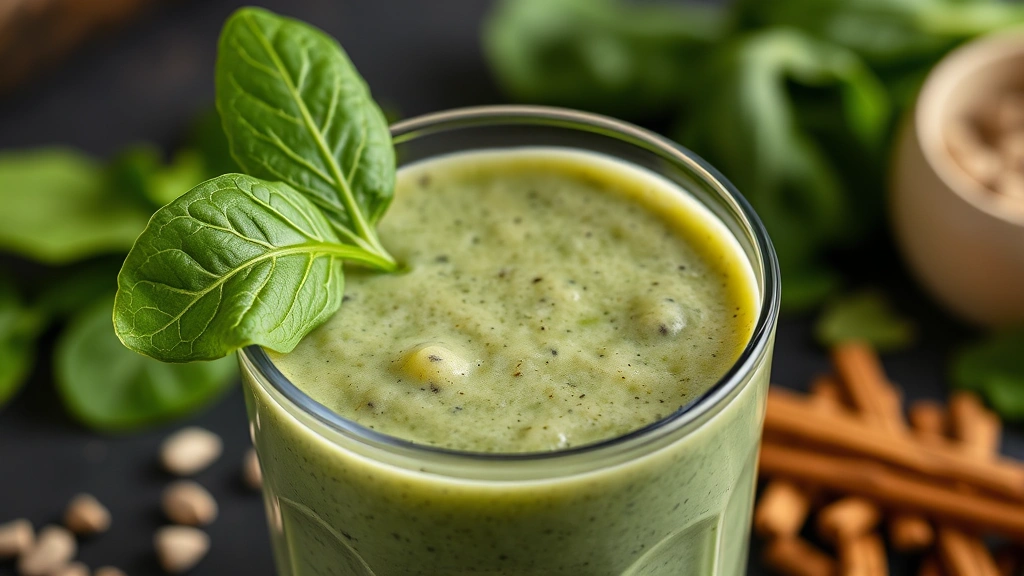
Customize your shakes to increase satiety and nutritional value. Add vegetables like spinach or frozen cauliflower, include healthy fats from almond butter or chia seeds, or incorporate fiber through ground flaxseed. These additions increase volume and nutrients without dramatically increasing calories.
Drink shakes with water or unsweetened almond milk rather than whole milk or juice. This keeps calories minimal while providing adequate liquid. If you find the shake too thin, use less liquid and blend with ice to create a thicker consistency.
Establish a consistent routine with your protein shakes. If you use them daily at the same time, your body adapts and you’ll experience more predictable satiety. Consistency also makes it easier to track calories and maintain your deficit.
Don’t rely on shakes as your only protein source. Whole foods like chicken, fish, eggs, and legumes provide additional nutrients, fiber, and satiety that shakes cannot fully replicate. Use shakes as tools within a balanced diet, not replacements for varied nutrition.
Common Mistakes People Make
Many people sabotage their weight loss by making preventable errors with protein shakes. The most common mistake is treating shakes as consequence-free calorie sources. Just because a shake is “healthy” doesn’t mean unlimited consumption. Calories still count, and excessive shake consumption can stall progress.
Another frequent error is choosing shakes with excessive added ingredients. Many weight loss-marketed shakes contain MCT oil, CLA, caffeine, and other compounds that add calories without proven additional benefit. Simpler is often better.
Improper mixing and storage affects shake quality. Always follow preparation instructions, use appropriate liquid amounts, and consume shakes within the recommended timeframe. Some shakes separate or degrade if left sitting.
People often neglect whole food nutrition when relying on shakes. A shake cannot replace the micronutrients, fiber, and phytonutrients found in whole foods. Balance is essential for sustainable weight loss and overall health.
Ignoring personal tolerance causes unnecessary digestive issues. If a shake causes bloating, gas, or stomach discomfort, discontinue use regardless of its reputation. There are plenty of alternatives that will work better for your system.
Combining Shakes with Exercise
Protein shakes become significantly more effective when combined with regular physical activity. Your exercise routine and protein intake work synergistically to support weight loss and body composition improvement. During exercise, muscles experience micro-tears that require amino acids for repair and adaptation. Protein shakes provide these amino acids conveniently.
For those doing aerobic exercise, protein shakes support recovery and help preserve muscle during the calorie deficit that aerobic activity creates. For those doing weight lifting, shakes become even more important as resistance training creates greater demand for amino acids.
The ideal approach combines both exercise modalities. Resistance training preserves and builds lean muscle, which increases resting metabolic rate. Aerobic exercise burns additional calories and improves cardiovascular health. Protein shakes support recovery from both, helping you maintain consistency with your training program.
Post-workout timing matters most when doing intense resistance training. Consuming a protein shake within 60 minutes after lifting provides your muscles with amino acids when they’re most receptive to utilizing them. For moderate aerobic activity, timing is less critical—what matters most is meeting your daily protein target.
Consider your loose skin prevention strategy as well. Adequate protein intake supports skin elasticity and collagen production during weight loss. This becomes particularly important if you’re losing significant amounts of weight. Protein shakes contribute meaningfully to this goal when combined with consistent exercise.
FAQ
Can protein shakes alone lead to weight loss without diet changes?
No. Protein shakes cannot overcome a calorie surplus. They’re tools that support weight loss when combined with overall calorie deficit, proper nutrition, and lifestyle changes. Using shakes without addressing diet quality or total intake won’t produce results.
How many protein shakes per day is safe?
Most people can safely consume 1-2 protein shakes daily as meal replacements or supplements. Consuming more than 2 daily while maintaining whole food sources becomes unnecessary and potentially expensive. Quality matters more than quantity.
Are plant-based shakes as effective as whey for weight loss?
Yes, when chosen carefully. Plant-based shakes containing adequate protein (20+ grams) and low added sugar are equally effective for weight loss. Some people also find them easier to digest. The best shake is the one you’ll consistently use.
Should I use protein shakes if I have a sensitive stomach?
Many people with sensitive stomachs tolerate plant-based shakes better than whey. Look for options with added digestive enzymes or probiotics. Start with smaller portions to assess tolerance, and consult your healthcare provider if issues persist.
Can I use protein shakes while pregnant or breastfeeding?
Consult your healthcare provider before using protein shakes during pregnancy or breastfeeding. While protein is essential during these periods, specific shake formulations may not be appropriate. A registered dietitian can recommend safe options.
Do protein shakes expire, and how should I store them?
Powder shakes last 1-2 years when stored in cool, dry conditions away from direct sunlight. Ready-to-drink shakes have shorter shelf lives—check expiration dates carefully. Once mixed, consume shakes within 24 hours if refrigerated.
Are expensive protein shakes better than budget options?
Not necessarily. Many affordable shakes provide excellent nutrition and support weight loss effectively. Compare ingredient lists and nutritional information rather than relying on price. Some premium brands charge for marketing rather than superior quality.


