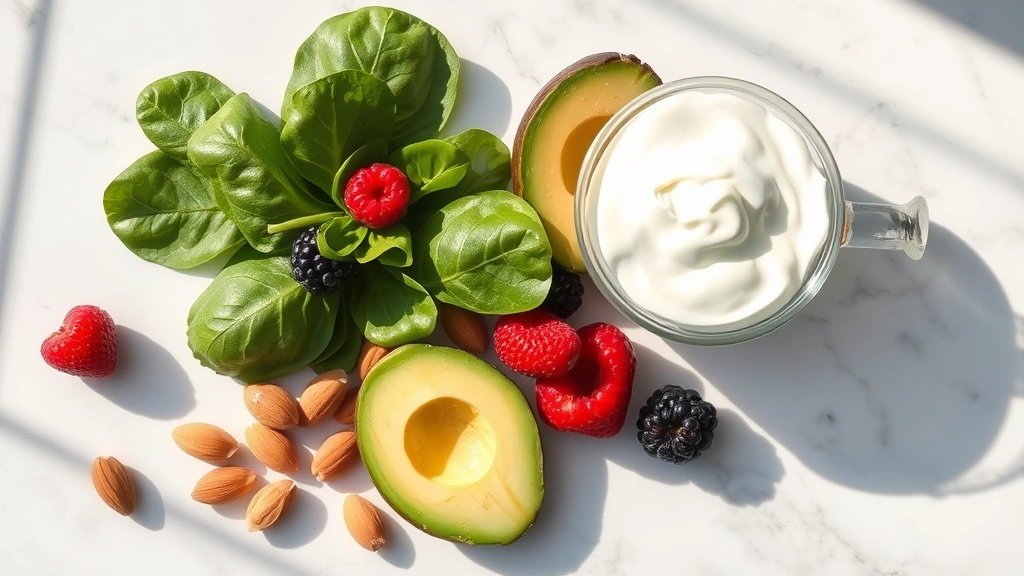
Best Smoothie for Weight Loss? Nutritionist Picks
Finding the right weight loss smoothie can transform your daily nutrition routine. A well-crafted smoothie isn’t just convenient—it’s a science-backed strategy to support your weight loss goals while keeping you satisfied and energized. The key lies in understanding which ingredients work together to create a drink that stabilizes blood sugar, reduces cravings, and provides sustained satiety.
When you’re working toward sustainable weight loss, every meal and snack matters. Smoothies offer a unique advantage: they allow you to pack nutrient-dense ingredients into one portable drink that takes minutes to prepare. However, not all smoothies are created equal. Many commercial versions contain hidden sugars and empty calories that work against your goals. This guide walks you through the science of weight loss smoothies and provides nutritionist-approved recipes you can use immediately.
Whether you’re combining smoothies with weight loss and weight lifting plans or incorporating them into a broader nutrition strategy, understanding the fundamentals helps you make choices that actually work.
What Makes a Weight Loss Smoothie Effective
An effective weight loss smoothie accomplishes several critical tasks simultaneously. First, it must provide adequate protein to preserve lean muscle mass during weight loss—something many people overlook. According to research from the Academy of Nutrition and Dietetics, adequate protein intake during caloric deficit prevents metabolic slowdown and maintains satiety between meals.
Second, your smoothie needs fiber from whole food sources. Fiber creates volume in your stomach, triggering satiety signals to your brain without adding significant calories. This is why a smoothie made with whole fruits and vegetables outperforms juice-based versions. Third, healthy fats from sources like nuts, seeds, and avocado slow gastric emptying—meaning your smoothie stays in your stomach longer, keeping you full.
The glycemic impact matters tremendously. A smoothie that spikes blood sugar rapidly will leave you hungry within an hour. Instead, you want ingredients that create stable, sustained energy. This connects directly to understanding weight loss and insulin resistance, as blood sugar stability is foundational to long-term weight management.
Research published in the International Journal of Obesity demonstrates that meal replacement smoothies containing 20-30 grams of protein and 5+ grams of fiber produce superior weight loss results compared to standard meals of equivalent calories. The mechanism is straightforward: these nutrients trigger stronger satiety signals, reducing overall calorie intake throughout the day.
Essential Ingredients for Maximum Satiety
Protein Sources: Choose from Greek yogurt (15-20g protein per serving), plant-based protein powder (20-25g), cottage cheese (14g per half cup), or collagen peptides (10g). Each offers different benefits—Greek yogurt adds creaminess, plant powders work for dairy-free options, and collagen supports joint health alongside weight loss.
Fiber-Rich Vegetables: Spinach, kale, and cucumber add volume and nutrients with minimal calories. One cup of raw spinach contains only 7 calories but 0.9 grams of fiber and substantial micronutrients. These greens are virtually calorie-free additions that dramatically increase satiety and nutrient density.
Healthy Fats: Nut butters (2 tablespoons = 190 calories, 7g protein), seeds like flax or chia (1 tablespoon = 55 calories, 3g fiber), and avocado (¼ avocado = 60 calories, 2.5g healthy fat) create the creamy texture people crave while providing sustained energy. These fats slow digestion and enhance nutrient absorption.
Liquid Base: Unsweetened almond milk (30 calories per cup), coconut milk (45 calories for light version), or water keeps calories controlled. Avoid fruit juices, which add sugar without fiber. Your liquid choice dramatically impacts both calorie count and satiety.
Flavor Additions: Cinnamon, vanilla extract, cocoa powder (unsweetened), and ginger provide taste complexity without calories. These additions make your smoothie feel indulgent while supporting metabolic function—cinnamon, for example, may improve insulin sensitivity.
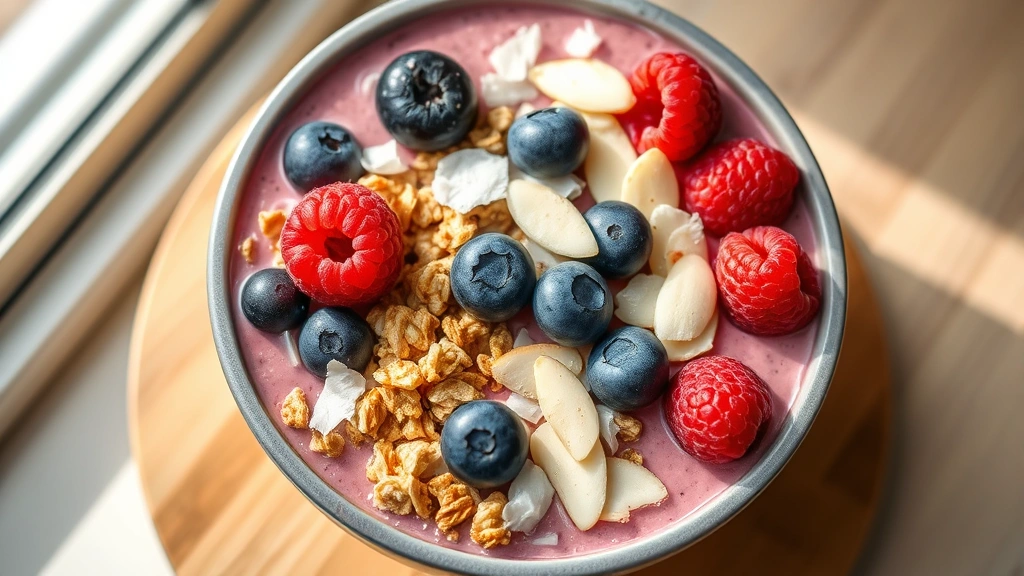
” alt=”Colorful smoothie bowl topped with berries, granola, and coconut flakes in bright natural light”>
Top 5 Nutritionist-Approved Recipes
Recipe 1: Green Protein Powerhouse
Combine 1 cup unsweetened almond milk, 1 cup fresh spinach, ½ frozen banana, 1 scoop vanilla protein powder, 1 tablespoon almond butter, and ½ cup ice. This delivers approximately 250 calories, 25g protein, and 6g fiber. The frozen banana creates natural sweetness and creamy texture without added sugar. This smoothie works particularly well as a breakfast replacement or pre-workout fuel.
Recipe 2: Berry Metabolism Booster
Blend ¾ cup unsweetened Greek yogurt, ½ cup frozen blueberries, ½ cup frozen raspberries, ½ cup unsweetened almond milk, 1 tablespoon ground flaxseed, and ½ teaspoon vanilla. Nutritional profile: 180 calories, 18g protein, 8g fiber. Berries contain anthocyanins linked to improved metabolic markers. The Greek yogurt provides probiotics supporting digestive health.
Recipe 3: Chocolate Peanut Butter Dream
Mix 1 cup unsweetened almond milk, 1 scoop chocolate protein powder, 1 tablespoon natural peanut butter, ½ frozen banana, 1 teaspoon unsweetened cocoa powder, and ice. This satisfies chocolate cravings while delivering 270 calories, 28g protein, and 5g fiber. The combination of chocolate and peanut butter creates a treat-like experience that supports adherence to your nutrition plan.
Recipe 4: Tropical Coconut Fiber Blend
Combine ¾ cup light coconut milk, ½ cup frozen mango, ½ cup frozen pineapple, ½ cup cottage cheese, 1 tablespoon chia seeds, and water to desired consistency. Total: 190 calories, 15g protein, 9g fiber. Cottage cheese provides casein protein, which digests slowly and maintains satiety longer than whey-based options.
Recipe 5: Creamy Avocado Green Smoothie
Blend 1 cup unsweetened almond milk, 2 cups fresh spinach, ¼ avocado, ½ frozen banana, 1 scoop vanilla protein, and ice. This provides 240 calories, 22g protein, 7g fiber, and 5g healthy fat. The avocado contributes lutein and other micronutrients while creating luxurious creaminess without dairy.
Each recipe balances macronutrients strategically. Notice that protein ranges from 18-28 grams—this is the sweet spot for satiety without excess. Fiber consistently reaches 5+ grams, supporting digestive health and blood sugar stability. Calories stay between 180-270, making these appropriate for most weight loss plans while remaining satisfying enough to replace a full meal.
Protein and Fiber: The Weight Loss Superstars
Understanding why protein and fiber matter so profoundly changes how you approach smoothies. Protein increases thermic effect of food (TEF)—meaning your body burns more calories digesting protein compared to carbohydrates or fats. Specifically, protein requires approximately 20-30% of its calories for digestion, while carbs require only 5-10%. This means a 250-calorie smoothie with 25g protein burns 50-75 calories just during digestion.
Beyond thermogenesis, protein directly suppresses hunger hormones. Research published in the American Journal of Clinical Nutrition shows that high-protein meals reduce levels of ghrelin (the hunger hormone) while elevating peptide YY, a satiety hormone. This neurochemical shift explains why people following healthy meal plans for weight loss incorporating adequate protein report fewer cravings.
Fiber operates through different but equally powerful mechanisms. Soluble fiber (found in oats, chia seeds, and certain fruits) absorbs water and forms a gel-like substance in your digestive tract. This slows gastric emptying and creates sustained fullness. Insoluble fiber (from leafy greens and vegetable skins) adds bulk without calories, physically stretching your stomach and triggering satiety signals.
The synergy between protein and fiber is remarkable. Together, they create a smoothie that keeps you satisfied for 3-4 hours—far longer than smoothies lacking these components. Studies show people consuming adequate protein and fiber naturally reduce daily calorie intake by 300-500 calories without conscious restriction. This passive calorie reduction is how sustainable weight loss actually happens.
Common Mistakes That Sabotage Results
Mistake 1: Excessive Fruit Many people create smoothies containing 2-3 cups of fruit, which delivers 40-60 grams of natural sugar. While fruit provides micronutrients, excessive amounts spike blood sugar and provide calories without meaningful satiety. Optimal smoothies contain ½-1 cup fruit maximum, balanced with protein and healthy fats.
Mistake 2: Commercial Smoothie Bases and Yogurt Store-bought smoothie bases often contain 20-40 grams of added sugar per serving. Even flavored yogurts marketed as healthy contain 15-25 grams of sugar. Read labels carefully—plain Greek yogurt contains under 7 grams of natural sugar, while flavored versions triple this amount.
Mistake 3: Insufficient Protein Smoothies with fewer than 15 grams of protein fail to trigger adequate satiety. You’ll feel hungry within 90 minutes, leading to additional snacking. This undermines your caloric deficit and weight loss progress. Always include a dedicated protein source.
Mistake 4: Liquid Calories Overlooked Using whole milk (150 calories per cup), fruit juice (120 calories per cup), or sweetened plant milks (80-100 calories per cup) adds hidden calories. Unsweetened almond milk contains only 30 calories, making it the superior choice for weight loss smoothies.
Mistake 5: Portion Sizes of Calorie-Dense Additions Nut butters, nuts, and seeds are nutritious but calorie-dense. Two tablespoons of peanut butter (190 calories) is appropriate; a quarter cup (380 calories) transforms your smoothie into a 600+ calorie drink. Use kitchen scales or measuring spoons rather than eyeballing portions.
Timing Your Smoothie for Optimal Weight Loss
When you consume your weight loss smoothie matters for both hunger management and metabolic optimization. Breakfast smoothies work exceptionally well because they break your overnight fast with protein and fiber, stabilizing blood sugar and preventing the mid-morning energy crash that triggers snacking.
Research from the CDC’s Nutrition and Physical Activity Division demonstrates that people who eat protein-rich breakfasts consume 400-500 fewer calories throughout the day. A breakfast smoothie sets this positive momentum in motion.
Post-workout timing is equally important if you’re combining smoothies with best aerobic exercises for fat loss or strength training. Within 30-60 minutes post-exercise, your muscles are primed to absorb amino acids for repair and growth. A post-workout smoothie with 20-30 grams of protein supports muscle recovery while the carbohydrates replenish glycogen stores.
Afternoon smoothies can replace the 3pm energy-crash snack that derails many weight loss plans. Rather than reaching for cookies or chips, a balanced smoothie provides sustained energy without blood sugar spikes. However, avoid smoothies within 3 hours of bedtime, as the liquid volume and potential caffeine (from cocoa) can disrupt sleep.
For those pursuing weight loss without exercise, meal replacement smoothies work particularly well. Replacing one higher-calorie meal daily with a 250-calorie smoothie creates the caloric deficit necessary for weight loss without requiring exercise. This approach works because the smoothie’s protein and fiber content maintains satiety despite the calorie reduction.
Consider also that how to improve metabolic rate involves consistent meal timing. Eating smoothies at similar times daily helps regulate your circadian rhythm and metabolic patterns, supporting more efficient weight loss.
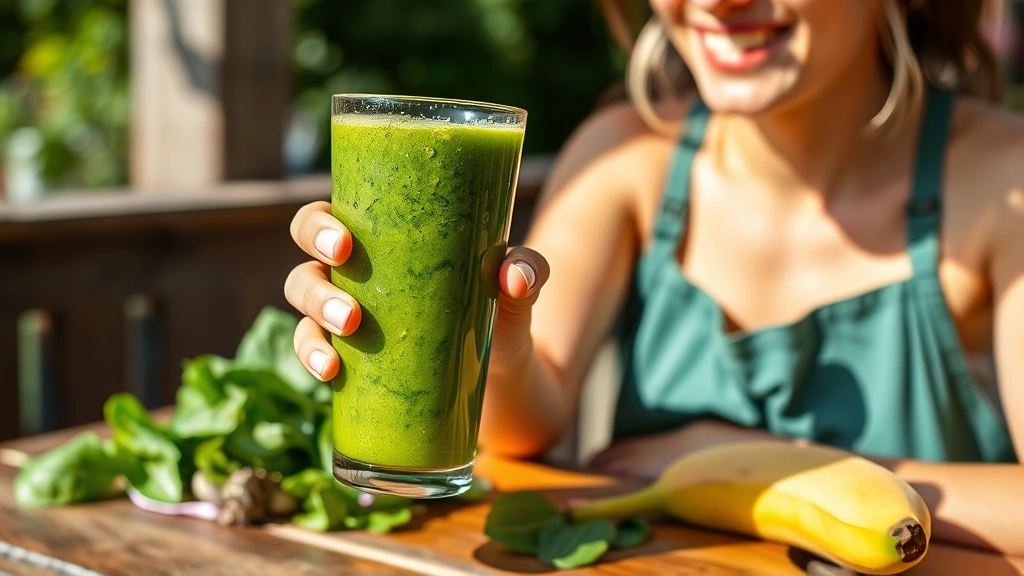
” alt=”Woman holding a glass of vibrant green smoothie with fresh ingredients visible, smiling outdoors in natural sunlight”>
FAQ
Can I drink weight loss smoothies every day?
Yes, daily smoothie consumption is safe and beneficial for most people. In fact, consistency amplifies results. Many successful individuals use smoothies as their daily breakfast or lunch replacement. The key is rotating recipes to ensure varied micronutrient intake and preventing taste fatigue that leads to abandoning the habit.
How long does a weight loss smoothie keep you full?
A properly formulated smoothie with 20+ grams of protein and 5+ grams of fiber typically maintains satiety for 3-4 hours. Individual variation exists based on metabolism, activity level, and overall diet composition. If you’re hungry within 2 hours, increase protein by 5 grams or add ½ tablespoon of healthy fat.
Is blending fruit bad for weight loss?
Blending itself doesn’t harm weight loss. However, blended fruit lacks the chewing resistance of whole fruit, potentially reducing satiety signals. Additionally, blending breaks down fiber structures slightly, though the fiber remains intact. To maximize satiety, include whole fruit components when possible and always add protein and healthy fat.
What’s the best protein powder for weight loss smoothies?
Whey protein isolate offers the highest protein concentration (25+ grams per scoop) with minimal carbs and fat. Plant-based options like pea or hemp protein work excellently for dairy-free preferences. Casein protein digests slowly, providing extended satiety—ideal for evening smoothies. Choose unflavored or minimally sweetened varieties to control sugar intake.
Can I meal prep smoothies in advance?
Pre-portioning smoothie ingredients into freezer bags works excellently. Freeze protein powder, frozen fruit, greens, and measured portions of nut butter separately. When ready, blend frozen ingredients with your liquid base. However, prepared blended smoothies separate and oxidize within 24 hours, so blend fresh daily when possible. Overnight oats offer better make-ahead options.
Will smoothies interfere with weight loss medications?
Consult your healthcare provider about potential interactions. Some weight loss medications affect appetite or nutrient absorption. High-fiber smoothies may influence medication absorption timing. Your registered dietitian can personalize recommendations based on your specific medications and health status.


