
Table of Contents
Introduction
What if losing weight didn’t have to feel like punishment? You know what I’m talking about—those restrictive diets that leave you hangry and dreaming about pizza. Here’s the thing: more people are discovering that plant-based eating offers something different. It’s a way to shed pounds while actually feeling satisfied and energized. If you’ve been wondering whether a diet built around fruits, vegetables, whole grains, legumes, nuts, and seeds could really help you reach your weight loss goals, let’s dive in together.
Plant-based diets are having a moment right now, and honestly? It’s about time. These diets focus on whole, nutrient-packed foods that are naturally high in fiber and lower in calories. But here’s the beautiful part—you’re not eating tiny portions that leave you staring at the clock until your next meal. The fiber in these foods helps you feel full and satisfied, making it much easier to maintain that calorie deficit you need for weight loss. Speaking of fiber, if you’re curious about which specific foods pack the biggest punch, checking out high fiber foods for weight loss can give you some solid starting points. Your gut will thank you too—good gut health plays a bigger role in metabolism than most people realize.
Now let’s talk about what makes plant foods so powerful for weight loss. They’re absolutely loaded with vitamins, minerals, and antioxidants that do more than just keep you healthy—they actually help rev up your metabolism and support your body’s fat-burning processes. But wait, you might be thinking, “What about protein?” Fair question. Understanding plant-based protein sources is crucial for keeping your muscles strong and your hunger at bay while you’re losing weight. And here’s something that might surprise you: staying properly hydrated amplifies all these benefits. The connection between weight loss and water intake is stronger than most people think—it helps boost your metabolism and can even help curb those sneaky cravings.
The best part about going plant-based? It naturally encourages you to think bigger picture. You’re not just changing what you eat—you’re often inspired to move more and make healthier choices overall. Pairing your new eating style with smart fitness tips for weight loss creates this amazing synergy where everything works together. Instead of fighting your body, you’re working with it.
What You’ll Learn in This Guide
We’re going to walk through everything you need to know about losing weight with a plant-based diet—no confusing jargon, just practical advice you can actually use. Here’s what’s coming up:
- Understanding the Plant-Based Approach: Learn what constitutes a plant-based diet and why it is effective for weight management and overall health.
- Key Benefits for Weight Loss: Discover how specific aspects like fiber content, nutrient density, and hydration contribute to sustainable fat loss.
- Getting Started Successfully: Master step-by-step guidance on transitioning to a plant-based lifestyle while avoiding common pitfalls.
- Practical Tips and Meal Ideas: Get actionable advice on meal planning, portion control, and sample meals that support your weight loss goals.
As we dig deeper, you’ll learn how to make plant-based eating work for your lifestyle. We’ll cover everything from getting enough protein to maximizing your fiber intake, plus how to stay hydrated and active throughout your journey. If you want to really understand how to fuel your body right, learning about weight loss and protein intake will give you the foundation you need to succeed.
We’ll also tackle the real challenges you might face—because let’s be honest, switching up your eating style isn’t always smooth sailing. From dealing with social situations to avoiding the trap of processed “health” foods (yes, even plant-based ones can be junk), we’ve got you covered.
By the time you finish reading, you’ll have a clear game plan backed by real science and practical tips that actually work in the real world. No more guessing, no more confusion—just a straightforward path to lasting weight loss and better health through plant-based eating.
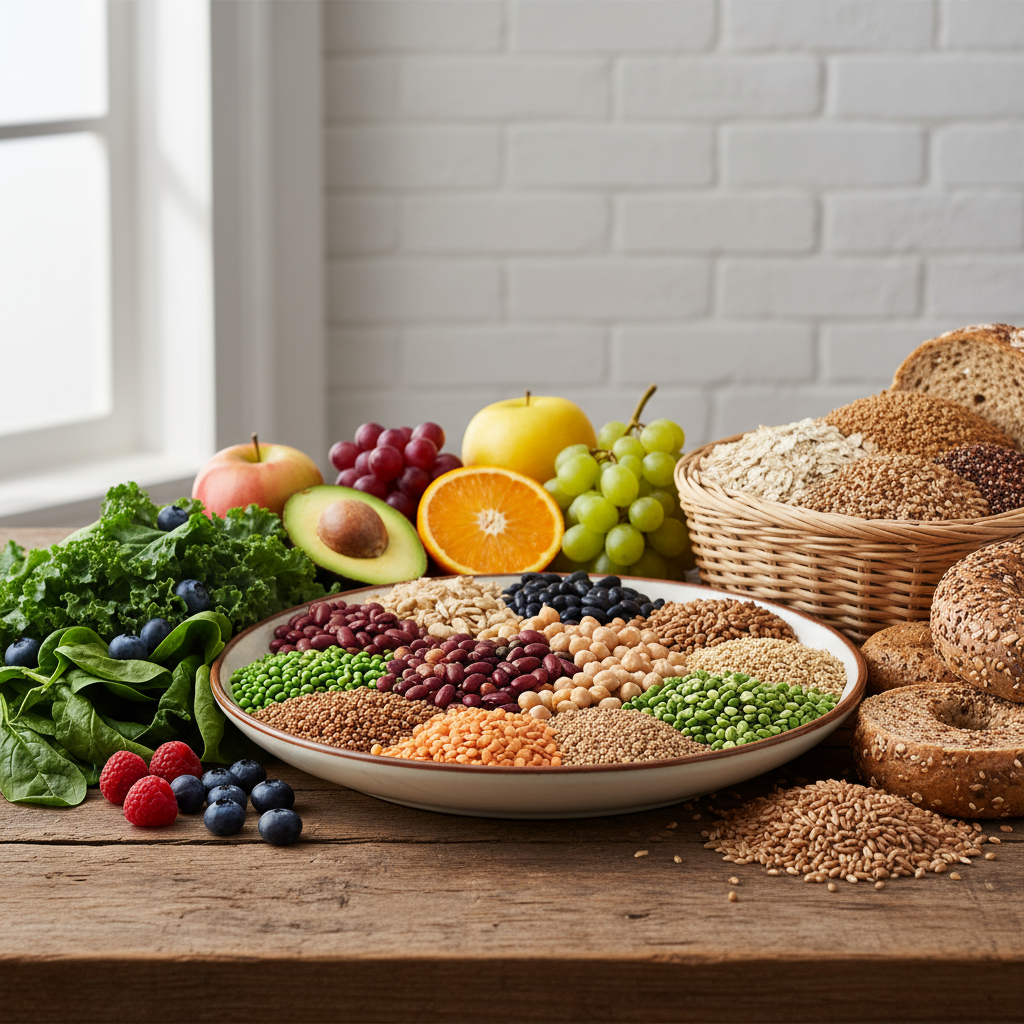
Now that we’ve covered the basics, let’s dive into what makes plant-based eating such a game-changer for weight loss—and more importantly, how you can actually make it work in your daily life. We’re talking real strategies here, not just theory. You’ll discover why this approach is so effective and get the practical roadmap you need to start seeing results. Plus, we’ll cover the smart moves that separate success stories from those who struggle.
Benefits of Plant-Based Diet for Weight Loss
Here’s what’s fascinating about plant-based eating for weight loss—it works with your body, not against it. Take fiber, for example. When you’re eating plenty of fruits, vegetables, and whole grains, you’re getting this natural appetite control that’s built right into the food. You feel satisfied on fewer calories because fiber literally takes up space in your stomach and slows down digestion. It’s like having a built-in portion control system.
But there’s more to it than just feeling full. Plant foods are what nutritionists call “low energy density”—which is a fancy way of saying you can eat a lot without packing in tons of calories. Think about it: you could eat a massive salad with beans and vegetables for the same calories as a small handful of chips. Which one is going to keep you satisfied longer? The answer is obvious. And here’s something that might surprise you—all those vitamins, minerals, and antioxidants in plants actually help rev up your metabolism. Your body runs more efficiently when it’s getting the nutrients it needs. If you want to understand how fiber specifically supports this process, check out our guide on the importance of dietary fiber for the complete picture.
Key Benefits of a Plant-Based Diet for Weight Loss
Let’s break down exactly why plant-based eating works so well for dropping pounds:
- High Fiber Content Aids Digestion and Fullness: Fiber acts like your stomach’s best friend—it slows things down, keeps you satisfied longer, and supports healthy digestion naturally.
- Lower Calorie Density Without Sacrificing Volume: You can literally eat more food while consuming fewer calories. It’s the closest thing to having your cake and eating it too (except it’s vegetables).
- Rich in Nutrients and Antioxidants Supporting Metabolism: These aren’t just empty calories—plants pack a nutritional punch that helps your body burn fat more efficiently.
- Improved Gut Health Contributing to Weight Regulation: A happy gut microbiome influences everything from inflammation to how your body stores fat. Plants feed the good bacteria that keep things balanced.
Pretty compelling stuff, right? But knowing the benefits is only half the battle. The real question is: how do you actually make this transition without feeling overwhelmed or deprived?
How to Start a Plant-Based Diet Successfully
Here’s the truth about starting plant-based eating—going cold turkey (pun intended) usually backfires. Instead, think of it as a gradual shift where you’re adding more good stuff rather than just cutting things out. Start by making one meal a day plant-focused, then build from there. The key is choosing whole, unprocessed plant foods over the packaged “plant-based” products that are often loaded with oils, sugars, and empty calories. If you’re wondering about protein (and let’s be honest, everyone asks about protein), our comprehensive guide on plant-based protein sources will show you exactly how to meet your needs.
Success really comes down to smart planning and realistic expectations. You want to create meals that actually satisfy you—which means including adequate protein, plenty of fiber, and a rainbow of nutrients. Variety isn’t just the spice of life; it’s what keeps your meals interesting and your nutrition on point. And yes, portions still matter, even with plant foods. While you can generally eat more volume, mindless munching on nuts or drowning your salad in oil can still derail your progress. Don’t forget to track your wins along the way—our friends at TrimWise Daily have excellent advice on weight loss and body measurements that can help you stay motivated and adjust your approach as needed.
Key Steps for Starting a Plant-Based Diet
Ready to get started? Focus on these essential strategies to set yourself up for success:
- Plan Balanced Meals with Adequate Protein Sources: Beans, lentils, tofu, and quinoa are your new best friends. They’ll keep your muscles happy and your hunger at bay between meals.
- Incorporate a Variety of Fruits, Vegetables, and Whole Grains: Eating the rainbow isn’t just Instagram-worthy—it ensures you’re getting a full spectrum of nutrients while keeping your taste buds engaged.
- Monitor Portion Sizes and Avoid Excess Oils and Sugars: Just because it’s plant-based doesn’t mean it’s calorie-free. Keep an eye on those sneaky add-ons that can add up quickly.
- Stay Hydrated and Combine Diet with Regular Physical Activity: Water helps everything work better, and movement amplifies all the good work you’re doing with your diet. They’re the perfect team.

Here’s the truth about plant-based eating for weight loss—it just works. Not because it’s some magic bullet, but because it aligns perfectly with what your body actually wants. Think about it: high-fiber foods that keep you satisfied for hours, low-calorie options that don’t leave you feeling deprived, and a metabolism boost that happens naturally. Plus, your gut will thank you for all those plant nutrients that help everything run smoothly. When you focus on whole foods (and skip the processed stuff masquerading as “healthy”), you’re giving your body the vitamins, minerals, and antioxidants it needs to burn fat efficiently.
Don’t feel like you need to flip your entire life upside down overnight. That’s a recipe for burnout, trust me. Start by adding more plant-rich meals to your week—maybe swap out meat for lentils in your favorite chili, or try that Buddha bowl recipe you’ve been eyeing. The key is variety and being smart about portions. You want that full spectrum of nutrients without falling into those sneaky calorie traps. And here’s something most people forget: drink your water and move your body. These aren’t just nice-to-haves—they’re game-changers that take your results to the next level.
Ready to put this into action? Let’s start with the basics. First up: protein. You absolutely need enough of it to keep your muscles happy and your hunger in check while you’re losing weight. We’re talking legumes, tofu, quinoa—the good stuff that actually fills you up. If you want to dive deeper into getting your protein balance just right, check out weight loss and protein intake. Next, let’s talk water. I know, I know—everyone says drink more water. But seriously, it revs up your metabolism and helps control those “am I hungry or just thirsty?” moments. Get the full scoop on how hydration supports fat loss at weight loss and water intake. Finally, ditch the scale obsession. Take measurements instead—they’ll show you what’s really happening with your body and keep you motivated when progress feels slow. Learn the right way to track at weight loss and body measurements.
Now, let’s zoom out for a second. The more you understand about plant-based proteins and how to work them into your meals, the easier this whole thing becomes. You want variety, you want satisfaction, and you want to feel like you’re eating real food—not rabbit food. There’s actually an amazing range of options out there once you know where to look. For everything you need to know about plant-powered proteins, head over to plant-based protein sources. This knowledge is going to make your meal planning so much simpler and more enjoyable.
Look, switching to plant-based eating for weight loss isn’t just about dropping pounds—though you’ll definitely do that. You’re setting yourself up for better health, more energy, and honestly? You’ll probably feel pretty good about the environmental impact too. The magic happens when you combine good nutrition with staying hydrated, moving your body, and being mindful about your habits. It’s not always linear, and some days will be easier than others. But arm yourself with the right information, be patient with yourself, and don’t be afraid to ask for help when you need it. Your healthiest, most energized self is absolutely within reach—and it starts with your very next meal.
Frequently Asked Questions
-
Can I lose weight eating only plant-based foods?
- Yes, a well-planned plant-based diet can support healthy weight loss by providing nutrient-dense foods that promote fullness and a calorie deficit.
-
What are good plant-based protein sources for weight loss?
- Beans, lentils, tofu, tempeh, quinoa, and nuts are excellent plant-based protein sources that help preserve muscle and manage hunger during weight loss.
-
Is it necessary to cut out all animal products at once?
- No, a gradual transition encourages sustainable changes and helps you adapt your taste preferences comfortably over time.
-
How can I avoid nutrient deficiencies on a plant-based diet?
- Focus on a varied diet with multiple plant protein sources, whole foods, and consider consulting a healthcare professional about supplements if needed.
-
What are common challenges when starting a plant-based diet?
- Adjusting to new foods, managing cravings, and planning balanced meals can be challenging but are manageable with proper preparation and support.