Coffee Method for Weight Loss? Expert Insights Inside
The “coffee method” for weight loss has gained significant attention in recent years, with numerous claims circulating online about how this simple beverage can accelerate fat burning and suppress appetite. If you’ve stumbled upon this term while researching weight loss strategies, you’re not alone—millions search for this topic monthly, hoping to discover a straightforward solution to their weight management challenges. However, separating fact from fiction is essential when it comes to any weight loss method, especially one that sounds too convenient to be true.
Coffee, in its pure form, is a calorie-free beverage rich in bioactive compounds that have been studied extensively by nutritional scientists. The primary active ingredient, caffeine, does have measurable effects on metabolism and energy levels. But does this translate into meaningful weight loss results? Let’s explore what the science actually says about coffee and weight management, examine the claimed “coffee method,” and provide evidence-based guidance for anyone considering this approach as part of their weight loss journey.

What Is the Coffee Method for Weight Loss?
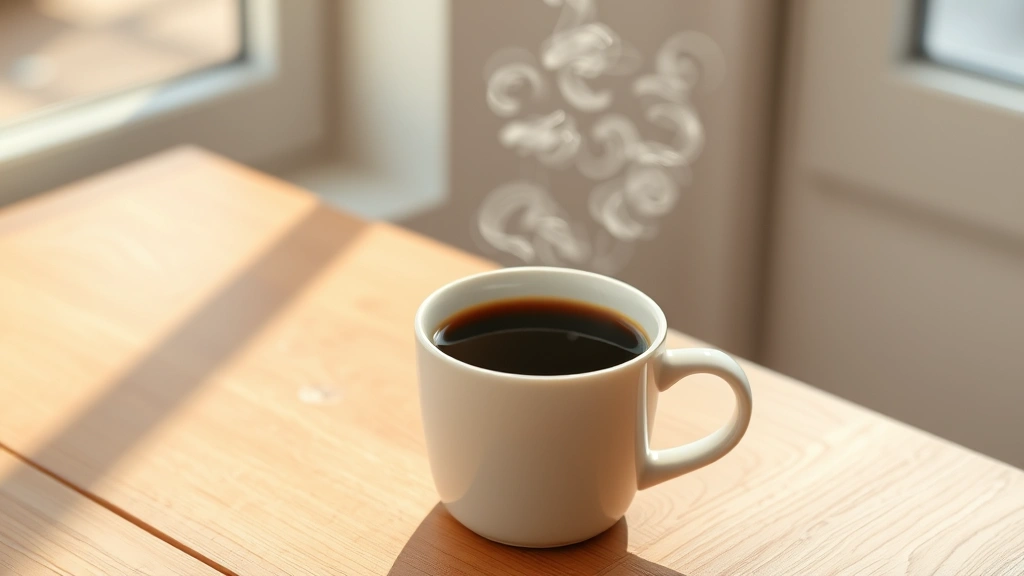
The “coffee method” for weight loss refers to various claims about using coffee—typically black coffee or coffee with specific additives—as a tool to enhance fat loss and metabolic function. The most common versions include drinking coffee on an empty stomach in the morning, using butter coffee (bulletproof coffee), or consuming coffee before workouts to boost fat burning during exercise.
Proponents of these methods claim that coffee can:
- Increase metabolic rate by up to 11% within hours of consumption
- Suppress appetite and reduce overall calorie intake
- Enhance fat oxidation, particularly during fasted cardio
- Improve workout performance and endurance
- Boost mental clarity and focus, leading to better dietary choices
While these claims contain kernels of scientific truth, the magnitude and practical significance of these effects are often overstated. Coffee is not a magic weight loss solution, but it can play a modest supporting role when combined with proven strategies like calculating your daily calorie needs and maintaining consistent exercise habits.
How Caffeine Affects Metabolism and Fat Burning
Caffeine is a central nervous system stimulant that affects the body through several mechanisms. Understanding these mechanisms helps explain why coffee has become a popular weight loss aid, while also clarifying the realistic extent of its benefits.
Thermogenesis and Energy Expenditure: Caffeine increases thermogenesis—the production of heat in the body—which requires energy and burns calories. Research published in the American Journal of Clinical Nutrition indicates that caffeine can increase energy expenditure by 3-11%, depending on individual factors like body composition, caffeine sensitivity, and baseline metabolism. For a person burning 2,000 calories daily, this could translate to 60-220 additional calories burned, though most studies show more modest increases of 20-50 calories.
Fat Oxidation Enhancement: Caffeine stimulates the release of adrenaline and noradrenaline, hormones that signal fat cells to break down stored triglycerides into free fatty acids that can be burned for energy. This process is called lipolysis. When combined with exercise, caffeine appears to enhance the body’s ability to use fat as fuel. However, this effect is most pronounced during aerobic exercise and becomes negligible during rest.
Appetite Suppression: Many people report reduced hunger after consuming coffee, which may contribute to lower overall calorie intake. The mechanism appears to involve both the physical sensation of a warm beverage filling the stomach and caffeine’s effects on hunger-regulating hormones like ghrelin. However, this appetite suppression effect typically lasts only 1-2 hours and diminishes with regular caffeine consumption as the body develops tolerance.
Mental Performance and Decision-Making: Caffeine enhances alertness, focus, and cognitive function. This indirect benefit may improve weight loss outcomes by helping you make better food choices and stay motivated with your fitness regimen. A sharp mind is more likely to resist impulsive snacking and stick to planned meals.
The Science Behind Coffee and Weight Loss
Multiple clinical studies have examined the relationship between coffee consumption and body weight, with mixed but generally supportive findings.
A comprehensive meta-analysis in Nutrients Journal examining 28 clinical trials found that caffeine consumption was associated with modest reductions in body weight, body mass index (BMI), and fat mass. The analysis showed that higher caffeine intake correlated with greater weight loss effects, but the relationship was not linear. Benefits plateaued at around 400 mg of caffeine daily (approximately 4 cups of coffee).
Research from the National Center for Biotechnology Information examining caffeine and exercise performance demonstrated that consuming 3-6 mg of caffeine per kilogram of body weight 60 minutes before exercise improved fat oxidation during moderate-intensity cardio. For a 150-pound person (68 kg), this equals approximately 204-408 mg of caffeine—roughly 2-4 cups of coffee.
However, a critical finding from multiple studies is that caffeine’s weight loss effect is temporary and modest. When people consume caffeine regularly, tolerance develops within 1-2 weeks, and the metabolic boost diminishes significantly. This means that the “coffee method” provides the greatest benefit to infrequent coffee drinkers or those who cycle their consumption, taking breaks to reset their tolerance.
Additionally, the weight loss benefit of coffee becomes negligible if you add significant calories through cream, sugar, milk, or syrups. A 16-ounce latte with whole milk and a flavored syrup contains 200-300 calories, which completely negates any metabolic benefit from the caffeine.
Common Coffee Weight Loss Claims Debunked
Claim: “Black coffee burns fat on an empty stomach.” While fasted cardio combined with pre-exercise caffeine may modestly enhance fat oxidation, the difference is minimal—typically 5-10% more fat burned compared to the same exercise without caffeine. You won’t see dramatic results from drinking black coffee alone without accompanying exercise. Effective weight loss requires a calorie deficit, which you can achieve more reliably by losing fat while preserving muscle through proper nutrition and strength training.
Claim: “Bulletproof coffee (butter + MCT oil + coffee) is superior for weight loss.” This variation adds 200-450 calories from butter and oil. While proponents claim it boosts metabolism more than regular coffee, the added calories far exceed any metabolic enhancement. The mixture may promote satiety for some people, potentially reducing overall calorie intake, but this is a calorie-control benefit, not a magic metabolic effect. The calories from fat consumed still count toward your daily intake.
Claim: “Coffee alone can create significant weight loss without diet changes.” This is definitively false. Weight loss fundamentally requires burning more calories than you consume. While coffee may increase expenditure by 20-50 calories per serving, this is negligible against a typical 500-1,000 calorie daily deficit needed for meaningful weight loss. You must also address your dietary habits and overall calorie intake.
Claim: “Green coffee extract is more effective than regular coffee.” Green coffee extract (unroasted coffee beans) contains higher levels of chlorogenic acid, which has shown modest metabolic benefits in some studies. However, the evidence is weaker than for caffeine itself, and most studies used concentrated extracts far exceeding what you’d get from drinking green coffee. Regular coffee with caffeine remains more evidence-supported.
How to Use Coffee Effectively in Your Weight Loss Plan
If you’re going to incorporate coffee into your weight loss strategy, here’s how to maximize its modest benefits while avoiding common pitfalls:
Timing for Exercise: Consume 200-400 mg of caffeine (2-4 cups of coffee) approximately 60 minutes before aerobic exercise. This timing optimizes the fat-oxidation enhancement during your workout. If you’re following a weight loss and weight lifting plan, caffeine is particularly beneficial before cardio sessions rather than strength training, where its benefits are less pronounced.
Keep It Black or Minimal: Consume coffee black or with minimal additions. If you need flavor, use:
- A splash of unsweetened almond milk (10-30 calories)
- A small amount of cinnamon (0 calories, adds flavor)
- Black coffee with a small amount of honey (15-20 calories)
Avoid sugary syrups, flavored creamers, and large amounts of milk, which add significant calories without providing satiety benefits.
Manage Caffeine Tolerance: To prevent tolerance buildup, consider these approaches:
- Take 1-2 days off from coffee per week
- Cycle between coffee and lower-caffeine beverages like tea
- Gradually increase intake rather than consuming the same amount daily
Stay Hydrated: Caffeine is a mild diuretic and can increase fluid loss. Drink adequate water throughout the day (typically 8-10 glasses daily, adjusted for activity level and climate) to maintain hydration, support metabolism, and reduce hunger cues that might be confused with thirst.
Don’t Use It as an Appetite Suppressant Replacement: While coffee may reduce hunger temporarily, never skip meals or fast for extended periods based solely on coffee consumption. Your body requires consistent nutrition to function optimally and preserve muscle during weight loss. A sustainable approach involves regular, balanced meals combined with coffee as a supplement to your regimen.
Coffee Preparation Methods That Matter
The way you prepare your coffee significantly impacts its weight loss potential. Different brewing methods affect caffeine content and introduce various compounds that may influence metabolism.
Espresso: A single shot contains 63-68 mg of caffeine in just 1 ounce. It’s an efficient way to get caffeine with minimal liquid volume, useful if you prefer not to drink large amounts of coffee. However, espresso doesn’t offer additional metabolic benefits beyond its caffeine content.
Drip Coffee: The most common method, providing 95-200 mg of caffeine per 8-ounce cup depending on brew strength. This is the standard reference point for most caffeine studies and remains the most evidence-supported preparation method for weight loss.
French Press: Contains slightly more caffeine than drip coffee (80-135 mg per cup) but also retains more oils, including cafestol and kahweol. These compounds may slightly increase LDL cholesterol in some individuals, though the effect is generally modest and offset by coffee’s other benefits.
Cold Brew: Contains 150-240 mg of caffeine per 8-ounce serving, often higher than hot brewed coffee due to extended steeping. The lower acidity may be gentler on the digestive system for sensitive individuals. Prepare it black or with minimal additions for weight loss purposes.
Instant Coffee: Contains slightly less caffeine (63-95 mg per serving) than drip but offers convenience. Quality instant coffee is a legitimate option if you’re traveling or don’t have time for brewing.
Potential Risks and Side Effects
While coffee is generally safe for most adults, consuming it as a weight loss tool requires awareness of potential adverse effects:
Sleep Disruption: Caffeine has a half-life of 5-6 hours, meaning half the caffeine remains in your system 5-6 hours after consumption. Consuming coffee after 2-3 PM can interfere with sleep quality, which undermines weight loss efforts. Poor sleep increases hunger hormones (ghrelin) and decreases satiety hormones (leptin), making it harder to maintain a calorie deficit. If you’re sensitive to caffeine, limit intake to morning hours only.
Anxiety and Jitteriness: High caffeine consumption can trigger anxiety, tremors, and increased heart rate in sensitive individuals. If you experience these symptoms, reduce intake or discontinue coffee consumption. Anxiety can also trigger stress eating, counteracting weight loss efforts.
Digestive Issues: Coffee increases stomach acid production and can trigger acid reflux, heartburn, or digestive discomfort in susceptible people. If you have a history of GERD or ulcers, consume coffee with food and monitor your symptoms.
Dependency and Withdrawal: Regular caffeine consumption creates physical dependence. Abruptly stopping can cause headaches, fatigue, and mood changes lasting 2-9 days. If you decide to quit coffee, gradually reduce intake over 1-2 weeks rather than stopping suddenly.
Elevated Blood Pressure: Caffeine temporarily raises blood pressure in most people. If you have hypertension, consult your healthcare provider before using coffee as a weight loss tool. Moderate consumption (200-400 mg daily) is typically safe even for those with mild hypertension, but individual responses vary.
Pregnancy and Breastfeeding: Pregnant individuals should limit caffeine to 200 mg daily or less, as higher intake increases miscarriage risk. Nursing mothers should consume caffeine moderately, as it passes into breast milk and can affect infant sleep and irritability.
Combining Coffee with Other Strategies
The coffee method works best as one component of a comprehensive weight loss approach. Here’s how to integrate it effectively:
Calorie Deficit Foundation: No amount of coffee replaces the fundamental requirement for weight loss: consuming fewer calories than you burn. Start by calculating your daily calorie needs and creating a sustainable deficit of 300-500 calories daily. This produces steady weight loss of 0.5-1 pound weekly while minimizing muscle loss.
Protein Intake Optimization: Combine coffee with adequate protein consumption (0.7-1 gram per pound of body weight) to preserve muscle during weight loss. Protein has a higher thermic effect than other macronutrients, meaning your body burns more calories digesting it. Consider exploring best protein shakes for weight loss as convenient protein sources that pair well with your coffee routine.
Exercise Integration: Use coffee to enhance workout performance, particularly for aerobic exercise. Consume it 60 minutes before cardio sessions to maximize fat oxidation benefits. Strength training combined with cardio produces superior weight loss results compared to either modality alone, as muscle tissue burns more calories at rest than fat tissue.
Sleep Prioritization: Maintain consistent sleep schedules (7-9 hours nightly) by avoiding afternoon coffee consumption. Quality sleep is essential for weight loss success, influencing hunger hormones, metabolism, and recovery from exercise. The metabolic benefit from morning coffee is negated if it disrupts sleep quality.
Long-Term Sustainability: Remember that maintaining weight loss requires effective long-term strategies beyond any single food or beverage. View coffee as a modest metabolic tool, not a primary weight loss mechanism. Focus on building sustainable habits around nutrition, exercise, sleep, and stress management.
Metabolic Health: If you’re concerned about your metabolic rate or weight loss progress has plateaued, consider learning about how to improve your metabolic rate through evidence-based strategies that complement your coffee consumption.
The most successful weight loss approach combines coffee’s modest benefits with comprehensive lifestyle changes. Rather than seeking shortcuts, invest in the proven fundamentals: consistent calorie deficit, adequate protein, regular exercise, quality sleep, and stress management. Coffee can enhance these efforts, but it cannot substitute for them.
FAQ
Is black coffee really calorie-free for weight loss purposes?
Yes, black coffee contains essentially zero calories (1-2 calories per 8-ounce cup). However, this calorie-free status is only maintained if you avoid additions like cream, milk, sugar, and syrups. A single tablespoon of whole milk adds 9 calories, while a tablespoon of cream adds 52 calories. For weight loss purposes, keep coffee black or use minimal additions to preserve its low-calorie benefit.
How much coffee should I drink daily for weight loss?
Most research supports 200-400 mg of caffeine daily (approximately 2-4 cups of coffee) as the optimal range for weight loss benefits. Consuming more than 400 mg daily doesn’t provide additional benefits and increases risks of anxiety, sleep disruption, and dependence. Moderate consumption is safer and just as effective as higher amounts.
Is the coffee method effective for everyone?
No, individual responses to caffeine vary significantly based on genetics, body composition, caffeine sensitivity, and tolerance. Some people experience pronounced metabolic effects from caffeine, while others show minimal response. Additionally, those with anxiety disorders, sleep issues, or cardiovascular conditions may need to avoid or significantly limit coffee consumption. If you’re unsure whether coffee is appropriate for your situation, consult a healthcare provider or registered dietitian.
Can I drink coffee while intermittent fasting for weight loss?
Black coffee is acceptable during fasting windows because it contains negligible calories and doesn’t trigger a significant insulin response. However, adding cream, milk, or sweeteners breaks a fast by introducing calories and triggering metabolic responses. If you’re practicing intermittent fasting, keep coffee black during fasting periods. The appetite suppression from black coffee may actually support fasting adherence.
Does the coffee method work better than other weight loss supplements?
Coffee’s weight loss benefits, while modest, are well-supported by scientific evidence—more so than most commercial weight loss supplements. Most weight loss supplements lack strong clinical evidence or provide minimal benefits (often 5-10 pounds over several months). Coffee offers a safe, affordable, and evidence-based option. However, remember that no supplement substitutes for calorie deficit and lifestyle changes, which remain the foundation of successful weight loss.
What’s the difference between the coffee method and using caffeine supplements?
The metabolic effects of caffeine are similar whether consumed as coffee or supplements. However, coffee provides additional bioactive compounds like chlorogenic acid and polyphenols that may have modest health benefits beyond caffeine’s effects. Coffee also provides the psychological and sensory benefits of a warm beverage, which may support satiety. Whole coffee is generally preferable to isolated caffeine supplements from a nutritional standpoint, though both can be effective tools.
Will the coffee method stop working if I drink coffee every day?
Yes, tolerance develops within 1-2 weeks of daily consumption. Your body adapts to caffeine’s effects, reducing the metabolic boost and appetite suppression. To maintain effectiveness, either take regular breaks from coffee (1-2 days weekly) or rotate between coffee and other caffeinated beverages like tea. This prevents complete tolerance while allowing you to benefit from caffeine’s effects when you do consume it.


