
Whole Wheat Pasta for Weight Loss? Nutritionist Tips
When you’re working toward weight loss, pasta often gets unfairly demonized as a forbidden food. However, whole wheat pasta presents a genuinely different nutritional profile than its refined counterpart, offering real benefits for people managing their weight. The key isn’t eliminating pasta entirely—it’s understanding how to choose and portion it strategically within your overall nutrition plan.
Whole wheat pasta contains significantly more fiber, protein, and essential micronutrients compared to white pasta, making it a smarter choice for sustainable weight management. But like any carbohydrate, the real weight loss success depends on portion control, preparation methods, and how it fits into your total caloric intake. This guide breaks down the science behind whole wheat pasta and provides practical nutritionist-backed strategies for incorporating it into your weight loss journey.
Nutritional Comparison: Whole Wheat vs. Refined Pasta
Understanding the nutritional differences between whole wheat and refined pasta is the foundation for making informed choices. A one-cup serving (about 140 grams) of cooked whole wheat pasta contains approximately 174 calories, 7 grams of protein, and 6 grams of dietary fiber. In comparison, the same serving of refined white pasta contains roughly 221 calories, 8 grams of protein, but only 1.8 grams of fiber.
The fiber difference is particularly significant for weight loss. Whole wheat pasta retains the bran and germ layers of the wheat kernel, where most of the fiber and micronutrients reside. This means whole wheat pasta provides about 3 times more fiber than refined alternatives. Additionally, whole wheat pasta contains more B vitamins, magnesium, phosphorus, and manganese—nutrients that support metabolic function and overall health.
The glycemic index (GI) rating also differs meaningfully. Whole wheat pasta has a lower GI than white pasta, meaning it causes a slower, more gradual rise in blood sugar levels. This slower digestion helps maintain stable energy levels and reduces the intense hunger spikes that often follow refined carbohydrate consumption. When blood sugar remains stable, you’re less likely to experience cravings or reach for additional snacks, making weight loss more sustainable.
Research from the American Journal of Clinical Nutrition demonstrates that whole grain consumption is associated with lower body weight and reduced risk of weight gain over time. The fiber content directly contributes to this relationship by promoting satiety and supporting healthy digestive function.
Why Fiber Matters for Weight Loss
Fiber is essentially a weight loss ally that many people overlook. Unlike other carbohydrates, fiber passes through your digestive system largely undigested, meaning it contributes minimal calories while providing substantial benefits. This unique property makes fiber invaluable for anyone pursuing weight loss without feeling deprived.
When you consume whole wheat pasta, the high fiber content slows gastric emptying—the rate at which food moves through your stomach. This extended digestion period creates a prolonged feeling of fullness, which naturally reduces overall calorie intake throughout the day. Studies show that individuals consuming adequate fiber consistently report lower hunger levels and greater satisfaction from meals.
Fiber also plays a crucial role in maintaining healthy gut bacteria. Your digestive microbiome influences metabolism, inflammation levels, and even appetite hormones like leptin and ghrelin. By feeding beneficial bacteria with soluble fiber from whole wheat pasta, you’re supporting a healthier gut ecosystem that actively assists your weight loss efforts. This is why incorporating whole grains into your healthy meal plans for weight loss proves so effective.
Additionally, adequate fiber intake supports stable blood sugar levels throughout the day. When blood sugar remains balanced, your body produces less insulin, which is important because insulin promotes fat storage. By keeping insulin levels moderate through high-fiber foods like whole wheat pasta, you create more favorable conditions for your body to utilize stored fat for energy.
The Centers for Disease Control and Prevention recommends that adults consume 25-38 grams of fiber daily, yet most Americans fall significantly short of this target. Incorporating whole wheat pasta as a staple carbohydrate source helps bridge this gap naturally.
Portion Control Strategies
Even with whole wheat pasta’s superior nutritional profile, portion control remains essential for weight loss success. The temptation to overeat pasta is real, especially when it’s comforting and delicious. However, strategic portioning allows you to enjoy pasta while maintaining your caloric deficit.
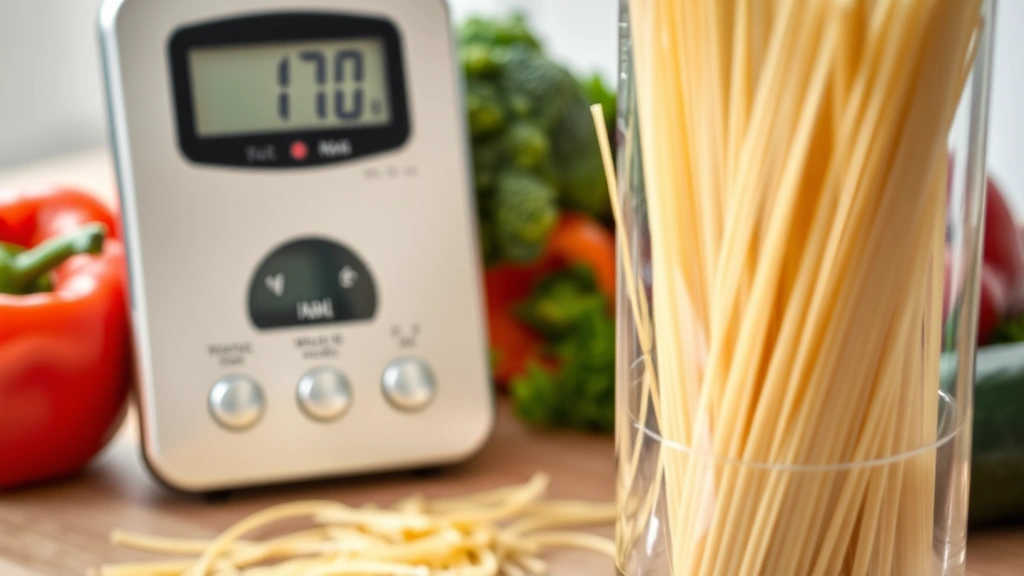
A standard serving of cooked pasta is one cup (about 140 grams), which provides roughly 174 calories from whole wheat varieties. For most weight loss goals, this represents an appropriate portion that can be incorporated into a balanced meal. Using a kitchen scale initially helps you develop accurate portion intuition—after a few weeks of measuring, you’ll visually recognize what one cup looks like.
Consider using smaller bowls or plates when serving pasta. Research in behavioral nutrition shows that plate size significantly influences how much people serve themselves and consume. A standard dinner plate (10-11 inches) encourages larger portions than a salad plate (8-9 inches), yet the satiety difference is minimal. This simple visual trick helps reduce calorie intake without requiring willpower or deprivation.
Another effective strategy involves the “pasta-to-vegetable” ratio. Rather than making pasta the main focus of your meal, construct dishes where vegetables comprise 50-60% of the volume, with pasta accounting for only 30-40%. This approach dramatically reduces overall calories while increasing nutrient density, vitamins, minerals, and additional fiber. Vegetables also add bulk to meals, promoting satiety without adding significant calories.
Measuring pasta before cooking is more accurate than estimating after cooking, since cooked pasta expands significantly. Two ounces of dry whole wheat pasta yields approximately one cup cooked, making the pre-cooking measurement straightforward. Keep a small food scale in your kitchen as an investment in your weight loss success.
Pairing Whole Wheat Pasta for Maximum Satiety
What you combine with whole wheat pasta matters tremendously for weight loss outcomes. The macronutrient composition of your complete meal directly influences hunger levels, energy stability, and long-term adherence to your weight loss plan.
Protein should always accompany whole wheat pasta in your meals. Whether you choose lean meats, fish, legumes, or plant-based proteins, aim for 20-30 grams of protein per meal. Protein requires more energy to digest than carbohydrates (a process called the thermic effect of food), meaning your body burns extra calories simply processing protein. Additionally, protein triggers the release of peptide YY and glucagon-like peptide-1, hormones that directly signal fullness to your brain. Combining whole wheat pasta with weight loss protein shakes or grilled chicken creates meals that sustain satiety for hours.
Healthy fats also enhance satiety and improve nutrient absorption. Adding olive oil, avocado, nuts, or fatty fish to pasta dishes slows digestion further and provides satisfaction that carbohydrates alone cannot deliver. Don’t fear fat in weight loss—moderate amounts of healthy fats are essential for hormonal balance, nutrient absorption, and sustained energy.
Vegetables should dominate your pasta dishes volumetrically. Broccoli, spinach, bell peppers, zucchini, tomatoes, and mushrooms add fiber, vitamins, minerals, and phytonutrients while contributing minimal calories. A pasta dish loaded with vegetables naturally becomes more filling than pasta with minimal vegetable content, allowing you to eat a satisfying portion while consuming fewer total calories.
Legume-based pasta alternatives provide even more protein and fiber than whole wheat pasta alone. Chickpea pasta, lentil pasta, and black bean pasta contain 8-13 grams of protein and 5-9 grams of fiber per serving—substantially higher than whole wheat varieties. These options prove particularly valuable for anyone with ambitious protein intake goals or those seeking maximum satiety.
Sauce selection matters significantly. Cream-based and oil-heavy sauces add substantial calories without proportional satiety benefits. Instead, opt for tomato-based sauces rich in lycopene and antioxidants, or broth-based sauces that add flavor and moisture without excessive fat. A simple marinara sauce with herbs provides far fewer calories than Alfredo while delivering greater satisfaction through flavor complexity.
Practical Meal Ideas for Weight Loss
Implementing whole wheat pasta into your weight loss routine becomes easier with concrete meal ideas. These examples demonstrate how to construct balanced, satisfying meals that support your goals.
Mediterranean Pasta Bowl: Combine one cup cooked whole wheat pasta with grilled chicken breast (3-4 ounces), cherry tomatoes, cucumber, olives, and feta cheese. Dress lightly with olive oil and lemon juice. This meal provides balanced macronutrients, Mediterranean-style flavors, and approximately 380-420 calories—perfect for a main lunch or dinner.
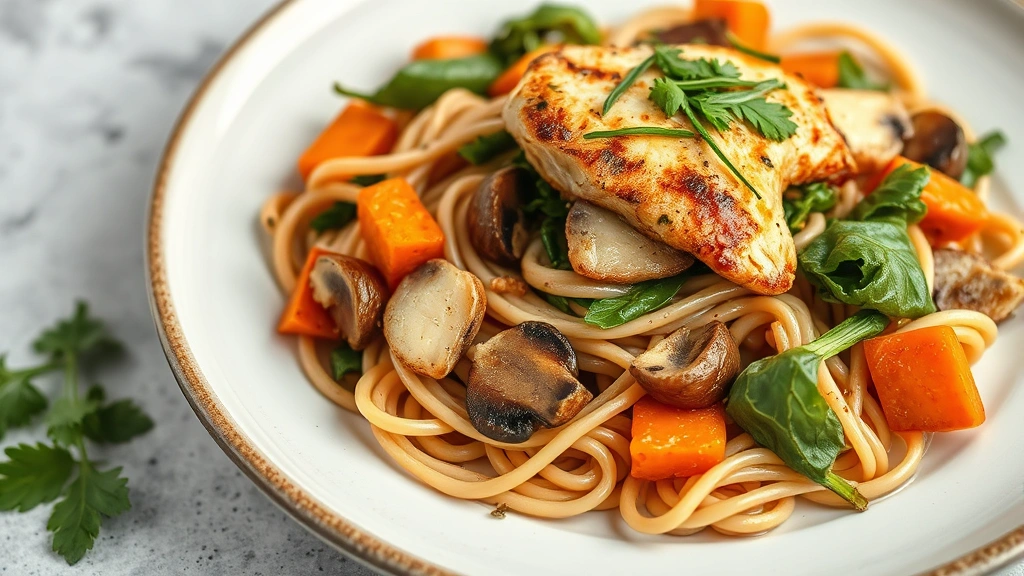
Vegetable-Loaded Marinara: Cook one cup whole wheat pasta and toss with three cups of sautéed vegetables (spinach, zucchini, bell peppers, mushrooms) and marinara sauce. Top with lean ground turkey (3 ounces cooked) and fresh basil. This veggie-forward approach delivers 350-380 calories with exceptional nutrient density and fiber content.
Asian-Inspired Whole Wheat Noodles: Use whole wheat pasta or Asian noodles tossed with stir-fried vegetables, shrimp or tofu, low-sodium soy sauce, ginger, and garlic. Add a drizzle of sesame oil for flavor. This meal satisfies cravings for takeout while maintaining nutritional integrity and supporting your weight loss efforts.
Creamy Tomato and Herb Pasta: One cup whole wheat pasta combined with Greek yogurt-based sauce (providing creaminess without excessive fat), roasted vegetables, white beans, and fresh herbs. This creative approach delivers protein, fiber, and calcium while keeping calories moderate at 380-420 per serving.
The key across all these meals is consistent application of the plate method: half vegetables, one-quarter protein, and one-quarter whole grains. This visual approach removes guesswork and ensures balanced nutrition with appropriate portions.
Pairing whole wheat pasta with chia seed for weight loss in side dishes or dressings adds additional fiber and omega-3 fatty acids, amplifying satiety and nutritional benefits. Similarly, considering weight loss and interval training alongside dietary improvements creates synergistic effects that accelerate results.
Common Mistakes to Avoid
Even with whole wheat pasta’s advantages, certain mistakes undermine weight loss progress. Awareness and proactive prevention ensure you maximize this food’s potential.
Oversized Portions: The most common error involves consuming 2-3 cups of pasta per meal instead of the recommended one cup. This tripling of portions triples calorie intake while providing diminishing satiety benefits. Portion control remains non-negotiable for weight loss success, regardless of pasta type.
Inadequate Protein Pairing: Eating whole wheat pasta as a standalone dish without adequate protein creates meals that fail to sustain satiety. You’ll likely experience hunger shortly after eating, leading to additional snacking and calorie surplus. Always include a protein source with your pasta meals.
Excessive Sauce: Drowning whole wheat pasta in cream sauces, cheese, or oil-based dressings negates nutritional advantages. A single tablespoon of olive oil adds 120 calories—easily doubling the calorie content of a modest pasta portion. Use sauces judiciously and measure them when possible.
Neglecting Vegetables: Viewing pasta as the meal’s foundation rather than one component limits nutrient density and satiety. Whole wheat pasta should occupy roughly one-quarter of your plate, with vegetables dominating volumetrically. This adjustment dramatically improves weight loss outcomes.
Ignoring Total Caloric Intake: Even whole wheat pasta contributes calories toward your total daily intake. Some people assume whole grain foods are “free” or unlimited, which undermines caloric deficit maintenance. Track portions and account for pasta’s calories in your daily total.
Inconsistent Portion Measurement: Eyeballing portions without measurement leads to gradual portion creep—consuming slightly more each time until portions double. Consistent measurement prevents this unconscious drift and maintains your caloric target.
Avoiding these mistakes while implementing the strategies outlined above positions you for sustainable weight loss success with whole wheat pasta as a regular component of your nutrition plan.
FAQ
Is whole wheat pasta better than regular pasta for weight loss?
Yes, whole wheat pasta offers genuine advantages: higher fiber (promoting satiety), more protein, lower glycemic index (preventing blood sugar spikes), and greater micronutrient content. These properties make it superior for weight loss when consumed in appropriate portions alongside balanced meals. However, portion control and overall caloric intake remain the ultimate determinants of weight loss success.
How much whole wheat pasta can I eat daily while losing weight?
Most people can incorporate 1-2 cups of cooked whole wheat pasta daily within a balanced weight loss plan. This provides 175-350 calories while delivering substantial fiber and satiety. Individual tolerance depends on your total caloric target, activity level, and metabolic factors. Consulting a registered dietitian helps personalize recommendations for your specific situation.
Does whole wheat pasta have fewer calories than regular pasta?
Whole wheat pasta contains slightly fewer calories (174 per cooked cup) compared to refined pasta (221 per cooked cup). However, the calorie difference is modest. The real advantage lies in fiber and nutrient density, which promote satiety and prevent the blood sugar crashes that trigger overeating.
Can I eat whole wheat pasta every day?
Yes, whole wheat pasta can be incorporated daily as part of a balanced diet. However, variety in carbohydrate sources (sweet potatoes, quinoa, brown rice, legumes) ensures broader nutrient coverage and prevents monotony. Rotating different whole grains while maintaining consistent portions supports long-term weight loss adherence.
What’s the best sauce for whole wheat pasta during weight loss?
Tomato-based marinara sauces provide excellent flavor with minimal calories. Broth-based sauces, vegetable-focused sauces, and Greek yogurt-based creamy sauces offer alternatives without excessive fat. Avoid cream-heavy Alfredo and oil-laden pesto unless using them sparingly. Measure sauces to maintain caloric awareness.
Should I combine whole wheat pasta with supplements for better weight loss?
While whole wheat pasta provides solid nutritional foundation, certain supplements complement weight loss efforts. Explore options like best supplements for PCOS weight loss if relevant to your situation. Protein supplements can enhance satiety when combined with pasta meals. Always consult healthcare providers before introducing supplements.
How does whole wheat pasta compare to vegetable-based pasta alternatives?
Vegetable-based pastas (chickpea, lentil, edamame) typically contain more protein (8-13g vs. 7g) and fiber (5-9g vs. 6g) than whole wheat pasta. They offer lower carbohydrate content and higher satiety. However, they’re often more expensive and have different textures. Alternating between whole wheat and legume-based pastas provides variety while optimizing nutrition.
Can whole wheat pasta support my weight loss alongside exercise?
Absolutely. When combined with consistent weight loss and interval training, whole wheat pasta provides carbohydrates necessary for workout performance and recovery. The fiber supports digestive health while the moderate calorie content fits within weight loss parameters. This synergistic approach—nutrition plus exercise—accelerates results compared to either strategy alone.
Should I avoid whole wheat pasta if I have a sensitive digestive system?
Some people experience digestive adjustment when increasing fiber intake suddenly. Introduce whole wheat pasta gradually, starting with smaller portions and increasing over 1-2 weeks. Ensure adequate water intake, as fiber requires hydration for optimal function. If persistent digestive issues occur, consult a healthcare provider or registered dietitian for personalized guidance.


