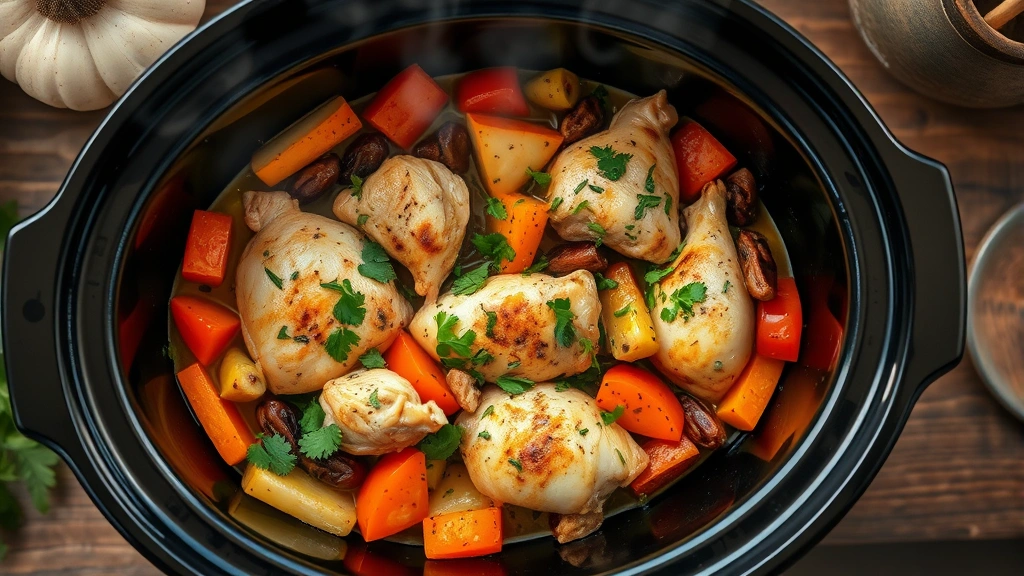
Can Slow Cooker Meals Aid Weight Loss? Chef’s Tips for Healthy Slow Cooker Recipes
Slow cookers have revolutionized home cooking by making it easier to prepare nutritious, delicious meals with minimal effort. But can these convenient kitchen appliances actually support your weight loss journey? The answer is a resounding yes—when you use the right ingredients and cooking techniques. Slow cooker meals can be powerful allies in achieving sustainable weight loss because they allow you to control every ingredient that goes into your food, eliminate unhealthy cooking fats, and create satisfying portions that keep you full longer.
The beauty of slow cooker cooking lies in its ability to transform affordable, whole-food ingredients into tender, flavorful dishes without requiring added oils, butter, or heavy sauces. This cooking method preserves nutrients while breaking down proteins and vegetables into their most digestible forms, making it ideal for anyone committed to healthier eating habits. Whether you’re following a specialized diet plan or simply looking to incorporate more nutritious meals into your routine, slow cooker recipes offer flexibility, convenience, and proven results.
Throughout this guide, I’ll share professional chef tips, science-backed cooking methods, and practical strategies for maximizing the weight loss benefits of slow cooker meals while creating dishes your entire family will enjoy.
Why Slow Cookers Work for Weight Loss
Slow cookers support weight loss through several scientifically-backed mechanisms. First, the low-temperature cooking process breaks down collagen in lean meats into gelatin, creating naturally tender dishes without requiring added fats. This means you can enjoy chicken breast, lean beef, and pork without the drying effect that typically occurs with faster cooking methods. According to the Academy of Nutrition and Dietetics, proper cooking methods that preserve nutrient density while reducing added fats are essential for sustainable weight management.
The extended cooking time in slow cookers also allows flavors to develop deeply without relying on salt, sugar, or oil-based seasonings. This means you can create restaurant-quality meals that satisfy cravings while staying within your caloric goals. Additionally, slow-cooked meals tend to be more filling—the tender vegetables and proteins break down into easily digestible components that trigger satiety hormones more effectively than processed foods.
Slow cookers also reduce the temptation to order takeout or choose unhealthy convenience foods. When you come home to an aromatic, ready-to-eat meal, you’re far less likely to reach for fast food. This behavioral component is crucial for maintaining long-term weight loss success.
Best Lean Protein Slow Cooker Recipes
Lean proteins are the foundation of any weight loss nutrition plan. Slow cookers excel at preparing chicken, turkey, fish, and lean beef cuts that might otherwise become dry or tough. Here are the most effective recipes:
Skinless Chicken Breast with Herbs and Lemon: Layer skinless chicken breasts with fresh herbs (thyme, rosemary, oregano), lemon slices, and low-sodium broth. Cook on low for 6-7 hours. This creates incredibly tender chicken with approximately 165 calories and 31 grams of protein per 3.5-ounce serving. Pair with roasted vegetables for a complete meal under 300 calories.
Turkey Chili with Beans: Ground turkey breast (93% lean) combined with kidney beans, black beans, tomato sauce (no added sugar), and spices creates a hearty, protein-rich meal. One serving contains roughly 250 calories and 28 grams of protein. The fiber from beans enhances satiety and supports digestive health. Research from the National Institutes of Health shows that legume-based meals significantly improve weight loss outcomes.
Beef Stew with Root Vegetables: Use lean cuts like sirloin tip or round steak. Layer with carrots, celery, onions, and potatoes. The slow cooking breaks down the meat’s connective tissue without requiring added fat. A balanced serving provides substantial protein while keeping fat content minimal.
Fish Tacos Base: While traditional fish requires shorter cooking times, you can prepare a flavorful broth with tomato, cilantro, lime, and spices, then add firm white fish (tilapia, cod) during the last 30 minutes. Serve in lettuce wraps or small corn tortillas for a low-calorie, high-protein meal.
Vegetable-Based Slow Cooker Dishes
Vegetables are nutritional powerhouses for weight loss because they’re low in calories, high in fiber, and packed with micronutrients. Slow cooking intensifies their natural flavors, making them more satisfying.
Minestrone Soup: Combine low-sodium vegetable broth with diced tomatoes, zucchini, carrots, spinach, white beans, and whole wheat pasta (added in the last 30 minutes). This nutrient-dense soup averages 150 calories per serving with 6 grams of fiber. The combination of vegetables and legumes creates a complete amino acid profile when paired with a lean protein side.
Ratatouille: Layer eggplant, bell peppers, zucchini, tomatoes, and onions with Italian herbs. Use minimal olive oil (just a light spray). This Mediterranean-style dish is naturally low in calories (around 80 per serving) while providing substantial volume for satiety. Studies show that Mediterranean-style diets consistently support sustainable weight loss.
Lentil and Vegetable Curry: Combine red lentils, spinach, cauliflower, carrots, and ginger with low-fat coconut milk and curry spices. Lentils provide 18 grams of protein per cooked cup, making this a complete protein source. One serving contains approximately 200 calories and 12 grams of protein.
Stuffed Bell Peppers Base: Create a filling with ground turkey, brown rice, diced vegetables, and tomato sauce. Place peppers upright in the slow cooker with a small amount of broth. This creates a visually appealing, portion-controlled meal (one pepper = one serving).
Chef’s Tips for Optimal Weight Loss Results
Trim all visible fat before cooking: Even though slow cooking doesn’t require added oil, any fat on your protein will render into the liquid. Remove skin from poultry, trim marbled fat from beef, and use only the leanest cuts available. This single step can reduce calories by 50-100 per serving.
Brown proteins first (optional but effective): While not necessary, quickly browning ground meat in a non-stick pan before adding to the slow cooker creates a flavorful crust through the Maillard reaction. This intensifies taste without adding significant calories, reducing your need for salt or other seasonings.
Use broth instead of cream: Replace cream-based sauces with low-sodium broth, tomato-based sauces, or pureed vegetables. A cup of heavy cream contains 400+ calories; the same volume of broth contains fewer than 20. This substitution can transform a 500-calorie meal into a 250-calorie meal.
Layer ingredients strategically: Place harder vegetables (carrots, potatoes) on the bottom where they receive more heat. Delicate vegetables (spinach, zucchini) go on top and cook at the end. This ensures even cooking and prevents mushy textures that make meals less satisfying.
Control liquid carefully: Slow cookers trap steam, so use less liquid than traditional recipes suggest. Start with half the recommended amount; you can always add more. Excess liquid dilutes flavors, requiring more salt to compensate. Thicker, more flavorful meals are more satisfying.
Maximize umami flavors: Use ingredients high in glutamates like tomatoes, mushrooms, soy sauce (low-sodium), and aged cheeses sparingly. These create deep, savory satisfaction without added calories. This technique from professional kitchens makes light meals feel indulgent.
Season at the end, not the beginning: Salt intensifies during long cooking times. Add most seasonings in the last 30 minutes to maintain flavor control and avoid over-salting, which increases water retention and hunger.
Meal Prep and Planning Strategies
One of slow cookers’ greatest advantages is their meal prep potential. Here’s how to maximize this benefit:
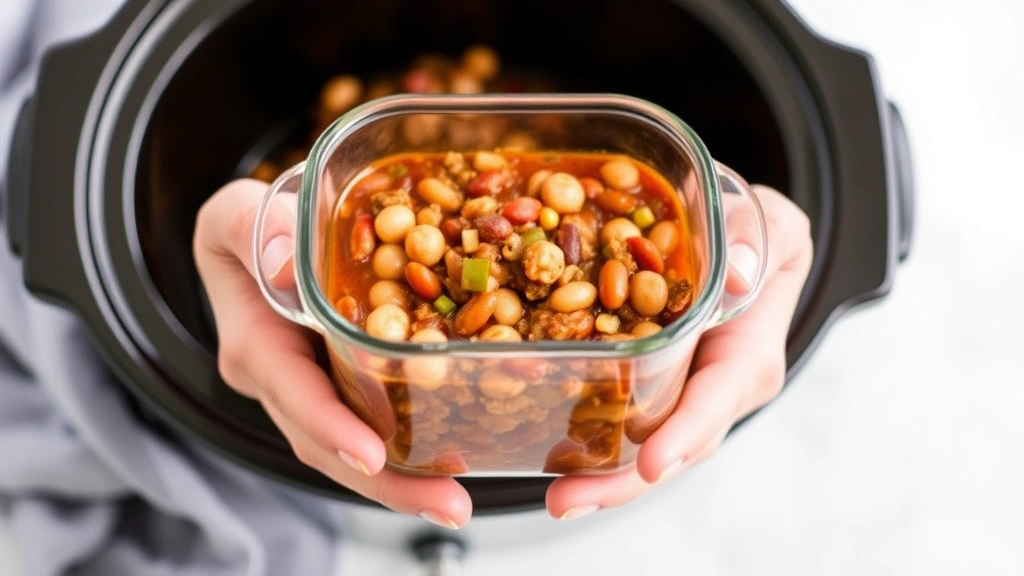
Batch cook for the week: Prepare 2-3 slow cooker meals on Sunday. Divide into portion-controlled containers and refrigerate or freeze. This ensures you always have healthy options available, preventing impulsive unhealthy choices. Research shows that meal planning is one of the strongest predictors of weight loss success.
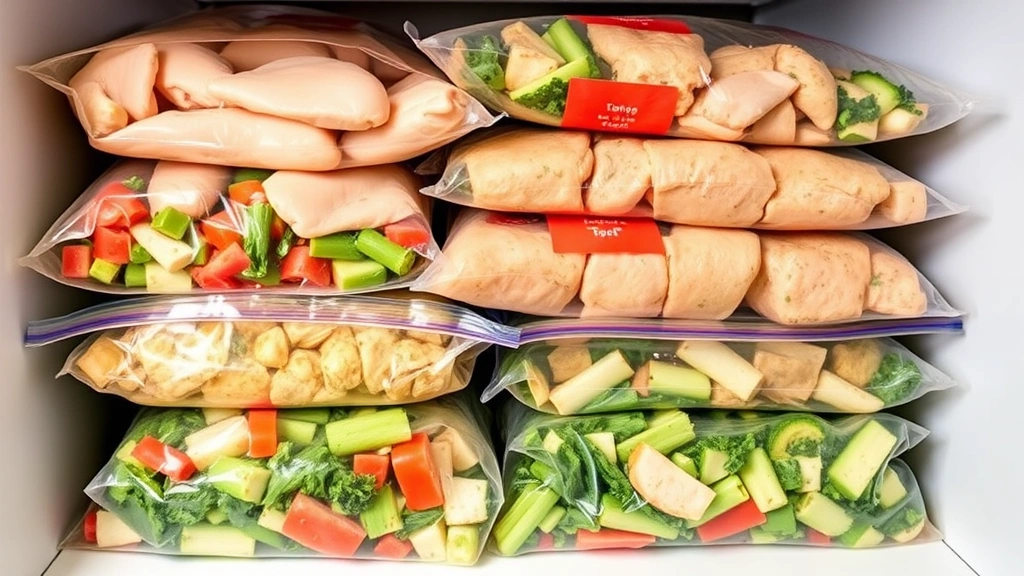
Freeze-ahead prep: Assemble ingredients in freezer bags—proteins, vegetables, and seasonings separated. When ready to cook, simply dump into your slow cooker. This reduces decision fatigue and makes healthy eating effortless. Pair this strategy with consistent exercise routines for optimal results.
Create a recipe rotation: Develop 8-10 favorite recipes and rotate them weekly. This prevents boredom while making shopping and meal planning predictable. Consistency supports habit formation, essential for sustainable weight loss.
Portion control systems: Use glass containers with marked portions. Slow cooker recipes often yield 6-8 servings. Pre-portioning immediately after cooking prevents overeating and simplifies calorie tracking. Many people find that visual portion control is more effective than calorie counting.
Combine with complementary strategies: Integrate slow cooker meals with comprehensive weight loss approaches for maximum effectiveness. Include adequate protein (25-30 grams per meal), plenty of vegetables (at least half your plate), and whole grains when appropriate.
Track and adjust: Monitor which recipes you enjoy most and repeat them. Also note which meals keep you satisfied longest. Individual responses vary; some people thrive on higher-protein meals, others on higher-fiber vegetable dishes. Personalization increases adherence.
FAQ
How many calories should a slow cooker meal contain for weight loss?
Most people lose weight consistently consuming 300-500 calories per meal (1200-1500 total daily calories for women; 1500-1800 for men), depending on activity level and individual metabolism. A slow cooker meal should provide 25-35 grams of protein, 5+ grams of fiber, and occupy significant volume for satiety. Focus on nutrient density rather than strict calorie counting.
Can I use slow cookers if I have dietary restrictions?
Absolutely. Slow cookers are incredibly adaptable. For gluten-free diets, use tamari instead of soy sauce and avoid wheat-based thickeners. For low-carb diets, replace grains and starchy vegetables with non-starchy options. For vegetarian/vegan diets, use legumes, tofu, and tempeh as protein sources. The slow cooking method works universally.
How do I prevent slow cooker meals from becoming mushy?
Add delicate vegetables in the last 30-60 minutes of cooking. Use less liquid than traditional recipes suggest. Choose recipes that naturally require longer cooking (tougher cuts of meat, root vegetables) rather than those with tender ingredients. Proper layering prevents mushiness.
Are slow cooker meals really convenient for busy schedules?
Yes. Prep time is typically 10-15 minutes. You can assemble ingredients before work and return home to a ready meal. This is far more convenient than takeout while being significantly healthier and more affordable. For people juggling demanding schedules, slow cookers remove barriers to healthy eating.
Can I lose weight eating slow cooker meals exclusively?
While slow cooker meals can be very healthy, weight loss requires overall caloric balance and nutritional variety. Include fresh fruits, salads, and other whole foods alongside slow cooker meals. Variety ensures you consume all necessary micronutrients and prevents nutrient deficiencies that can slow metabolism.
How do I store slow cooker meals safely?
Cool food to room temperature before refrigerating (within 2 hours of cooking). Store in airtight containers for up to 4 days. Freeze portions in individual containers for up to 3 months. Thaw frozen meals overnight in the refrigerator before reheating. Never thaw at room temperature, as this promotes bacterial growth.


