
PCOS Diet for Weight Loss: Nutritionist Tips
Polycystic ovary syndrome (PCOS) affects millions of women worldwide, and managing weight while living with this condition presents unique metabolic challenges. Unlike standard weight loss approaches, a PCOS diet for weight loss requires understanding how insulin resistance—a hallmark of the condition—impacts your body’s ability to shed pounds. The good news? Strategic dietary choices, combined with lifestyle modifications, can help you achieve sustainable weight loss and improve your PCOS symptoms simultaneously.
If you’ve struggled with weight loss despite your best efforts, PCOS might be the missing piece of the puzzle. This comprehensive guide shares evidence-based nutritionist tips to help you navigate dietary choices specifically designed for PCOS management and weight loss success.
Understanding PCOS and Insulin Resistance
Polycystic ovary syndrome is an endocrine disorder characterized by hormonal imbalances, irregular menstrual cycles, and the formation of small cysts on the ovaries. However, what many don’t realize is that insulin resistance affects 70-80% of women with PCOS, making it the underlying metabolic driver of weight gain and difficulty losing weight.
When your body produces insulin but your cells don’t respond effectively to it, glucose accumulates in your bloodstream. Your pancreas responds by producing even more insulin, creating a vicious cycle. This excess insulin signals your body to store fat, particularly in the abdominal area, while simultaneously increasing androgen (male hormone) production—which can worsen PCOS symptoms like hair growth, acne, and irregular periods.
Understanding this mechanism is crucial because it explains why traditional calorie-restriction diets often fail for women with PCOS. You’re not dealing with a simple calories-in-calories-out equation; you’re managing a metabolic condition that requires specific nutritional strategies to improve insulin sensitivity and enable sustainable weight loss.

The Role of Carbohydrates in PCOS Weight Loss
Carbohydrates aren’t the enemy, but choosing the right types is essential for PCOS management. The goal is to stabilize blood sugar and reduce insulin spikes throughout the day. This doesn’t mean eliminating carbs—it means being strategic about quality, quantity, and timing.
Low Glycemic Index (GI) Carbohydrates should form the foundation of your PCOS diet. These foods are digested slowly, providing steady energy without dramatic blood sugar fluctuations. Focus on:
- Whole grains: oats, barley, quinoa, and brown rice
- Legumes: lentils, chickpeas, black beans, and kidney beans
- Non-starchy vegetables: leafy greens, broccoli, cauliflower, zucchini, and bell peppers
- Berries: blueberries, raspberries, and blackberries (portion-controlled)
Research published in Nutrients Journal demonstrates that low-GI diets improve insulin sensitivity in PCOS patients. Consider aiming for 40-50% of your daily calories from carbohydrates, but prioritize complex carbs over refined options.
Portion Control and Carb Timing: Rather than consuming carbs alone, always pair them with protein and healthy fats. This combination slows digestion and prevents blood sugar spikes. For example, instead of eating toast alone, add avocado and eggs. Pair rice with grilled chicken and olive oil-based vegetables.
Avoid refined carbohydrates including white bread, pasta, sugary cereals, pastries, and processed snacks. These spike insulin rapidly and can trigger intense cravings and energy crashes.
Protein: Your PCOS Weight Loss Secret Weapon
Protein deserves special attention in a PCOS diet for weight loss because it offers multiple metabolic advantages. A study in the Journal of the American College of Nutrition found that higher protein intake improved weight loss outcomes in women with PCOS.
Protein benefits include:
- Increased satiety: Protein keeps you feeling fuller longer, reducing overall calorie intake
- Improved insulin sensitivity: Protein doesn’t spike insulin like carbohydrates do
- Thermic effect: Your body burns more calories digesting protein than carbs or fats
- Muscle preservation: Adequate protein protects lean muscle mass during weight loss
- Hormone regulation: Protein supports balanced hormone production
Aim for 25-30% of your daily calories from protein, or approximately 100-130 grams daily for a 2,000-calorie diet. Excellent protein sources include:
- Lean meats: chicken breast, turkey, and lean beef
- Fish: salmon, sardines, and mackerel (rich in omega-3s)
- Eggs and egg whites
- Greek yogurt and cottage cheese
- Plant-based options: tofu, tempeh, and legumes
- Protein powder: whey, pea, or hemp protein for smoothies
Consider incorporating a high-protein diet approach into your PCOS management strategy to enhance your weight loss efforts.
Healthy Fats and Inflammation Management
Women with PCOS often experience chronic low-grade inflammation, which perpetuates insulin resistance and weight gain. Strategic fat intake can actually reduce inflammation and support hormonal health.
Include Anti-Inflammatory Fats:
- Omega-3 fatty acids: fatty fish, flaxseeds, chia seeds, and walnuts
- Monounsaturated fats: olive oil, avocados, and almonds
- Coconut oil: contains medium-chain triglycerides that may support metabolism
Aim for 25-35% of daily calories from healthy fats. One study found that women with PCOS who consumed more omega-3 fatty acids experienced improvements in both insulin sensitivity and inflammatory markers.
Limit or Avoid:
- Trans fats: margarine, fried foods, and processed baked goods
- Excessive omega-6 oils: vegetable oil and soybean oil in high quantities
- Processed foods high in unhealthy fats
The anti-inflammatory nature of a well-balanced fat intake supports your overall PCOS management while facilitating sustainable weight loss.
Foods to Embrace and Avoid
PCOS-Friendly Foods (Embrace These):
- Non-starchy vegetables (unlimited): spinach, kale, broccoli, cauliflower, zucchini
- Lean proteins: chicken, fish, eggs, legumes
- Whole grains: oats, quinoa, barley
- Healthy fats: avocados, nuts, seeds, olive oil
- Berries: in moderation as they’re lower in sugar than other fruits
- Dairy: Greek yogurt, cottage cheese (unsweetened)
- Spices and herbs: cinnamon, turmeric, ginger (offer anti-inflammatory benefits)
Foods to Limit or Avoid:
- Refined carbohydrates: white bread, pasta, rice
- Sugar and sugary foods: candy, soda, pastries, sweetened cereals
- Processed foods: pre-packaged meals, fast food
- High-sugar fruits: bananas, grapes, dried fruits
- Alcohol: especially beer and sweet cocktails
- Caffeine in excess: may increase cortisol and stress hormones
- Seed oils high in omega-6: safflower, sunflower oil in large quantities
Reading nutrition labels becomes your superpower. Look for added sugars, refined grains, and unhealthy fats. A good rule: if you can’t pronounce the ingredients, it’s likely processed.
Meal Planning and Practical Strategies
Successful weight loss with PCOS requires consistent meal planning. Here’s how to structure your eating:
Breakfast Strategy: Start your day with protein and healthy fats to stabilize blood sugar. Examples include scrambled eggs with avocado and whole-grain toast, Greek yogurt with berries and almonds, or a protein-rich smoothie. Learn more about weight loss smoothies designed to support your goals.
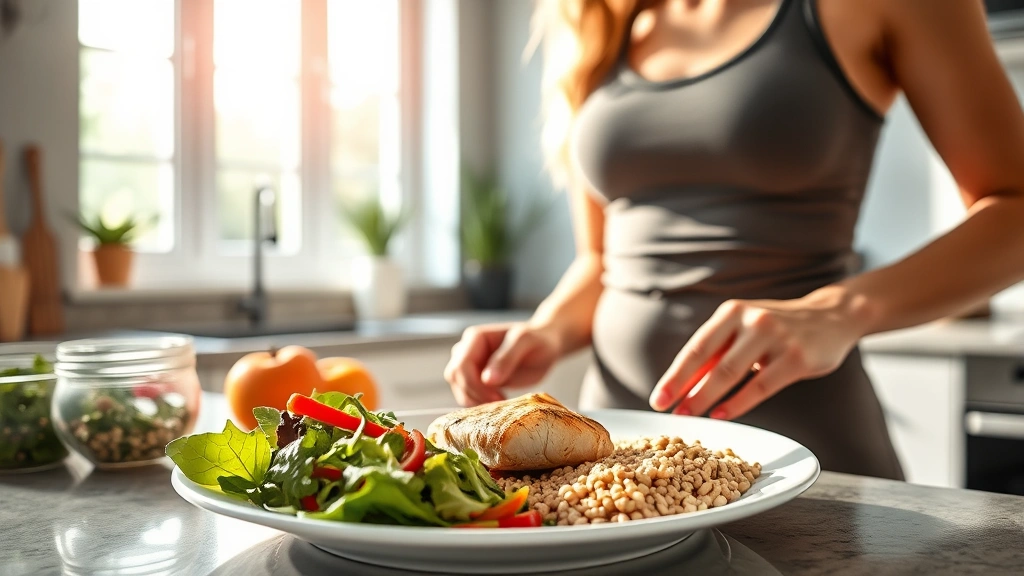
Lunch and Dinner: Build plates using the formula: half non-starchy vegetables + one-quarter lean protein + one-quarter whole grains or starchy vegetables + healthy fat source. This visual guide ensures balanced macronutrients without complicated calculations.
Snacks: Choose protein-based snacks: hard-boiled eggs, string cheese, almonds, or Greek yogurt. Avoid mindless snacking by planning ahead.
Hydration: Drink 8-10 glasses of water daily. Sometimes thirst masquerades as hunger. Green tea offers additional anti-inflammatory benefits.
Meal Prep Tips:
- Dedicate 2-3 hours weekly to meal preparation
- Cook proteins in bulk: grilled chicken, baked salmon, ground turkey
- Chop vegetables and store in containers
- Prepare whole grains in advance
- Create 3-4 simple meal combinations to rotate throughout the week
Consistency matters more than perfection. Even following these guidelines 80% of the time produces significant results.
Exercise and Metabolic Health
Diet alone cannot address PCOS weight loss effectively. Exercise plays a crucial role in improving insulin sensitivity and supporting your metabolic health. A comprehensive fitness approach includes both cardio and strength training.
Cardio exercises for weight loss help create a calorie deficit while improving cardiovascular health. Aim for 150 minutes of moderate-intensity aerobic activity weekly, such as brisk walking, cycling, or swimming.
Resistance training boosts fat loss by building muscle, which increases resting metabolic rate. Include 2-3 strength training sessions weekly, targeting major muscle groups. Women with PCOS often see improved insulin sensitivity within weeks of starting resistance training.
Additionally, explore ways to improve your metabolic rate through exercise programming and lifestyle modifications. Even low-intensity activities like walking, yoga, and stretching support stress reduction and hormonal balance.
Tracking Progress Beyond the Scale
The scale doesn’t tell the complete story with PCOS. Hormonal fluctuations, water retention, and muscle gain can mask fat loss. Track these alternative metrics:
- Body measurements: Waist, hip, chest, and thigh circumference often decrease before scale weight
- Clothing fit: Noticing clothes fitting better indicates progress
- Energy levels: Improved energy and reduced fatigue signal better metabolic health
- Symptom improvement: Fewer acne breakouts, lighter periods, or reduced hair growth indicate hormonal improvement
- Workout performance: Increased strength and endurance reflect fitness gains
- Lab work: Ask your doctor to check fasting insulin, glucose, and hormone levels quarterly
- Progress photos: Visual comparisons every 4-6 weeks often reveal changes the scale misses
Celebrate non-scale victories enthusiastically. These often precede significant weight loss and reflect real health improvements.
FAQ
How quickly will I lose weight on a PCOS diet?
Weight loss timelines vary individually, but many women see initial results within 4-6 weeks of consistent dietary changes and exercise. Average weight loss ranges from 1-2 pounds weekly. However, hormonal stabilization and symptom improvement often occur before significant scale weight changes.
Can I ever eat carbohydrates again?
Absolutely. A PCOS diet isn’t carb-free; it’s about choosing low-glycemic, nutrient-dense carbohydrates and combining them with protein and healthy fats. Whole grains, legumes, and vegetables are staples, not forbidden foods.
Do I need supplements for PCOS?
While food should be your primary source of nutrition, some women benefit from supplements. Inositol (particularly myo-inositol) has strong research supporting its role in improving insulin sensitivity and weight loss in PCOS. Vitamin D, omega-3s, and spearmint tea also show promise. Consult a healthcare provider before starting supplements.
Is intermittent fasting safe for PCOS?
Intermittent fasting can be beneficial for PCOS, but it’s not necessary. Some women find it helpful for reducing overall calorie intake and improving insulin sensitivity. However, others experience increased cortisol and worsened symptoms. Individual responses vary, so work with a weight loss coach or registered dietitian to determine if it’s appropriate for you.
How often should I check my progress?
Weigh yourself weekly at the same time of day, but don’t obsess over daily fluctuations. Take measurements and photos monthly. Check lab work quarterly with your healthcare provider to monitor insulin, glucose, and hormone levels.
What if I’m not losing weight despite following the diet?
Several factors could be at play: insufficient calorie deficit, hidden sugars in foods, inadequate sleep, chronic stress, or medication side effects. Consider consulting a registered dietitian specializing in PCOS for personalized guidance. The Academy of Nutrition and Dietetics helps locate credentialed professionals.
Can PCOS be cured through diet?
PCOS cannot be cured, but symptoms can be significantly managed and even reversed through dietary changes, exercise, stress management, and sleep optimization. Many women achieve regular periods, reduced androgen symptoms, and improved fertility through comprehensive lifestyle modifications.


