Top Granola Picks for Weight Loss? Nutritionist’s Choice
Granola often gets a bad reputation in weight loss circles, and for good reason—many commercial varieties are packed with added sugars, oils, and calories that can derail your progress. However, granola doesn’t have to be off-limits when you’re working toward your weight management goals. The key lies in understanding which granola options align with your nutritional needs and how to incorporate them strategically into a balanced eating plan. As a nutritionist, I’ve reviewed countless granola products to identify which ones actually support weight loss rather than sabotage it.
The challenge with granola is that it’s calorie-dense by nature. A seemingly small handful can contain 200+ calories, making portion control essential. But when you select granolas with high protein content, adequate fiber, and minimal added sugars, they can become a satisfying breakfast or snack that keeps you fuller longer. This comprehensive guide will walk you through the best granola options for weight loss, what to look for on nutrition labels, and how to enjoy granola without compromising your goals.
What Makes Granola Weight-Loss Friendly
Understanding the nutritional profile that supports weight loss is crucial before selecting a granola. Weight-loss friendly granola must meet several key criteria. First, it should contain at least 5-8 grams of protein per serving, which helps maintain satiety and supports muscle preservation during your weight loss journey. Second, fiber content should be 3 grams or higher per serving—fiber slows digestion, stabilizes blood sugar, and reduces overall calorie intake by promoting fullness.
Added sugars are the primary culprit in most commercial granolas. Look for options with less than 5-7 grams of added sugar per serving. Many popular granolas contain 12-15 grams of added sugar in a single serving, equivalent to nearly four teaspoons of sugar. This excess sugar spikes insulin levels, promotes fat storage, and creates energy crashes that lead to overeating later in the day.
Healthy fats are important but must be monitored. While nuts and seeds provide beneficial omega-3 fatty acids and vitamin E, they’re calorie-dense. A weight-loss friendly granola should contain 4-6 grams of fat per serving from whole food sources like almonds, walnuts, or chia seeds—not from added oils. The overall calorie count should ideally be 120-150 calories per quarter-cup serving, making portion management more feasible.
Top Granola Picks for Weight Loss
1. Kashi GoLean Crunch stands out as a nutritionist-approved choice with 9 grams of protein and 6 grams of fiber per serving, containing only 140 calories and 6 grams of added sugar. The combination of soy protein and whole grains makes it exceptionally satisfying, and many people find they need less of it to feel full compared to traditional granolas.
2. Nature’s Path Organic Sunrise Crunchy Granola offers a cleaner ingredient list with 5 grams of protein, 4 grams of fiber, and just 4 grams of added sugar per 140-calorie serving. It uses organic whole grains and includes pumpkin seeds and almonds for nutritional density without excess calories.
3. One Degree Organic Sprouted Granola features sprouted grains that are easier to digest and more nutrient-bioavailable than regular grains. With 6 grams of protein, 5 grams of fiber, and 120 calories per serving, it’s an excellent choice for those seeking whole-food ingredients and lower calorie counts.
4. Purely Elizabeth Original Ancient Grain Granola combines sprouted grains with seeds and nuts, providing 6 grams of protein and 4 grams of fiber in just 130 calories. The inclusion of quinoa and amaranth adds complete amino acids, making it particularly valuable for plant-based dieters.
5. Udi’s Gluten-Free Granola works well for those with gluten sensitivity and offers 5 grams of protein, 3 grams of fiber, and only 5 grams of added sugar per 130-calorie serving. It’s formulated with honey instead of high-fructose corn syrup, a meaningful distinction for metabolic health.
6. Simple Mills Almond Flour Granola uses almond flour as its base, delivering 6 grams of protein and just 2 grams of sugar per 150-calorie serving. This higher-fat, lower-sugar option works particularly well for people following PCOS diet for weight loss protocols that emphasize protein and healthy fats while minimizing refined carbohydrates.
7. Bob’s Red Mill Paleo Granola features nuts, seeds, and coconut oil with 7 grams of protein, 4 grams of fiber, and just 3 grams of added sugar in 150 calories. The paleo formulation emphasizes whole foods and avoids refined ingredients that can trigger cravings.
Each of these options has been selected based on macronutrient balance, ingredient quality, and real-world satiety data reported by users tracking their weight loss progress.
How to Read Granola Nutrition Labels
Navigating nutrition labels effectively is essential for making informed granola choices. Start by checking the serving size—many granola labels list a quarter-cup as one serving, which may seem smaller than you’d actually eat. Be honest about your typical portion and calculate accordingly. If you normally eat half a cup, you’re consuming double the listed calories and sugar.
Focus on the “Added Sugars” line rather than total sugars. Total sugar includes natural sugars from dried fruit, which are less problematic than refined sugars, but added sugars should remain under 5-7 grams per serving for weight loss purposes. Compare this to the daily value—added sugars should represent no more than 10% of your daily caloric intake.
Examine the ingredient list, which is listed by weight. If sugar (in any form—cane sugar, honey, agave, maple syrup) appears in the first three ingredients, the product is primarily sugar-sweetened and won’t support your weight loss goals effectively. Look for whole grains like rolled oats, quinoa, or spelt as the first ingredient instead.
Protein-to-carbohydrate ratio matters significantly. Aim for granolas where protein is at least 1 gram per 10 grams of carbohydrates. This ratio ensures your blood sugar remains stable and hunger hormones stay regulated. Fiber content deserves equal attention—each gram of fiber effectively reduces net carbohydrate impact, supporting satiety and metabolic health.
Check for artificial ingredients, hydrogenated oils, and high-fructose corn syrup. These additives may reduce satiety and increase cravings, working against your weight loss efforts. Whole food sources of fat from nuts and seeds are preferable to added vegetable oils, which increase calorie density without providing the same nutritional benefits.
Portion Control Strategies
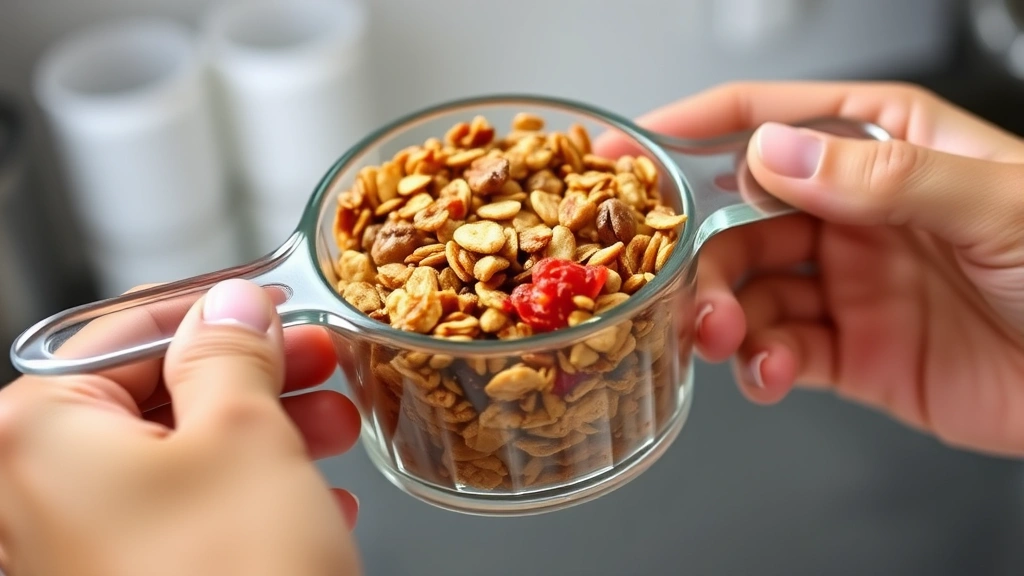
Even the best weight-loss granola becomes problematic without proper portion control. A quarter-cup serving (the standard nutritional serving) is typically around one small handful, which many people find disappointingly small. Implementing these strategies makes portions feel more satisfying.
Use smaller bowls: A quarter-cup of granola looks more substantial in a small cereal bowl than a large one, creating a psychological satisfaction boost. This simple visual trick often reduces overeating without requiring willpower.
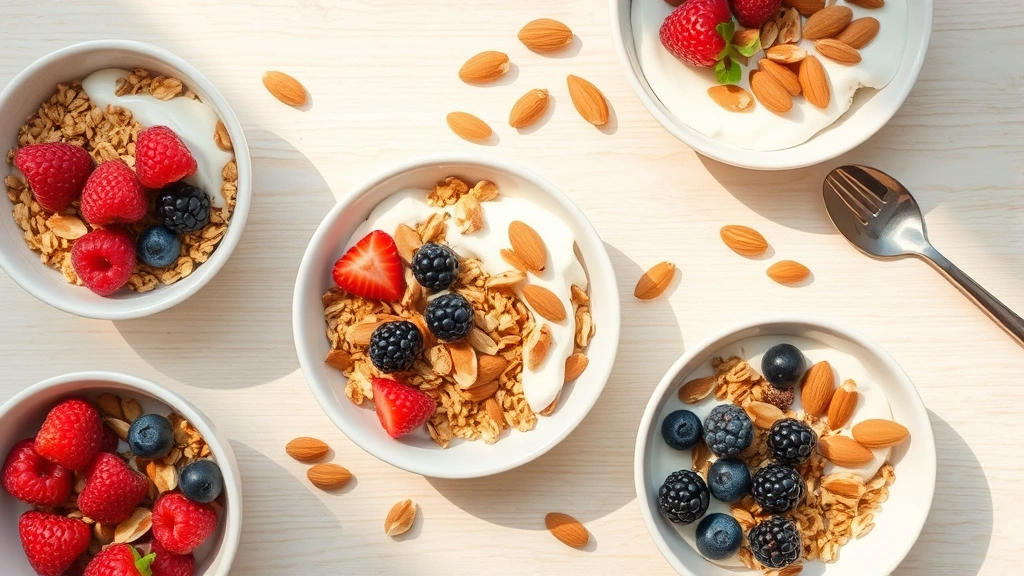
Mix with low-calorie bases: Combine one-quarter cup of granola with one cup of plain Greek yogurt or cottage cheese. The protein-rich base stretches the serving into a filling meal while adding only 100-150 additional calories and 15-20 grams of protein.
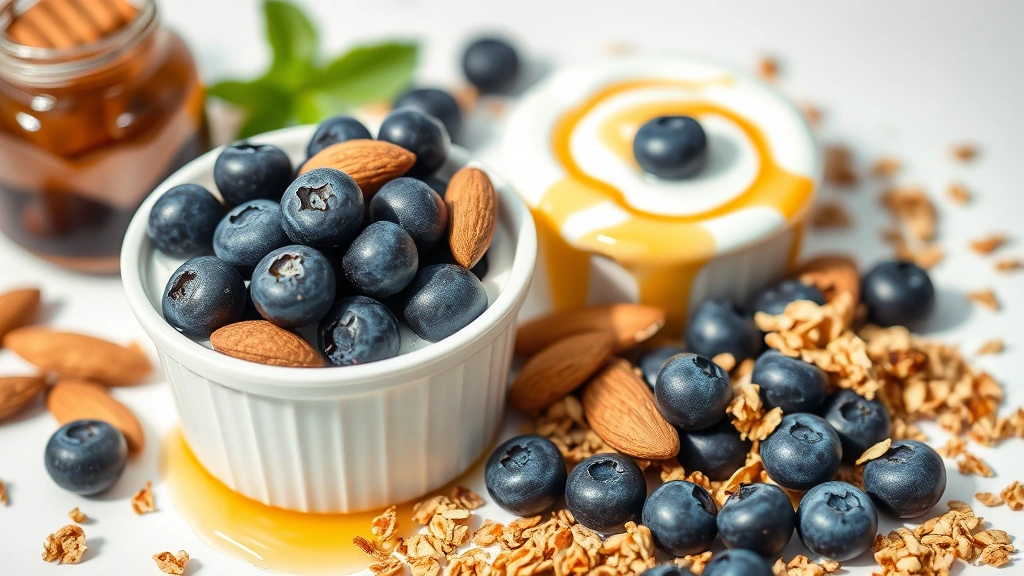
Layer with fiber: Mix granola with leafy greens or berries. A quarter-cup granola layered with one cup of spinach and one-half cup of blueberries creates a nutrient-dense breakfast with excellent satiety and only 180-200 calories.
Pre-portion into containers: Divide granola into quarter-cup portions in small containers immediately after purchase. This removes the temptation to pour directly from the bag and makes tracking easier if you’re counting calories.
Eat granola as a topping: Rather than eating granola as a base, use it as a garnish on yogurt, oatmeal, or fruit. Two tablespoons (half a serving) sprinkled on top of another food provides texture and satisfaction while keeping calories controlled.
Pairing Granola with Protein
Protein is your weight-loss ally, and pairing granola with high-protein foods amplifies its benefits. Greek yogurt is the classic pairing—one cup of plain Greek yogurt (15-20 grams protein, 100 calories) with one-quarter cup granola creates a 200-220 calorie breakfast with 20-25 grams of protein. This macronutrient combination keeps you satisfied for 4-5 hours, reducing mid-morning snacking urges.
Cottage cheese offers similar benefits with a slightly different texture. One cup of low-fat cottage cheese contains 28 grams of protein and 160 calories. Mixed with one-quarter cup granola, nuts, and berries, it becomes a powerhouse breakfast supporting muscle preservation during weight loss.
Combine granola with best aerobic exercises for fat loss efforts by eating granola with a side of scrambled eggs or an egg-based breakfast. Two eggs provide 12 grams of protein and 140 calories; paired with granola and whole-grain toast, you create a balanced meal supporting both your exercise performance and weight management.
Plant-based eaters can use granola with tofu yogurt, hemp seeds, or nuts. One-quarter cup granola mixed with one cup plant-based yogurt fortified with protein, plus two tablespoons ground flaxseed (3 grams protein), creates a satisfying vegan breakfast with 15-18 grams protein.
DIY Low-Calorie Granola Recipe
Making your own granola gives you complete control over ingredients and sugar content. This simple recipe yields approximately 8 servings of 140 calories each with 6 grams protein and 4 grams fiber per quarter-cup serving.
Ingredients:
- 2 cups rolled oats
- 1 cup raw almonds, roughly chopped
- 1/2 cup raw pumpkin seeds
- 1/4 cup unsweetened coconut flakes
- 2 tablespoons ground flaxseed
- 2 tablespoons coconut oil, melted
- 3 tablespoons honey or pure maple syrup
- 1 teaspoon vanilla extract
- 1/2 teaspoon cinnamon
- 1/4 teaspoon sea salt
- 1/2 cup dried cranberries or blueberries (add after baking)
Instructions: Preheat oven to 300°F. Combine oats, almonds, pumpkin seeds, coconut, flaxseed, cinnamon, and salt in a large bowl. In a small bowl, whisk together melted coconut oil, honey, and vanilla. Pour wet ingredients over dry ingredients and mix thoroughly until all granola is lightly coated. Spread mixture on a parchment-lined baking sheet and bake for 20-25 minutes, stirring every 8 minutes to ensure even toasting. Remove from oven and cool completely on the baking sheet (it will crisp as it cools). Once cooled, stir in dried fruit and store in an airtight container for up to two weeks.
This homemade version contains no refined sugars, no added oils beyond the small amount needed for binding, and significantly more fiber than most commercial options. You’ll know exactly what’s in each serving, supporting informed decision-making about your nutrition.
Common Granola Mistakes
Many people inadvertently sabotage their weight loss goals with granola-related mistakes. Underestimating portions is the most common error—people pour granola into a bowl without measuring, often consuming 300-400 calories in what they believe is a small serving. Always measure your granola, at least initially, until you develop accurate portion intuition.
Choosing “healthy” granolas without checking labels is another pitfall. Products marketed as organic, natural, or made with whole grains can contain just as much sugar as conventional options. Marketing claims mean nothing without supporting nutrition facts.
Eating granola alone as breakfast provides insufficient protein and satiety. Granola should be paired with protein sources, not eaten as a standalone meal. This combination approach is essential for weight loss success.
Assuming homemade granola is automatically healthier can backfire if you’re not careful with added sweeteners and oils. Homemade granola made with excessive honey or coconut oil can be just as calorie-dense as commercial versions. Measure your ingredients carefully when making your own.
Choosing granola bars instead of loose granola often means consuming more calories and added ingredients for binding. A 200-calorie granola bar may contain more sugar than a quarter-cup of quality loose granola. Bars also lack the satiety that comes from chewing whole nuts and seeds.
Ignoring individual tolerance is important—some people find granola triggering because its palatability makes portion control difficult. If you’re someone who can’t stop at a quarter-cup, choose other breakfast options instead. Your weight loss success is more important than forcing yourself to eat any particular food.
Consider your overall eating patterns and how using weight loss and fitness apps can help you track granola consumption accurately, preventing unconscious overeating.
FAQ
Can I eat granola every day for weight loss?
Yes, you can eat granola daily as part of a balanced diet, but consistency with portion control is essential. One-quarter cup daily with protein sources like Greek yogurt fits comfortably into most weight loss plans. However, if granola triggers overeating or cravings, using it less frequently or avoiding it altogether may be more effective for your individual situation.
Is granola better than cereal for weight loss?
Quality granola and quality cereal are roughly equivalent for weight loss when portions are controlled. Both should be paired with protein sources for optimal satiety. Granola provides more satiety per serving due to nuts and seeds, but it’s also more calorie-dense, making portion precision equally important for both options.
What’s the difference between granola and muesli?
Granola is baked with oil and sweetener, making it crispy and more calorie-dense (typically 140-180 calories per quarter-cup). Muesli is unbaked and contains raw oats, nuts, and dried fruit (typically 120-150 calories per quarter-cup). Both require protein pairing for weight loss effectiveness, though muesli may offer slightly better satiety due to its uncooked grain structure.
Should I choose granola with sugar alcohols for weight loss?
Sugar alcohols like xylitol and erythritol don’t significantly impact blood sugar and contain fewer calories than regular sugar. However, they can cause digestive discomfort in some people and may perpetuate sweet cravings. Granolas with minimal added sugars from honey or maple syrup are preferable to those relying heavily on sugar alcohols.
How does granola fit into specific weight loss approaches like GLP-1 weight loss non-diabetic protocols?
GLP-1 medications enhance satiety, making granola portion control easier for many users. However, GLP-1 users should still prioritize protein-rich options and monitor blood sugar response. Choose granolas with higher protein content and lower sugar to align with GLP-1 benefits. Those taking GLP-1 should consult their healthcare provider about optimal nutrition strategies.
Can granola support weight loss with best supplements for PCOS weight loss?
Yes, when choosing lower-glycemic granolas with high protein and fiber content. PCOS-friendly granolas should minimize refined carbohydrates and added sugars while emphasizing whole grains, nuts, and seeds. Pair with full-fat Greek yogurt or cottage cheese for stable blood sugar management, particularly important for those with PCOS.
What if I can’t find the recommended granolas locally?
Online retailers including Amazon, Vitacost, and iHerb offer extensive granola selections with home delivery. Alternatively, make your own granola using the provided recipe—it’s cost-effective, customizable, and often superior to commercial options. Local health food stores typically stock quality brands even if mainstream grocery stores don’t.


