
Brooke Williamson’s Weight Loss Tips: Chef’s Secrets to Sustainable Health
Brooke Williamson, the accomplished chef and television personality known for her appearances on Top Chef and Top Chef Family, has become an inspiration to many seeking practical, real-world approaches to weight management. Unlike fad diets or restrictive eating plans, her philosophy centers on understanding food deeply, making intentional choices, and building sustainable habits that work within a busy lifestyle. As someone who spends her professional life in kitchens, developing recipes, and understanding nutrition, Williamson’s weight loss journey offers valuable insights that go beyond typical diet advice.
What makes Brooke’s approach particularly relevant is that it doesn’t require giving up the foods you love or adopting extreme measures. Instead, she emphasizes quality ingredients, portion awareness, and the psychological relationship we have with eating. Her secrets, developed through years of culinary expertise and personal health consciousness, provide a blueprint that everyday people can actually follow without feeling deprived or overwhelmed.
Understanding Food Quality and Ingredients
Brooke Williamson’s first principle revolves around the quality of ingredients you consume. As a professional chef, she understands that what you put into your body matters significantly. This isn’t about choosing expensive products exclusively, but rather being intentional about selecting whole, minimally processed foods that nourish your body effectively.
When you choose high-quality ingredients, several things happen simultaneously. First, nutrient density increases—whole foods contain more vitamins, minerals, and beneficial compounds per calorie compared to processed alternatives. Second, these foods tend to keep you satisfied longer, reducing the urge to snack between meals. Third, when ingredients taste better, you naturally eat more slowly and mindfully, which allows your body’s satiety signals time to register.
Williamson advocates for reading labels carefully and understanding what’s actually in your food. This means recognizing added sugars, excessive sodium, and artificial additives that contribute calories without nutritional benefit. By shopping the perimeter of grocery stores where fresh produce, lean proteins, and dairy products are typically located, you can build a foundation of whole foods that support weight loss goals naturally.
The chef also emphasizes the importance of cooking at home whenever possible. Restaurant meals, even seemingly healthy options, often contain hidden calories in the form of excessive oils, butter, and salt used during preparation. When you cook your own meals, you control every ingredient and cooking method, making it significantly easier to maintain caloric balance while still enjoying delicious food.
Portion Control Through Chef’s Knowledge
Having spent decades in professional kitchens, Brooke understands portion sizes intimately. She knows that restaurant portions are typically two to three times larger than what nutritionists recommend. This knowledge allows her to navigate eating situations with awareness and intention.
One of her key strategies involves using visual cues rather than obsessive calorie counting. A portion of protein should be about the size of your palm, vegetables should fill half your plate, and whole grains or starches should occupy about a quarter. This method, called the hand method or plate method, is simple, portable, and doesn’t require carrying scales or tracking apps.
Williamson also recommends eating slowly and chewing thoroughly. This simple practice serves multiple purposes: it aids digestion, allows time for fullness signals to reach your brain, and increases enjoyment of meals. Many people who struggle with weight management eat too quickly, consuming excessive calories before realizing they’re satisfied.
Another practical tip involves using smaller plates and bowls. This psychological trick makes portions appear larger, satisfying visual cues while reducing actual intake. Additionally, serving food on individual plates rather than family-style reduces the tendency to take seconds mindlessly.
Building Sustainable Eating Habits
True weight loss success comes from building habits you can maintain indefinitely, not from temporary restrictive diets. Brooke emphasizes this repeatedly in her approach to health. She advocates for making small, incremental changes rather than overhaul transformations that often lead to burnout and rebound weight gain.
One sustainable approach involves identifying your personal food triggers and developing strategies to manage them. Maybe you struggle with late-night snacking, emotional eating, or certain social situations. Rather than relying on willpower alone, create environmental changes: don’t keep trigger foods readily available, find alternative stress-management activities, or plan ahead for social events.
Williamson also stresses the importance of consistency over perfection. You don’t need to eat perfectly 100% of the time to see results. In fact, expecting perfection often leads to an all-or-nothing mentality where one slip becomes an excuse to abandon efforts entirely. Instead, aim for consistency—making good choices most of the time, allowing flexibility for enjoyment and social occasions.
Building sustainable habits also means finding physical activities you genuinely enjoy. Exercise shouldn’t feel like punishment; it should be something you look forward to. Whether that’s walking, dancing, swimming, or team sports, consistency matters more than intensity when establishing long-term fitness routines.
The Role of Protein in Weight Management
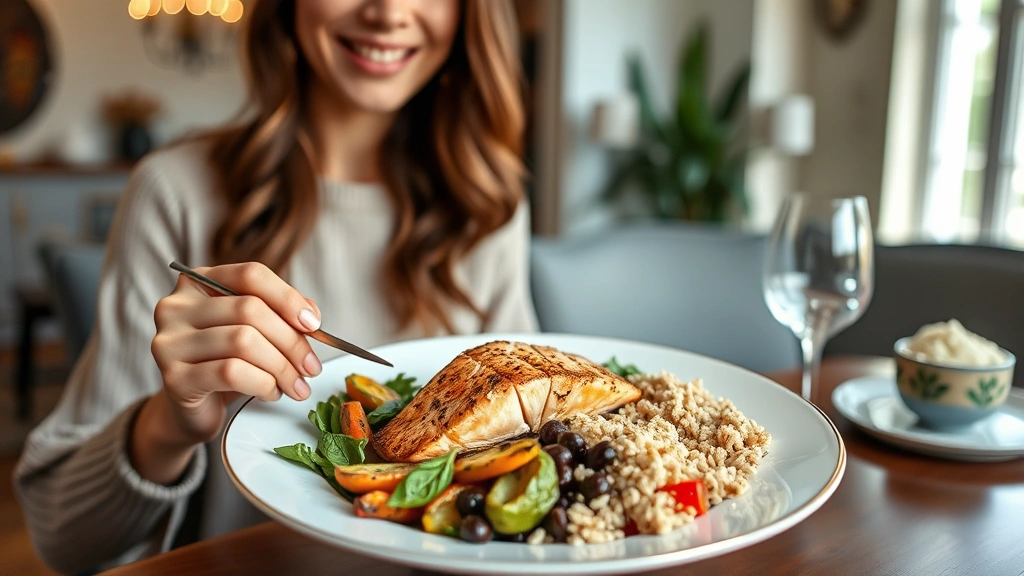
Protein stands as one of the most important nutrients for weight management, and Brooke incorporates this understanding throughout her approach. Protein increases satiety more effectively than carbohydrates or fats, meaning you feel fuller longer after consuming it. This naturally reduces overall calorie intake without requiring conscious restriction.
Additionally, protein has a higher thermic effect, meaning your body burns more calories digesting protein compared to other macronutrients. This contributes to a slightly elevated metabolism when protein intake is adequate. For those interested in comprehensive strategies, exploring a 7-day protein diet plan for weight loss can provide structured guidance.
Williamson recommends including protein at every meal and snack. This might mean eggs at breakfast, a chicken breast at lunch, fish at dinner, and Greek yogurt or nuts as snacks. The variety ensures you receive different amino acid profiles and nutrients while preventing boredom.
Quality protein sources include lean meats, fish, eggs, legumes, dairy products, and plant-based options like tofu and tempeh. By choosing these whole sources over processed protein products, you gain additional nutrients and typically consume fewer artificial additives.
Meal Planning and Preparation Strategies
Professional chefs understand that meal planning and preparation are non-negotiable for maintaining consistent eating habits. Brooke advocates for dedicating time each week to planning meals and preparing components that make healthy eating convenient throughout the week.
This doesn’t mean preparing identical meals for every day. Instead, it means cooking proteins in bulk, washing and chopping vegetables, cooking grains, and preparing simple sauces or dressings that can be mixed and matched. When these components are ready, throwing together a healthy meal takes minutes, making it far easier to avoid takeout or processed convenience foods.
Williamson also recommends keeping a well-stocked pantry with staple ingredients: quality oils, vinegars, spices, canned tomatoes, legumes, and whole grains. With these basics on hand, you can create countless healthy meals without needing to shop frequently.
For those managing specific health conditions alongside weight loss, such as PCOS diet for weight loss, meal planning becomes even more critical for managing symptoms while achieving goals. Specialized planning ensures you receive appropriate nutrients for your individual circumstances.
She also emphasizes the importance of batch cooking. Preparing double or triple portions during cooking allows you to freeze meals for busy days when cooking from scratch isn’t feasible. This strategy prevents reliance on less healthy convenience options when time is limited.
Balancing Indulgence with Health Goals
Perhaps one of Brooke’s most important messages is that sustainable weight loss doesn’t mean complete deprivation. She’s a chef, after all—she loves food and understands that eating is about pleasure, culture, and social connection, not merely fuel.
Her approach involves what might be called “flexible restraint.” Rather than eliminating favorite foods entirely, she recommends eating them in moderation and with full awareness. If you love chocolate, have a small piece of high-quality chocolate rather than a large portion of low-quality alternatives. You’ll likely feel more satisfied with less.
This philosophy extends to social eating and special occasions. Williamson doesn’t advocate for isolating yourself or refusing to participate in meals with family and friends. Instead, she suggests making conscious choices: perhaps you eat lighter earlier in the day before a dinner out, or you choose one indulgence rather than multiple, or you focus on enjoying the social aspects rather than mindlessly consuming everything available.
The key is removing the moral judgment around food. Food isn’t “good” or “bad”—it’s simply food with varying nutritional profiles. By removing shame and guilt, you reduce emotional eating and develop a healthier relationship with all foods. For those with specific dietary needs, resources like best supplements for PCOS weight loss can complement a balanced approach.
Physical Activity and Lifestyle Integration
Weight loss primarily results from creating a caloric deficit through diet, but physical activity plays crucial roles in overall health, metabolism, and sustainability. Brooke incorporates movement naturally into her lifestyle rather than viewing it as separate punishment for eating.
She recommends a combination of cardiovascular activity and strength training. Cardio improves heart health and burns calories, while strength training builds muscle mass, which increases resting metabolic rate and improves body composition. For comprehensive guidance on integrating both, a weight loss and weight lifting plan: the ultimate guide can provide structured approaches.
Beyond formal exercise, Williamson emphasizes non-exercise activity thermogenesis—the calories burned through daily movement. This includes walking, taking stairs, standing while working, gardening, and general movement. These small activities accumulate significantly over time and often prove more sustainable than forcing yourself into workout routines you dislike.
Sleep and stress management also deserve attention. Poor sleep disrupts hunger and satiety hormones, increasing cravings for high-calorie foods. Chronic stress elevates cortisol, which promotes fat storage, particularly around the midsection. By prioritizing sleep and developing stress-management practices like meditation, yoga, or simply spending time on enjoyable activities, you support weight loss efforts on multiple biological levels.
For those with hormonal considerations affecting weight, understanding how HRT helps with weight loss or exploring inositol for weight loss might provide additional support alongside lifestyle modifications.

FAQ
What is Brooke Williamson’s main philosophy about weight loss?
Brooke emphasizes sustainable, enjoyable approaches rather than restrictive diets. She focuses on food quality, understanding nutrition, portion control through chef’s knowledge, and building habits you can maintain long-term while still enjoying the foods you love.
Does Brooke Williamson follow a specific diet plan?
Rather than following a named diet, Brooke applies culinary knowledge and nutritional understanding to create a personalized approach. She prioritizes whole foods, adequate protein, proper portions, and consistency over perfection.
How important is exercise in Brooke’s weight loss approach?
While diet creates the primary caloric deficit for weight loss, Brooke considers physical activity essential for overall health, metabolism, and sustainability. She recommends combining cardiovascular activity, strength training, and general daily movement.
Can I eat foods I enjoy while following Brooke’s approach?
Yes, absolutely. Brooke’s philosophy explicitly includes enjoying foods you love in moderation. Complete deprivation typically leads to unsustainability and rebound weight gain. The focus is on balance and making conscious choices rather than restriction.
What’s the most important takeaway from Brooke Williamson’s weight loss tips?
Consistency, sustainability, and self-compassion matter more than perfection. Building habits you can maintain indefinitely, understanding food quality and portions, and removing shame around eating create the foundation for lasting weight management and improved health.


