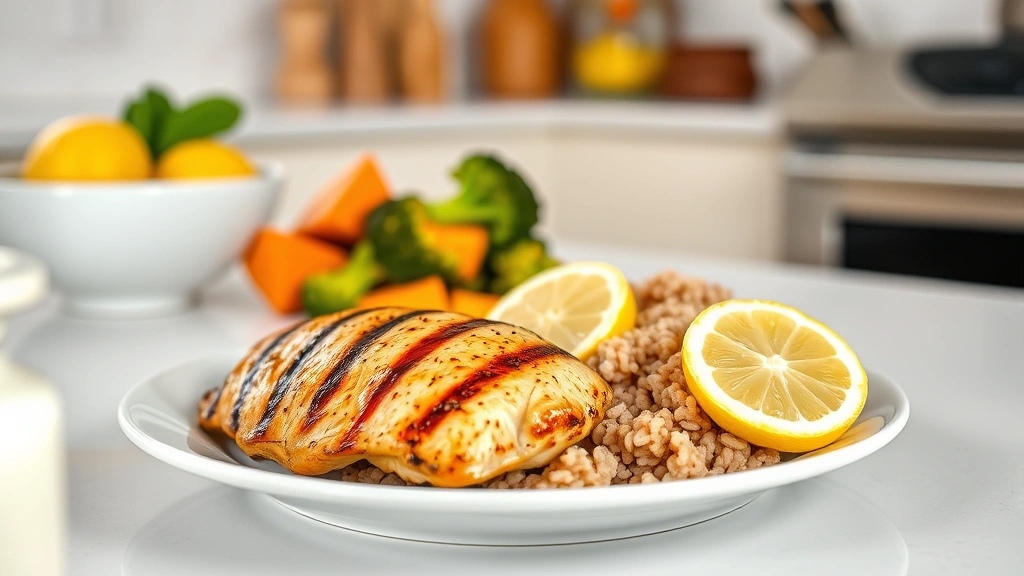
Cordova Weight Loss Tips: Local Expert Insights from Memphis TN
Living in Cordova, Tennessee, residents face unique challenges when pursuing weight loss goals. The Memphis metropolitan area offers abundant dining options, from soul food restaurants to modern health-conscious establishments, making sustainable weight management both accessible and challenging. Whether you’re a longtime Cordova resident or new to the area, understanding how to navigate local resources and implement evidence-based weight loss strategies can transform your health journey.
This comprehensive guide draws on insights from nutrition professionals, behavioral health specialists, and weight loss experts familiar with the Cordova community. We’ll explore practical, science-backed approaches tailored to your lifestyle, local food culture, and fitness opportunities throughout the Memphis area. The strategies outlined here go beyond generic advice—they’re designed to work within the context of living in Shelby County and surrounding communities.
Success with weight loss isn’t about perfection or extreme restriction. Instead, it’s about making informed choices, understanding your personal triggers, and building sustainable habits that fit your daily life in Cordova. Let’s explore the most effective approaches that local experts recommend.
Understanding Weight Loss Fundamentals
Weight loss ultimately depends on creating a calorie deficit—consuming fewer calories than your body expends. However, this physiological reality doesn’t tell the complete story. Hormonal balance, sleep quality, stress management, and the types of foods you consume all significantly influence your ability to lose weight and maintain results long-term.
According to research from the CDC’s obesity prevention programs, sustainable weight loss typically occurs at a rate of 1-2 pounds per week. This moderate pace might seem slow, but it reflects real fat loss rather than water weight or muscle depletion. Residents in the Cordova area working with local healthcare providers should aim for this realistic target rather than crash diet promises.
Understanding your personal metabolic rate helps establish appropriate calorie targets. Factors like age, sex, activity level, and muscle mass all affect how many calories your body burns at rest. Many Cordova fitness centers and healthcare practices offer metabolic testing, providing personalized data to guide your nutrition strategy.
The role of protein in weight loss cannot be overstated. Consuming adequate protein helps preserve muscle mass during weight loss, increases satiety (helping you feel fuller longer), and requires more energy to digest compared to fats or carbohydrates. This is why exploring the best protein shakes for weight loss can be particularly valuable for busy Cordova professionals looking for convenient nutrition solutions.
Nutrition Strategies for Cordova Living
Memphis and Cordova have a rich food culture centered around traditional Southern cuisine. While this heritage is culturally important, many traditional dishes tend to be high in calories, sodium, and added fats. The key isn’t eliminating these foods entirely but rather understanding portion sizes and finding healthier preparation methods.
Building a Sustainable Eating Pattern
Rather than following restrictive diets, successful weight loss in Cordova comes from establishing eating patterns you can maintain indefinitely. This means incorporating foods you genuinely enjoy while making strategic choices that support your goals. Focus on:
- Whole grains instead of refined carbohydrates—they provide more fiber and sustained energy
- Lean proteins including chicken, fish, turkey, and plant-based options
- Abundant vegetables and fruits, which are nutrient-dense and low in calories
- Healthy fats from sources like olive oil, avocados, and nuts in measured portions
- Limiting added sugars and ultra-processed foods that provide calories without nutritional benefit
Many Cordova residents benefit from meal planning strategies that account for their schedule and food preferences. Preparing simple, healthy meals at home gives you control over ingredients and portion sizes, reducing reliance on restaurant meals or processed convenience foods.
Hydration and Beverage Choices
A frequently overlooked aspect of weight loss is beverage consumption. Sugary drinks, sweetened tea, and calorie-dense coffee beverages can easily add 300-500 calories daily without providing satiety. Replacing these with water, unsweetened tea, or black coffee eliminates hidden calories while supporting metabolic function.
Drinking water before meals can help reduce overall calorie intake by promoting feelings of fullness. Aim for at least 8-10 glasses daily, adjusting for exercise and climate. During Memphis’s hot summers, hydration becomes even more critical for both weight loss efforts and overall health.
Exploring Specialized Nutrition Approaches
Some residents in the Cordova area may benefit from specific dietary approaches. Those with polycystic ovary syndrome (PCOS), for example, often struggle with weight loss due to hormonal factors. Understanding the PCOS diet for weight loss can provide targeted strategies for managing this condition while pursuing weight management goals.
Similarly, smoothies for weight loss recipes offer convenient ways to pack nutrition into single servings, particularly valuable for Cordova residents with busy schedules. When prepared with whole fruits, Greek yogurt, and protein powder rather than added sugars and sweetened yogurts, smoothies become powerful tools for supporting weight loss.
Restaurant Navigation in the Memphis Area
Cordova offers numerous dining options, from casual chains to upscale restaurants. Successfully navigating these environments while losing weight requires strategy. Request dressings and sauces on the side, choose grilled preparations over fried, and don’t hesitate to ask for modifications. Many establishments are accommodating when customers explain their dietary preferences.
Local Fitness and Movement Resources
While nutrition forms the foundation of weight loss, physical activity provides tremendous health benefits and supports long-term weight maintenance. The Cordova area offers diverse opportunities for movement, from structured fitness programs to outdoor recreation.
Gym and Fitness Center Options
Several fitness facilities throughout Cordova and Memphis provide comprehensive resources including cardio equipment, strength training, group fitness classes, and professional training. Whether you prefer CrossFit, traditional weightlifting, yoga, or spinning classes, local gyms accommodate various preferences and fitness levels.
Strength training deserves particular emphasis in weight loss programs. Building muscle increases your resting metabolic rate, meaning your body burns more calories even at rest. Resistance training also provides metabolic benefits that outlast the workout itself. Local personal trainers can design programs aligned with your fitness level and weight loss objectives.
Outdoor Activities and Recreation
The Memphis area provides excellent outdoor spaces for physical activity. Parks throughout Cordova offer walking and running paths, providing free, accessible ways to increase daily movement. The Wolf River Greenway offers scenic trails popular with walkers, runners, and cyclists.
Outdoor activities offer advantages beyond calorie burning. Exposure to natural light supports circadian rhythm regulation, which influences sleep quality and hormonal balance—both critical for weight loss. Regular outdoor activity also provides mental health benefits, reducing stress and supporting emotional well-being.
Increasing Daily Movement
Structured exercise represents only one component of physical activity. Increasing daily movement through walking, taking stairs, gardening, or active hobbies contributes significantly to overall energy expenditure. Many Cordova residents find that simply parking farther away, walking during breaks, or engaging in active hobbies adds hundreds of calories to their daily expenditure.
For those with limited time or mobility constraints, weight loss without exercise remains possible through nutrition alone, though combining dietary changes with movement produces superior results for health and long-term weight maintenance.

Behavioral Changes That Work
Sustainable weight loss requires addressing the psychological and behavioral patterns underlying eating habits. Many Cordova residents find that understanding their personal eating triggers—whether stress, boredom, social situations, or emotional states—provides the foundation for lasting change.
Identifying and Managing Triggers
Keep a food journal for 1-2 weeks, noting not just what you eat but when, where, and how you felt. Patterns often emerge revealing that certain situations or emotions prompt eating that’s disconnected from physical hunger. Once identified, you can develop alternative responses—taking a walk during afternoon stress, calling a friend when feeling lonely, or engaging in a hobby when bored.
Mindful Eating Practices
Eating mindfully—paying full attention to the eating experience without distraction—helps regulate portion sizes and increases satisfaction from meals. Avoid eating while working, watching television, or scrolling through phones. Instead, sit down, appreciate your food, and notice hunger and fullness cues. This practice often reveals that you eat less while enjoying food more when eating mindfully.
Building Accountability and Support
Weight loss journeys benefit tremendously from social support. Whether through local weight loss groups, online communities, or working with a health coach, accountability helps maintain motivation during challenging periods. Many Cordova residents find that sharing goals with friends or family increases follow-through.
Looking at weight loss motivation quotes during difficult days can reinvigorate commitment to your goals. However, intrinsic motivation—pursuing weight loss for your own health and well-being rather than external pressure—predicts better long-term success.
Celebrating Non-Scale Victories
The scale doesn’t tell the complete story of progress. Celebrating improvements in energy, mood, clothing fit, athletic performance, or health markers like blood pressure often provides more meaningful motivation than weight numbers alone. Many successful individuals focus on these victories, finding them more sustainable sources of motivation.
Reviewing before and after weight loss pictures can provide visual confirmation of progress, though remember that body composition changes (gaining muscle while losing fat) might not always show on the scale.
Medical Support and Professional Help
While lifestyle changes form the foundation of weight loss, professional medical support can be invaluable, particularly for individuals with significant amounts of weight to lose or underlying health conditions.
Consulting Healthcare Providers
Before starting any weight loss program, consult with your primary care physician, particularly if you have diabetes, heart disease, or take medications affecting appetite or metabolism. Your doctor can identify any medical conditions contributing to weight gain and ensure your weight loss approach is safe and appropriate.
The American Board of Obesity Medicine certifies specialists in weight management. These doctors receive specialized training in the medical aspects of weight loss and can provide expertise beyond general practitioners.
Registered Dietitian Guidance
Registered Dietitian Nutritionists (RDNs) hold credentials from the Academy of Nutrition and Dietetics and have completed rigorous educational requirements. Working with an RDN provides personalized nutrition guidance based on your health status, preferences, and lifestyle. Many insurance plans cover dietitian services, particularly when referred by your physician for weight-related health conditions.
The Academy of Nutrition and Dietetics provides resources for finding qualified nutrition professionals in the Memphis area.
Behavioral Health Support
For many individuals, addressing psychological aspects of eating supports weight loss success. Therapists specializing in cognitive-behavioral therapy (CBT) or dialectical behavior therapy (DBT) help identify and modify unhelpful thought patterns and behaviors contributing to weight gain. This support proves particularly valuable for emotional eating, binge eating, or eating disorders.
Medication Considerations
For some individuals, medications can support weight loss efforts. GLP-1 receptor agonists like semaglutide have shown significant effectiveness in clinical trials. However, these medications work best combined with lifestyle modifications and require ongoing medical supervision. Discuss medication options with your healthcare provider to determine if they’re appropriate for your situation.
Overcoming Common Obstacles
Weight loss journeys rarely proceed without setbacks. Understanding common obstacles and developing strategies to address them increases your likelihood of long-term success.
Plateaus in Weight Loss
After initial rapid progress, weight loss often slows as your body adapts to calorie deficit. This plateau can be frustrating but is completely normal. Strategies to overcome plateaus include varying your exercise routine, reassessing calorie intake as your body composition changes, or consulting with professionals to ensure your approach remains appropriate.
Managing Social Situations and Food Celebrations
Cordova residents navigate numerous social situations involving food—family gatherings, restaurant outings, and celebrations. Rather than viewing these as threats to weight loss, develop strategies: eat a healthy snack beforehand to avoid arriving hungry, choose smaller portions, focus on socializing rather than eating, and enjoy special foods mindfully without guilt.
Dealing with Setbacks and Emotional Eating
Everyone experiences setbacks. Rather than viewing a single indulgent meal or missed workout as failure, recognize it as a single event that doesn’t derail overall progress. The key is returning to your healthy habits at your next meal or workout. Perfectionism often undermines weight loss success; flexibility and self-compassion prove more sustainable.
Maintaining Progress During Life Changes
Life events—job changes, relationship transitions, seasonal changes—often disrupt weight loss momentum. Anticipating these challenges and developing specific strategies helps maintain progress. During busy periods, focus on maintaining rather than losing additional weight, a realistic goal that prevents weight regain.
Managing Hunger and Cravings
Persistent hunger often indicates insufficient protein, fiber, or healthy fats in your diet. Adjusting macronutrient ratios often resolves hunger without increasing calories. For cravings, sometimes satisfaction comes from small amounts of the desired food eaten mindfully rather than complete deprivation.
FAQ
How quickly should I expect to lose weight in Cordova’s healthcare system?
Healthy, sustainable weight loss typically occurs at 1-2 pounds per week. This pace allows for fat loss while preserving muscle mass. Faster weight loss often includes water weight and muscle loss, which isn’t ideal for long-term health. Work with local healthcare providers to establish realistic timelines for your specific situation.
Are there Cordova-specific weight loss programs I should consider?
Many Memphis-area hospitals and healthcare systems offer comprehensive weight loss programs combining nutrition counseling, fitness guidance, and behavioral support. Check with your insurance provider and primary care physician for programs covered by your plan or available through local healthcare facilities.
Can I lose weight without joining a gym?
Absolutely. Weight loss primarily depends on nutrition—creating a calorie deficit through food choices. Exercise provides health benefits and supports weight maintenance, but isn’t required for weight loss. Many Cordova residents successfully lose weight through dietary changes alone, though combining nutrition with movement produces better overall health outcomes.
How do I handle dining out in Cordova restaurants while losing weight?
Request modifications like grilled instead of fried preparations, sauces on the side, and extra vegetables. Many restaurants accommodate these requests. Reviewing menus online beforehand helps you identify healthier options. Eating a nutritious snack before dining prevents arriving overly hungry, which often leads to larger portions.
What’s the role of supplements in weight loss?
Most weight loss supplements lack strong scientific evidence supporting their effectiveness. Focus on nutrition fundamentals—adequate protein, whole foods, appropriate portions—rather than relying on supplements. Discuss any supplements with your healthcare provider, as some interact with medications or may be unsafe for certain health conditions.
How do I stay motivated when progress slows?
Focus on non-scale victories like improved energy, better fitting clothes, or improved health markers. Set process goals (drinking more water, exercising 3x weekly) rather than outcome goals (losing X pounds), which you can control directly. Connect with support systems—friends, family, or communities—for encouragement during challenging periods.


