
Post Menopause Weight Loss? Doctor’s Insights
Menopause marks a significant transition in a woman’s life, and for many, it brings unexpected changes to body composition and weight management. After menopause, hormonal shifts create a new metabolic reality that can make weight loss feel frustratingly difficult, even when diet and exercise remain consistent. Understanding the physiological changes happening in your body is the first step toward reclaiming control of your health and achieving sustainable post menopause weight loss.
Medical professionals increasingly recognize that post-menopausal weight gain isn’t simply a matter of “eating less and moving more.” The dramatic decline in estrogen and progesterone fundamentally alters how your body stores fat, burns calories, and regulates hunger hormones. This comprehensive guide, informed by clinical research and doctor recommendations, explores practical strategies to support healthy weight management during this life stage.
Why Weight Loss Becomes Harder After Menopause
The post-menopausal period typically begins after 12 consecutive months without menstruation, usually around age 50-55. During this time, women often experience weight gain and find that previous weight management strategies no longer work as effectively. Research from the National Heart, Lung, and Blood Institute demonstrates that women gain an average of 1-2 pounds per year during the menopausal transition, with some gaining significantly more.
This isn’t inevitable destiny—it’s biology. The dramatic reduction in estrogen production affects appetite regulation, fat distribution, and metabolic rate. Women’s bodies shift toward storing more fat in the abdominal region, which carries greater health risks than subcutaneous fat. Additionally, the loss of estrogen’s protective effects on muscle tissue means that without intentional strength training, women naturally lose muscle mass during this period, further slowing metabolism.
Understanding that your body has changed helps reframe the challenge. Rather than blaming yourself for weight gain, you can acknowledge the legitimate physiological shifts and adapt your approach accordingly. Many women find that accepting these changes and adjusting their strategy leads to better long-term success than fighting against their body’s new reality.
Hormonal Changes and Metabolism
Estrogen plays a critical role in metabolic regulation. This hormone influences how your body processes glucose, manages insulin sensitivity, and distributes body fat. As estrogen levels plummet during menopause, several metabolic consequences unfold:
- Decreased metabolic rate: Your body burns approximately 100-200 fewer calories daily post-menopause, making the same diet that maintained weight now contribute to gain
- Increased insulin resistance: Declining estrogen reduces your cells’ responsiveness to insulin, promoting fat storage and increasing diabetes risk
- Altered appetite regulation: Estrogen helps regulate leptin and ghrelin (satiety and hunger hormones), so their disruption often increases appetite and cravings
- Reduced thyroid function: Some women experience decreased thyroid activity during menopause, further slowing metabolism
- Fat redistribution: The body preferentially stores fat in the abdomen rather than hips and thighs, increasing visceral fat
Progesterone decline also contributes to metabolic slowdown and mood changes that can affect food choices. Some women experience increased cortisol (stress hormone) production, promoting additional fat storage around the midsection. Understanding these mechanisms helps explain why post-menopausal weight loss requires a different approach than pre-menopausal weight management.
The good news: while you cannot reverse menopause, you can work with these hormonal realities through targeted nutrition, exercise, and lifestyle modifications. Some women find that strategies to improve metabolic rate provide meaningful support during this transition.
Nutrition Strategies for Post-Menopausal Women
Effective nutrition for post-menopausal weight loss differs meaningfully from standard weight loss advice. The following evidence-based strategies address the specific metabolic and hormonal challenges of this life stage:
Prioritize Adequate Protein
Protein becomes increasingly important post-menopause for multiple reasons. First, adequate protein intake supports muscle maintenance, which is essential for preserving metabolic rate. Second, protein has a higher thermic effect (your body burns more calories digesting it), boosting overall calorie expenditure. Third, protein promotes satiety more effectively than carbohydrates or fats, helping control hunger.
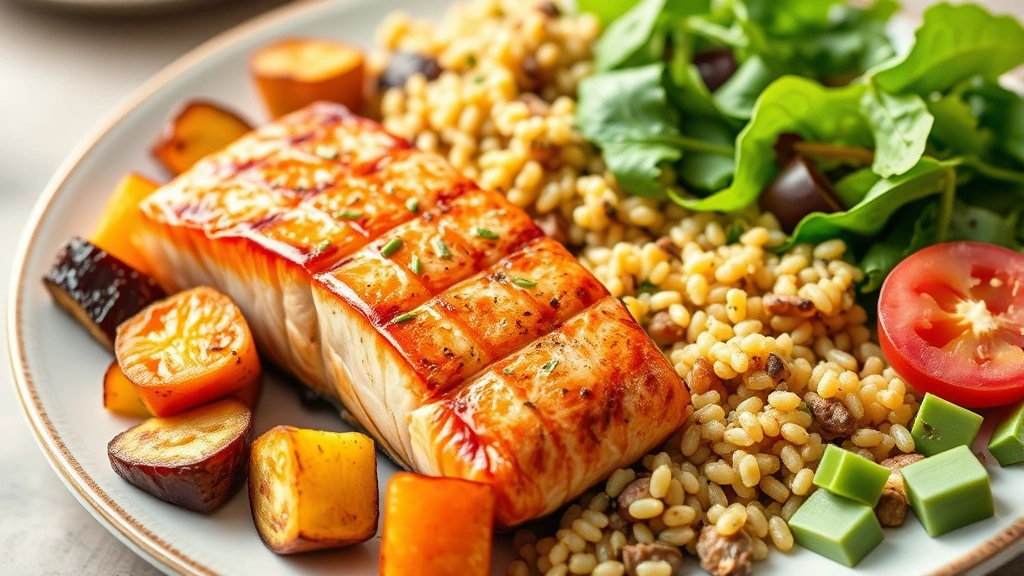
Most registered dietitians recommend 1.2-1.6 grams of protein per kilogram of body weight daily for post-menopausal women, particularly those engaging in strength training. Quality protein sources matter. Research shows that options like salmon for weight loss provide not only protein but also omega-3 fatty acids that reduce inflammation. Similarly, steak can support weight loss when chosen lean and consumed in appropriate portions, providing bioavailable iron and B vitamins that support energy metabolism. Protein bars for weight loss can serve as convenient options for meeting daily targets when whole foods aren’t accessible.
Balance Carbohydrate Intake
Post-menopausal insulin resistance means carbohydrate tolerance often decreases. Rather than eliminating carbs entirely, focus on low-glycemic options that don’t spike blood sugar rapidly. Whole grains, legumes, non-starchy vegetables, and fruits with skin intact provide fiber and nutrients while minimizing insulin spikes. Many women find that reducing refined carbohydrates and added sugars produces noticeable improvements in weight loss, energy, and mood.
Include Healthy Fats
Despite outdated low-fat diet recommendations, healthy fats support hormone production, nutrient absorption, and satiety. Include sources like olive oil, avocados, nuts, seeds, and fatty fish. These foods provide polyphenols and omega-3s that reduce inflammation—a significant factor in post-menopausal weight gain.
Support Bone and Metabolic Health
Calcium and vitamin D become increasingly critical post-menopause due to accelerated bone loss. Some research suggests adequate calcium intake supports metabolic health and weight management. Aim for 1200 mg daily from sources like dairy products, fortified plant milks, leafy greens, and supplements if needed. Vitamin D supports immune function and mood regulation—deficiency is common in post-menopausal women.
Practical meal planning becomes essential. Resources like healthy crockpot recipes for weight loss demonstrate how to prepare nutrient-dense meals that support your goals while fitting into busy schedules.
Exercise and Physical Activity
Exercise takes on heightened importance post-menopause, addressing multiple health concerns simultaneously. A comprehensive approach includes three components:
Strength Training (2-3 times weekly)
Resistance training directly combats the muscle loss inherent to post-menopause. Building and maintaining muscle tissue elevates resting metabolic rate, improves glucose regulation, supports bone density, and enhances functional fitness. Progressive resistance training—gradually increasing weight or resistance—produces superior results compared to light activity. Studies show women who engage in consistent strength training lose more fat and preserve more muscle during weight loss compared to those relying solely on cardio.
Cardiovascular Exercise (150 minutes weekly)
Moderate-intensity aerobic activity supports heart health, calorie expenditure, and metabolic function. Walking, swimming, cycling, and dancing all provide benefits. The key is consistency and choosing activities you genuinely enjoy, as sustainability matters more than intensity alone.
Flexibility and Balance Work
Yoga, Pilates, and tai chi support flexibility, balance, and body awareness—increasingly important as estrogen loss affects joint health and proprioception. These practices also provide stress-reduction benefits, which indirectly supports weight management.
For women seeking professional guidance, programs like the Kaiser weight loss program provide structured approaches combining exercise prescription with nutritional support.
Sleep, Stress, and Recovery
Post-menopausal women often experience sleep disruption due to hot flashes, night sweats, and hormonal changes. Poor sleep directly undermines weight loss efforts by increasing hunger hormones, promoting cravings, and reducing metabolic efficiency. Prioritizing sleep hygiene—maintaining cool bedroom temperature, consistent sleep schedule, limiting screen time before bed—becomes essential.
Stress management similarly impacts weight. Elevated cortisol (the stress hormone) promotes abdominal fat storage and increases appetite, particularly for high-calorie foods. Women who implement stress-reduction practices like meditation, deep breathing, journaling, or regular exercise typically experience better weight loss outcomes and improved overall health markers.
Recovery days matter as much as active days. Adequate rest supports hormonal balance, immune function, and sustainable adherence to healthy habits. Rest days from intense exercise allow muscle recovery and prevent overtraining syndrome, which can paradoxically slow weight loss.
Medical Considerations and Professional Support
Working with healthcare providers who understand post-menopausal physiology significantly improves outcomes. Consider consulting with:
- Registered Dietitian Nutritionists (RDN): These credentialed professionals create personalized nutrition plans addressing your specific metabolic needs, food preferences, and health conditions. The Academy of Nutrition and Dietetics helps locate qualified practitioners.
- Board-Certified Obesity Medicine Specialists: These physicians specialize in weight management and understand the medical complexity of post-menopausal weight loss. The American Society of Bariatric Physicians maintains a provider directory.
- Gynecologists or Women’s Health Specialists: Your regular healthcare provider can monitor for underlying conditions (thyroid dysfunction, PCOS, etc.) that complicate weight loss and discuss hormone therapy options if appropriate.
Hormone replacement therapy (HRT) represents a complex decision. While some research suggests estrogen therapy may support weight management and metabolic health, other studies show minimal effects on weight. The decision requires individualized discussion with your healthcare provider, weighing benefits against risks based on your personal and family health history.
Thyroid function warrants evaluation, as hypothyroidism increases in post-menopausal women and significantly slows metabolism. A simple blood test can identify this treatable condition. Similarly, screening for insulin resistance or type 2 diabetes helps guide nutritional approaches.
Building Sustainable Habits
Successful post-menopausal weight loss depends on sustainable habits rather than restrictive diets. Consider these principles:
Set Realistic Expectations
Weight loss may proceed more slowly post-menopause than during earlier life stages. A rate of 0.5-1 pound weekly represents healthy, sustainable loss. Celebrate non-scale victories: improved energy, better sleep, increased strength, or improved lab values.
Focus on Addition Rather Than Restriction
Rather than focusing on “forbidden” foods, emphasize adding nutritious foods: more vegetables, adequate protein, whole grains, and healthy fats. This positive framing typically produces better adherence than restrictive approaches.
Plan and Prepare
Successful women typically plan meals in advance, shop intentionally, and prepare foods ahead. This reduces reliance on convenience foods and last-minute poor choices driven by hunger and fatigue.
Track Progress Meaningfully
While scale weight matters, also track measurements, how clothes fit, energy levels, and strength improvements. Some women find that building muscle while losing fat results in minimal scale weight change but dramatic body composition improvements.
Build Accountability and Support
Whether through healthcare providers, support groups, or trusted friends, accountability increases adherence. Many women find that sharing goals and progress with others enhances motivation and provides valuable perspective.
Adapt and Adjust
What works initially may require modification as your body adapts. Periodically reassess your approach, adjusting calorie intake, exercise intensity, or nutritional composition based on results and how you feel.
” alt=”Woman in athletic wear doing strength training with dumbbells in bright home gym”>
The journey toward post-menopausal weight loss succeeds through understanding your body’s new reality and working with it rather than against it. Your decreased metabolic rate, altered hormone levels, and changed fat distribution represent legitimate physiological shifts requiring adjusted strategies—not personal failure.
FAQ
At what age does post-menopause weight loss become more difficult?
Weight loss typically becomes more challenging during the menopausal transition (typically ages 45-55) and continues post-menopause. The most significant metabolic changes occur in the first 5-8 years after your final menstrual period, though metabolic challenges persist throughout post-menopausal life.
Can hormone replacement therapy help with post-menopausal weight loss?
Hormone replacement therapy’s effect on weight loss remains debated in medical literature. Some women experience modest metabolic improvements, while others notice no weight-related differences. HRT decisions should be made collaboratively with your healthcare provider based on your complete health picture, not primarily for weight management.
How much protein do I need daily for post-menopausal weight loss?
Most experts recommend 1.2-1.6 grams of protein per kilogram of body weight daily, with higher amounts (1.6-2.0 g/kg) if you’re engaging in regular strength training. For a 150-pound woman, this translates to approximately 80-110 grams daily.
Is it normal to gain weight during menopause despite healthy eating and exercise?
Yes, this is extremely common and reflects legitimate hormonal changes. Many women gain 5-10 pounds despite unchanged lifestyle habits due to decreased estrogen’s metabolic effects. This doesn’t indicate failure; it indicates your body needs adjusted strategies.
How long does post-menopausal weight loss typically take?
Timeline varies significantly based on starting point, adherence, and individual metabolism. Most women pursuing structured approaches see noticeable results within 8-12 weeks, with continued progress over 6-12 months. Remember that slower loss often proves more sustainable than rapid weight loss.
Should I reduce calories significantly for post-menopausal weight loss?
Extreme calorie restriction often backfires post-menopause by triggering metabolic adaptation and muscle loss. A moderate deficit (300-500 calories below maintenance) combined with strength training typically produces better results than severe restriction.
What’s the relationship between sleep and post-menopausal weight loss?
Sleep quality directly impacts hunger hormones, metabolism, and food choices. Post-menopausal sleep disruption from hot flashes and night sweats actively undermines weight loss efforts. Prioritizing sleep hygiene and addressing sleep issues with healthcare providers significantly improves outcomes.
Are there specific foods I should avoid post-menopause?
Rather than “forbidden” foods, focus on minimizing refined carbohydrates, added sugars, and ultra-processed foods, which tend to spike blood sugar and promote fat storage in insulin-resistant post-menopausal bodies. Individual tolerance varies, so work with a dietitian to identify your specific triggers.


