Easy Crockpot Meals for Weight Loss? Chef Approved Recipes That Actually Work
Losing weight doesn’t mean sacrificing delicious, satisfying meals. In fact, one of the most underrated tools in a weight-loss kitchen is the humble crockpot. Unlike restrictive diets that leave you feeling deprived, slow cooker meals allow you to create flavorful, nutrient-dense dishes that support your goals without requiring hours of active cooking time. Whether you’re busy with work, family, or fitness routines like biking for weight loss, crockpot cooking fits seamlessly into a sustainable weight-loss lifestyle.
The beauty of slow cooking lies in its chemistry. Low, moist heat breaks down tough cuts of lean meat, softens vegetables, and allows herbs and spices to infuse deeply into every bite. This means you get restaurant-quality flavor without excess oils, butter, or calorie-dense sauces. Combined with proper portion control and whole-food ingredients, crockpot meals become powerful allies in your weight-loss journey.
In this guide, we’ll explore chef-approved crockpot recipes that deliver both satisfaction and results. You’ll learn why slow cooking works for weight loss, discover practical recipes you can prepare today, and understand how to optimize your crockpot cooking for maximum nutritional benefit.
Why Crockpot Meals Support Weight Loss
Crockpot cooking aligns perfectly with evidence-based weight-loss principles. Research from registered dietitians emphasizes that sustainable weight loss requires meals that are satisfying, convenient, and nutrient-dense. Slow cookers check all three boxes.
First, crockpot meals naturally become lower in calories because you’re not adding excess fats during cooking. Unlike sautéing vegetables in oil or pan-frying meat, slow cooking releases the food’s own moisture, creating tender results without added calories. A study published in Obesity journal found that home-cooked meals prepared with simple methods resulted in significantly greater weight loss compared to restaurant or processed meals.
Second, slow-cooked dishes are typically high in protein and fiber—two nutrients that create satiety. When you feel full longer, you’re less likely to snack or overeat at your next meal. Lean proteins like chicken breast, turkey, and fish become incredibly tender in the crockpot, making them enjoyable without requiring added sauces or seasonings that inflate calorie counts.
Third, meal prep becomes effortless. Throwing ingredients into a crockpot in the morning means dinner is ready when you return home, reducing the temptation to order takeout or grab convenience foods. This consistency in eating patterns supports the metabolic stability necessary for steady weight loss.
Additionally, combining crockpot cooking with complementary activities like resistance training for fat loss creates a comprehensive approach. Proper nutrition from slow-cooked whole foods fuels your workouts and supports muscle recovery.
High-Protein Crockpot Recipes
Protein is the cornerstone of weight-loss nutrition. It preserves lean muscle mass during calorie restriction, boosts metabolism, and dramatically increases satiety. These crockpot recipes deliver 25-40 grams of protein per serving.
Tuscan Herb Chicken Breast
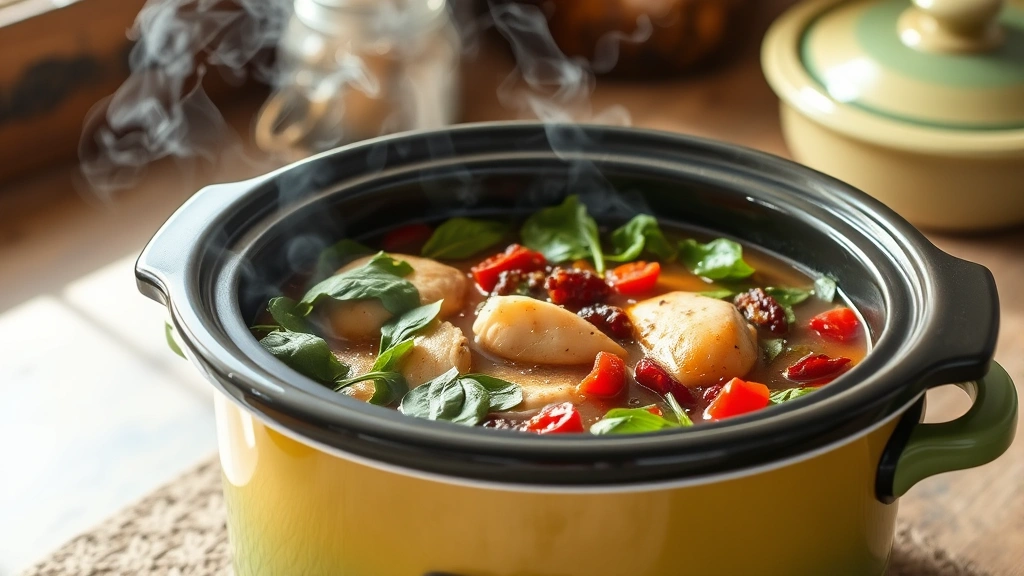
Layer boneless, skinless chicken breasts in your crockpot with low-sodium chicken broth, sun-dried tomatoes, fresh spinach, garlic, and Italian herbs. Cook on low for 6-7 hours. The chicken emerges incredibly tender, and the cooking liquid becomes a light sauce packed with antioxidants from the tomatoes. Serve over cauliflower rice or with roasted broccoli. One serving delivers approximately 35 grams of protein with just 180 calories.
Turkey and Vegetable Chili
Ground turkey breast, kidney beans, diced tomatoes, bell peppers, onions, and chili powder create a warming, filling meal that freezes beautifully. Unlike traditional chili made with ground beef, turkey keeps the fat content minimal while maintaining robust flavor through spice layering. Top with a small amount of Greek yogurt instead of sour cream for additional protein with fewer calories. This recipe yields approximately 28 grams of protein per 1.5-cup serving.
Lemon Garlic Salmon
Salmon is rich in omega-3 fatty acids, which research suggests may support weight loss by improving insulin sensitivity. Layer salmon fillets with lemon slices, garlic, and fresh dill. Add a splash of low-sodium broth. Cook on low for 3-4 hours. Salmon’s natural oils prevent it from drying out, and the crockpot method preserves the delicate texture. One fillet provides 30 grams of protein and heart-healthy fats.
Vegetable-Forward Crockpot Dishes
While protein takes center stage, vegetables provide fiber, micronutrients, and volume without significant calories. These recipes emphasize plant-based ingredients while incorporating moderate amounts of protein.
Minestrone Vegetable Soup
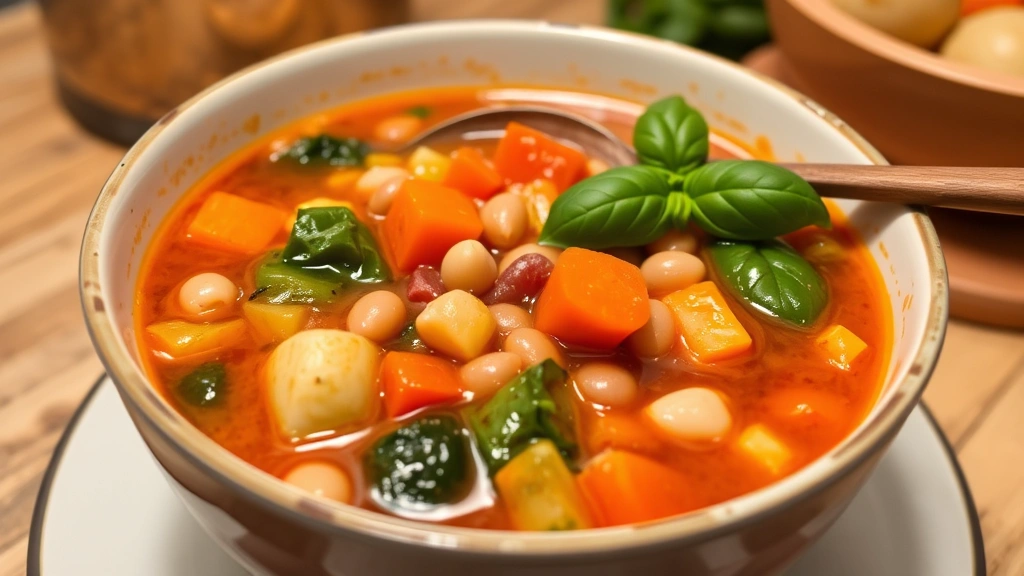
Combine low-sodium vegetable broth, diced tomatoes, zucchini, carrots, celery, spinach, white beans, and whole wheat pasta. Season with Italian herbs, garlic, and black pepper. Cook on low for 7-8 hours. This soup is exceptionally filling—the fiber from vegetables and beans creates lasting fullness. A generous 2-cup serving contains only 150-180 calories but provides 8 grams of fiber and 6 grams of protein.
Ratatouille with Chickpeas
Layer eggplant, zucchini, bell peppers, tomatoes, and chickpeas with garlic and Provençal herbs. The crockpot’s moisture prevents eggplant from becoming mushy while allowing flavors to meld beautifully. Chickpeas add plant-based protein and resistant starch, a type of carbohydrate that may enhance fat loss. Serve as a side dish or over quinoa for a complete meal.
Butternut Squash and Lentil Stew
Cubed butternut squash, red lentils, carrots, onions, and vegetable broth create a naturally sweet, satisfying stew. Lentils are nutritional powerhouses—they’re high in protein and fiber while being very low in calories. One cup provides 18 grams of protein and 15 grams of fiber. This recipe works beautifully for meal prep and freezes excellently.
Portion Control and Meal Prep
Even the healthiest crockpot recipes require mindful portioning. While slow-cooked meals are naturally lower in calories than many alternatives, consuming excessive portions can still exceed your daily targets.
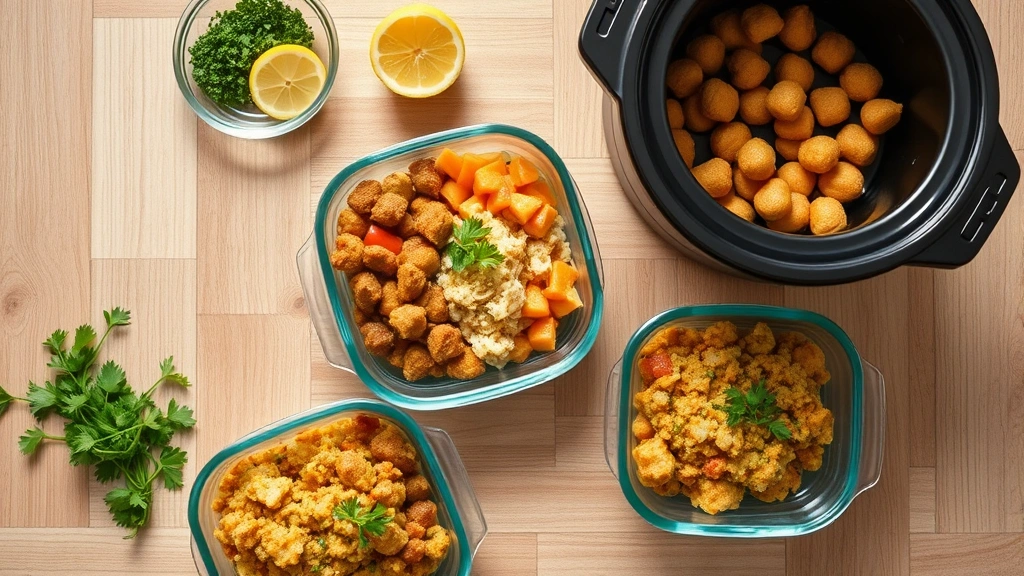
Establish a baseline serving size. Most recipes yield 4-6 servings. Measure your first portion using a food scale or measuring cup. This creates awareness of what a proper serving looks like, making future portions intuitive. Many people underestimate portions by 20-30%, so accurate measurement during the first few meals is worthwhile.
Embrace meal prep containers. Immediately after cooking, portion meals into individual containers and refrigerate or freeze. This removes decision-making when you’re hungry and tired. Research from behavioral psychology shows that pre-portioned meals significantly reduce overeating compared to eating directly from a large pot.
If you’re also using frozen meals for weight loss as part of your strategy, crockpot cooking complements this approach beautifully. You can prepare several crockpot meals on weekends, creating a freezer stocked with home-cooked options that rival commercial frozen meals in convenience while exceeding them in nutrition.
Pair with complementary foods. A crockpot meal should form the centerpiece of a balanced plate. Add a large salad or non-starchy vegetables to increase volume and fiber without adding significant calories. This strategy, supported by CDC nutrition guidelines, helps you feel satisfied on fewer calories.
Chef Tips for Maximum Flavor Without Extra Calories
Professional chefs understand that flavor depth comes from technique and ingredient quality, not from added fats or sugar. These principles apply beautifully to weight-loss cooking.
Brown your proteins first. While optional, briefly searing chicken, turkey, or beef in a non-stick pan before adding to the crockpot develops a flavorful crust through the Maillard reaction. This takes 5 minutes but dramatically enhances the final dish. Use cooking spray to minimize added fat.
Layer flavors strategically. Don’t dump all seasonings in at once. Add hardy herbs (rosemary, thyme, bay leaves) at the beginning, delicate herbs (basil, cilantro, parsley) during the last 30 minutes. This prevents flavors from becoming muted during long cooking times. Garlic and onions provide foundational umami—the savory depth that makes food satisfying.
Use acid to brighten flavors. A squeeze of fresh lemon juice, lime, or splash of vinegar added at the end of cooking instantly makes dishes taste more vibrant and complex. Acid also slows gastric emptying, potentially increasing satiety. This technique requires zero additional calories.
Invest in quality spices. Stale spices taste dull and flat, leading you to add salt or other flavorings to compensate. Fresh spices—replaced every 6-12 months—deliver robust flavor that makes simple meals exciting. Cumin, paprika, garlic powder, and black pepper are weight-loss kitchen staples.
Experiment with broths and stocks. Homemade bone broth or high-quality store-bought low-sodium broth provides collagen and gelatin that create body and richness without fat. Broth-based cooking is central to many cuisines—French, Thai, and Asian cooking traditions all leverage this principle.
For those tracking macronutrients carefully, consider pairing crockpot meals with weight loss shakes as a breakfast option to ensure consistent protein intake throughout the day.
FAQ
Can I lose weight eating crockpot meals every day?
Yes, provided the recipes emphasize whole foods, lean proteins, and vegetables while maintaining appropriate portion sizes. The key isn’t the cooking method—it’s the nutritional composition and total calorie intake. Crockpot cooking simply makes it easier to prepare such meals consistently. Combine this dietary consistency with activities like strength training for weight loss for optimal results.
What’s the best cut of meat for crockpot weight loss cooking?
Lean cuts like chicken breast, turkey breast, pork tenderloin, and lean ground turkey are ideal. These cuts have minimal fat content but become incredibly tender during slow cooking, unlike leaner cuts that might dry out with other cooking methods. A 3-ounce serving of chicken breast contains just 128 calories and 26 grams of protein.
How do I prevent crockpot meals from becoming mushy?
Add vegetables in stages—hardy vegetables like carrots and potatoes early, delicate vegetables like zucchini and spinach during the last hour. Don’t overfill your crockpot; aim for half to three-quarters full. Slightly less liquid than traditional recipes prevents mushiness. Cook on low rather than high when possible, as high heat can break down vegetables excessively.
Can crockpot recipes be frozen?
Absolutely. Most crockpot recipes freeze beautifully for up to three months. Cool completely before freezing, and use freezer-safe containers. Leave about an inch of headspace for expansion. Thaw overnight in the refrigerator before reheating. This creates an incredibly convenient meal-prep system for busy schedules.
How does crockpot cooking compare to other weight-loss meal prep methods?
Crockpot cooking requires minimal active time compared to daily cooking. It preserves more nutrients than high-heat cooking methods. It’s particularly effective for developing tender, flavorful results from lean proteins. When combined with other approaches like tracking your weight loss percentage and maintaining consistent exercise, crockpot meals become part of a comprehensive, sustainable strategy.
What if I don’t have much cooking experience?
Crockpot cooking is genuinely beginner-friendly. The low, moist heat forgives timing mistakes that might ruin dishes with other methods. Start with simple recipes—just meat, broth, and vegetables. As confidence builds, layer in herbs and spices. Recipes rarely fail in crockpots; they simply become more or less tender depending on timing.
Are crockpot meals suitable for people considering weight loss surgery?
This depends on your specific situation and surgeon’s recommendations. If you’re exploring whether weight loss surgery is appropriate for you, take our weight loss surgery qualification quiz. Pre-surgery, crockpot meals support weight loss efforts. Post-surgery, soft, tender crockpot foods often align well with dietary progression, though you should follow your surgical team’s specific guidelines.
The Bottom Line: Sustainable Weight Loss Through Smart Cooking
Crockpot meals represent a practical, sustainable approach to weight loss. They’re convenient, flavorful, forgiving, and naturally align with nutritional principles that support lasting results. By focusing on lean proteins, abundant vegetables, and whole-food ingredients while maintaining appropriate portions, you transform the crockpot from a convenience appliance into a weight-loss tool.
The recipes and strategies outlined here work because they address the real barriers to weight loss—time constraints, food boredom, and the temptation toward convenience foods. When healthy eating becomes easier than unhealthy eating, sustainable weight loss follows naturally.
Start this week. Choose one recipe that appeals to you. Set your crockpot, and let the slow cooking work its magic. As you experience the ease and satisfaction of these meals, you’ll discover that weight loss doesn’t require deprivation—it requires smart planning and delicious food prepared with intention.


