
Are Strawberries Good for Weight Loss? Nutritionist Insights
Strawberries are one of nature’s most delicious fruits, but can they actually support your weight loss journey? The short answer is yes—when incorporated strategically into a balanced eating plan. These vibrant berries pack an impressive nutritional punch with minimal caloric impact, making them a smart choice for anyone looking to shed pounds without sacrificing flavor or satisfaction.
As a nutritionist-backed weight loss resource, we’re diving deep into the science behind strawberries and weight loss. You’ll discover exactly why these berries deserve a place on your plate, how to maximize their fat-loss benefits, and how they fit into different dietary approaches. Whether you’re following a low-carb diet or exploring high-protein eating strategies, strawberries can be your secret weight loss ally.
Nutritional Profile of Strawberries
Understanding what makes strawberries nutritionally valuable is the first step in recognizing their weight loss potential. One cup of fresh strawberries (approximately 152 grams) contains just 49 calories, making them one of the lowest-calorie fruits available. This caloric efficiency is crucial for weight loss, as it allows you to eat satisfying portions without exceeding your daily energy needs.
Beyond calories, strawberries deliver substantial nutritional benefits. A single serving provides:
- Vitamin C: About 150% of the daily recommended value, supporting immune function and collagen synthesis
- Fiber: Approximately 3 grams per cup, essential for digestive health and satiety
- Folate: Critical for cellular function and energy metabolism
- Potassium: Supports heart health and muscle function during weight loss
- Manganese: Involved in bone health and metabolism
- Antioxidants: Including anthocyanins, ellagic acid, and quercetin, which combat inflammation
The macronutrient breakdown is equally impressive for weight loss goals. Strawberries are virtually fat-free (0.4g per cup) and contain negligible protein (1g), but this isn’t a weakness—it’s an opportunity. This is why pairing strawberries with protein-rich foods creates optimal nutrition for fat loss.
Weight Loss Benefits Explained
Research increasingly supports strawberries as a beneficial food for weight management. A study published in the American Journal of Clinical Nutrition found that individuals consuming higher amounts of anthocyanins (the compound giving strawberries their red color) had better weight maintenance over time. These aren’t isolated findings—multiple investigations demonstrate strawberries’ role in metabolic health.
One key advantage is their ability to reduce cravings for sugary foods. While strawberries contain natural sugars (about 7 grams per cup), they’re accompanied by fiber and water that slow digestion and prevent blood sugar spikes. This stabilization is crucial because rapid glucose fluctuations trigger intense cravings and energy crashes that derail weight loss efforts.
The polyphenols in strawberries—particularly anthocyanins—have been shown in peer-reviewed nutrition research to influence fat storage and metabolism. These compounds may help reduce lipogenesis (fat production) and enhance lipolysis (fat breakdown), though human studies are still ongoing.
Fiber Content and Satiety
One of strawberries’ most underrated weight loss superpowers is their fiber content. At 3 grams per cup, this soluble and insoluble fiber combination creates multiple metabolic advantages.
Soluble fiber dissolves in your digestive system, forming a gel-like substance that slows gastric emptying. This means strawberries keep you feeling full longer—a phenomenon called satiety. When you feel satisfied, you naturally eat less throughout the day, creating the caloric deficit necessary for weight loss without constant hunger.
Insoluble fiber feeds beneficial gut bacteria and supports digestive regularity. A healthy microbiome is increasingly recognized as essential for weight management. Research from major medical institutions shows that individuals with diverse gut bacteria have better weight loss outcomes and metabolic flexibility.
The fiber in strawberries also helps stabilize blood glucose levels. This prevents the insulin spikes that promote fat storage and trigger the hunger-fatigue cycle. By maintaining steady energy, you’re more likely to stick with your weight loss plan and have the motivation for resistance training or other physical activity.
Metabolic Advantages
Beyond their direct nutritional content, strawberries offer several metabolic benefits that support weight loss. The high water content (92% water) means you’re getting substantial volume with minimal calories. This volume is psychologically important—our brains register fullness partly through portion size, not just calories.
Strawberries also contain compounds that may enhance fat oxidation. The ellagic acid present in strawberries has demonstrated in laboratory studies the ability to inhibit fat cell growth and promote apoptosis (programmed cell death) in existing fat cells. While human trials are limited, these findings suggest strawberries may have fat-loss properties beyond simple calorie counting.
The vitamin C in strawberries plays a direct role in carnitine synthesis, a molecule essential for transporting fatty acids into mitochondria for energy production. This means adequate vitamin C intake—easily achieved through strawberries—directly supports your body’s ability to burn fat for fuel.
Additionally, strawberries are low on the glycemic index (GI ≈ 40), meaning they cause minimal blood sugar disruption. This is particularly valuable when combined with paleo or whole-food approaches to weight management.
Practical Tips for Weight Loss Success
Knowing strawberries support weight loss is one thing; using them effectively is another. Here are evidence-based strategies for maximizing their benefits:
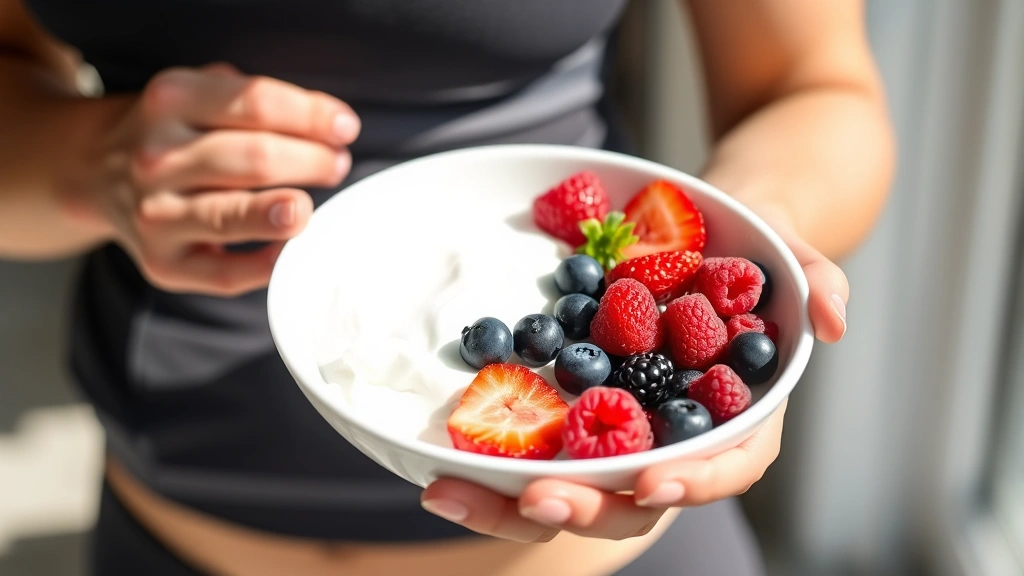
Pair with Protein: Combine strawberries with Greek yogurt, cottage cheese, nuts, or seeds. This pairing increases satiety and prevents the blood sugar spike that isolated fruit can sometimes cause. The protein also supports muscle preservation during weight loss.
Choose Fresh Over Processed: Fresh strawberries are vastly superior to jams, syrups, or sugary frozen preparations. Processing adds unnecessary calories and removes some fiber. If buying frozen, ensure there’s no added sugar—just strawberries.
Time Your Consumption: While strawberries are beneficial anytime, consuming them as part of a balanced breakfast or post-workout snack optimizes their metabolic benefits. The carbohydrates can replenish glycogen, while the antioxidants support recovery.
Portion Control Matters: Though low-calorie, strawberries do contain sugar. One to two cups daily is ideal for most people. This prevents excessive fructose intake while allowing you to enjoy their benefits.
Combine with Hydration: Strawberries’ high water content supports hydration, but they shouldn’t replace plain water. Proper hydration enhances metabolism and helps distinguish true hunger from thirst.
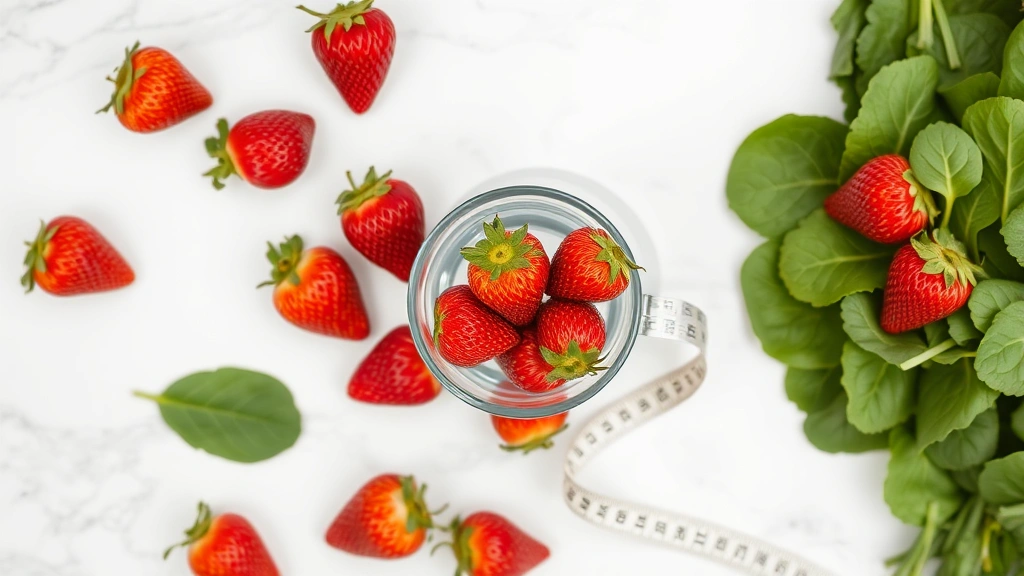
Incorporate into Meals: Rather than treating strawberries as an afterthought, build meals around them. A strawberry spinach salad with grilled chicken becomes a complete, balanced meal supporting weight loss.
Strawberries in Different Diets
Strawberries’ flexibility is remarkable—they fit into virtually every legitimate weight loss dietary approach.
Low-Carb Diets: While strawberries contain carbohydrates (12g per cup), they’re primarily fiber and water. On low-carb eating plans, one cup of strawberries is manageable within most carbohydrate targets, especially when paired with fat or protein.
High-Protein Approaches: Strawberries complement high-protein weight loss strategies beautifully. Combine them with cottage cheese for a snack delivering 20+ grams of protein alongside strawberries’ micronutrients.
Paleo Diets: Strawberries are unquestionably paleo-friendly. They’re whole foods with no processing, making them ideal for paleo weight loss approaches.
Mediterranean Style: In Mediterranean eating patterns, strawberries pair with nuts, whole grains, and olive oil for satisfying, nutrient-dense meals.
Intermittent Fasting: During eating windows, strawberries provide substantial nutrition without excessive calories, supporting satiety during fasting periods.
Calorie Deficit Diets: For straightforward calorie-counting approaches, strawberries’ low caloric density makes them invaluable. You can eat larger portions while maintaining your deficit.
FAQ
How many strawberries can I eat daily while losing weight?
Most nutritionists recommend one to two cups of fresh strawberries daily as part of a balanced diet. This provides approximately 50-100 calories while delivering substantial fiber, vitamins, and antioxidants. Individual needs vary based on total caloric intake and activity level.
Are frozen strawberries as good as fresh for weight loss?
Frozen strawberries without added sugar are nutritionally equivalent to fresh berries. They retain their fiber, antioxidants, and micronutrients. However, avoid varieties with added sugar or syrups. Check labels carefully—pure frozen strawberries contain only strawberries.
Can strawberries cause weight gain?
Strawberries themselves are unlikely to cause weight gain due to their low caloric density. However, strawberry preparations (jams, desserts, smoothies with added sugar) can contribute to weight gain. The fruit itself, eaten in reasonable portions, supports weight loss.
Should I avoid strawberries if I’m diabetic and trying to lose weight?
Strawberries are actually excellent for individuals with diabetes pursuing weight loss. Their low glycemic index and high fiber content minimize blood sugar impact. Always pair them with protein or fat, and monitor individual response. Consult your healthcare provider about appropriate portions.
What’s the best time to eat strawberries for weight loss?
Strawberries are beneficial anytime, but consuming them with breakfast or as a post-workout snack offers particular advantages. At breakfast, they provide sustained energy and satiety. Post-workout, their carbohydrates help replenish glycogen while antioxidants support recovery.
How do strawberries compare to other berries for weight loss?
Blueberries, raspberries, and blackberries are all excellent weight loss foods. Strawberries rank among the lowest in calories (49 per cup) and offer unique anthocyanin profiles. Choose whichever berries you enjoy—variety in fruit consumption provides diverse antioxidant benefits.
Can I have strawberry juice or smoothies for weight loss?
Whole strawberries are superior to juices because fiber is retained and portion control is easier. Smoothies can work if prepared carefully: blend whole strawberries with Greek yogurt, protein powder, and unsweetened almond milk. Avoid adding sweeteners, which negate weight loss benefits. Whole fruit is always the optimal choice.
Do I need to count strawberry calories in my daily intake?
Yes, strawberries contain calories that should be included in your total daily intake if you’re counting calories. However, their high fiber and water content means they’re very filling relative to their caloric contribution, making them an efficient food for weight loss.
Are there any strawberry varieties better for weight loss?
All strawberry varieties offer similar nutritional profiles. Choose the freshest, most flavorful strawberries available to you. Ripe strawberries provide better flavor satisfaction with the same calories, potentially reducing cravings for less healthy foods.
How can I incorporate strawberries into my weight loss meal plan?
Try these approaches: strawberry spinach salads with grilled protein, Greek yogurt parfaits layered with berries and nuts, strawberry-topped oatmeal for breakfast, or simple strawberry salsa with grilled chicken. You can also enjoy them plain as a refreshing snack or dessert alternative.


