
Baked Potatoes for Weight Loss? What Nutritionists Really Say
Baked potatoes have earned a complicated reputation in the weight loss world. Once considered a dietary staple, they’ve been unfairly demonized as carb-heavy villains that derail progress. The truth is far more nuanced. When prepared thoughtfully and portioned appropriately, baked potatoes can absolutely fit into a successful weight loss strategy. This comprehensive guide explores the science behind potatoes, their nutritional profile, and how to leverage them for sustainable fat loss without sacrificing satisfaction or health.
The key misconception stems from how baked potatoes are typically served—laden with butter, sour cream, cheese, and bacon bits. These toppings transform a naturally low-calorie, nutrient-dense vegetable into a calorie bomb that can exceed 400-500 calories per serving. Strip away the extras, and you’re left with a food that possesses remarkable properties for weight management, including exceptional satiety, resistant starch content, and essential micronutrients your body needs during a caloric deficit.

Nutritional Profile of Baked Potatoes
A medium baked potato with skin (approximately 173 grams) contains roughly 103 calories, 2.1 grams of protein, 23 grams of carbohydrates, and 2.1 grams of fiber. This makes it one of the most calorie-efficient carbohydrate sources available. For comparison, the same weight in bread contains nearly double the calories, while delivering less fiber and fewer micronutrients.
The nutritional density of baked potatoes is where they truly shine. They’re rich in vitamin B6, potassium, vitamin C, and manganese—all critical nutrients that become increasingly important during weight loss when food variety may decrease. Potassium, in particular, plays a vital role in regulating blood pressure and supporting heart health, which becomes especially relevant when considering weight loss and blood pressure management.
The skin contains the majority of the fiber and several important phytonutrients, including flavonoids and carotenoids with antioxidant properties. This is why leaving the skin intact is essential—it transforms a good food into a great one nutritionally. The fiber content aids digestive health and helps maintain stable blood sugar levels, preventing the energy crashes that often trigger overeating.
Satiety and Weight Loss Benefits
Perhaps the most compelling reason nutritionists recommend baked potatoes for weight loss is their exceptional satiety index. Research published in the European Journal of Clinical Nutrition ranked boiled potatoes as the most satiating food tested—significantly more filling than whole wheat bread, oatmeal, or even high-protein foods like eggs. This means baked potatoes keep you fuller longer, reducing overall calorie intake throughout the day.
The satiety comes from several mechanisms working synergistically. First, potatoes have a high water content (approximately 79%), which adds volume without calories. Second, the resistant starch (discussed in detail below) activates hunger-suppressing hormones. Third, the combination of fiber and complex carbohydrates creates a steady glucose response, preventing the blood sugar spikes and crashes that trigger cravings.
This satiety advantage makes baked potatoes particularly valuable when you’re managing hunger during a caloric deficit. Unlike processed snacks that provide calories without satisfaction, a baked potato delivers genuine fullness. Many people find they naturally eat less throughout the day when including potatoes in their meals—a phenomenon that supports sustainable weight loss far better than restrictive approaches.
When you’re trying to break through a weight loss plateau, incorporating satisfying foods like potatoes can help maintain adherence to your nutrition plan without increasing calories.
Resistant Starch: The Hidden Advantage
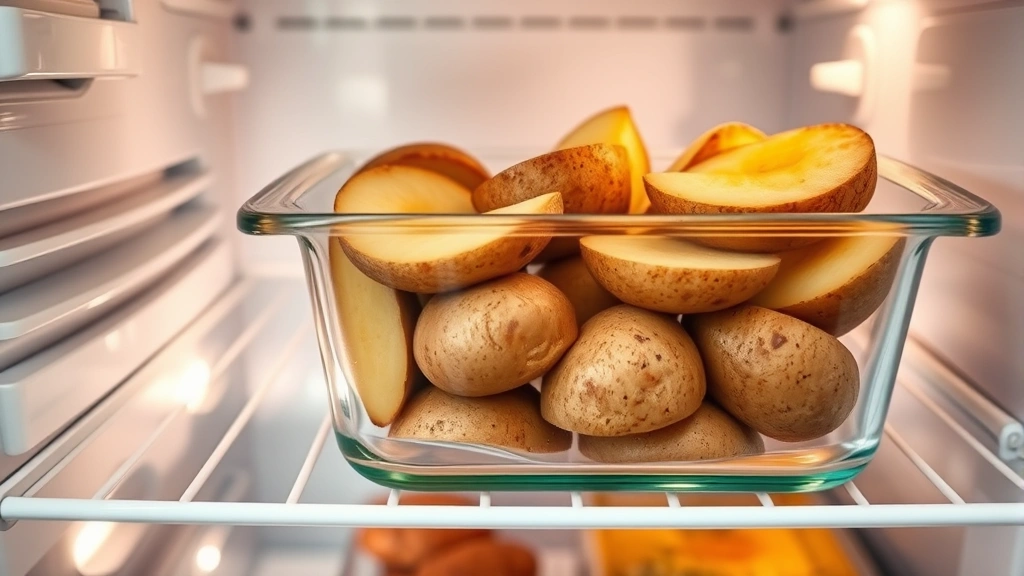
Cooling baked potatoes creates resistant starch, a type of carbohydrate that behaves differently from regular starch in your digestive system. When a cooked potato cools to room temperature, some of its digestible starch converts into resistant starch—a substance that resists digestion in the small intestine and instead ferments in the colon.
This distinction matters profoundly for weight loss. Resistant starch provides approximately 1.5-2 calories per gram compared to regular starch’s 4 calories per gram. This means your body extracts fewer calories from cooled potatoes than from hot ones. Additionally, resistant starch feeds beneficial gut bacteria, producing short-chain fatty acids like butyrate that improve metabolic health and may enhance fat burning.
Research from the National Center for Biotechnology Information indicates that resistant starch improves insulin sensitivity, reduces inflammation, and promotes feelings of fullness. These benefits compound over time, supporting both short-term weight loss and long-term metabolic health. The practical implication is simple: prepare your baked potatoes ahead of time, refrigerate them, and eat them cold or reheated. You’ll get superior weight loss benefits compared to consuming them immediately after cooking.
The prebiotic effect of resistant starch also supports gut health, which emerging research suggests plays a significant role in weight management and overall metabolic function. A healthy microbiome may facilitate easier weight loss and better long-term weight maintenance.
How to Prepare Baked Potatoes for Weight Loss
Preparation method is absolutely critical when using baked potatoes for weight loss. The goal is maximizing nutritional value while minimizing calorie density. Here’s the evidence-based approach:
- Choose the right potato: Medium russet potatoes offer the best balance of resistant starch potential and portion control. Avoid oversized potatoes that can exceed 200+ calories
- Keep the skin intact: Never peel potatoes before baking. The skin contains fiber, potassium, and phytonutrients essential for satiety and nutrition
- Bake at 400°F for 45-50 minutes: This creates a fluffy interior while maintaining nutrient density. Avoid microwaving, which reduces resistant starch formation
- Cool before eating: Allow potatoes to cool to room temperature to maximize resistant starch conversion. Refrigerate for even greater benefits
- Season strategically: Use herbs, spices, salt, and pepper instead of high-calorie toppings. Fresh herbs like rosemary, thyme, and dill add flavor without calories
- Add healthy fats sparingly: A teaspoon of olive oil or a small pat of grass-fed butter adds flavor while keeping calories reasonable (around 40-50 calories)
The transformation from “unhealthy” to “weight loss friendly” happens entirely through preparation choices. The potato itself is inherently supportive of your goals—it’s what we add that determines whether it helps or hinders progress.
Consider preparing baked potatoes in batches on weekends. Store them refrigerated for up to five days, and you have a quick, satisfying side dish ready for any meal. This approach supports meal prep for weight loss success by removing friction from healthy eating.
Portion Control Strategies
Even nutritious foods require portion awareness during weight loss. One medium baked potato (about 173 grams) fits comfortably into most weight loss nutrition plans at approximately 100-110 calories. However, many restaurants and home cooks prepare significantly larger potatoes—sometimes weighing 300+ grams and delivering 250-300 calories before any toppings.
The practical solution is standardizing portion size: Use a kitchen scale initially to understand what a medium potato looks like. Most people underestimate portion sizes, so this one-time calibration pays dividends. Once you’re familiar with appropriate sizes, you can portion visually—aim for a potato roughly the size of your closed fist.
When eating baked potatoes as a meal component (not the entire meal), aim for a medium potato as your carbohydrate portion. Pair it with a substantial protein source and non-starchy vegetables to create a balanced, satisfying meal. This combination approach is far superior to eating potatoes alone, as it optimizes satiety and prevents blood sugar spikes.
If you’re following a specific calorie target, remember that preparation method affects total calories. A plain baked potato is around 103 calories, but adding just two tablespoons of sour cream increases this to 150 calories. One tablespoon of butter adds another 100 calories. Being conscious of these additions is crucial for accurate calorie tracking.
Many people find success with strategic meal timing, sometimes incorporating potatoes at specific times for optimal results. Baked potatoes work particularly well as part of post-workout meals when your body is primed to utilize carbohydrates efficiently.
Combining Potatoes with Protein
The most effective weight loss meals combine baked potatoes with high-quality protein sources. This pairing addresses a key limitation of potatoes alone—they’re relatively low in protein at just 2 grams per medium potato. When you add protein, you significantly enhance satiety and support muscle preservation during fat loss.
Excellent protein pairings with baked potatoes include:
- Grilled chicken breast: 3-4 ounces provides 35-40 grams of protein with minimal added calories
- Lean ground turkey: Creates a satisfying, flavorful meal with excellent protein-to-calorie ratio
- Baked or grilled fish: Salmon and cod offer protein plus omega-3 fatty acids for inflammation management
- Greek yogurt: A surprising but effective topping that adds protein and creaminess without excessive calories
- Legumes: Black beans or lentils layered with potatoes create a complete protein profile for vegetarian approaches
- Cottage cheese: Provides substantial protein and creates a creamy texture superior to traditional sour cream
The protein addition transforms the glycemic response of the meal, slowing carbohydrate absorption and promoting more stable blood sugar throughout several hours post-meal. This stability is crucial for appetite control and energy maintenance during weight loss.
A complete meal might look like: one medium baked potato with skin, 4 ounces grilled chicken breast seasoned with herbs, and a side of steamed broccoli. This combination delivers approximately 250-300 calories with 40+ grams of protein, substantial fiber, and micronutrient density. You’ll feel satisfied for hours—far longer than eating the same calories from processed sources.
Timing and Meal Integration
Strategic meal timing can amplify the weight loss benefits of baked potatoes. Research suggests that carbohydrate timing—consuming carbs when your body most readily utilizes them—supports better body composition outcomes compared to random distribution throughout the day.
Post-workout meals represent an ideal opportunity for baked potatoes. After resistance training or cardio, your muscles are primed to absorb glucose for glycogen replenishment without promoting fat storage. A baked potato with protein becomes a recovery meal that supports performance while fitting seamlessly into weight loss nutrition.
Evening consumption also works well for many people. The carbohydrates in baked potatoes promote serotonin production, potentially improving sleep quality. Better sleep, in turn, supports weight loss by optimizing hunger hormones and reducing cortisol—the stress hormone linked to abdominal fat storage.
When addressing weight loss stalls, strategic carbohydrate timing through meals like baked potatoes can sometimes provide the metabolic reset needed to restart progress. The body adapts to consistent calorie restriction; periodically incorporating satisfying carbohydrate sources signals that food is available, potentially reducing adaptive thermogenesis.
Avoid consuming baked potatoes in isolation as your entire meal. The combination of macronutrients matters—potatoes alone lack sufficient protein and fat for optimal satiety. Always pair with protein and consider adding healthy fats through olive oil, avocado, or nuts for a complete nutritional profile.
The practical approach is treating baked potatoes as a carbohydrate portion within a balanced meal framework. This prevents overeating while maximizing satiety and nutritional completeness. Most successful weight loss plans include some form of starchy carbohydrate; baked potatoes are among the most nutritious and satiating options available.
FAQ
Are baked potatoes better than sweet potatoes for weight loss?
Both work well, but they have different advantages. Regular baked potatoes are slightly lower in calories (103 vs. 103 for sweet potato per medium serving) and slightly higher in resistant starch when cooled. Sweet potatoes offer more beta-carotene and slightly more fiber. Choose based on preference—consistency matters more than this minor difference. The key is preparation method and portion control.
Can I eat baked potatoes every day while losing weight?
Yes, absolutely. Baked potatoes are nutrient-dense and low in calories, making them suitable for daily consumption. Variety matters for overall nutrition, but there’s nothing inherently problematic about eating potatoes daily. Many cultures consume potatoes as a dietary staple with excellent health outcomes. Focus on overall calorie balance and dietary diversity rather than eliminating any single whole food.
What’s the best topping for weight loss?
Skip traditional high-calorie toppings like butter, sour cream, and cheese. Instead, use herbs, spices, mustard, hot sauce, or salsa for flavor without significant calories. If you want creaminess, use a small amount of Greek yogurt or cottage cheese. A light drizzle of olive oil with fresh herbs delivers flavor and satiety for minimal calorie addition.
Does microwaving baked potatoes affect weight loss benefits?
Microwaving produces fewer resistant starch benefits compared to oven-baking, as the cooking method affects starch structure differently. Oven-baking at 400°F for 45-50 minutes followed by cooling is optimal. If you must microwave for convenience, refrigerating afterward still creates some resistant starch conversion, just not as much as traditional baking.
How do baked potatoes compare to other carb sources?
Baked potatoes rank exceptionally high on the satiety index compared to bread, rice, pasta, and processed carbs. They provide more fiber and micronutrients than refined grains while maintaining similar or lower calorie density. For weight loss specifically, potatoes are among the best carbohydrate choices available because they genuinely reduce hunger better than alternatives.
Can I gain weight from eating baked potatoes?
Weight gain or loss depends entirely on total calorie balance. A plain baked potato contains only 100 calories—you cannot gain weight from the potato itself without exceeding your total daily calorie needs. The problem arises when high-calorie toppings transform potatoes into calorie-dense foods. Focus on overall calorie intake rather than fearing any single whole food.


