
Best Beans for Weight Loss? Nutritionist Recommends
Beans are one of nature’s most underrated weight loss powerhouses. Packed with fiber, protein, and essential nutrients, these humble legumes can transform your approach to healthy eating and sustainable weight management. Whether you’re looking to shed pounds or maintain a healthy weight, understanding which beans offer the most significant benefits is crucial for long-term success.
As a nutritionist focused on evidence-based weight loss strategies, I’ve witnessed countless clients achieve their goals by incorporating beans into their daily meals. The science is clear: beans provide satiety, stabilize blood sugar, and support a healthy metabolism—all while being incredibly affordable and versatile. In this comprehensive guide, I’ll break down the best beans for weight loss, explain their nutritional profiles, and show you practical ways to include them in your diet.
The beauty of beans lies in their density of nutrients paired with their low caloric load. A single serving can keep you feeling full for hours, reducing the likelihood of overeating or reaching for unhealthy snacks. Let’s explore which varieties deserve a permanent place in your weight loss kitchen.
Why Beans Are Weight Loss Champions
Beans excel at supporting weight loss for several interconnected reasons. First, they’re exceptionally high in dietary fiber—both soluble and insoluble varieties. Soluble fiber dissolves in water and forms a gel-like substance in your digestive system, slowing gastric emptying and promoting prolonged satiety. This means you feel fuller longer, naturally reducing calorie intake without feeling deprived.
Second, beans contain resistant starch, a type of carbohydrate that behaves more like fiber than traditional starch. Resistant starch feeds beneficial gut bacteria, improving your microbiome and potentially enhancing metabolic health. Studies published in the Journal of Nutrition have shown that increased resistant starch consumption correlates with improved insulin sensitivity and reduced body weight.
Third, beans are protein-rich plant foods that support muscle maintenance during weight loss. Unlike many carbohydrate sources, beans provide substantial protein without excessive calories—typically 15-20 grams per cooked cup depending on the variety. This protein content helps preserve lean muscle mass, which is critical for maintaining metabolic rate as you lose weight.
Additionally, the glycemic index of beans is remarkably low, meaning they don’t spike blood sugar rapidly. Stable blood sugar translates to fewer energy crashes, reduced cravings, and more consistent energy throughout the day. This metabolic stability is essential for long-term adherence to any weight loss plan.
Best Beans for Weight Loss
Black Beans stand as one of the most nutrient-dense options for weight loss. A single cup of cooked black beans contains approximately 227 calories, 15 grams of protein, and 15 grams of fiber. They’re rich in anthocyanins, powerful antioxidants that may help reduce inflammation associated with obesity. Black beans work beautifully in salads, soups, and grain bowls, making them easy to incorporate into varied meals.
Lentils (technically legumes, but nutritionally similar) deserve special mention for their exceptional fiber and protein ratio. Red, green, and brown lentils each offer unique flavor profiles and cooking times. A cup of cooked lentils provides approximately 230 calories, 18 grams of protein, and 16 grams of fiber. Research from the University of Saskatchewan indicates that lentil consumption is associated with modest weight loss even without intentional dietary restriction.
Chickpeas offer versatility and satisfying texture. With 269 calories, 15 grams of protein, and 12 grams of fiber per cooked cup, chickpeas provide excellent nutritional density. They’re particularly valuable because they can be roasted for crunchy snacks, blended into hummus, or added to curries and salads. The combination of protein and healthy fats in chickpeas creates exceptional satiety.
Kidney Beans contain impressive amounts of polyphenols—plant compounds with antioxidant and anti-inflammatory properties. With 225 calories, 15 grams of protein, and 11 grams of fiber per cooked cup, kidney beans are particularly beneficial for blood sugar control. They’re ideal in chili, bean soups, and Mexican-inspired dishes.
Pinto Beans are often overlooked but offer remarkable benefits. Rich in kaempferol, a flavonoid with potential anti-inflammatory properties, pinto beans deliver 245 calories, 15 grams of protein, and 15 grams of fiber per cooked cup. Their creamy texture and mild flavor make them appealing to those new to bean consumption.
Navy Beans are smaller legumes packed with nutrition. With 255 calories, 15 grams of protein, and 19 grams of fiber per cooked cup, navy beans boast the highest fiber content among common bean varieties. This exceptional fiber density makes them particularly effective for promoting satiety and supporting digestive health.
Nutritional Comparison of Top Beans
Understanding the nutritional profiles of different beans helps you choose varieties that best align with your specific weight loss goals. While all beans offer weight loss benefits, subtle differences exist in their micronutrient content and macronutrient ratios.
Black beans excel in antioxidant content, particularly anthocyanins that give them their dark color. These compounds have been studied for potential benefits in reducing inflammation and supporting metabolic health. If you’re interested in comprehensive nutritional support during weight loss, consider pairing black beans with antioxidant-rich beverages to maximize anti-inflammatory benefits.
Lentils stand out for their rapid cooking time (20-30 minutes for most varieties) and exceptional digestibility. They contain compounds called polyphenols that may enhance weight loss by promoting favorable changes in gut bacteria composition. The prebiotic properties of lentils make them particularly valuable for anyone struggling with digestive issues during dietary changes.
Chickpeas provide the highest fat content among beans, primarily from heart-healthy monounsaturated fats. This fat content, combined with their protein and fiber, creates superior satiety compared to lower-fat bean varieties. For individuals who struggle with hunger on restrictive diets, chickpeas may be particularly beneficial.
Kidney beans contain higher levels of iron and magnesium compared to other varieties, making them excellent choices if you’re concerned about nutrient deficiencies during weight loss. The mineral density of kidney beans supports energy production and muscle function, both critical during an active weight loss phase.
Navy beans’ exceptional fiber content makes them the top choice if your primary goal is maximizing satiety. The combination of soluble and insoluble fiber promotes both digestive health and metabolic benefits. If you’re new to beans and experience digestive discomfort, starting with well-cooked navy beans and gradually increasing intake helps your system adapt.
How to Incorporate Beans Into Your Diet
The most effective weight loss strategy is one you’ll actually follow consistently. Therefore, incorporating beans in ways you genuinely enjoy is essential for long-term success. Start by identifying which bean varieties appeal to your palate and experimenting with different preparation methods.
Breakfast Options: Add black beans or chickpeas to omelets, scrambled eggs, or breakfast burritos. You can also blend beans into weight loss smoothies for added protein and fiber. Black bean brownies have become popular—the beans add moisture and nutrition while remaining virtually undetectable in flavor.
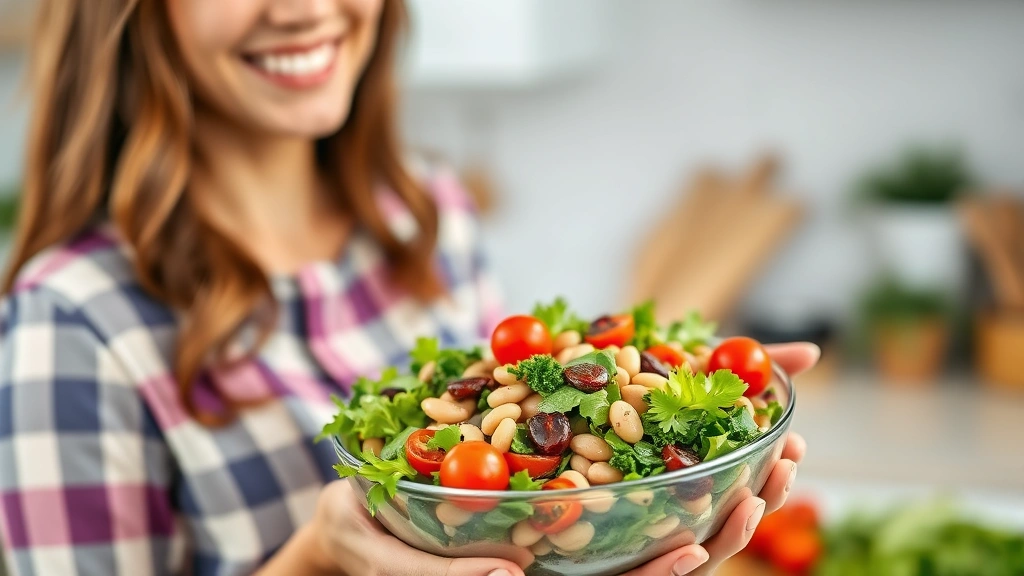
Lunch Ideas: Build hearty salads with mixed greens, chickpeas or kidney beans, vegetables, and vinaigrette dressing. Bean-based soups make excellent lunch options, particularly when made with bone broth for additional protein and collagen. Burrito bowls with beans, brown rice, vegetables, and avocado provide satisfying, nutrient-dense meals.
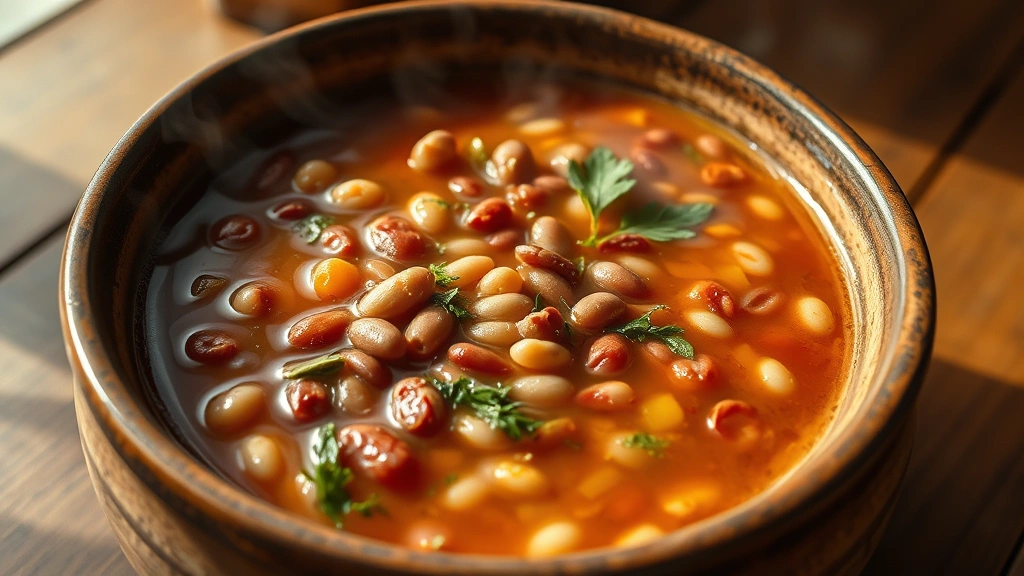
Dinner Possibilities: Create vegetarian chili with kidney beans, black beans, and pinto beans combined with tomatoes and spices. Make bean-based curries with coconut milk and aromatic spices. Prepare bean pastas using legume-based noodles for dramatically increased protein and fiber compared to traditional wheat pasta.
Snacking Strategies: Roast chickpeas with spices for crunchy snacks that satisfy the need for textural variety. Prepare hummus from chickpeas for vegetable dipping. Make bean dips and spreads that provide protein-rich alternatives to calorie-dense snacks.
For those concerned about digestive discomfort, proper preparation is crucial. Always rinse canned beans thoroughly to remove excess sodium and oligosaccharides that can cause gas. If cooking dried beans, soak them overnight and discard the soaking liquid before cooking. Start with smaller portions (½ cup) and gradually increase as your digestive system adapts.
Beans and Satiety: The Science
The weight loss benefits of beans extend far beyond their caloric content. Research published in the American Journal of Clinical Nutrition demonstrates that legume consumption is associated with significant improvements in satiety compared to other carbohydrate sources. This occurs through multiple mechanisms operating simultaneously.
The soluble fiber in beans dissolves in your stomach, creating a viscous gel that slows digestion and nutrient absorption. This extended digestion period means blood glucose rises gradually, preventing the energy crashes that trigger hunger and cravings. The sustained energy translates to better adherence to calorie-controlled eating patterns.
Beans also trigger greater release of cholecystokinin (CCK), a hormone that signals fullness to your brain. Studies comparing bean consumption to equivalent calories from other sources consistently show that beans produce superior satiety signals, resulting in spontaneous calorie reduction without conscious restriction.
The resistant starch content of beans undergoes fermentation in your colon, producing short-chain fatty acids (SCFAs) like butyrate. These SCFAs provide additional satiety signals and may improve insulin sensitivity. Over weeks of consistent bean consumption, the beneficial bacteria in your gut increase, further enhancing metabolic benefits.
For individuals interested in pharmaceutical weight loss support, beans provide an excellent nutritional foundation. Understanding how medications like Mounjaro work alongside proper nutrition ensures you’re maximizing results through comprehensive lifestyle approaches.
Common Mistakes When Eating Beans
While beans are incredibly beneficial, several common mistakes can limit their weight loss effectiveness or cause unnecessary discomfort.
Adding Too Much Fat: Many traditional bean recipes include substantial amounts of oil, butter, or fatty meats. While some fat is beneficial for nutrient absorption, excessive fat adds calories without proportional satiety benefits. Use cooking methods like steaming, boiling, or light sautéing with minimal oil.
Ignoring Portion Control: Although beans are nutritious, portion sizes matter for weight loss. A typical serving is ½ to 1 cup cooked beans. Consuming multiple cups at once, while still relatively low-calorie, can hinder weight loss progress. Pair beans with non-starchy vegetables and lean proteins for balanced meals.
Neglecting Gradual Introduction: Jumping from minimal bean consumption to large quantities causes bloating, gas, and digestive distress. Introduce beans gradually over 2-3 weeks, allowing your gut microbiota to adapt. Proper preparation (rinsing, soaking) minimizes digestive issues significantly.
Choosing High-Sodium Canned Varieties: Some canned beans contain excessive sodium (up to 500mg per serving). Always rinse canned beans thoroughly or choose low-sodium options. Better yet, cook dried beans yourself to control sodium content completely.
Pairing Beans with Refined Carbohydrates: Combining beans with white bread, sugary sauces, or processed sides negates many benefits. Pair beans with whole grains, non-starchy vegetables, and herbs for optimal nutritional synergy.
Forgetting About Hydration: The fiber in beans requires adequate water to function optimally. Insufficient hydration can cause constipation rather than the digestive benefits you’re seeking. Ensure you’re drinking adequate water, particularly when increasing water intake for weight loss simultaneously with increasing fiber consumption.
FAQ
How many beans should I eat daily for weight loss?
Aim for ½ to 1 cup of cooked beans daily as part of your overall dietary pattern. This provides approximately 110-230 calories while delivering 7.5-20 grams of protein and 7.5-19 grams of fiber. If you’re new to beans, start with ½ cup and gradually increase over several weeks to allow your digestive system to adapt.
Are canned beans as nutritious as dried beans?
Canned beans retain most nutritional benefits of dried beans, though some water-soluble vitamins may be reduced slightly during processing. The primary concern with canned beans is sodium content. Always rinse canned beans thoroughly or choose low-sodium varieties. From a practical standpoint, the superior convenience of canned beans often leads to better adherence, making them an excellent choice despite minor nutrient differences.
Can I eat beans if I have a sensitive digestive system?
Yes, with proper preparation. Soak dried beans overnight and discard soaking liquid before cooking. Rinse canned beans thoroughly. Cook beans until very soft for easier digestion. Start with small portions (¼ cup) and gradually increase. Consider easier-to-digest varieties like lentils and split peas initially. If digestive issues persist, consult a healthcare provider to rule out underlying conditions.
Which beans have the lowest carbohydrate content?
All beans contain primarily carbohydrates, but pinto beans and black beans have slightly lower net carbs when accounting for fiber. A cup of cooked black beans contains approximately 40 grams total carbohydrates with 15 grams fiber, yielding 25 grams net carbs. For very low-carb approaches, beans may not be ideal, but their overall nutritional density makes them valuable for most weight loss strategies.
Do beans interfere with weight loss medications?
Beans don’t directly interfere with weight loss medications, though their high fiber content may slightly reduce absorption of some medications. Separate bean consumption from medications by at least 2 hours if you’re concerned. Consult your healthcare provider about your specific medications. Beans actually complement medical weight loss approaches by providing satiety support and metabolic benefits.
How long does it take to see weight loss results from eating beans?
Most people notice increased satiety and reduced hunger within days of adding beans to their diet. However, measurable weight loss typically becomes apparent within 2-4 weeks of consistent consumption combined with overall calorie-appropriate eating. Results vary based on starting point, overall dietary pattern, activity level, and individual metabolism. Patience and consistency matter more than rapid results.
Can I lose weight eating only beans?
While beans are nutritious, eating only beans would create nutritional deficiencies in essential amino acids, vitamin B12, vitamin D, and other nutrients. Weight loss requires a balanced approach with varied whole foods. Beans should comprise one component of a comprehensive eating pattern including vegetables, fruits, whole grains, lean proteins, and healthy fats. Consult a registered dietitian for personalized guidance.


