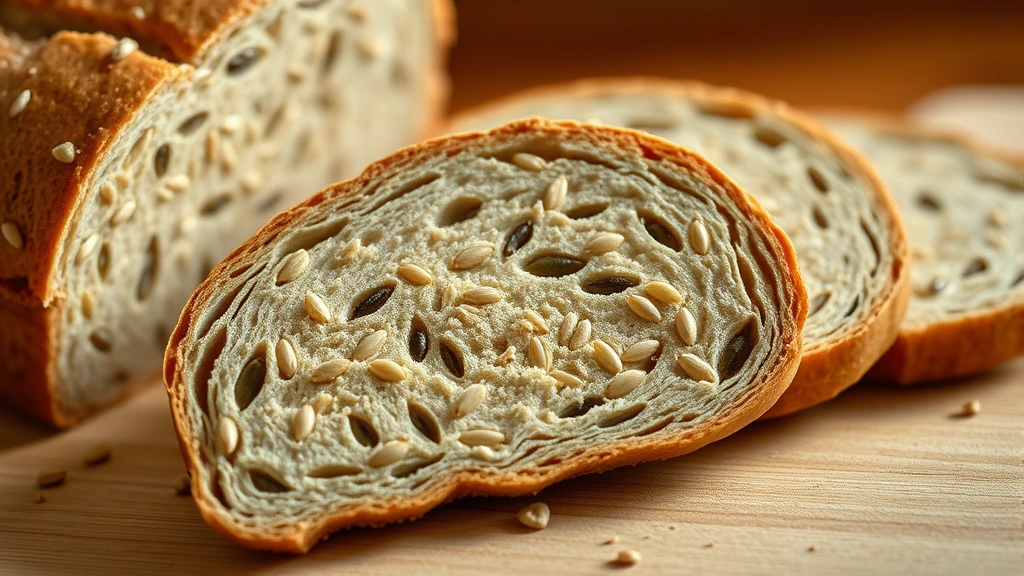
Top Breads for Weight Loss? Nutritionist Picks
Bread has long been labeled the enemy in weight loss conversations, but the truth is more nuanced. Not all breads are created equal, and some can actually support your weight loss goals when chosen strategically. As a registered dietitian nutritionist, I’ve worked with hundreds of clients who thought they had to eliminate bread entirely to lose weight—only to discover that the right bread choices can be part of a sustainable, enjoyable eating plan.
The key lies in understanding which breads offer maximum satiety, minimal blood sugar spikes, and genuine nutritional value. In this comprehensive guide, I’ll share the specific breads that nutritionists recommend for weight loss, explain why they work, and show you how to incorporate them into your daily routine without derailing your progress.
Whether you’re just starting your weight loss journey or looking to optimize your current approach, choosing the best breads for weight loss can make the difference between a diet you can stick with and one that leaves you feeling deprived. Let’s explore the science-backed options that actually deliver results.

Why Bread Matters in Weight Loss
Many people assume that eliminating bread is necessary for successful weight loss, but research tells a different story. A study published in the American Journal of Clinical Nutrition found that whole grain consumption was associated with lower body weight and reduced waist circumference. The problem isn’t bread itself—it’s the type of bread and portion size that matters.
When you eat refined white bread, your body rapidly absorbs the carbohydrates, causing blood sugar spikes that lead to insulin surges. This metabolic response can increase hunger and cravings within hours, making it harder to maintain a calorie deficit. Conversely, high-fiber breads digest more slowly, keeping you satisfied longer and stabilizing blood sugar levels.
The psychological aspect is equally important. Complete food restriction often backfires, leading to binge eating and diet abandonment. By choosing nutrient-dense breads you genuinely enjoy, you create a sustainable eating pattern rather than a temporary restriction.
Whole Grain Bread Benefits
Whole grain bread stands as the gold standard for weight loss because it retains the entire grain kernel—bran, germ, and endosperm. This means you get maximum fiber, vitamins, and minerals compared to refined versions. The fiber content is particularly crucial for weight management.
A single slice of quality whole grain bread typically contains 3-5 grams of fiber, which contributes to your daily target of 25-35 grams. Fiber slows gastric emptying, meaning food stays in your stomach longer, promoting satiety and reducing overall calorie intake. Research from the Academy of Nutrition and Dietetics demonstrates that high-fiber diets consistently support weight loss success.
Look for breads labeled “100% whole wheat” or “100% whole grain” rather than “made with whole grains,” which indicates the product contains some whole grain but also refined flour. Check the ingredient list—whole wheat should be the first ingredient. Aim for at least 3 grams of fiber per slice and no more than 100-120 calories per slice.
Key benefits include:
- Enhanced satiety lasting 2-3 hours
- Improved digestive health
- Better blood sugar control
- Increased micronutrient intake
- Support for healthy weight maintenance
If you’re combining bread with other weight loss strategies, whole grain options pair well with approaches like smoothie recipes for weight loss or best protein shakes for weight loss female as part of a balanced breakfast.
Sprouted Grain Breads
Sprouted grain breads represent a next-level option for health-conscious weight loss. When grains are sprouted, they’re allowed to germinate slightly, which activates enzymes and increases nutrient bioavailability. This process reduces phytic acid, an antinutrient that can inhibit mineral absorption.
Sprouted breads typically contain 30% more fiber than non-sprouted whole grain breads and have a lower glycemic index, meaning they cause slower, more gradual blood sugar rises. Studies show sprouted grains may also increase resistant starch content, a type of carbohydrate that behaves more like fiber in your digestive system.
Brands like Ezekiel bread have built their reputation on sprouted grain formulas. These breads are denser and more nutrient-concentrated than standard whole grain options, so you often feel satisfied with a smaller portion. Many people find they can eat one slice of sprouted bread with greater satiety than two slices of conventional whole wheat.
Nutritional advantages:
- Higher protein content (often 5-6 grams per slice)
- More bioavailable minerals
- Lower glycemic response
- Enhanced fiber quality
- Better for blood sugar management
If you’re interested in understanding how different foods affect your weight loss journey, exploring information about does anxiety cause weight loss can help you identify whether stress-related eating patterns might be interfering with your bread and nutrition choices.
Sourdough and Fermented Options
Sourdough bread undergoes a slow fermentation process using wild yeast and bacteria, which fundamentally changes its nutritional profile. This fermentation breaks down gluten partially, reduces phytic acid significantly, and creates lactic acid that further lowers the bread’s glycemic index.
The beauty of sourdough for weight loss lies in its metabolic effects. The fermentation process increases the bread’s resistant starch content, meaning a portion of its carbohydrates resist digestion in the small intestine and pass to the colon. There, they feed beneficial bacteria and behave metabolically like fiber rather than simple carbohydrates.
Research published in the Journal of Nutrition and Metabolism shows that sourdough consumption produces a significantly lower postprandial glucose response compared to regular bread. This means more stable blood sugar, less insulin surge, and reduced hunger spikes—all critical for weight loss success.
When shopping for sourdough, look for authentic versions made with long fermentation times (24+ hours) rather than commercial “sourdough-flavored” breads that use additives to mimic the taste. True sourdough contains only three ingredients: flour, water, and salt, with fermentation doing the work.
Why sourdough works for weight loss:
- Lower glycemic index than conventional bread
- Increased resistant starch
- Improved mineral absorption
- Better digestive tolerance
- Enhanced satiety response
Low-Carb and Keto Breads
For those following GLP-1 weight loss non-diabetic protocols or strict low-carb approaches, specialized breads have emerged to fill the bread-shaped void. These products use alternative flours like almond flour, coconut flour, psyllium husk, or monk fruit sweeteners to achieve bread-like texture with minimal carbohydrate impact.
Low-carb breads typically contain 2-6 grams of net carbs per slice compared to 12-15 grams in regular bread. They’re significantly higher in protein and fat, which enhance satiety substantially. However, it’s important to distinguish between genuinely satisfying low-carb options and those that taste like cardboard.
The most successful low-carb breads combine multiple flour types. Pure almond flour breads can be dry; pure coconut flour breads may be dense. Quality products blend flours strategically, add psyllium husk for fiber and texture, and incorporate adequate fat for moisture and satisfaction.
One consideration: some people find low-carb bread substitutes don’t fully satisfy their psychological need for traditional bread. If you’re someone who loves bread’s texture and taste, you might find more success with sprouted or sourdough options rather than forcing yourself to adapt to alternative flour versions.
Best low-carb bread characteristics:
- Net carbs under 5 grams per slice
- Protein content above 4 grams
- Fiber above 3 grams
- Minimal sugar alcohols (can cause digestive upset)
- Reasonable taste and texture
Protein-Enriched Breads
Manufacturers have responded to weight loss demand by creating breads fortified with additional protein from sources like whey, pea protein, or soy. These options can contain 6-10 grams of protein per slice compared to 3-4 grams in standard whole grain bread.
The protein boost is significant because protein has the highest thermic effect of all macronutrients—your body burns 20-30% of protein calories just digesting it. Additionally, protein is the most satiating macronutrient, meaning a higher-protein bread keeps you full longer than the same calories from carbs or fat alone.
A study from the Centers for Disease Control and Prevention found that increasing protein intake by just 5% of total calories led to meaningful weight loss over time. Protein-enriched breads make this shift practical and convenient.
When evaluating protein bread, check that added protein comes from whole food sources rather than synthetic additives. Look for breads using whey protein isolate, pea protein concentrate, or sprouted grain protein rather than hydrolyzed proteins, which are more highly processed.
How to Choose and Portion
Selecting the best breads for weight loss requires reading nutrition labels strategically. Here’s what to prioritize:
Nutrition label priorities:
- Fiber content: Minimum 3 grams per slice; aim for 4-5 grams if available
- Protein content: At least 3 grams, preferably 4-6 grams
- Calorie density: 80-120 calories per slice is ideal
- Sugar content: Less than 2 grams per slice; avoid breads with added sugars
- Ingredient list: Whole grain as the first ingredient; no high fructose corn syrup or hydrogenated oils
Portion control remains essential, even with optimal bread choices. A standard serving is one slice, which provides roughly 80-120 calories and 3-5 grams of fiber. Two slices can be appropriate for breakfast if balanced with protein and vegetables, but mindless bread consumption undermines weight loss regardless of bread quality.
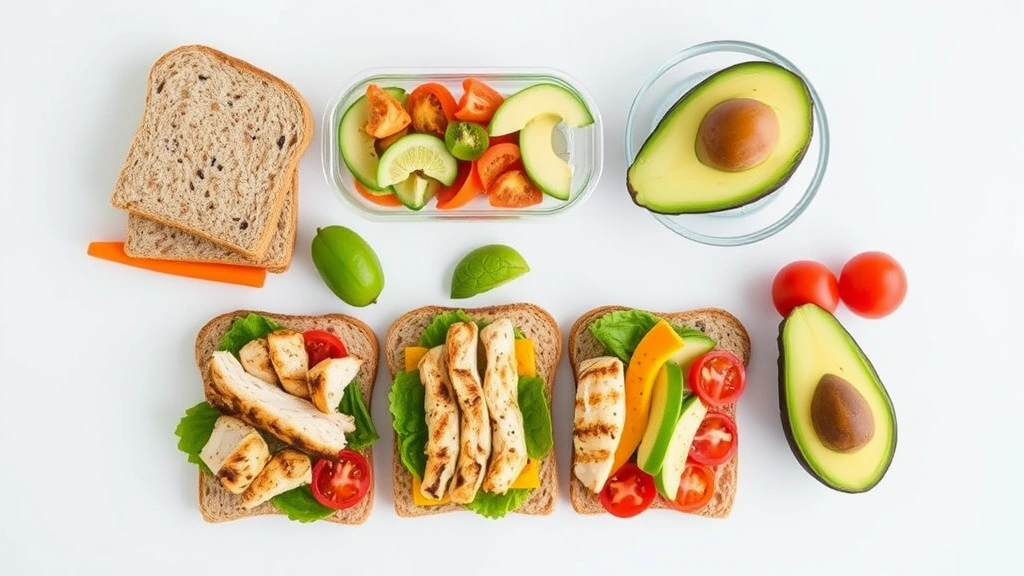
Consider using bread strategically. Rather than eating bread with every meal, reserve it for specific meals where it adds genuine satisfaction. A sandwich with quality whole grain bread, lean protein, and vegetables creates a complete, satisfying meal. Toast with avocado and egg makes a nutrient-dense breakfast. But eating bread as a filler or snack doesn’t serve your weight loss goals.
Storage matters too. Whole grain and sprouted breads contain fewer preservatives than refined versions, so they mold faster. Freezing bread preserves quality and prevents waste. Simply toast slices directly from the freezer for convenience.
Practical Tips for Success
Understanding which breads support weight loss is just the beginning. Successful implementation requires practical strategies that fit your lifestyle.
Purchase strategically: Don’t keep bread on your counter where it’s visible and accessible all day. Store it in the freezer and remove only what you’ll use that day. This simple friction reduces mindless consumption significantly.
Pair bread with protein and healthy fat: Never eat bread alone. Combine it with protein (turkey, eggs, Greek yogurt, nut butter) and healthy fat (olive oil, avocado, nuts) to maximize satiety and minimize blood sugar response. A slice of sprouted bread with almond butter and berries creates a satisfying snack that keeps you full for hours.
Choose bread as your carb source: If you’re eating bread, consider it your primary carbohydrate for that meal rather than adding it on top of rice, pasta, or potatoes. This maintains appropriate calorie intake while allowing you to enjoy bread.
Experiment with brands: Different manufacturers produce vastly different products. What works for your neighbor might not work for you. Try several options to find breads you genuinely enjoy eating, because sustainability matters more than theoretical perfection.
Track bread consumption: If weight loss has plateaued, track bread intake for one week. Many people underestimate bread portions or frequency. Awareness often naturally leads to better choices.
Incorporating healthy crockpot recipes for weight loss into your meal planning alongside strategic bread choices creates a comprehensive, sustainable approach. You might enjoy bread-based meals for lunch while using crockpot recipes for dinner.
Remember that bread is just one component of weight loss success. Consistency with overall calorie intake, physical activity, sleep quality, and stress management all matter tremendously. The best bread for weight loss is one you’ll actually eat as part of a balanced, sustainable eating pattern.
FAQ
Is bread bad for weight loss?
No. Refined white bread can contribute to weight gain due to rapid blood sugar spikes and low satiety, but whole grain, sprouted, and sourdough breads can support weight loss when chosen strategically and portioned appropriately. The type and amount of bread matters far more than bread’s existence in your diet.
How much bread can I eat while losing weight?
Most people can include 1-2 slices of quality bread daily as part of a weight loss plan. This assumes balanced macronutrients and appropriate overall calorie intake. Some people thrive with bread at multiple meals; others do better with bread only occasionally. Listen to your body and track results.
Which bread is lowest in calories?
Most whole grain breads contain 80-100 calories per slice, while sprouted grain breads often run 90-110 calories per slice. Low-carb breads may be 50-80 calories per slice. Calorie density matters less than satiety—a 100-calorie slice of sprouted bread that keeps you full for 3 hours is more weight-loss-friendly than a 50-calorie slice that leaves you hungry an hour later.
Can I eat bread every day while losing weight?
Yes, if you choose appropriate breads and maintain overall calorie balance. Daily bread consumption works well for people who find bread psychologically satisfying and important to their diet. Others do better including bread 3-4 times weekly. There’s no universal rule—find what sustains your weight loss long-term.
What about gluten and weight loss?
Unless you have celiac disease or gluten sensitivity, gluten itself doesn’t impair weight loss. The issue with many gluten-free breads is that they’re often made with refined starches and added sugars to improve texture, making them less weight-loss-friendly than whole grain alternatives. Sourdough fermentation partially breaks down gluten, making it easier to digest for many people regardless of gluten sensitivity.
Are sprouted grain breads really better?
Sprouted grain breads offer genuine nutritional advantages including higher protein, better mineral bioavailability, and lower glycemic index. However, the difference between a high-quality sprouted grain bread and a high-quality whole grain bread is modest. Both support weight loss far better than refined options. Choose based on taste preference and digestive tolerance.
How do I know if a bread is truly whole grain?
Check the ingredient list—whole wheat, whole oats, or whole rye should be the first ingredient. Look for the Whole Grain Council stamp if available. Phrases like “made with whole grains” or “multigrain” don’t guarantee whole grain content. If the ingredient list mentions “wheat flour” or “enriched flour” as primary ingredients, it’s refined bread.


