
Top Breakfast Cereals for Weight Loss? Nutritionist Picks
Breakfast cereals have a complicated relationship with weight loss. While many conventional cereals are loaded with added sugars and refined carbohydrates that can sabotage your goals, not all cereals are created equal. The right cereal choice can actually support a healthy weight loss journey by providing satiety, stable blood sugar levels, and essential nutrients to start your day strong. Understanding which cereals truly deserve a spot in your pantry requires looking beyond marketing claims and examining the nutritional science.
Finding the best breakfast cereal for weight loss means prioritizing whole grains, adequate protein, and minimal added sugars. Many people mistakenly believe they must eliminate breakfast cereals entirely, but strategic choices can make them a valuable part of a balanced eating plan. This guide walks you through the nutritionist-approved options and the specific criteria that make a cereal weight-loss friendly.
What Makes Cereal Weight Loss Friendly?
The foundation of a weight-loss-friendly cereal comes down to four critical nutritional factors. First, protein content should be at least 6-10 grams per serving to promote satiety and prevent mid-morning hunger spikes. Protein takes longer to digest than carbohydrates, meaning you’ll feel fuller longer and be less likely to reach for unhealthy snacks. Second, dietary fiber should exceed 3 grams per serving—ideally closer to 5-8 grams. Fiber aids digestive health, stabilizes blood sugar, and contributes to that crucial feeling of fullness.
Third, added sugars should be kept minimal, ideally under 6 grams per serving. Many mainstream cereals contain 12-15 grams of added sugar per cup, which is nearly a third of the daily recommended limit for adults. This excess sugar triggers insulin spikes, promotes fat storage, and leaves you hungry again within an hour. Fourth, whole grains should be the primary ingredient. Look for terms like “100% whole grain,” “whole wheat,” or “whole oats” listed first on the ingredient panel. Refined grains lack the fiber and nutrients that support weight management.
Understanding these criteria helps you evaluate any cereal in your grocery store. According to the American Heart Association guidelines on added sugars, limiting sugary cereals is essential for overall cardiovascular health—a benefit that extends beyond weight loss alone.
Top Nutritionist Picks for Weight Loss
Kashi Go Lean stands out as a powerhouse option with 10 grams of protein and 10 grams of fiber per 1.5-cup serving. With only 3 grams of added sugar, it provides exceptional satiety without the sugar crash. The combination of whole grains, legumes, and seeds creates a nutrient-dense breakfast that supports sustained energy.
Nature’s Path Organic Heritage Flakes delivers a cleaner ingredient list with 3 grams of protein and 3 grams of fiber per serving, plus just 1 gram of added sugar. While the protein isn’t as high as some alternatives, it’s an excellent option for those sensitive to ingredient counts or seeking a simpler cereal experience. Pairing it with high-protein recipes for weight loss strategies can boost the breakfast’s effectiveness.
All-Bran Original contains an impressive 10 grams of fiber per half-cup serving—more than most other cereals. This exceptional fiber content makes it particularly effective for digestive health and sustained fullness. With 3 grams of protein and 6 grams of added sugar, it requires portion control but offers undeniable benefits for weight management.
One Degree Organic Sprouted Oat Cereal features sprouted grains, which some research suggests offer improved digestibility and nutrient bioavailability. With 5 grams of protein, 4 grams of fiber, and just 4 grams of added sugar per serving, it provides a balanced nutritional profile in a minimally processed package.
Cascadian Farm Organic Honey Granola Clusters (portion-controlled) offers 4 grams of protein and 4 grams of fiber with 5 grams of added sugar. The inclusion of nuts and seeds provides healthy fats that enhance satiety—a strategy supported by research on weight loss without exercise approaches that emphasize nutrient density over calorie restriction alone.
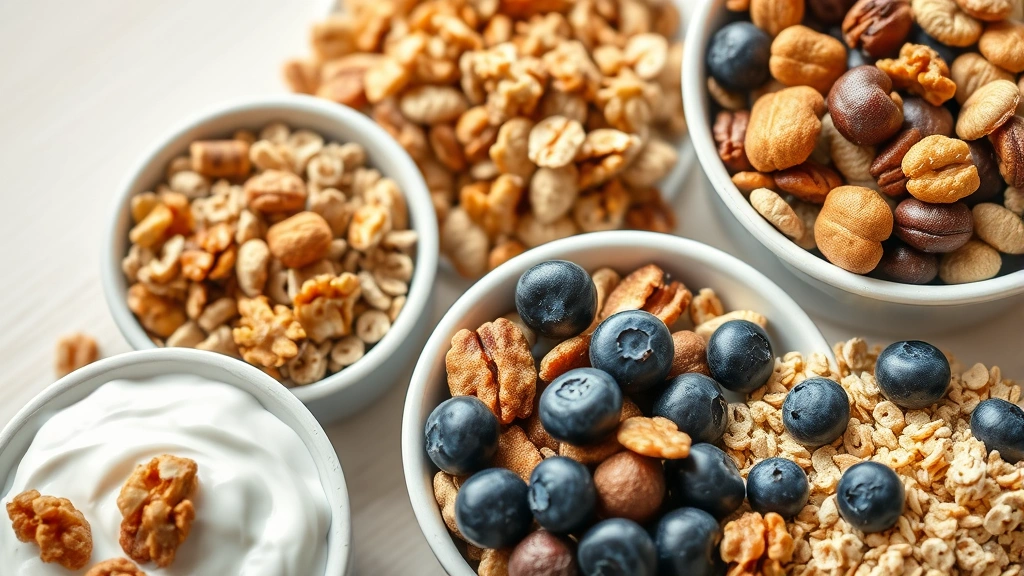
The Protein and Fiber Balance
The synergy between protein and fiber creates the optimal weight-loss breakfast foundation. Protein stimulates the release of peptide YY and GLP-1, hormones that signal fullness to your brain. Fiber provides bulk and slows gastric emptying, meaning food stays in your stomach longer. Together, they create a powerful appetite-suppressing effect that lasts hours.
Research from the National Institutes of Health demonstrates that high-fiber, high-protein breakfasts reduce overall daily calorie intake more effectively than low-protein alternatives. A cereal containing both nutrients addresses a fundamental challenge in weight loss: managing hunger while maintaining a calorie deficit.
When evaluating cereals, aim for a protein-to-fiber ratio of roughly 1:1. A cereal with 8 grams of protein and 8 grams of fiber per serving provides excellent balance. If your chosen cereal falls short on protein, consider adding Greek yogurt or milk to boost the protein content. This simple addition transforms an adequate breakfast into an exceptional one that supports your weight loss goals more effectively.
Why Sugar Content Matters Most
Among all nutritional factors, added sugar may be the most critical consideration for weight loss. Excess sugar consumption is linked to insulin resistance, increased fat storage, and dysregulation of hunger hormones—all enemies of successful weight management. A seemingly innocent bowl of high-sugar cereal can contain as much added sugar as a dessert, setting you up for cravings and energy crashes that sabotage your entire day.
The difference between 3 grams and 12 grams of added sugar per serving is profound. That 9-gram difference equals roughly 35 extra calories and significant metabolic consequences. Over a week, choosing a low-sugar cereal instead of a high-sugar alternative saves approximately 245 calories without requiring any other dietary changes. This demonstrates why cereal selection matters in the broader context of sustainable weight loss.
The CDC recommends limiting added sugars to less than 10% of daily calories, which for a 2,000-calorie diet means roughly 25 grams daily. A single bowl of high-sugar cereal can consume 50% of this limit before you’ve eaten lunch. This reality underscores why selecting cereals with minimal added sugar is non-negotiable for serious weight loss efforts.
Always check the nutrition label for “added sugars” rather than “total sugars.” Naturally occurring sugars in milk and fruit are less metabolically problematic than added sugars. However, minimizing both supports better blood sugar stability and more consistent energy levels throughout your morning.
Portion Control Strategies
Even the best weight-loss cereal can undermine your goals if portion sizes spiral out of control. Most cereal servings are intentionally modest—typically one cup or 1.5 cups—because manufacturers understand that larger portions are unrealistic for most people. However, the average person pours 40-50% more than the listed serving size, effectively doubling the calories, sugar, and carbohydrates consumed.
Invest in a kitchen scale or measuring cup and measure your cereal for the first two weeks. This practice builds awareness of what a proper portion actually looks like, training your eyes and your habits. Many people find that once they’ve practiced proper portions, they can estimate reasonably well without measuring every time.
Another effective strategy involves using smaller bowls. A standard cereal bowl holds approximately 2 cups, but the recommended serving is often 1 to 1.5 cups. Using a smaller bowl creates a visual perception of fullness that can satisfy your appetite more effectively. Pair your measured cereal with milk or plant-based alternatives to add volume and satiety without significantly increasing calories.
Consider timing your cereal consumption strategically. Eating cereal with a source of protein—Greek yogurt, cottage cheese, or milk—slows digestion and extends satiety. This approach transforms cereal from a simple carbohydrate into a balanced meal that supports weight loss more effectively than cereal alone.

Pairing Your Cereal Smart
The milk or liquid you pair with cereal significantly impacts its weight-loss potential. Whole milk adds approximately 150 calories and 8 grams of protein per cup, enhancing satiety. Low-fat milk provides similar protein with fewer calories. Unsweetened almond milk offers just 30 calories per cup with minimal protein, making it useful for calorie-conscious individuals but less satiating. Greek yogurt mixed with cereal creates a protein-rich breakfast that’s exceptionally filling—a strategy aligned with best meal replacement shake principles for weight loss that emphasize protein density.
Fresh fruit additions provide fiber, vitamins, and natural sweetness without the problematic nature of added sugars. Berries are particularly beneficial because they’re lower in calories and higher in fiber than many fruits. A half-cup of blueberries adds just 40 calories and 1 gram of fiber while providing antioxidants and natural sweetness that satisfies cravings.
Nuts and seeds offer healthy fats that enhance satiety and provide micronutrients. One ounce of almonds (approximately 23 nuts) adds about 160 calories but provides exceptional satiety due to fat and protein content. This modest calorie addition often prevents overeating at subsequent meals, making it a net-positive choice for weight management.
Avoid adding sweetened toppings, honey, or sugary syrups to your cereal. If you require additional sweetness, consider stevia, erythritol, or monk fruit—zero-calorie sweeteners that don’t trigger the same metabolic responses as sugar. Some research suggests these alternatives may support weight loss better than their sugar-containing counterparts, though whole food sweetness from fruit remains optimal.
FAQ
Is cereal actually good for weight loss, or should I eliminate it entirely?
Strategic cereal choices can absolutely support weight loss. The key is selecting varieties with adequate protein (6-10g), high fiber (5-8g), and minimal added sugar (under 6g per serving). Elimination isn’t necessary and often leads to unsustainable diets. Inclusion of foods you enjoy—when chosen wisely—promotes long-term adherence to healthy eating patterns. If you’re managing specific health conditions, consult with a registered dietitian about your individual situation.
How much cereal should I eat per serving for weight loss?
Follow the serving size listed on the nutrition label, typically 1 to 1.5 cups depending on the cereal. Measure your portions initially to build accurate awareness. Most people underestimate their cereal consumption by 40-50%, which significantly impacts weight loss results. Pairing your measured cereal with protein-rich milk or yogurt increases satiety without requiring larger portions.
What’s the difference between added sugars and naturally occurring sugars in cereal?
Added sugars are specifically incorporated during manufacturing and represent the primary concern for weight loss. Naturally occurring sugars from whole grains and dried fruit are less problematic because they come packaged with fiber and nutrients. However, minimizing both types supports optimal blood sugar stability. Always check the “added sugars” line on the nutrition label rather than relying on total sugar content.
Can I lose weight eating cereal every day?
Yes, if you choose appropriate cereals and maintain overall calorie balance. Weight loss fundamentally depends on consuming fewer calories than you expend. A well-chosen cereal breakfast can support this goal by providing sustained satiety and stable energy. However, variety in your breakfast choices prevents nutritional gaps and keeps meals interesting. Consider rotating between 2-3 different weight-loss-friendly cereals throughout the week.
Should I choose organic cereal over conventional for weight loss?
Organic certification doesn’t automatically make a cereal better for weight loss. Organic cereals can be just as high in sugar and refined carbohydrates as conventional options. Focus on the nutritional profile—protein, fiber, and added sugar content—rather than organic status. That said, some organic cereals do offer cleaner ingredient lists and whole grain formulations that support weight loss goals. Evaluate each product individually based on nutrition facts rather than marketing labels.
How does cereal compare to other breakfast options for weight loss?
Eggs, Greek yogurt, and smoothies generally provide more protein per calorie than most cereals, offering superior satiety. However, well-chosen cereals can be competitive when paired with protein-rich milk or yogurt. The best breakfast for weight loss is one you’ll eat consistently. If you enjoy cereal and choose high-quality options, it’s absolutely viable. PCOS diet approaches for weight loss often emphasize protein-rich breakfasts, suggesting that individuals with insulin sensitivity may benefit particularly from pairing cereal with substantial protein sources.
Can cereal help with weight loss if I have blood pressure concerns?
Yes, choosing low-sodium cereals and pairing them with heart-healthy additions supports both weight loss and cardiovascular health. Many weight-loss-friendly cereals contain minimal sodium. Whole grain cereals offer additional benefits for blood pressure management. For personalized guidance on combining weight loss with blood pressure management, see our resource on weight loss and blood pressure considerations.


