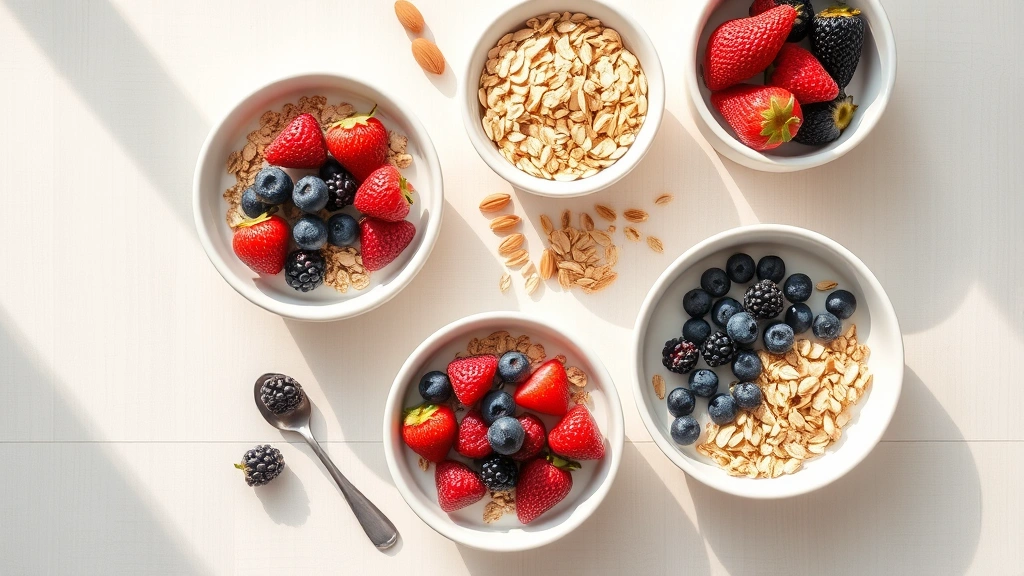
Starting your weight loss journey doesn’t mean giving up breakfast entirely. Many people assume cereals are off-limits when trying to lose weight, but the truth is more nuanced. The best cereals for weight loss are those high in fiber, protein, and nutrients while remaining low in added sugars and calories. Choosing the right cereal can actually support your weight management goals by keeping you fuller longer and stabilizing blood sugar levels throughout the morning.
Breakfast sets the tone for your entire day of eating. When you select a cereal thoughtfully, you’re making an investment in sustained energy, reduced cravings, and better portion control. This guide explores nutritionist-recommended cereals that align with weight loss objectives, helping you make informed choices at the grocery store. Whether you’re following a low carb diet for weight loss or simply trying to reduce daily calorie intake, understanding cereal nutrition labels is essential.
The key to cereal success lies in three factors: ingredient quality, portion size, and pairing strategies. Rather than eliminating this convenient breakfast option, learn which varieties deliver real nutritional value and how to incorporate them into a sustainable eating pattern that supports your health goals.
What Makes a Cereal Weight Loss Friendly
Understanding nutrition labels is your first defense against marketing tricks and hidden sugars. A weight loss friendly cereal should contain fewer than 150 calories per serving, less than 6 grams of sugar, and at least 3 grams of fiber. These parameters ensure you’re getting genuine nutritional value rather than glorified dessert masquerading as breakfast.
Fiber is particularly important for weight management because it slows digestion, promotes fullness, and helps regulate blood sugar. When blood sugar remains stable, you experience fewer cravings and energy crashes that typically lead to overeating. Additionally, fiber supports digestive health and feeds beneficial gut bacteria that researchers increasingly link to metabolic function.
Protein content matters significantly for breakfast cereals. A cereal containing at least 5-6 grams of protein per serving helps preserve lean muscle mass during weight loss and extends the time you feel satisfied. This is why pairing cereal with Greek yogurt or milk becomes a strategic choice rather than just a flavor preference.
Whole grains should appear as the first ingredient on any cereal you’re considering. Refined grains lack the fiber and nutrients of whole grains and cause rapid blood sugar spikes. Look for terms like “whole wheat,” “whole oats,” or “whole grain” listed before any refined grain ingredients.
[IMAGE_1]
Top Nutritionist Recommended Cereals
Registered dietitian nutritionists consistently recommend several cereals that balance taste with nutritional integrity. These selections have been vetted for their ingredient quality, caloric density, and real-world effectiveness in supporting weight management.
Cheerios (Original) remains a nutritionist favorite due to its simplicity and oat base. With 100 calories, 3 grams of fiber, and just 1 gram of sugar per serving, it provides a clean slate for customization. The mild flavor pairs well with berries, nuts, and high-protein milk alternatives.
All-Bran stands out for exceptional fiber content at 10 grams per serving. This wheat bran cereal delivers sustained fullness and supports digestive health. While the taste is less sweet than conventional cereals, many people find the satisfaction factor justifies the adjustment period.
Kashi GoLean combines whole grains with 10 grams of protein and 8 grams of fiber per serving. This makes it one of the most satiating options available, comparable in satisfaction to a high protein diet plan for weight loss in breakfast form. The complex ingredient list reflects genuine nutritional density rather than marketing.
Nature’s Path Organic Heritage Flakes uses sprouted grains and minimal added sugars. Sprouted grains offer enhanced nutrient bioavailability, meaning your body absorbs more of the vitamins and minerals present. This cereal contains 5 grams of fiber and uses stevia rather than refined sugar for sweetness.
Grape-Nuts delivers 7 grams of fiber and 7 grams of protein in just 200 calories. Its dense, crunchy texture means smaller serving sizes feel more satisfying. The slow digestion rate helps prevent mid-morning hunger pangs that derail weight loss efforts.
High Fiber Options for Satiety
Fiber acts as a natural appetite suppressant, expanding in your digestive system and signaling fullness to your brain. Cereals with 5+ grams of fiber per serving create this satiety effect, reducing overall calorie consumption throughout the day. Research published in the American Journal of Clinical Nutrition confirms that high-fiber breakfast eaters consume 200-300 fewer calories daily compared to refined cereal consumers.
Fiber One Original contains an impressive 14 grams of fiber with just 60 calories per serving. While it requires strategic pairing to avoid digestive discomfort from excessive fiber, it’s exceptional for those seeking maximum fullness. Start with smaller portions and gradually increase to allow your digestive system to adapt.
Bob’s Red Mill Gluten Free Organic options provide 5-7 grams of fiber from whole grains without wheat. For individuals managing celiac disease or gluten sensitivity, this expands cereal options while maintaining weight loss nutrition standards.
Wheat Bran Flakes from various manufacturers deliver 5-8 grams of fiber and surprisingly good taste when paired with fruit. The bran component contains the grain’s most nutrient-dense layer, offering vitamins, minerals, and phytonutrients beyond simple fiber content.
The fiber advantage extends beyond immediate fullness. Consistent high-fiber cereal consumption improves insulin sensitivity and reduces inflammation markers linked to weight gain. According to research from the CDC’s Nutrition and Physical Activity Division, dietary fiber intake correlates strongly with healthy weight maintenance across populations.
Protein Packed Cereals
Protein is the most satiating macronutrient, requiring more energy to digest and creating prolonged fullness signals. Cereals containing 6+ grams of protein per serving shift breakfast from a carbohydrate-heavy meal to a balanced macronutrient profile. This becomes especially important if you’re exploring weight loss on keto diet principles or other protein-focused approaches.
Protein-Fortified Cheerios contain 6 grams of protein while maintaining the original’s mild flavor. The added protein comes from whey and soy, making it complete in essential amino acids. This option bridges the gap between conventional cereal and specialized high-protein brands.
Kashi GOLEAN Crunch delivers 12 grams of protein and 9 grams of fiber per serving, creating a breakfast powerhouse. The combination of plant-based proteins and whole grains provides all nine essential amino acids, supporting muscle maintenance during calorie restriction.
Orgain Organic Protein Cereal uses plant-based protein sources including pea, hemp, and flax. With 10 grams of protein and 7 grams of fiber, it appeals to vegetarians and vegans seeking substantial breakfast options. The organic certification ensures absence of synthetic pesticides and GMOs.
Nature’s Way Protein Cereal incorporates whey protein concentrate, delivering 15 grams of protein per serving. While higher in calories than basic cereals (around 200 per serving), the protein density means smaller portions satisfy hunger equivalent to much larger servings of standard cereal.
Protein-enriched cereals work particularly well for individuals with active lifestyles or those experiencing increased hunger during weight loss. The protein supports muscle protein synthesis, preventing the muscle loss that sometimes accompanies calorie restriction. This becomes crucial if you’re considering medical weight loss approaches like weight loss injections, which benefit from preserved lean muscle mass.
How to Maximize Cereal for Weight Loss
Choosing the right cereal is half the battle; preparation strategy determines whether breakfast supports or sabotages your weight loss goals. Several evidence-based techniques transform cereal into an optimal weight loss food.
Portion Control Strategy: Use a measuring cup rather than pouring freely. Most people underestimate cereal portions by 40-60%, consuming significantly more calories than intended. A standard serving (typically 3/4 to 1 cup) provides the nutrition label’s calorie and macronutrient values. Using a smaller bowl creates visual fullness perception that supports satisfaction.
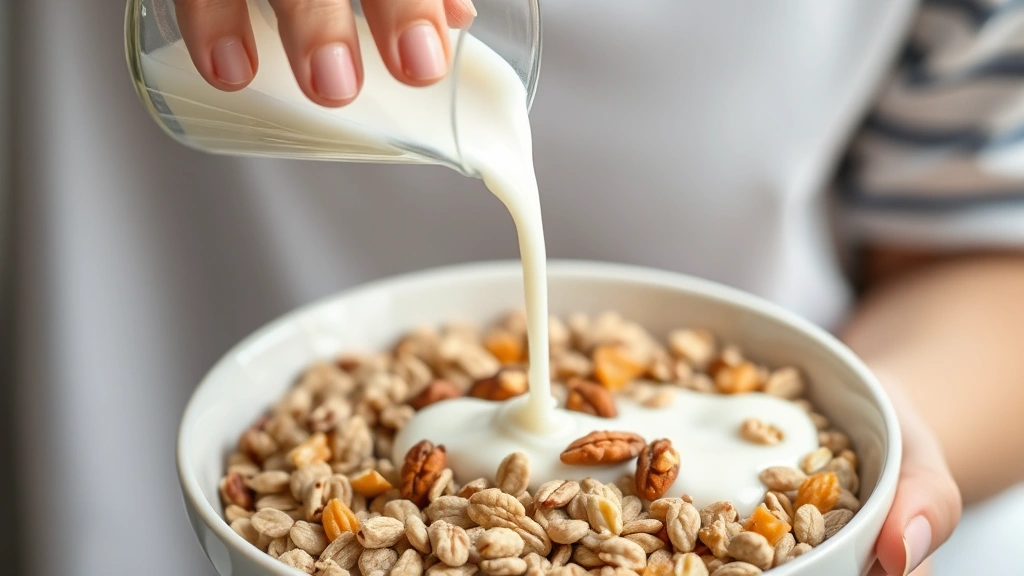
Milk Selection Matters: Swap whole milk for unsweetened almond milk, oat milk, or skim milk to reduce calories while maintaining creaminess. Unsweetened plant-based milks contain 30-40 calories per cup compared to whole milk’s 150 calories. This simple swap saves 120 calories daily, equivalent to 12 pounds of fat loss annually.
Protein Enhancement: Add Greek yogurt, cottage cheese, or protein powder to boost protein content. Two tablespoons of Greek yogurt adds 5 grams of protein and creamy texture without significantly increasing calories. This transforms a 100-calorie cereal bowl into a 150-calorie meal with dramatically improved satiety.
Fruit and Nut Additions: Top cereal with fresh berries and a small handful of almonds or walnuts. Berries add fiber, antioxidants, and natural sweetness (around 40-60 calories per cup), while nuts provide healthy fats that slow digestion. The combination creates a balanced meal with carbohydrates, protein, healthy fats, and fiber.
Timing Considerations: Eat cereal within 30 minutes of waking to establish consistent eating patterns. This stabilizes blood sugar throughout the morning and prevents the hunger escalation that occurs with skipped or delayed breakfasts. Consistent timing also supports circadian rhythm regulation, which influences metabolism and weight management.
Hydration Pairing: Drink a full glass of water before eating cereal. Pre-meal hydration increases fullness perception and prevents thirst-driven overeating. Research shows that hydration status significantly influences appetite regulation and food choice quality.
Cereal Brands Comparison Chart
Understanding how different cereals stack up nutritionally helps guide your selection based on personal priorities and dietary needs:
| Cereal Brand | Calories | Fiber (g) | Protein (g) | Sugar (g) |
|---|---|---|---|---|
| Cheerios Original | 100 | 3 | 3 | 1 |
| All-Bran | 80 | 10 | 4 | 6 |
| Kashi GoLean | 140 | 8 | 10 | 6 |
| Fiber One Original | 60 | 14 | 3 | 0 |
| Grape-Nuts | 200 | 7 | 7 | 3 |
| Nature’s Path Flakes | 120 | 5 | 4 | 3 |
This comparison reveals that no single “best” cereal exists—the optimal choice depends on your priorities. If maximizing fiber is your goal, All-Bran and Fiber One excel. For protein-focused approaches, Kashi GoLean and Grape-Nuts deliver superior values. If you prefer simplicity and versatility, Cheerios provides a foundation for customization.

Frequently Asked Questions
Can I eat cereal every day while losing weight?
Yes, when you choose nutritionally appropriate cereals and maintain proper portions. Daily cereal consumption works for many people because it’s convenient, affordable, and enjoyable—all factors supporting long-term adherence. The key is selecting cereals meeting the fiber, protein, and sugar standards discussed in this guide. Variety remains important though; rotating between different cereals ensures diverse micronutrient intake and prevents taste fatigue.
What’s the ideal serving size for weight loss?
Most nutrition labels list a serving as 3/4 to 1 cup, containing 100-150 calories. For weight loss, measuring exactly one serving prevents unintentional overconsumption. Many people find that adding protein through milk or yogurt allows them to feel satisfied with a slightly smaller cereal portion. Experiment to find your personal satisfaction threshold rather than assuming larger servings are necessary.
Are store-brand cereals as good as name brands?
Store-brand versions of popular cereals often contain identical ingredients and similar nutrition profiles at 20-30% lower cost. Read labels carefully to compare specific nutrition values rather than assuming brand name equals superiority. Many store-brand high-fiber and high-protein options deliver excellent value. Budget-conscious weight loss requires smart shopping, and store brands frequently represent intelligent choices.
Should I avoid all sugar in cereals?
Aim for cereals with less than 6 grams of added sugar per serving, though some naturally occurring sugars from whole grains are acceptable. The distinction between added and natural sugars matters; whole grain cereals contain naturally occurring sugars alongside fiber that slows absorption. Avoid cereals listing sugar as the first or second ingredient, as these prioritize sweetness over nutrition.
How does cereal compare to other breakfast options for weight loss?
Cereal offers convenience advantages over time-intensive breakfast preparations, supporting consistency—crucial for weight loss success. Compared to eggs or oatmeal, cereal provides similar satiety when properly formulated with adequate fiber and protein. The advantage lies in speed and minimal preparation, making cereal sustainable for busy lifestyles. Combining cereal with Greek yogurt or nuts creates a balanced meal comparable to more traditional breakfast options.
Can cereal work with low-carb or keto approaches?
Most traditional cereals are too carbohydrate-heavy for strict low carb diets for weight loss, but specialized keto cereals exist using allulose, monk fruit, and plant-based proteins. These alternatives contain 2-5 grams of net carbs per serving compared to 20-30 grams in standard cereals. If you’re following ketogenic principles, seek cereals specifically formulated for keto rather than attempting to adapt conventional options.
What about granola and muesli for weight loss?
Traditional granola and muesli contain added oils, sweeteners, and dried fruit, making them calorie-dense (often 200-300 calories per serving). While they offer convenience, they’re less ideal for weight loss than measured, high-fiber cereals. Low-sugar granola varieties exist but cost significantly more. For budget-conscious weight loss, conventional high-fiber cereals offer better calorie-to-nutrition ratios.
Key Takeaway: The best cereals for weight loss balance multiple nutritional factors: at least 3 grams of fiber, preferably 5+; 3-6 grams of protein; less than 6 grams of added sugar; and whole grains as primary ingredients. By combining the right cereal with proper portion control, milk selection, and strategic additions like protein and fruit, you create a breakfast supporting sustained weight loss. Success requires consistency and enjoyment—choose cereals you genuinely like to eat, ensuring breakfast becomes a sustainable part of your weight management strategy rather than a daily struggle.
Consult with a registered dietitian to personalize cereal recommendations based on your specific health conditions, medications, and dietary preferences. Individual nutritional needs vary significantly, and professional guidance ensures your breakfast choices align with your comprehensive health goals. For clinical research on cereal consumption and weight management, review studies in the American Journal of Clinical Nutrition. Additional evidence-based resources from the American Association of Clinical Endocrinologists and American College of Endocrinology provide comprehensive weight loss guidance incorporating breakfast strategies.


