
Can Coffee Aid Weight Loss? Nutritionist Insight
Coffee is one of the most consumed beverages worldwide, and for good reason—it’s energizing, delicious, and surprisingly versatile. But beyond its rich flavor and caffeine kick, many people wonder whether coffee can actually support weight loss goals. As a nutritionist who specializes in weight management, I’m here to break down the science behind coffee and metabolism, explore the best types of coffee for weight loss, and show you how to incorporate this beloved drink into a comprehensive weight loss strategy.
The relationship between coffee and weight loss is more nuanced than a simple yes or no. While coffee alone won’t melt away pounds, the compounds it contains—particularly caffeine and chlorogenic acid—can provide meaningful metabolic support when combined with healthy eating habits and regular exercise. Understanding how coffee works in your body and which varieties offer the most benefits is essential for maximizing its potential.

How Coffee Affects Metabolism
Your metabolism is the biochemical process that converts food and beverages into energy your body uses for everything from breathing to exercising. Coffee influences this process through several mechanisms that make it a potentially valuable tool for weight management.
When you consume coffee, the caffeine enters your bloodstream and reaches your central nervous system within 15-45 minutes. From there, it triggers a cascade of metabolic effects. Caffeine acts as a stimulant, increasing your heart rate and blood pressure temporarily, which requires your body to expend energy. This increased energy expenditure, though modest, can contribute to a caloric deficit over time—especially when combined with high protein low carb recipes for weight loss.
Beyond caffeine, coffee contains chlorogenic acid, a polyphenol compound with antioxidant and anti-inflammatory properties. Research suggests that chlorogenic acid may help regulate blood sugar levels and reduce the amount of glucose your intestines absorb, potentially lowering your overall caloric intake and supporting stable energy levels throughout the day.
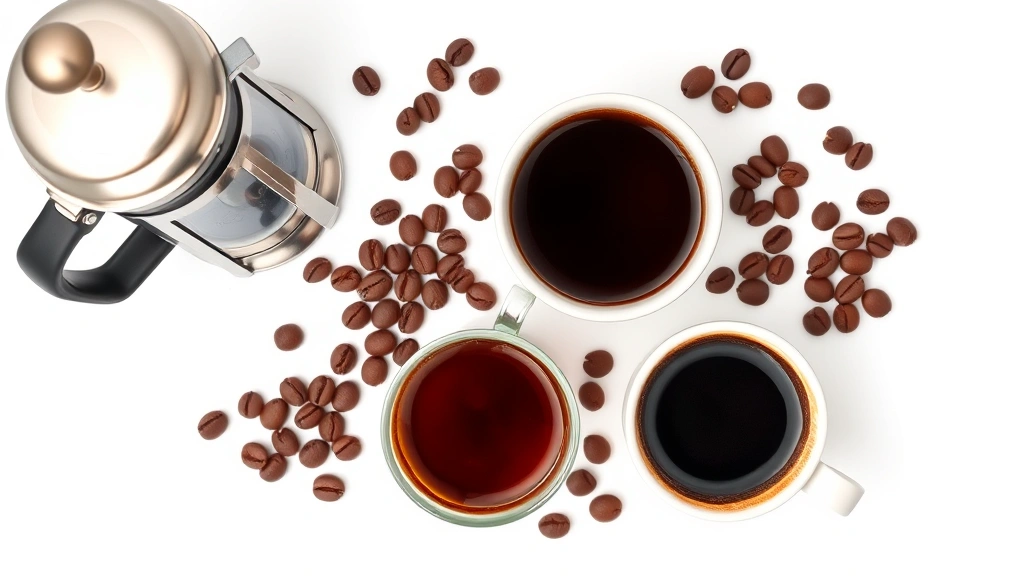
Caffeine and Thermogenesis
Thermogenesis refers to the production of heat in your body, which burns calories. Caffeine is known to enhance thermogenesis, a process called diet-induced thermogenesis (DIT). Studies show that caffeine can increase your metabolic rate by 3-11% for several hours after consumption, with the effect being more pronounced in individuals who are leaner and more physically active.
This metabolic boost is particularly valuable when you’re engaging in regular physical activity. Caffeine has been shown to enhance fat oxidation—the breakdown of fat for energy—especially during exercise. This is why many fitness enthusiasts and athletes consume coffee before workouts. If you’re looking to optimize your weight loss efforts, timing your coffee consumption before exercise can amplify its benefits.
However, it’s important to note that the thermogenic effect of caffeine is relatively modest. A single cup of coffee might increase your calorie burn by 20-30 calories, which is meaningful but not transformative on its own. The real power of coffee for weight loss emerges when it’s part of a holistic approach that includes best weight loss plan strategies, balanced nutrition, and consistent exercise.
Best Coffee Types for Weight Loss
Not all coffee is created equal when it comes to supporting weight loss. The way you prepare your coffee and what you add to it can dramatically affect its nutritional profile and effectiveness.
Black Coffee
Black coffee is the gold standard for weight loss support. It contains virtually no calories—typically fewer than 5 calories per 8-ounce cup—while delivering the full spectrum of metabolic benefits from caffeine and chlorogenic acid. Black coffee also promotes satiety, helping you feel fuller longer, which can reduce overall caloric intake. For the best results, explore the coffee weight loss hack strategies that many nutritionists recommend.
Espresso
Espresso is a concentrated form of coffee with a higher caffeine content per volume than regular drip coffee. A single shot contains about 63 mg of caffeine, making it an efficient way to get a metabolic boost without excessive liquid. However, watch out for sugary espresso-based drinks like lattes and cappuccinos with added syrups, which can contain 200+ calories and derail weight loss efforts.
Cold Brew Coffee
Cold brew is made by steeping coffee grounds in cold water for 12-24 hours. This method produces a smooth, less acidic beverage that’s easier on the digestive system. Cold brew contains slightly less caffeine than hot coffee due to the brewing method, but it’s still an excellent choice. The key advantage is that it’s easier to drink black or with minimal additions, making it simpler to avoid high-calorie additions.
Green Coffee Extract
Green coffee refers to unroasted coffee beans, which retain higher levels of chlorogenic acid compared to roasted beans. Some research suggests that green coffee extract may offer enhanced metabolic benefits, though the evidence is mixed. If you’re interested in exploring this option, ensure you’re purchasing from reputable sources and maintaining realistic expectations about its impact.
Coffee to Avoid
Commercial coffee drinks often contain hidden calories from milk, syrups, whipped cream, and sweeteners. A venti caramel macchiato can contain 300+ calories and 40+ grams of sugar—essentially a dessert disguised as coffee. If you prefer flavored coffee, try adding cinnamon, vanilla extract, or a small amount of honey instead of commercial syrups.
How to Drink Coffee for Maximum Benefits
Timing Matters
Consume coffee 30-60 minutes before exercise to maximize fat oxidation and thermogenic effects. This timing allows the caffeine to reach peak concentration in your bloodstream during your workout. However, avoid drinking coffee too late in the day, as caffeine can interfere with sleep quality. Aim to finish your last cup by 2-3 PM.
Optimal Amount
Research suggests that 200-400 mg of caffeine daily (approximately 2-4 cups of coffee) is safe for most adults and provides meaningful metabolic benefits. However, individual tolerance varies. Some people are more sensitive to caffeine and may experience jitteriness, anxiety, or sleep disruption at lower amounts. Start with one cup and gradually increase if well-tolerated.
Hydration Balance
Coffee is a mild diuretic, meaning it can increase urination and fluid loss. To counteract this, ensure you’re drinking adequate water throughout the day. A good rule of thumb is to drink one glass of water for every cup of coffee consumed. Proper hydration supports metabolism, appetite regulation, and overall health.
Pairing with Nutrition
Don’t rely on coffee alone for weight loss. Pair your morning coffee with a balanced breakfast containing protein and whole grains. Consider best protein shakes for weight loss options if you prefer a quick, nutrient-dense breakfast. Protein helps stabilize blood sugar, reduce cravings, and support muscle preservation during weight loss.
Mindful Additions
If black coffee is too bitter for your palate, add small amounts of unsweetened almond milk (30 calories per cup) or a splash of cream (10-20 calories per tablespoon). Avoid artificial sweeteners if possible, as emerging research suggests they may not support weight loss as effectively as once thought. If you need sweetness, a single teaspoon of honey or stevia provides minimal calories with more nutritional value.
Scientific Evidence and Studies
The scientific community has conducted numerous studies examining coffee’s effects on weight loss and metabolism. A meta-analysis published in the National Institutes of Health database found that caffeine consumption was associated with modest but statistically significant reductions in body weight, body mass index, and fat mass. The effects were most pronounced when caffeine intake was combined with regular physical activity.
Research from The Obesity Society emphasizes that while caffeine and coffee compounds offer measurable metabolic support, they work best as part of a comprehensive weight loss program that includes caloric deficit, balanced nutrition, and exercise. No beverage or supplement can replace the fundamental requirements for sustainable weight loss.
A study published in the International Journal of Obesity examined the effects of chlorogenic acid on weight loss and found that participants consuming chlorogenic acid showed greater reductions in body weight compared to placebo groups. However, the difference was modest—approximately 2-3 pounds over 12 weeks—highlighting that coffee’s benefits are meaningful but incremental.
Understanding the Limitations
It’s crucial to approach coffee’s weight loss benefits with realistic expectations. The metabolic boost from coffee is modest—typically 20-30 calories per cup. While this might not sound significant, it compounds over time. If you drink three cups of black coffee daily and make no other changes, you could theoretically create a deficit of 180-270 calories per week, or about 0.5 pounds of weight loss monthly. However, this requires consistent consumption and doesn’t account for adaptation—your body may adjust to regular caffeine intake over time, reducing the effect.
Practical Tips for Weight Loss Success
Create a Comprehensive Strategy
Coffee should be one component of a multifaceted weight loss approach. Focus on creating a sustainable caloric deficit through balanced nutrition, regular exercise, and behavioral changes. Explore evidence-based approaches like those outlined in best weight loss plan in California resources or work with a registered dietitian to develop a personalized strategy.
Track Your Progress
Monitor not just your weight but also how you feel, your energy levels, and your hunger patterns. If you’re curious about how long does it take to notice weight loss, understand that initial results often appear in the form of reduced bloating, improved energy, and better-fitting clothes before the scale reflects significant changes. Typically, visible weight loss becomes apparent after 2-4 weeks of consistent effort.
Complement with Complementary Strategies
Consider incorporating other evidence-based approaches alongside coffee consumption. Strategies like the turmeric trick for weight loss offer additional metabolic support through natural compounds. Similarly, ensuring adequate protein intake through high protein low carb recipes for weight loss creates a synergistic effect that enhances your overall results.
Manage Expectations and Consistency
Weight loss is a marathon, not a sprint. The most successful approach is one you can maintain long-term. If you dislike black coffee, forcing yourself to drink it won’t lead to sustainable habits. Find a version of coffee you genuinely enjoy, and build it into your routine consistently. Small, sustainable changes compound into significant results over months and years.
Monitor Caffeine Sensitivity
Pay attention to how your body responds to coffee. Some people experience increased anxiety, heart palpitations, or digestive issues from caffeine. If you fall into this category, consider switching to decaf coffee, which still contains chlorogenic acid and other beneficial compounds, or exploring alternative beverages. Your health and comfort should always take priority over potential weight loss benefits.
FAQ
How much weight can I lose by drinking coffee?
Coffee alone cannot produce significant weight loss. However, the metabolic boost from caffeine can contribute to modest calorie burn—approximately 20-30 calories per cup. When combined with a caloric deficit, regular exercise, and balanced nutrition, this contribution becomes meaningful. Most people can expect 1-2 pounds of weight loss per week with a comprehensive approach that includes coffee consumption.
Is black coffee better than regular coffee with milk and sugar?
Yes, black coffee is superior for weight loss because it contains virtually no calories while delivering full metabolic benefits. Adding milk and sugar introduces calories that can accumulate quickly. If you must add something, use unsweetened almond milk or a small amount of cream rather than commercial creamers or sweetened additions.
When is the best time to drink coffee for weight loss?
The optimal time is 30-60 minutes before exercise, allowing caffeine to reach peak concentration during your workout and maximize fat oxidation. Alternatively, drink coffee with breakfast to boost your morning metabolism and reduce overall caloric intake throughout the day. Avoid coffee after 2-3 PM to prevent sleep disruption, which can interfere with weight loss.
Can I drink unlimited coffee for weight loss?
No, more coffee doesn’t mean more weight loss. Consuming excessive caffeine (over 400 mg daily for adults) can cause anxiety, jitteriness, digestive issues, and sleep problems. Additionally, your body adapts to regular caffeine consumption, reducing its metabolic effects over time. Stick to 2-4 cups daily for optimal benefits without negative side effects.
Does decaf coffee help with weight loss?
Decaf coffee still contains chlorogenic acid and other beneficial compounds, making it a reasonable option if you’re sensitive to caffeine. However, it lacks caffeine’s thermogenic boost, so its weight loss benefits are more limited. If caffeine disagrees with you, decaf is better than no coffee, but regular coffee provides superior metabolic support.
Should I drink coffee if I’m also taking weight loss supplements?
Consult your healthcare provider before combining coffee with weight loss supplements, as some supplements also contain caffeine or stimulants that could lead to excessive intake. A registered dietitian can help you create a safe, effective weight loss plan that considers all your habits and medications.
How does coffee compare to other beverages for weight loss?
Black coffee is one of the best beverages for weight loss due to its minimal calories and metabolic benefits. Green tea offers similar advantages with slightly less caffeine. Avoid sugary drinks, juices, and most commercial coffee beverages, which can contain 200+ calories and undermine weight loss efforts. Water remains the gold standard for hydration without any caloric impact.


