
Cortisol Cocktail for Weight Loss? Expert Tips Inside
The internet is buzzing about “cortisol cocktails”—trendy drinks claiming to lower stress hormone levels and unlock effortless weight loss. From TikTok to wellness blogs, these beverages promise to balance your body’s cortisol production and help you shed pounds naturally. But does science actually support these claims, or are they just another fitness fad designed to empty your wallet?
Understanding the relationship between cortisol and weight loss is crucial for anyone serious about sustainable fat loss. While cortisol does play a real role in metabolism and body composition, the solution isn’t as simple as sipping a special cocktail. Let’s explore what cortisol actually does, which ingredients genuinely help, and how to create an evidence-based approach to managing this hormone alongside proven strategies like weight loss workout routines at home.
What Is Cortisol and How Does It Affect Weight Loss?
Cortisol is a glucocorticoid hormone produced by your adrenal glands in response to stress. Often called the “stress hormone,” it plays essential roles in regulating blood sugar, managing inflammation, and controlling your body’s fight-or-flight response. In healthy amounts, cortisol is beneficial—it helps you wake up in the morning and respond to challenges.
However, chronic stress leads to persistently elevated cortisol levels, which can interfere with weight management. Research from the National Institutes of Health shows that prolonged cortisol elevation is associated with increased visceral fat storage, particularly around the abdominal area. This happens because high cortisol can increase appetite, promote cravings for calorie-dense foods, and slow metabolic rate.
The key insight is that cortisol isn’t inherently bad for weight loss—it’s chronic elevation that becomes problematic. This is why managing stress is just as important as diet and exercise when pursuing sustainable weight loss. A cortisol-balancing drink might help, but only as part of a comprehensive approach that includes sleep, stress management, and regular physical activity.
The Science Behind Cortisol and Metabolism
To understand whether cortisol cocktails can genuinely support weight loss, we need to examine the actual mechanisms at play. Cortisol affects your body in several interconnected ways that influence body composition and fat storage patterns.
Appetite Regulation: Elevated cortisol increases ghrelin (the hunger hormone) while suppressing leptin (the satiety hormone). This hormonal imbalance makes you feel hungrier and less satisfied after eating, leading to overconsumption. Studies published in Obesity Journal demonstrate that stressed individuals consume significantly more calories than their non-stressed counterparts.
Fat Distribution: Cortisol preferentially promotes fat storage in the visceral (abdominal) region rather than subcutaneous areas. Visceral fat is metabolically active and associated with increased inflammation, insulin resistance, and cardiovascular risk. This explains why stress often leads to a thicker midsection even without significant overall weight gain.
Metabolic Rate: Chronic cortisol elevation can suppress thyroid function and reduce overall energy expenditure. Your body essentially enters a conservation mode, burning fewer calories at rest. This metabolic slowdown makes weight loss more difficult and explains why stressed individuals often plateau despite their efforts.
Sleep Quality: High cortisol levels interfere with melatonin production, disrupting sleep architecture. Poor sleep increases hunger hormones and decreases metabolic efficiency, creating a vicious cycle where stress and weight gain reinforce each other.
The good news is that interventions targeting these mechanisms—including specific nutrients and lifestyle changes—can help restore hormonal balance and support healthier weight management.
Best Ingredients for Cortisol-Balancing Drinks
Not all cortisol cocktail ingredients are created equal. While some popular additions lack solid evidence, several nutrients and compounds have demonstrated cortisol-modulating properties in peer-reviewed research.
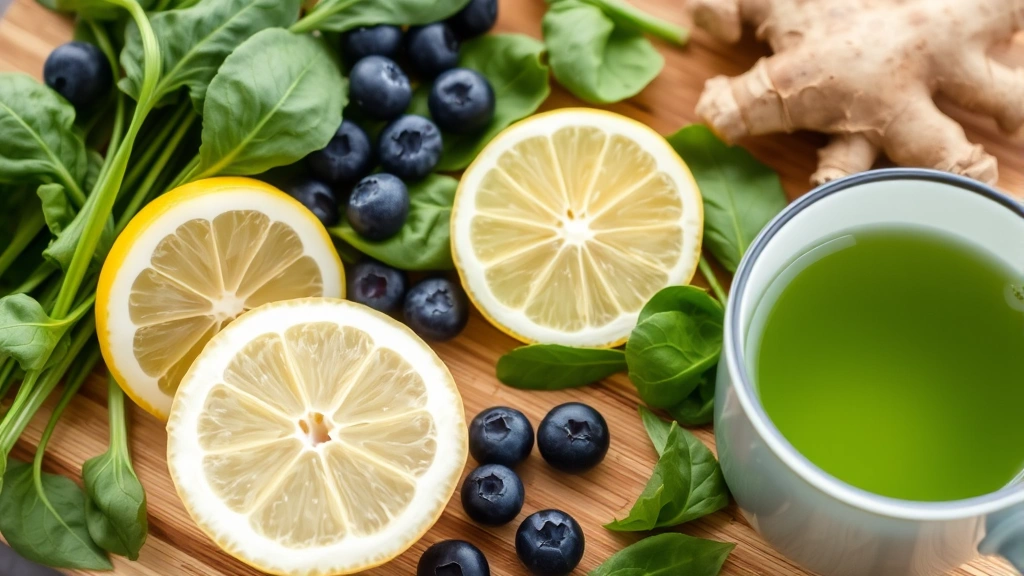
Magnesium: This mineral is essential for stress response regulation and nervous system function. Magnesium activates the parasympathetic nervous system (your “rest and digest” mode), which directly opposes the stress response. The American Academy of Family Physicians recommends adequate magnesium intake for stress management. You can add magnesium through spinach, pumpkin seeds, or magnesium-rich supplements dissolved in drinks.
B Vitamins: The B-complex vitamins (especially B5 and B6) support adrenal function and cortisol metabolism. These water-soluble vitamins are depleted during chronic stress, creating a deficit that worsens the stress response. Adding nutritional yeast, leafy greens, or B-complex supplements to your cocktail can help restore these crucial nutrients.
Adaptogens: Plants like rhodiola, ashwagandha, and holy basil have demonstrated cortisol-lowering properties in clinical studies. These compounds help your body adapt to stress without causing drowsiness. A systematic review on PubMed Central found that ashwagandha supplementation significantly reduced cortisol levels and perceived stress in multiple trials.
Vitamin C: High-dose vitamin C supports adrenal function and may reduce cortisol spikes during acute stress. Citrus fruits, berries, and bell peppers are excellent natural sources. Some research suggests vitamin C can blunt cortisol response to stressful situations.
Omega-3 Fatty Acids: These essential fats reduce inflammation and support nervous system health. While not typically mixed into drinks, consuming omega-3 rich foods alongside your cortisol cocktail enhances its effectiveness. Fish oil or flaxseed can be incorporated into smoothie-style drinks.
L-Theanine: This amino acid from green tea promotes relaxation without sedation by increasing GABA production. It’s particularly effective when combined with caffeine, creating a calm-focused state rather than jittery stimulation.
Phosphatidylserine: This phospholipid has shown promise in reducing cortisol levels, particularly in response to exercise stress. While less common in home recipes, it’s available as a supplement and worth considering for serious cortisol management.
Cortisol Cocktail Recipes That Actually Work
Based on evidence-backed ingredients, here are three cortisol-balancing drink recipes you can prepare at home. These recipes focus on whole foods and evidence-based components rather than exotic superfoods with minimal research support.
The Green Adaptogen Smoothie: Blend one cup of unsweetened almond milk, two cups of fresh spinach, one banana, one tablespoon of almond butter, one teaspoon of ashwagandha powder, and a handful of blueberries. Add ice and blend until smooth. This drink provides magnesium from spinach, B vitamins, adaptogenic support, and antioxidants. Consume within an hour of waking or post-workout for optimal cortisol management.
The Citrus Stress-Relief Blend: Juice one fresh lemon, one orange, and half a grapefruit. Add one teaspoon of raw honey, a pinch of sea salt, and eight ounces of filtered water. Stir in one capsule of opened vitamin C powder (500-1000mg) if desired. This simple recipe provides vitamin C for adrenal support and natural electrolytes. The citrus aroma itself has mild cortisol-reducing properties through aromatherapy.
The Herbal Calm Drink: Steep one tea bag of chamomile and one tea bag of green tea in hot water for five minutes. Add one tablespoon of raw honey, one pinch of sea salt, and allow to cool. This combines L-theanine from green tea with chamomile’s relaxation properties. The warm ritual itself supports parasympathetic activation, making it ideal for evening consumption.
The critical point about these recipes is that consistency matters more than perfection. A cortisol-balancing drink consumed sporadically won’t outweigh the effects of chronic stress and poor lifestyle habits. These work best as part of a comprehensive approach including best cardio exercises for weight loss and stress management practices.
Lifestyle Strategies Beyond the Drink
While cortisol cocktails can support your efforts, they’re not magic solutions. The most effective weight loss approaches address cortisol through multiple lifestyle domains simultaneously.
Sleep Optimization: Aim for seven to nine hours of consistent, high-quality sleep. Sleep deprivation increases cortisol and ghrelin while decreasing leptin and metabolic rate. Establish a bedtime routine, keep your bedroom cool and dark, and limit blue light exposure one hour before sleep. This single change often produces dramatic weight loss results.
Stress Management Practices: Incorporate daily stress-reduction techniques such as meditation, deep breathing, journaling, or progressive muscle relaxation. Even ten minutes of daily practice significantly reduces cortisol. Research shows that mindfulness meditation reduces both cortisol levels and abdominal fat accumulation.
Regular Exercise: Paradoxically, while acute exercise temporarily raises cortisol, regular moderate-intensity training reduces baseline cortisol and improves stress resilience. Try weight loss workout routines at home that combine strength training and cardio for optimal cortisol management and fat loss.
Nutrition Optimization: Focus on whole foods, adequate protein intake, and stable blood sugar. Processed foods and refined carbohydrates trigger cortisol spikes and insulin dysregulation. Pair your cortisol cocktail with meals featuring lean proteins, healthy fats, and fiber-rich vegetables. Try incorporating healthy crockpot recipes for weight loss into your meal planning for convenient, nutritious options.
Social Connection: Spending quality time with friends and family activates the parasympathetic nervous system and reduces cortisol. Social isolation increases stress hormones, making weight loss harder. Prioritize relationships as part of your health strategy.
Sunlight Exposure: Getting morning sunlight helps regulate circadian rhythm, which directly influences cortisol patterns. Aim for ten to twenty minutes of direct sunlight within two hours of waking. This supports healthy cortisol timing and improves sleep quality.
Limiting Caffeine: While moderate caffeine can be beneficial, excessive consumption amplifies stress response and cortisol elevation. Keep caffeine intake below 400mg daily and avoid it after 2 PM to protect sleep quality.
Common Myths About Cortisol and Weight Loss
The cortisol weight loss narrative has spawned numerous misconceptions that deserve clarification based on scientific evidence.
Myth: “Cortisol is the enemy and must be eliminated.” Reality: Cortisol is essential for survival. The goal isn’t elimination but rather maintaining healthy cortisol patterns with appropriate daily variation. Morning cortisol should be high (supporting wakefulness) while evening cortisol should be low (supporting sleep). The problem is chronic elevation, not cortisol itself.
Myth: “One cortisol cocktail can reverse stress damage.” Reality: A single drink provides temporary support but cannot counteract months or years of chronic stress. Weight loss from cortisol management requires consistent lifestyle changes over weeks and months. Think of the cocktail as one tool in a comprehensive toolkit.
Myth: “Lowering cortisol alone causes weight loss.” Reality: Weight loss fundamentally requires a calorie deficit. Cortisol management supports this deficit by reducing hunger, improving sleep, and optimizing metabolism—but doesn’t replace the need for appropriate nutrition and exercise. The best approach combines cortisol management with 30 pound weight loss strategies that address all metabolic factors.
Myth: “Expensive specialty ingredients are necessary.” Reality: Simple whole foods like spinach, citrus, berries, and tea provide substantial cortisol-supporting benefits. Expensive adaptogens and supplements can help, but consistency with basic ingredients beats sporadic use of premium products.
Myth: “Cortisol management is only for stressed people.” Reality: Everyone benefits from cortisol optimization. Even people who don’t feel particularly stressed often have dysregulated cortisol patterns affecting sleep, metabolism, and body composition. Supporting healthy cortisol function is universally beneficial.

As you pursue your weight loss goals, remember that sustainable results come from addressing multiple factors simultaneously. Your cortisol cocktail works best alongside proper sleep, stress management, regular exercise, and nutritious whole-food eating. Consider how managing cortisol complements other important aspects of weight management, such as how to prevent loose skin after weight loss and postnatal weight loss diet strategies if those apply to your situation.
FAQ
Can a cortisol cocktail alone cause weight loss?
No. A cortisol cocktail supports weight loss by improving hormonal balance, reducing appetite, and enhancing sleep quality—but it cannot create the calorie deficit necessary for fat loss. It works best combined with appropriate nutrition and exercise. Think of it as an optimization tool, not a standalone solution.
How long does it take to see results from cortisol management?
Most people notice improvements in sleep quality and stress perception within one to two weeks of consistent cortisol management practices. Measurable weight loss typically appears after four to six weeks when cortisol management combines with proper nutrition and exercise. Individual results vary based on baseline stress levels and adherence to lifestyle changes.
Are cortisol cocktails safe for everyone?
Generally, yes, when made from whole foods. However, if you take medications or have underlying health conditions, consult with your healthcare provider before adding supplements like ashwagandha or high-dose vitamin C. Pregnant and nursing women should discuss adaptogen use with their obstetrician.
Can I drink cortisol cocktails at any time of day?
Timing matters. Consume adaptogenic or stress-reducing drinks in the morning or early afternoon for daytime benefit. Save calming herbal blends for evening to support sleep quality. Avoid cortisol cocktails with caffeine after 2 PM, as this interferes with sleep—which paradoxically increases cortisol.
What’s the difference between a cortisol cocktail and a regular smoothie?
A cortisol-focused drink intentionally includes ingredients with evidence-backed cortisol-modulating properties (adaptogens, magnesium-rich foods, B vitamins) and follows timing principles that support healthy cortisol patterns. A regular smoothie may be nutritious but doesn’t specifically target hormonal balance.
Should I replace meals with cortisol cocktails?
No. These drinks work best as supplements to balanced meals, not meal replacements. Skipping meals actually increases cortisol and promotes muscle loss. Use cortisol cocktails as additions to your nutrition plan, not substitutes for whole foods.
Can cortisol cocktails interfere with medications?
Some adaptogenic herbs can interact with certain medications, particularly those affecting blood pressure or immune function. Always inform your doctor about supplements you’re consuming, especially if you take prescription medications.


